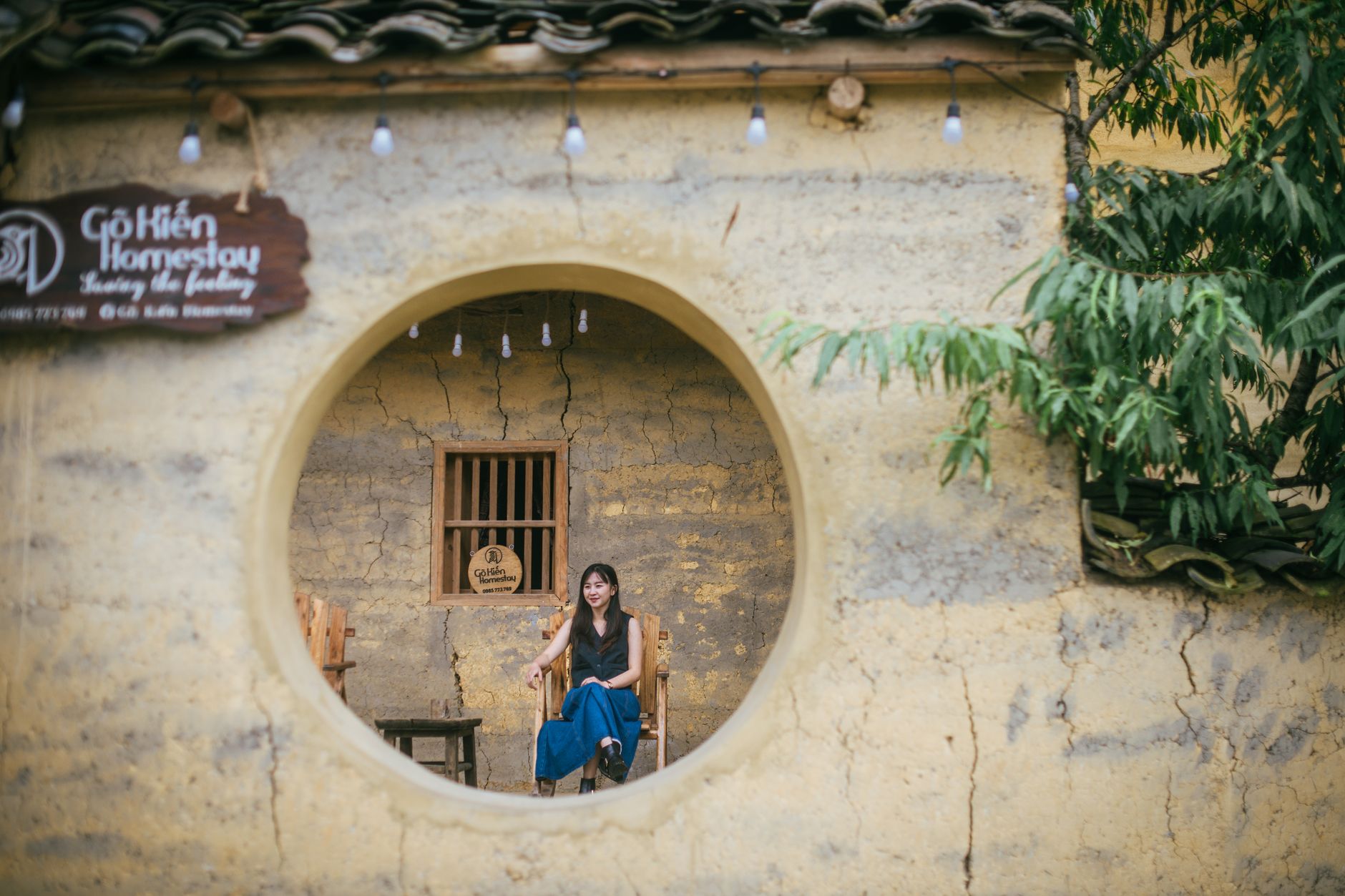
Tired of generic hotels and tourist traps? I was too. Join me as I recount life-changing home-stay experiences that not only offered a place to sleep but opened my eyes to new cultures, traditions, and a deeper way of traveling – experiences that are trending right now and waiting for you.
We've all been there: scrolling through endless hotel options, seeking that perfect blend of comfort and convenience, only to find ourselves in another cookie-cutter room that could be anywhere in the world. For years, I chased those perfectly curated travel brochures, ticking off landmarks, snapping photos, and moving on. But something felt missing. My trips were beautiful, yes, but often superficial, lacking the genuine connection I craved.
Then, a few years ago, a spontaneous decision changed everything. Burned out from a packed itinerary, I opted for a last-minute home-stay in a tiny village in rural Vietnam. I wasn't sure what to expect – basic amenities, language barriers, perhaps a bit of awkwardness. What I found, however, was a warmth, an authenticity, and a connection that no five-star resort could ever replicate. Sharing meals with a local family, learning rudimentary Vietnamese, and witnessing daily life unfold around me – it wasn't just a place to sleep; it was an immersion. It was a perspective shift.
This wasn't just a one-off. Home-stays have become a cornerstone of my travels, and I've discovered I'm not alone. As travelers increasingly seek deeper, more meaningful experiences, home-stays are experiencing a massive surge in popularity. They're trending right now because they offer exactly what the modern traveler desires: genuine cultural exchange, sustainable tourism, and a chance to live like a local. They challenge your assumptions, expand your empathy, and often, lead to unexpected friendships.
Join me as I share some of my most transformative home-stay experiences – the ones that didn't just provide a roof over my head, but truly changed my perspective on the world and myself.
The Himalayan Haven: Simplicity and Serenity in Ladakh, India
My journey to Ladakh felt like stepping onto another planet. Nestled high in the Indian Himalayas, this remote region is a land of stark beauty, ancient monasteries, and resilient people. After a few days in Leh, I decided to venture deeper, booking a home-stay in a small village called Stok, known for its royal palace and breathtaking views.
I stayed with the kindest Ladakhi family – a mother, father, and their two children. Their home was traditional, built of mud bricks and timber, with vibrant prayer flags fluttering outside. My room was simple but cozy, offering a window view of jagged, snow-capped peaks that took my breath away every morning. Meals were a communal affair: hot bowls of thukpa (noodle soup), momos (dumplings), and local vegetables, all prepared with love and shared around a low table. The highlight was sharing cups of chang, a local barley beer, with the patriarch, as he recounted stories of village life and the harsh beauty of the high-altitude desert.
Perspective Shift: This experience was a profound lesson in simplicity and resilience. In a world obsessed with material possessions, witnessing a family thrive with so little, yet giving so much, was humbling. Their deep connection to the land, their Buddhist faith, and their strong community bonds taught me the true meaning of contentment and self-sufficiency. It made me question my own consumption habits and appreciate the quiet power of a life lived in harmony with nature.
Practical Details & Instagram-worthiness:
- Location: Stok Village, Ladakh, India. Many villages around Leh offer similar experiences.
- Price: Expect around $20-30 USD per night, often including two meals. This is incredibly good value.
- How to Book: Often through local tour operators in Leh, or by simply asking around once you arrive. Some are listed on Airbnb Experiences.
- Tips: Learn a few basic Ladakhi phrases like "Juley" (hello/thank you/goodbye). Offer to help with chores, even if it's just fetching water or chopping vegetables. Bring a small, thoughtful gift from your home country.
- Instagram Moment: A candid shot of the family cooking in their traditional kitchen, prayer flags against a backdrop of snow-capped mountains, or a shared cup of chang with your host. #LadakhHomestay #HimalayanLife #SimpleJoys
Italian Immersion: Nonna's Kitchen in Tuscany, Italy
Who hasn't dreamt of living the Tuscan dream? Rolling hills, cypress trees, and delicious food. But instead of a generic hotel, I chose an agriturismo – a working farm that offers guest accommodation – in a small village near Pienza. While technically a farm stay, it had all the intimacy and personal touch of a home-stay.
My host, a lively woman I affectionately called "Nonna Isabella," welcomed me with open arms and a glass of homemade wine. Her farm produced olive oil, wine, and a variety of vegetables. My room was rustic chic, with exposed wooden beams and a view of vineyards stretching to the horizon. But the real magic happened in her kitchen. Every evening, we would cook together. I learned to roll pasta from scratch, knead bread, and prepare classic Tuscan dishes using ingredients fresh from her garden. We'd share long, boisterous meals with her family, laughter echoing through the ancient stone walls, debating the best way to make a perfect ragu.
Perspective Shift: Nonna Isabella taught me that food isn't just sustenance; it's a language of love, history, and community. Her passion for cooking, her stories of generations past, and the simple joy of sharing a meal around a crowded table reminded me of the profound human connection that food facilitates. It inspired me to slow down, savor flavors, and appreciate the effort that goes into every dish. I also learned that Italian hospitality is truly legendary – a warm embrace of strangers as if they were long-lost family.
Practical Details & Instagram-worthiness:
- Location: Agriturismo near Pienza, Tuscany, Italy. Many charming towns like Montepulciano, Cortona, or San Gimignano offer similar experiences.
- Price: ~$80-150 USD per night for a room, often including breakfast and sometimes dinner or cooking classes.
- How to Book: Websites like Agriturismo.it, Airbnb, or directly through individual farm websites are best.
- Tips: Be eager to participate in daily farm life or cooking. Bring a small token of appreciation, perhaps something unique from your home country. Ask about local markets and festivals.
- Instagram Moment: Rolling pasta with Nonna, a beautifully rustic spread of fresh Tuscan food, or a panoramic shot of vineyards at sunset from your farm stay. #TuscanDream #AgriturismoLife #ItalianCooking #FoodieTravel
Amazonian Echoes: Indigenous Lodge in Ecuador
For my most adventurous home-stay, I ventured deep into the Ecuadorian Amazon, staying at an eco-lodge run by an indigenous Kichwa community near Tena. This was less a "room in a house" and more a "hut in a village," but the essence of cultural immersion was even stronger.
Upon arrival by canoe, I was greeted by my host, a wise elder named Miguel, and his family. My accommodation was a rustic, thatched-roof cabin, open to the sounds of the jungle. Days were spent on guided jungle walks with Miguel, who shared ancient knowledge of medicinal plants, animal tracks, and the intricate web of life in the Amazon. We learned to make chicha (a fermented yucca drink), crafted traditional pottery, and participated in a ceremonial cleansing ritual. Evenings were a symphony of insect calls, broken only by stories told around a crackling fire, under a sky ablaze with stars.
Perspective Shift: This experience was a powerful lesson in environmental consciousness and the profound wisdom of indigenous cultures. Disconnecting from technology and reconnecting with the earth in such a raw, unfiltered way was transformative. I gained a deep respect for the Kichwa people's sustainable way of life, their understanding of nature's delicate balance, and their tireless efforts to protect the Amazon. It made me acutely aware of my own impact on the planet and ignited a passion for responsible, ethical tourism.
Practical Details & Instagram-worthiness:
- Location: Kichwa community eco-lodges near Tena or Puyo in the Ecuadorian Amazon.
- Price: Often package deals ranging from $100-200 USD per night, including accommodation, meals, guided activities, and transportation from a meeting point.
- How to Book: Through responsible eco-tourism operators, or directly with community-run initiatives (research carefully for ethical operators).
- Tips: Pack light, bring plenty of insect repellent, a water filter bottle, and an open mind. Be respectful of sacred sites and cultural practices. Learn about their conservation efforts and how you can support them.
- Instagram Moment: A canoe ride through the jungle, learning about medicinal plants with an indigenous guide, or a starlit night by the fire. #AmazonAdventure #EcuadorTravel #IndigenousCulture #EcoTravel
The Artistic Haven: Riad Living in Fes, Morocco
Stepping into the medina of Fes is like entering a time machine. The narrow, winding alleys, the vibrant souks, the donkey carts – it’s a sensory overload in the best possible way. For my stay, I chose a Riad, a traditional Moroccan house with an interior courtyard, in the heart of the ancient city.
Riad Fes Maya was a beautifully restored 19th-century home, a serene oasis amidst the medina's chaos. My room was a masterpiece of Moroccan craftsmanship – intricate Zellij tilework, carved cedar wood, and plush textiles. Each morning, I'd enjoy a traditional breakfast of Moroccan pancakes, fresh fruit, and mint tea in the sun-drenched courtyard, the sound of trickling water from the central fountain providing a soothing soundtrack. My hosts, a lovely couple named Fatima and Omar, were incredibly helpful, guiding me through the medina's labyrinthine paths, recommending the best tanneries and artisan workshops, and sharing insights into Moroccan culture. Evenings were spent on the rooftop terrace, sipping mint tea, watching the sunset paint the sky over the ancient city, and listening to the call to prayer echo across the rooftops.
Perspective Shift: This experience was a deep dive into the beauty of ancient urban planning and the art of Moroccan living. The Riad itself was a lesson in how private tranquility can coexist with public vibrancy. I gained a profound appreciation for the meticulous craftsmanship that goes into Moroccan art and architecture, from the intricate tilework to the hand-woven rugs. Fatima and Omar, with their warm hospitality, showed me the true spirit of Moroccan generosity and the joy of sharing one's home and culture.
Practical Details & Instagram-worthiness:
- Location: Riad Fes Maya (or similar), Fes el-Bali (old medina), Fes, Morocco. Marrakech also offers incredible Riad experiences.
- Price: Riads vary widely in price, from $50 USD for a charming basic room to $200+ for luxury.
- How to Book: Booking.com, Airbnb, or direct via Riad websites are common.
- Tips: Learn basic Arabic greetings ("Salam Alaikum," "Shukran"). Don't be afraid to get lost in the medina – it's part of the experience! Ask your hosts for recommendations on local eats and authentic shopping.
- Instagram Moment: The stunning central courtyard of a Riad, a rooftop sunset view over the Fes medina, or a perfectly poured glass of Moroccan mint tea. #RiadLife #FesMorocco #MoroccanHospitality #AncientCity
Coastal Charm: Fishing Village in Vietnam
Returning to Vietnam, the place where my home-stay journey began, I sought out a different kind of experience. This time, I found myself in a small fishing village just outside Hoi An, staying with a family whose livelihood depended entirely on the sea.
My host, a weathered but jovial fisherman named Ông Hai, and his wife, Bà Ba, welcomed me into their modest, brightly painted home. My room was simple, with a mosquito net and a fan, but impeccably clean. The highlight of my stay was joining Ông Hai on his early morning fishing trip. We'd paddle out in his traditional basket boat (thúng chai) as the sun rose, casting nets and pulling in the day's catch. Later, Bà Ba would teach me how to prepare the freshest seafood imaginable – grilled fish, shrimp stir-fries, and fragrant seafood noodle soups. We'd eat together, sharing stories (mostly through gestures and Google Translate), watching the fishing boats return to shore.
Perspective Shift: This home-stay offered a raw, unvarnished look at the rhythms of life dictated by the sea. I witnessed the hard work, the resilience, and the deep connection these coastal communities have with their environment. It deepened my appreciation for where our food comes from and the dedication of those who provide it. It was a reminder that true wealth isn't measured in money, but in community, purpose, and the simple joys of a life lived in harmony with nature's bounty. The genuine warmth and generosity of Ông Hai and Bà Ba, despite their modest means, was incredibly moving.
Practical Details & Instagram-worthiness:
- Location: Small fishing villages near Hoi An (e.g., Cam Thanh, An Bang) or on islands like Phu Quoc.
- Price: Very affordable, often $15-40 USD per night, sometimes including meals or activities.
- How to Book: Often found through local tourism initiatives, smaller tour operators, or sometimes Airbnb. Sometimes you can even arrange directly upon arrival in a village.
- Tips: Be prepared for basic amenities. Embrace the early mornings for fishing trips. Offer to help with daily chores like preparing the catch or tending the garden. Learn a few Vietnamese phrases.
- Instagram Moment: Paddling a basket boat at sunrise, a colorful spread of fresh seafood cooked by Bà Ba, or a candid shot of fishermen bringing in their nets. #VietnamHomestay #FishingVillage #CoastalLife #AuthenticVietnam
Practical Tips for Your Own Transformative Home-Stay
Inspired to try a home-stay yourself? Here’s how to make it a truly enriching experience:
- Research is Key (But Don't Over-Plan): Look beyond the major booking platforms. Check local tourism boards, community-based tourism initiatives, and niche booking sites that specialize in authentic experiences. Read reviews, but remember that home-stays are about real life, not hotel perfection.
- Communicate Clearly (Pre and During): Before booking, clarify what's included (meals, activities, private/shared bathroom). During your stay, don't be afraid to ask questions, even with a language barrier – gestures, translation apps, and patience go a long way.
- Be a Respectful and Engaged Guest: You're entering someone's home and culture. Learn a few basic phrases in the local language, offer a small, thoughtful gift from your home country, and always ask before taking photos, especially of people. Be open to participating in daily life – whether it's cooking, gardening, or just sharing stories.
- Embrace the Unexpected: Home-stays rarely run on a strict schedule. The beauty lies in the spontaneity, the unexpected conversations, and the detours from your planned itinerary. Be flexible and open to new experiences.
- Pack Smart: Home-stays often have simpler amenities. Pack light, bring a universal adapter, a basic first-aid kit, and any personal items you can't live without. A reusable water bottle is always a good idea.
- Budgeting Wisely: Home-stays can range from incredibly budget-friendly to moderately priced, often offering excellent value as they frequently include meals and sometimes even activities. This can significantly reduce your overall travel costs.
- Safety First: While home-stays are generally very safe, always choose reputable hosts or programs. Share your itinerary with someone back home, and trust your gut feeling.
The Home-Stay Revolution: Why Now is the Time
The trend towards home-stays isn't just a fleeting fad; it's a reflection of a deeper shift in how we want to travel. We're moving away from passive observation and towards active participation. We seek connection, authenticity, and experiences that challenge our comfort zones and expand our worldviews. Home-stays offer this in abundance. They are inherently sustainable, often supporting local economies directly, and they foster a sense of global community.
My home-stay adventures have taught me more than any textbook or museum ever could. They've shown me the extraordinary in the ordinary, the universal in the specific, and the profound power of human connection across cultures. They've not only changed my perspective but have enriched my life in ways I never imagined.
So, the next time you're planning a trip, consider stepping beyond the familiar. Take a chance on a home-stay. You might just find that the most comfortable bed isn't in a five-star hotel, but in a simple room in a stranger's home, where you’re welcomed not just as a guest, but as family.
Which home-stay adventure will you embark on next? Share your dreams and past experiences in the comments below! Don't forget to tag #TripsoraHomestays and share this post with your fellow wanderlusters – let's inspire more transformative journeys!
More pictures

Tags
Share this guide
We may earn a commission if you click a link and buy a product or service, at no extra cost to you. How affiliate links work.
Been there?