Craving steaming bowls of 14-hour tonkotsu ramen beneath Haussmannian cornices, or searching for fresh galangal inside former East Berlin industrial hangars? You don't need a 12-hour flight across the Pacific to experience East and Southeast Asia. Here is your definitive guide to the absolute best European cities with Asian vibes travel advisors suggest for culture hounds, food obsessives, and curious wanderers. ---
The Unexpected East: Why Europe’s Asian Enclaves Are Having a Moment
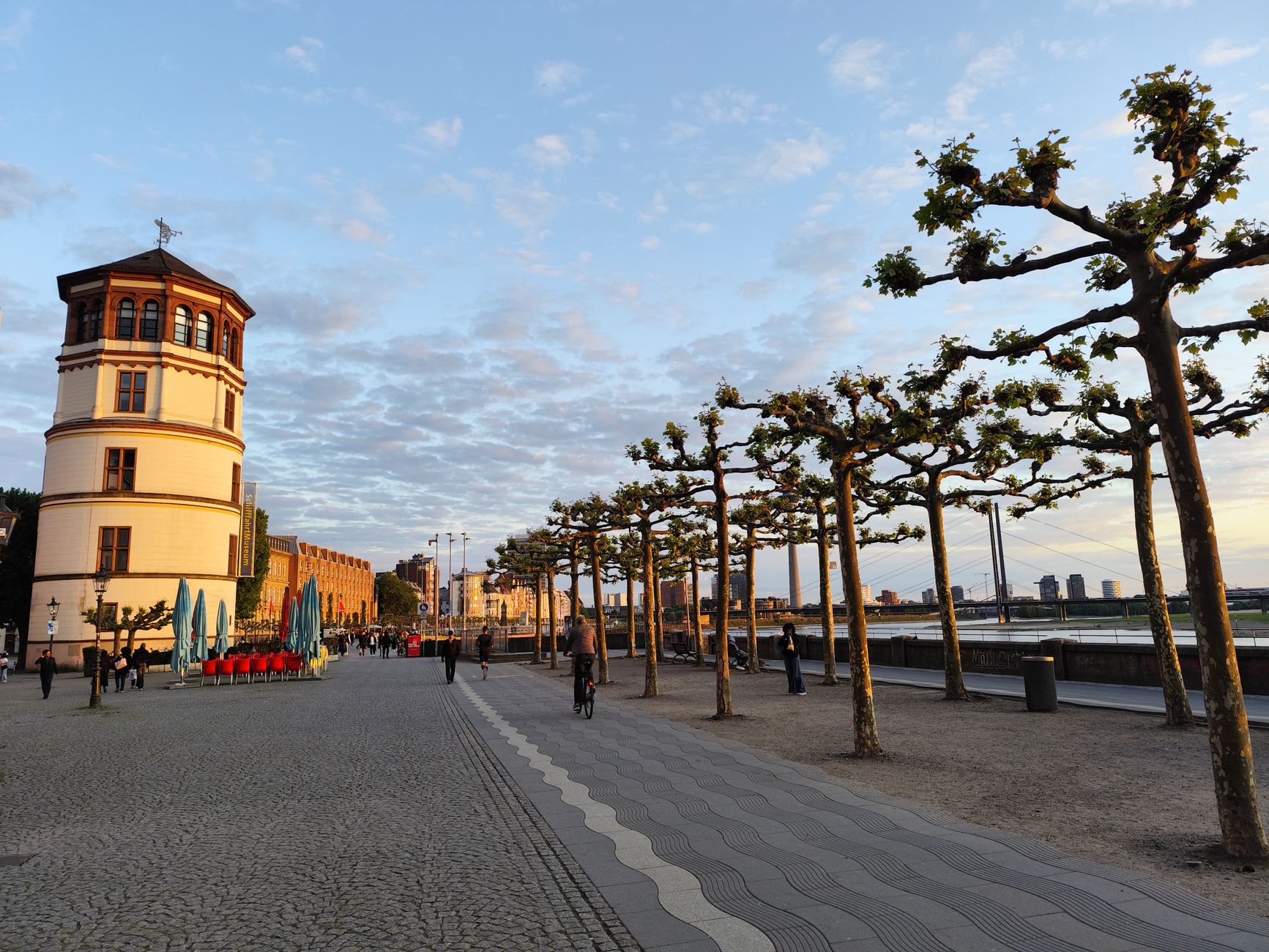
I stepped off the train at Düsseldorf Hauptbahnhof, pulled up my collar against a brisk Rhineland drizzle, and walked two blocks west down Immermannstraße. Instantly, the faint smell of wet asphalt was eclipsed by something intoxicating: roasting white sesame seeds, rich dashi broth bubbling in iron pots, and the yeasty sweetness of fresh melonpan. Around me, bilingual signboards in German and Kanji gleamed under neon lights. For a moment, I had to double-check my passport. I wasn’t in Shinjuku—I was in the heart of Germany's Ruhr Valley.
For decades, travel advisors tucked these neighborhoods away as quirky side notes in European itineraries. Today, top-tier travel specialists actively route culture-seeking clients toward these vibrant micro-hubs. Europe's deep geopolitical history, post-war migrations, and modern trade networks have created authentic East and Southeast Asian communities that rival those in North America.
If you want to experience incredible culinary technique, vibrant night markets, and authentic cultural heritage without leaving the European continent, here are the top cities travel advisors suggest you add to your itinerary right now.
---
1. Düsseldorf, Germany: Europe’s Unrivaled Hub for Authentic Japanese Culture
``` +-----------------------------------------------------------------------+ | DÜSSELDORF AT A GLANCE | | Best Time to Visit: May (Japan Tag Festival) or September-October | | Average Daily Food Budget: €35 – €60 per person | | Transport: U-Bahn to Hauptbahnhof or Tram 707 to Jacobistraße | +-----------------------------------------------------------------------+ ```
Düsseldorf houses Europe’s third-largest Japanese population outside of Japan, a legacy stemming from post-WWII corporate partnerships. What began as a business bridge has transformed the area surrounding Immermannstraße into an immaculate, hyper-authentic Japanese enclave known globally as "Little Tokyo."
The Culinary and Cultural Circuit
Start your morning at Bakery My Heart, where locals queue before opening for fluffy, cloud-like match cream buns and savory curry-pan. Skip the generic souvenir shops and head directly to Shochiku, a legacy Japanese supermarket where sushi-grade bluefin tuna is sliced to order and the aisles are packed with dozens of varieties of ponzu, soy sauce, and artisan sake.
For lunch, the local debate rages endlessly over ramen superiority. While Takumi 1 is famous for its rich pork-bone broth simmered for 14 hours, insider travel advisors point their clients toward Na-Ni-Wa Noodles & Soups across the street for their fiery, sesame-laced Tantanmen.
Pro-Tips for Visitors
- Beat the Queues: Takumi and Na-Ni-Wa do not take reservations. Arrive at 11:15 AM (15 minutes before opening) to secure a seat in the first seating.
- The Hidden Garden: Take the U-Bahn line U79 north to the Nordpark to explore the EKŌ-Haus of Japanese Culture. It features an authentic traditional Japanese wooden house, a pristine Zen garden, and a Buddhist temple where tea ceremonies are hosted weekly.
---
2. Paris, France: Pho, Dim Sum, and Pan-Asian Heritage in the 13th Arrondissement & Belleville
While tourists flock to the Marais or Saint-Germain, savvy travel planners direct culture lovers to the 13th Arrondissement (Triangle d'Choisy) and the rugged, artistic streets of Belleville. Paris is home to the oldest and largest Asian communities in mainland Europe, predominantly shaped by arrivals from Vietnam, Cambodia, Laos, and China’s Zhejiang province in the 1970s.
``` +-----------------------------------------------------------------------+ | PARIS ASIAN QUARTERS AT A GLANCE | | Best Time to Visit: Year-round (Lunar New Year features massive parades)| | Average Daily Food Budget: €25 – €50 per person | | Transport: Metro Line 7 (Porte de Choisy) or Line 2/11 (Belleville) | +-----------------------------------------------------------------------+ ```
Navigating the 13th Arrondissement vs. Belleville
The 13th Arrondissement—defined by the brutalist high-rises of the Olympiades complex—is a dense hive of Vietnamese bakeries, Teochew noodle stalls, and subterranean grocery giants.
- Pho 14 (Avenue de Choisy): Widely considered by expatriates to serve the most authentic Pho Tai in Western Europe. The broth is fragrant with star anise, black cardamom, and charred ginger.
- Tang Frères: Walk through the orange gateway of this legendary supermarket. It feels like stepping into a bustling Bangkok market, packed with fresh kaffir lime leaves, fresh durian, and steaming baskets of buns.
Further north, Belleville offers a grittier, multi-cultural vibe where Wenzhou street food intersects with French street art.
Pro-Tips for Visitors
- Secret Lunch Spot: Skip the long street-level lines on Avenue d'Ivry. Ascend the concrete stairs to the upper courtyard of the Galerie Osborn (Olympiades) to find small home-style cantinas serving Cambodian Nom Banh Chok (rice noodle soup) that few tourists ever see.
- Best Time to Visit: Visit Belleville on Tuesday or Friday mornings when the open-air market transforms Boulevard de Belleville into a bustling produce haven.
---
3. Berlin, Germany: Industrial Hanoi at the Dong Xuan Center
Berlin’s Vietnamese roots stem from the Cold War era, when thousands of contract workers (Vertragarbeiter) from North Vietnam arrived in East Berlin. Today, that heritage flourishes in the industrial eastern district of Lichtenberg at the extraordinary Dong Xuan Center.
``` +-----------------------------------------------------------------------+ | BERLIN DONG XUAN CENTER AT A GLANCE | | Best Time to Visit: Wednesday through Monday (Closed Tuesdays) | | Average Daily Food Budget: €15 – €35 per person | | Transport: Tram M8 or 21 to Herzbergstraße/Siegfriedstraße | +-----------------------------------------------------------------------+ ```
Stepping Into the Hangars
The Dong Xuan Center consists of six massive, concrete industrial hangars filled with hundreds of small businesses. Walking through these long halls, the scent of gasoline and exhaust vanishes, replaced by pungent fish sauce, fresh saw-tooth coriander, rau ram (Vietnamese coriander), and dark roasted Vietnamese coffee mixed with sweetened condensed milk.
Here, you can find everything from authentic wholesale spices and imported fresh produce to specialized hair salons, tailor shops, and small family-run eateries operating out of stainless-steel stalls.
What to Order
- Bun Cha Hanoi: Chargrilled pork patties served over fresh rice vermicelli, leafy herbs, and a warm, garlic-chili dipping broth (Nước Chấm).
- Bánh Xèo: Crispy, turmeric-gold Vietnamese crepes stuffed with pork, shrimp, and bean sprouts, wrapped in fresh mustard greens.
Pro-Tips for Visitors
- Cash is King: Credit cards are almost universally rejected inside Dong Xuan Center. Bring plenty of Euro cash.
- Hangar Selection: While Hangar 1 and 2 feature mostly dry goods and clothing, Hangar 3 and 8 hold the finest food stalls and fresh herb markets.
---
4. London & New Malden, UK: From Gerrard Street to Europe’s Largest Koreatown
London’s historic Chinatown in Soho (centered on Gerrard Street) is iconic with its red archways and hanging roast ducks. However, modern travel advisors urge food enthusiasts to ride the commuter train 25 minutes southwest of Waterloo Station to New Malden—home to the largest Korean diaspora community in Europe.
``` +-----------------------------------------------------------------------+ | LONDON & NEW MALDEN AT A GLANCE | | Best Time to Visit: Year-round (Autumn for seasonal hotpots) | | Average Daily Food Budget: £30 – £60 per person | | Transport: National Rail from London Waterloo to New Malden Station | +-----------------------------------------------------------------------+ ```
The New Malden Immersion
New Malden’s high street looks typically British on the outside—brick facades, red phone boxes, and pub signs. But step inside the shops, and you are immediately immersed in Seoul food culture. The town swelled in population due to the proximity of the Samsung UK headquarters and the South Korean embassy residency, creating a thriving community of over 10,000 Korean residents.
Must-Visit Stops
- Jin Go Gae: Famous for authentic charcoal-grilled Korean BBQ. Order the marinated beef short ribs (LA Galbi) and spicy raw crab (Yangnyeom Gejang).
- A-Do Noodle: A cozy, no-nonsense spot specializing in hand-pulled Jajangmyeon (black bean noodles) and comforting Tangkong-Kuksu (chilled peanut soup noodles).
- H-Mart New Malden: A massive supermarket featuring a live kimchee bar, fresh seafood tanks, and a hot food court serving street-style Tteokbokki (spicy rice cakes).
Pro-Tips for Visitors
- Book Ahead: Places like Jin Go Gae fill up entirely with local families on weekends. Call at least 48 hours in advance for evening dining.
- Chinatown Secret: If you remain in Central London, skip the tourist-heavy buffet joints on Gerrard Street. Instead, head to Speedy Miao or Master Wei near the British Museum for authentic, tongue-numbing Xi'an Biang Biang noodles coated in chili oil.
---
5. Lisbon, Portugal: Martim Moniz and the Secret Cantinas of Mouraria
Lisbon's history is tied to East Asia through centuries of trade routes with Macau, Goa, and Malacca. In recent decades, a new wave of immigration has made the historic Martim Moniz square and the surrounding Mouraria district one of Southern Europe's most dynamic multicultural neighborhoods.
``` +-----------------------------------------------------------------------+ | LISBON MARTIM MONIZ AT A GLANCE | | Best Time to Visit: Late afternoon for sunset drinks and night eats | | Average Daily Food Budget: €15 – €35 per person | | Transport: Metro Green Line to Martim Moniz | +-----------------------------------------------------------------------+ ```
The Clandestine Chinese Restaurants (Chineses Clandestinos)
The real draw of Lisbon’s Asian scene lies tucked away behind unmarked residential doorways along the narrow, winding cobblestone streets of Mouraria. Known locally as Chineses Clandestinos, these were originally unregistered dining rooms set up in private apartments to feed local Chinese merchants. Today, many operate semi-legally or fully licensed, offering an incredible, hyper-authentic dining experience.
How to Experience It
Walk up Rua do Benformoso. Look for discreet apartments with neon signs or simple, laminated paper menus taped near doorbell intercoms. Press the button, walk up narrow wooden staircases decorated with domestic tile, and enter bustling apartment living rooms converted into dining spaces.
What to Eat
- Hand-Pulled Cumin Lamb Noodles: Rich, aromatic, and dusted heavily with toasted Szechuan peppercorns.
- Fried Dumplings (Guotie): Crispy on the bottom, juicy on the inside, served with dark black vinegar and home-brewed chili oil.
Pro-Tips for Visitors
- Finding the Door: The most famous hidden dining spot is located at Rua do Benformoso 59 (look for the bell marked 1st floor).
- Amanhecer Supermarket: Located inside the underground passage of the Martim Moniz metro station, this market offers imported East Asian condiments and fresh greens at half the price of surface shops.
---
6. Rotterdam, Netherlands: The Surinamese-Asian Spice Belt on West-Kruiskade
Rotterdam’s architecture is famously futuristic, but its cultural heartbeat rests on streets like West-Kruiskade. This vibrant artery showcases the complex historical links between the Netherlands, Indonesia, Suriname, and China.
``` +-----------------------------------------------------------------------+ | ROTTERDAM WEST-KRUISKADE AT A GLANCE | | Best Time to Visit: May through September | | Average Daily Food Budget: €20 – €40 per person | | Transport: 5-minute walk from Rotterdam Centraal Station | +-----------------------------------------------------------------------+ ```
The Ultimate Fusion: Surinamese-Javanese & Indonesian Street Eats
Due to colonial-era labor migrations from Java (Indonesia) to Suriname (South America), Rotterdam offers a unique cultural hybrid: Surinamese-Javanese food. On West-Kruiskade, traditional Chinese dim sum parlors sit right next to Indonesian Rijsttafel shops and Surinamese bakeries.
Top Culinary Stops
- Toko 99: A massive Asian food market stocked with rare chili pastes, fresh Indonesian galangal, banana leaves, and custom spice blends.
- Kampung Kita: An authentic Indonesian spot serving comfort food like Beef Rendang slow-simmered in coconut milk and lemongrass, served alongside fiery home-made Sambal Ulek.
- Hung Kee: A local legend open late into the night, serving Cantonese roasted meats, crispy pork belly (Siu Yuk), and rich wonton noodle soups.
Pro-Tips for Visitors
- Order a Saoto Soup: Stop at a local Surinamese eatery like Warung Mini and order a bowl of Saoto Soup—a fragrant chicken broth infused with lemongrass, laos root, fried potato shreds, boiled egg, and bean sprouts. It is ultimate comfort food.
---
Logistics & Travel Comparison: How to Plan Your Trip
To help you choose which European city fits your travel style, budget, and appetite, use this quick comparison reference curated by our senior travel advisors:
| City | Primary Asian Vibe / Culture | Top Neighborhood | Must-Try Dish | Budget Level | Recommended Stay | | :--- | :--- | :--- | :--- | :--- | :--- | | Düsseldorf | Japanese | Immermannstraße / Little Tokyo | Tonkotsu Ramen at Takumi | $$$ (Moderate/High) | 2 Days | | Paris | Vietnamese, Teochew, Chinese | 13th Arrondissement / Belleville | Pho Tai at Pho 14 | $$ (Moderate) | 3 Days | | Berlin | Northern Vietnamese | Dong Xuan Center (Lichtenberg) | Bun Cha Hanoi | $ (Budget-Friendly) | 2 Days | | London | Korean, Cantonese | New Malden / Soho Chinatown | Charcoal K-BBQ at Jin Go Gae | $$$$ (High) | 3 Days | | Lisbon | Szechuan, Cantonese, Nepalese | Martim Moniz / Mouraria | Cumin Lamb Noodles | $ (Budget-Friendly) | 2 Days | | Rotterdam | Indonesian, Surinamese-Javanese | West-Kruiskade | Saoto Soup / Rice Table | $$ (Moderate) | 2 Days |
---
Travel Advisor Insider Advice: How to Experience These Enclaves Respectfully
- Learn the Local Etiquette: While these pockets feel world-away from Europe, basic cultural etiquette applies. Many smaller market stalls in Berlin's Dong Xuan Center or Lisbon's Mouraria are family-run businesses. Always ask before taking close-up photos of stallholders or diners.
- Timing Matters: Asian micro-districts across Europe operate on distinct schedules. Japanese bakeries in Düsseldorf often sell out of signature pastries by 1:00 PM. Meanwhile, the hidden dining spots of Lisbon and London’s K-BBQ joints don't pick up energy until after 8:00 PM.
- Bring Local Cash: While Europe is increasingly cashless, small Asian bakeries, bubble tea shops, and grocery stalls in districts like Lichtenberg (Berlin) or Mouraria (Lisbon) often impose high card minimums or accept cash only.
By looking beyond traditional tourist landmarks, you unlock a dynamic, multi-layered side of modern Europe. Whether slurping hand-pulled noodles in a hidden Lisbon apartment or sourcing fresh matcha in Düsseldorf, these Asian enclaves offer some of the richest cultural experiences on the continent. Pack your appetite and explore the world within Europe!
---
More pictures
Tags
Share this guide
We may earn a commission if you click a link and buy a product or service, at no extra cost to you. How affiliate links work.
Been there?