
Tired of your travel budget shrinking before you even pack? I've got the inside scoop on destinations where currency trends *actually* work in your favor. Think more experiences, less currency stress! Let's dive into the smart money moves for your next adventure. ---
The scent of cardamom and roasting coffee hit me the moment I stepped off the train in Istanbul. It was a sensory explosion, a vibrant welcome that promised endless discovery. But beyond the intoxicating aromas and the calls to prayer echoing through the ancient city, there was something else humming beneath the surface – a whisper of economic advantage. My lira was stretching further than I’d anticipated, transforming a dream trip into an unexpectedly affordable reality. This, my friends, is the magic of understanding currency exchange trends.
For too long, travelers have approached currency exchange like a necessary evil, a last-minute scramble at the airport that inevitably leaves them feeling short-changed. But what if I told you that by being strategic, you could harness the power of global economics to make your travel dreams more attainable? It’s not about finding a single "cheapest" country; it’s about understanding the trends, the subtle shifts that can turn a tight budget into a feast of experiences.
Riding the Wave: Why Currency Trends Matter for Your Wallet
Think of currency exchange like the tides. Sometimes they’re high, meaning your home currency buys you more of the local tender. Other times, they’re low, and your money doesn’t go as far. As a seasoned traveler (and a keen observer of global economics, thanks to my job!), I’ve learned that tapping into favorable currency trends can be as impactful as finding a flight deal. It's about smart money management, not just penny-pinching.
Why is this so crucial?
- Maximizing Your Experience: When your money has more purchasing power, you can afford that extra street food tasting, that spontaneous day trip, or that souvenir that truly speaks to you. It's about enriching your journey, not just surviving it.
- Budgeting with Confidence: Knowing that your destination's currency is on a favorable trend allows for more accurate and generous budgeting. You can relax, knowing your funds are likely to stretch further.
- Accessing Higher-Cost Destinations: Sometimes, a strong currency advantage can make destinations that were previously out of reach suddenly become viable. Imagine exploring the historical wonders of Europe or the vibrant markets of Southeast Asia with more financial breathing room.
The 'Pro-Tip' for Trend Spotting: Don't Just Look at Today
It’s easy to check the current exchange rate. What’s harder, but infinitely more rewarding, is understanding the trajectory. Is a currency strengthening or weakening against your home currency? Are there economic indicators suggesting this trend will continue? This is where the real savings lie.
Destinations Where the Exchange Rate is Your New Best Friend
Based on current economic outlooks and recent performance, here are a few destinations where the currency exchange trends are whispering sweet nothings to your travel budget.
1. Turkey: Where History and Value Collide
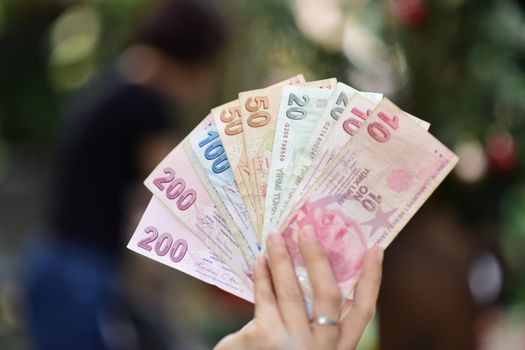
I'll never forget my first taste of simit from a street vendor in Istanbul, the warm, sesame-crusted bread costing mere pennies. Turkey has been a consistent favorite for travelers seeking value, and the recent economic climate has only amplified this. The Turkish Lira (TRY) has experienced periods of significant depreciation against major currencies like the USD and EUR, meaning your dollars and euros can buy you a lot more lira.
The Vibe: A breathtaking blend of East and West, with ancient ruins, bustling bazaars, stunning mosques, and a coastline that rivals any in the Mediterranean. The food is incredible, the people are warm, and the sheer volume of history is staggering.
Insider Intel:
- Pro-Tip: While the official exchange rate is key, always compare rates at reputable exchange offices in tourist areas versus local banks. Avoid airport exchanges if possible.
- Pro-Tip: For authentic experiences, venture slightly off the main tourist drag. A magnificent meal for two in a local lokanta (eatery) can be incredibly affordable.
- Pro-Tip: Consider visiting during the shoulder seasons (spring and autumn) for pleasant weather and even better prices.
Quick Facts: Turkey
| Category | Details | Estimated Cost ($) | | :--------------- | :----------------------------------------------- | :----------------- | | Currency | Turkish Lira (TRY) | N/A | | Best Time | April-May, September-October | $50 - $100/day | | How to Get There | Major international airports (IST, SAW, ADB) | Flights vary widely | | Accommodation| Hostels to boutique hotels | $20 - $150/night | | Food | Street food, local eateries, mid-range restaurants | $10 - $40/day | | Activities | Museums, historical sites, Bosphorus cruise | $20 - $60/day |
2. Argentina: A Tango with Your Travel Budget
Argentina has long been known for its passionate culture, stunning landscapes from Patagonia to Iguazu Falls, and, yes, its volatile but often advantageous currency. The Argentine Peso (ARS) has seen periods of significant weakening, offering substantial buying power for those who plan wisely.
The Vibe: Dramatic natural beauty, European-esque cities like Buenos Aires, world-class steak and wine, and the intoxicating rhythm of the tango. It’s a country of immense contrasts and unforgettable experiences.
Insider Intel:
- Pro-Tip: Argentina has a unique unofficial exchange rate known as the "blue dollar" (dólar blue). While it's technically informal, it's widely used and offers a significantly better rate for cash USD. Research current blue dollar rates before you go.
- Pro-Tip: Embrace the asado (barbecue) culture! Sharing a traditional Argentine barbecue is not only delicious but also a fantastic way to experience local life affordably.
- Pro-Tip: For Patagonian adventures, book accommodation and key tours in advance, especially during peak season. Even with favorable exchange rates, popular spots fill up.
Quick Facts: Argentina
| Category | Details | Estimated Cost ($) | | :--------------- | :----------------------------------------------- | :----------------- | | Currency | Argentine Peso (ARS) | N/A | | Best Time | September-November (Spring), March-May (Autumn) | $60 - $120/day | | How to Get There | Major international airports (EZE, FTE) | Flights vary widely | | Accommodation| Hostels, guesthouses, boutique hotels | $25 - $120/night | | Food | Steak, wine, empanadas, local cafes | $15 - $50/day | | Activities | Tango shows, national parks, city tours | $30 - $80/day |
3. Colombia: The Emerald of South America
Colombia has been on an incredible upward trajectory, transforming its reputation and economy. While its currency, the Colombian Peso (COP), might not be as dramatically devalued as some others, its stability and steady performance against major currencies, coupled with the country's inherent affordability, make it a compelling choice.
The Vibe: From the vibrant streets of Medellín and Cartagena to the lush coffee regions and the Caribbean coast, Colombia offers incredible diversity. Think rich culture, friendly people, delicious coffee, and breathtaking landscapes.
Insider Intel:
- Pro-Tip: Use ATMs for the best rates when withdrawing COP. Always opt to be charged in the local currency (COP) rather than your home currency to avoid dynamic currency conversion fees.
- Pro-Tip: Explore the coffee region (Eje Cafetero)! Farm stays and coffee tours are remarkably affordable and offer an authentic taste of Colombian life.
- Pro-Tip: For longer stays, consider renting an apartment through local platforms. It can be more cost-effective and allows you to cook some of your own meals, further stretching your budget.
Quick Facts: Colombia
| Category | Details | Estimated Cost ($) | | :--------------- | :----------------------------------------------- | :----------------- | | Currency | Colombian Peso (COP) | N/A | | Best Time | December-March, July-August | $40 - $90/day | | How to Get There | Major international airports (BOG, MDE, CTG) | Flights vary widely | | Accommodation| Hostels, budget hotels, charming guesthouses | $15 - $70/night | | Food | Bandeja Paisa, arepas, fresh fruit juices | $8 - $30/day | | Activities | City tours, coffee farms, historical sites | $15 - $50/day |
4. Egypt: Ancient Wonders, Modern Value
Egypt offers a journey through millennia of history, and its currency, the Egyptian Pound (EGP), has seen significant fluctuations that can be incredibly beneficial for travelers. The sheer abundance of world-class historical sites, coupled with the favorable exchange rate, makes it a top contender.
The Vibe: The Pyramids of Giza, the Sphinx, the temples of Luxor and Karnak, the Nile River cruises – it’s a living museum. Beyond the ancient marvels, you’ll find bustling souks, delicious Middle Eastern cuisine, and warm hospitality.
Insider Intel:
- Pro-Tip: For major attractions like the Pyramids or the Valley of the Kings, consider hiring a local guide. Their knowledge enhances the experience immensely, and their services are often very reasonably priced.
- Pro-Tip: Negotiate prices in the souks! It’s part of the cultural experience, and with a favorable exchange rate, your bargaining power is amplified.
- Pro-Tip: Nile cruises can range from budget-friendly to ultra-luxury. Research and book in advance, especially for the more affordable options during peak seasons.
Quick Facts: Egypt
| Category | Details | Estimated Cost ($) | | :--------------- | :----------------------------------------------- | :----------------- | | Currency | Egyptian Pound (EGP) | N/A | | Best Time | October-April | $50 - $100/day | | How to Get There | Major international airports (CAI, HRG, SSH) | Flights vary widely | | Accommodation| Budget hotels, guesthouses, cruise ships | $20 - $100/night | | Food | Koshary, falafel, shawarma, fresh dates | $10 - $35/day | | Activities | Pyramids, temples, museums, Nile cruise | $30 - $70/day |
5. Philippines: Island Hopping on a Budget
The Philippines, an archipelago of over 7,000 islands, offers paradise at a surprisingly accessible price point, especially when your home currency is strong against the Philippine Peso (PHP). While not a dramatic depreciation, the PHP offers consistent value, allowing you to stretch your travel funds across multiple stunning islands.
The Vibe: Pristine white-sand beaches, turquoise waters perfect for diving and snorkeling, lush rice terraces, and incredibly friendly locals. It’s a tropical dream come true without the hefty price tag.
Insider Intel:
- Pro-Tip: Embrace local transport! Jeepneys and tricycles are incredibly cheap ways to get around cities and between nearby towns. For inter-island travel, ferries are often the most budget-friendly option.
- Pro-Tip: Eat like a local at carinderias (small, casual eateries). You'll find delicious and authentic Filipino dishes for just a few dollars.
- Pro-Tip: When booking domestic flights, compare prices on different airlines and book in advance for the best deals.
Quick Facts: Philippines
| Category | Details | Estimated Cost ($) | | :--------------- | :----------------------------------------------- | :----------------- | | Currency | Philippine Peso (PHP) | N/A | | Best Time | December-May | $35 - $80/day | | How to Get There | Major international airports (MNL, CEB) | Flights vary widely | | Accommodation| Beach bungalows, hostels, budget hotels | $15 - $60/night | | Food | Adobo, sinigang, halo-halo, fresh seafood | $7 - $25/day | | Activities | Island hopping, snorkeling, diving, rice terraces| $15 - $40/day |
The Savvy Traveler's Toolkit: Mastering Currency Exchange
Beyond choosing the right destination, there are fundamental strategies to ensure you get the most bang for your buck, no matter where you’re headed.
1. Research, Research, Research!
- Current Rates: Know the current exchange rate before you even book your flight.
- Trend Analysis: Look at the currency's performance over the last 6-12 months. Are there any major economic events or policies that might affect it?
- Economic Outlook: Briefly check reports from reputable financial news outlets about the country’s economic health.
2. Diversify Your Exchange Methods
- ATMs are Your Friend (Mostly): Using your debit card at local ATMs often yields excellent rates. Pro-Tip: Always choose to be charged in the local currency to avoid unfavorable dynamic currency conversion.
- Credit Cards with No Foreign Transaction Fees: Many travel credit cards waive foreign transaction fees. This is often the safest and most convenient way to pay for larger purchases.
- Cash for Small Purchases: Having some local currency on hand is essential for markets, street vendors, and small local businesses.
3. Timing is Everything (Sometimes)
- Avoid Airport Exchange Booths: These almost always offer the worst rates.
- Local Banks & Reputable Exchange Offices: Once you arrive, seek out local banks or well-known exchange bureaus.
- Consider a Travel-Specific Debit/Credit Card: Companies like Wise (formerly TransferWise) or Revolut offer cards with competitive exchange rates and low fees.
4. Understand the 'Hidden' Costs
- ATM Fees: Check with your home bank about their international ATM withdrawal fees.
- Dynamic Currency Conversion (DCC): As mentioned, always decline DCC when prompted at ATMs or card terminals.
- Transaction Fees: Be aware of any fees your own bank or credit card company might charge for international transactions.
The Takeaway: Travel Smarter, Not Harder
Understanding currency exchange trends isn't about complicated financial jargon; it's about empowering yourself to travel more, experience more, and worry less about your money. By being informed and strategic, you can turn economic fluctuations into your advantage, unlocking incredible adventures that might have seemed out of reach. So, next time you’re dreaming of far-flung destinations, remember to check the exchange rate – it might just be the key to your next unforgettable journey.
---
More pictures

Tags
Share this guide
We may earn a commission if you click a link and buy a product or service, at no extra cost to you. How affiliate links work.
Been there?