
Want to travel the world and get PAID to clean beaches? March 2026 is your golden ticket! We've uncovered the most incredible destinations offering cash for your conservation efforts. Pack your bags, it's time for an eco-adventure that pays!
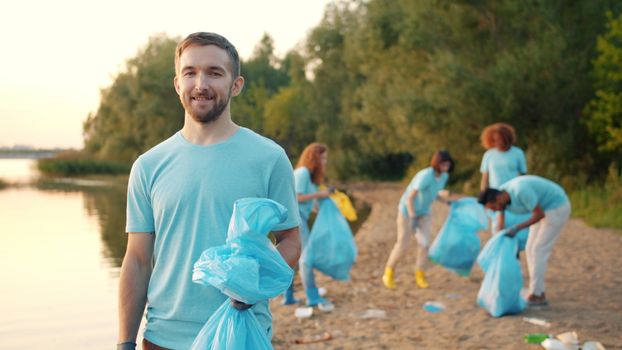
The salty spray kissed my face as I stepped off the ferry, the scent of brine and blooming bougainvillea instantly intoxicating. The rhythmic shush of gentle waves lapping against the shore was a lullaby, a stark contrast to the city bustle I’d left behind. But this wasn't just a picturesque escape; this was work, albeit the most rewarding kind. I was here, on a sun-drenched island in the Aegean, to help restore its pristine beauty, and get paid for it. Welcome to the future of travel, where your wanderlust can fuel positive change and, yes, even your wallet.
For too long, the narrative of travel has been one of consumption. We arrive, we see, we leave. But a seismic shift is happening. Responsible tourism isn't just a buzzword anymore; it's a movement. And at the forefront of this revolution are destinations actively seeking conscious travelers to participate in vital conservation efforts. In March 2026, several incredible locations are rolling out programs that not only welcome your helping hands but also offer financial incentives to do so. Forget expensive tours; imagine earning money while making a tangible difference.
The Rise of Paid Eco-Volunteering
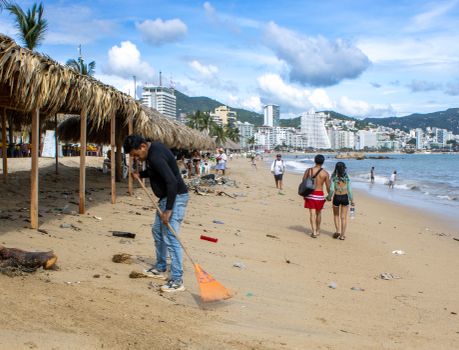
The concept might sound too good to be true, but it's a carefully crafted strategy by forward-thinking communities. They understand the immense value of a clean environment for tourism, and they're willing to invest in it. By offering stipends or direct payments to volunteers who participate in beach cleanups and other conservation activities, these destinations are tackling two critical issues simultaneously: environmental degradation and the need for sustainable tourism revenue.
Why March 2026? This period often marks the shoulder season in many popular coastal destinations. The crowds of peak summer are gone, the weather is typically pleasant, and the urgency to prepare for the upcoming tourist season is high. This makes March an ideal time for both the destinations to implement these programs and for travelers seeking a more authentic, less crowded experience.
Destinations to Watch: March 2026 Paid Beach Cleanup Programs
While specific program announcements for March 2026 are still solidifying, based on emerging trends and past initiatives, here are the types of destinations you should have on your radar. These are the places actively embracing the "get paid to travel and clean" model.
1. The Greek Islands: Aegean Angels
I remember my first time in Santorini, not just for the iconic caldera views, but for the vibrant local markets overflowing with sun-ripened tomatoes and fragrant oregano. The Greek Islands are a paradise, but they face the constant challenge of managing waste, especially on their more remote shores.
The Promise: Expect programs in the Cyclades and Ionian Islands that offer daily stipends for participating in organized beach cleanups. This often involves collecting plastic, microplastics, and other debris washed ashore. Some programs might even extend to assisting with marine life monitoring or coral reef restoration.
Pro-Tip: Many of these initiatives are run by local environmental NGOs or tourism boards. Look for programs advertised through the Hellenic Society for the Protection of Nature or local island municipalities. They are often looking for dedicated individuals for a few weeks at a time.
Quick Facts: Greek Islands Eco-Volunteer
| Category | Details | | :-------------- | :---------------------------------------------------------------------- | | Estimated Pay | $50 - $100 per day (stipend/contribution towards living costs) | | Best Time | March (pleasant weather, fewer crowds) | | How to Get There | Flights to Athens (ATH) or direct to island airports (e.g., JTR, RHO). Ferry or domestic flights to specific islands. | | Accommodation | Often provided or subsidized by the program (e.g., shared eco-lodges). | | Local Vibe | Laid-back island life, delicious Mediterranean cuisine, ancient history. |
2. The Portuguese Coast: Atlantic Guardians
The dramatic cliffs of the Algarve, the surfing mecca of Nazaré – Portugal's coastline is breathtaking. However, the powerful Atlantic currents can bring significant amounts of plastic pollution to its shores.
The Promise: Portuguese coastal towns are increasingly investing in their natural assets. In March 2026, you might find opportunities in regions like the Alentejo or Silver Coast where local councils and surf schools are partnering to fund beach cleanup initiatives. Payments could be in the form of direct stipends or vouchers for local businesses.
Insider Insight: The surf community is deeply connected to the ocean's health. Connect with surf schools and eco-tourism operators in areas like Ericeira or Peniche. They are often at the forefront of organizing these efforts and might have early insights into paid opportunities.
Quick Facts: Portuguese Coast Eco-Volunteer
| Category | Details | | :-------------- | :---------------------------------------------------------------------- | | Estimated Pay | €40 - €70 per day (stipend or credit for local services/food) | | Best Time | March (mild temperatures, good for exploring towns and coastlines) | | How to Get There | Flights to Lisbon (LIS) or Porto (OPO). Train or bus services connect coastal towns. | | Accommodation | May be arranged through the organizing body or available in budget-friendly guesthouses. | | Local Vibe | Rich maritime history, Fado music, hearty seafood, stunning coastal trails. |
3. The Caribbean Islands: Coral Crusaders
The turquoise waters and white-sand beaches are what dreams are made of. But pollution, from plastic bottles to discarded fishing gear, is a growing threat to the delicate marine ecosystems of the Caribbean.
The Promise: Several islands, particularly those heavily reliant on eco-tourism like parts of Belize or smaller, less developed islands in the Lesser Antilles, are exploring paid cleanup programs. These could involve not just beach debris but also assisting with mangrove restoration or citizen science projects tracking marine pollution.
Pro-Tip: Look for opportunities advertised by organizations like the Caribbean Environmental Health Institute (CEHI) or through the tourism ministries of islands actively promoting sustainable tourism. Be prepared for programs that might be more community-focused.
Quick Facts: Caribbean Islands Eco-Volunteer
| Category | Details | | :-------------- | :---------------------------------------------------------------------- | | Estimated Pay | $60 - $120 per day (often covering accommodation, food, and a small stipend) | | Best Time | March (dry season, pleasant temperatures, before the main hurricane season) | | How to Get There | Flights to major hubs (e.g., BGI for Barbados, BZE for Belize) and then inter-island flights or ferries. | | Accommodation | Frequently included in program packages, often in eco-lodges or community housing. | | Local Vibe | Vibrant culture, reggae music, fresh tropical fruits, stunning underwater life. |
4. Southeast Asian Coastal Communities: Emerald Protectors
From the limestone karsts of Thailand to the pristine dive sites of the Philippines, Southeast Asia boasts some of the world's most biodiverse marine environments. These areas are also incredibly vulnerable to plastic pollution.
The Promise: Initiatives are emerging in countries like Malaysia, Indonesia, and the Philippines, where local communities and dive operators are seeking help. You might find paid opportunities to clean beaches, assist in coastal reforestation projects, or even help monitor the impact of pollution on coral reefs.
Insider Insight: Engage with dive centers and responsible tourism operators in popular but environmentally sensitive areas. They often have a vested interest in protecting their dive sites and may be involved in or aware of funded cleanup efforts. Look for programs in areas like Sabah (Malaysia) or Palawan (Philippines).
Quick Facts: Southeast Asian Eco-Volunteer
| Category | Details | | :-------------- | :---------------------------------------------------------------------- | | Estimated Pay | $40 - $80 per day (often covering accommodation, meals, and a small stipend) | | Best Time | March (generally good weather in many regions before the monsoon season) | | How to Get There | Flights to major hubs like Kuala Lumpur (KUL), Singapore (SIN), or Manila (MNL). Then regional flights or ferries. | | Accommodation | Often provided in eco-resorts, homestays, or volunteer houses. | | Local Vibe | Bustling markets, incredible street food, rich cultural heritage, diverse landscapes. |
Beyond the Payment: The True Value of Paid Eco-Volunteering
While the idea of getting paid to clean beaches is undeniably appealing, the real reward lies much deeper.
- Tangible Impact: You’re not just a tourist; you’re a contributor. You’ll see the direct results of your efforts – cleaner sands, healthier waters, and protected wildlife.
- Authentic Immersion: These programs often place you within local communities. You'll connect with locals, learn about their challenges and triumphs, and gain a perspective far richer than any typical vacation.
- Skill Development: You might learn new skills, from marine biology basics to sustainable land management techniques.
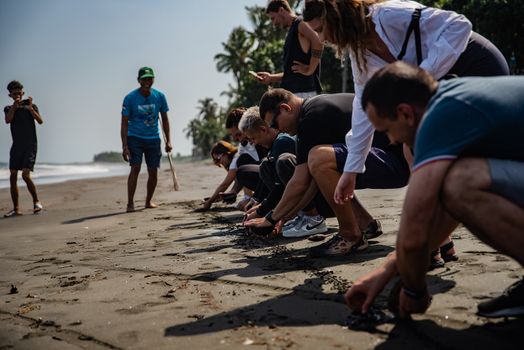
- Unforgettable Experiences: Imagine the satisfaction of watching a sea turtle nest on a beach you helped protect, or the camaraderie with fellow volunteers from around the globe.
How to Secure Your Paid Eco-Adventure in March 2026
The key to landing these coveted spots is preparation and proactivity.
- Start Researching NOW: Don't wait until January 2026. Begin identifying organizations and destinations that align with your interests. Follow their social media, sign up for newsletters.
- Network: Connect with environmental NGOs, dive centers, and responsible tourism operators in your target regions. Attend virtual or in-person events related to conservation.
- Be Flexible: These paid opportunities can be competitive. Be open to different locations, program lengths, and types of conservation work.
- Highlight Your Commitment: When applying, emphasize your passion for environmentalism, any relevant experience (even volunteer work), and your reliability. Show them you're not just after the money, but a genuine desire to help.
- Look for "Stipend" or "Contribution" Programs: Often, these aren't salaries but rather contributions to cover your living expenses, making the trip more affordable and sustainable for the organizing body.
The future of travel is about more than just seeing the world; it's about saving it. In March 2026, you have the unique opportunity to be part of that solution, to earn your way through paradise, and to return home with stories that matter. So, what are you waiting for? The beaches are calling.
More pictures


Tags
Share this guide
We may earn a commission if you click a link and buy a product or service, at no extra cost to you. How affiliate links work.
Been there?