
Barcelona is drowning in its own success. If you’re craving the salt-air, the avant-garde architecture, and the midnight tapas without the four-hour queues and "Tourists Go Home" graffiti, this is your roadmap. We’ve scouted the six urban powerhouses that possess the soul of 1990s Barcelona—vibrant, raw, and ready for their close-up. ---
The Hook: A Tale of Two Turias
I stepped off the train at Estació del Nord and was immediately slapped in the face—not by the humidity of a crowded Rambla, but by the scent of toasted saffron and orange blossoms. It was 3:00 PM in Valencia. In Barcelona, this is the hour of the tourist crush. Here? It was the hour of the sobremesa. The city was breathing. As I walked through the Turia Gardens—a lush, nine-kilometer riverbed-turned-park—I realized I wasn't dodging selfie sticks; I was dodging locals on vintage bicycles.
The "Barcelona Effect" is real. The Catalan capital has become a victim of its own brilliance. But the DNA that made Barcelona iconic—the collision of ancient stone and futuristic steel, the Mediterranean pulse, the defiant regional pride—is alive and well in several other hubs. These are the underrated cities becoming the next Barcelona worth considering before the rest of the world catches on.
---
1. Valencia, Spain: The Heir Apparent
If Barcelona is the flashy older sibling, Valencia is the sophisticated architect who knows where the best wine is kept. It offers the same Mediterranean coastline but with a far more integrated local life.
The Vibe: Gothic Meets Galactic
The city is a split personality in the best way possible. On one side, you have the Barrio del Carmen, a labyrinth of medieval streets where street art crawls over Roman walls. On the other, the City of Arts and Sciences—Santiago Calatrava’s white, skeletal masterpieces that look like they landed from a 22nd-century Mars colony.
The Culinary Soul
Don't you dare call it "Spanish rice." Valencia is the undisputed birthplace of Paella.
- Pro-Tip: Skip the beachfront restaurants for paella. Head to Casa Carmela (book weeks in advance) where they still cook over orange wood fires. For a local secret, grab a Horchata at Santa Catalina, which has been serving the tiger-nut milk drink for over two centuries.
---
2. Porto, Portugal: The Moody Masterpiece
While Lisbon gets the digital nomad crowds, Porto remains beautifully, stubbornly itself. It’s a vertical city of granite and azulejo tiles that tumbles down to the Douro River.
Why it’s the next Barcelona:
Porto has that same "edge" that El Raval used to have. It’s a city of hills and hidden viewpoints (miradouros). The architecture isn't Gaudí, but the São Bento Station with its 20,000 hand-painted tiles offers a similar sense of visual awe.
The Insider Track
- The Hidden Entrance: Everyone queues for the Lello Bookstore. Instead, walk ten minutes to Armazém, a former warehouse turned antique market and tapas bar. It’s where the city’s creative heart actually beats.
- Logistics: The city is incredibly walkable, provided you have calves of steel. Use the vintage Tram 1 to reach the Foz district where the river meets the Atlantic.
---
3. Marseille, France: The Gritty Glamour
For years, Marseille was the "dangerous" port city. Today, it’s the coolest spot in the Mediterranean. It’s Barcelona’s rebellious French cousin—raw, multicultural, and fiercely proud.
The Architecture of Change
The MuCEM (Museum of European and Mediterranean Civilizations) is Marseille’s answer to the Sagrada Familia in terms of iconic impact. Its intricate concrete lattice filters the sunlight like a Moroccan moucharaby.
Sensory Details
Walk through Le Panier, the oldest neighborhood. The air smells of Savon de Marseille (sea salt and olive oil) and anise-flavored Pastis.
- Pro-Tip: Visit the Vallon des Auffes at 7:00 PM. It’s a tiny fishing village tucked under a massive bridge. Eat pizza from L'Eau à la Bouche while sitting on the rocks as the sun dips into the sea.
---
4. Palermo, Italy: The Beautiful Chaos
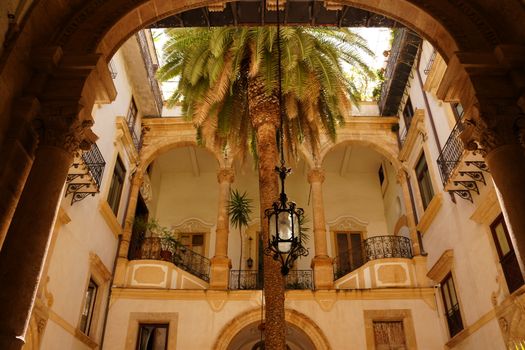
If you love the Gothic Quarter’s history but hate the polished, Disney-fied feel, Palermo is your sanctuary. It is a city of "shabby-chic" palazzos and North African-style souks.
The Street Food King
Palermo’s food scene rivals Boqueria Market but at a third of the price. The Ballarò Market is a sensory assault—vendors screaming their prices (the vuciata) and the smell of fried panelle (chickpea fritters).
Authenticity Note
Palermo isn't trying to please you. It’s loud, it’s messy, and it’s magnificent. The Teatro Massimo is a temple to opera that rivals any European stage, while the nearby side streets offer €2 Aperol Spritzes served on plastic tables.
---
5. Thessaloniki, Greece: The Culinary Underdog
Often overlooked for Athens or the islands, Thessaloniki is Greece’s cultural capital. It has a massive student population, giving it a nightlife energy that mirrors Barcelona’s Gràcia district.
The Waterfront & The Walls
The city’s waterfront is a five-kilometer social runway. At sunset, it feels like the entire city is out for a volta (stroll).
- The Hidden Gem: Head to the Ano Poli (Upper Town). It’s the only part of the city that survived the Great Fire of 1917. The streets are steep, Ottoman-era, and smell of wild oregano.
Quick Facts: The Logistics Table
| City | Vibe | Avg. Meal ($) | Best Time to Visit | "Next Barcelona" Factor | | :--- | :--- | :--- | :--- | :--- | | Valencia | Futuristic/Classic | $15–25 | March (Las Fallas) | Beach + Iconic Architecture | | Porto | Moody/Artistic | $12–20 | May–September | Riverfront + Tilework | | Marseille | Edgy/Vibrant | $20–35 | June or September | Port Culture + Modern Art | | Palermo | Raw/Historic | $10–18 | April–June | Street Food + Ancient Soul | | Thessaloniki | Youthful/Foodie | $12–22 | Sept–October | Nightlife + Byzantine History | | Bilbao | Industrial/Chic | $18–30 | May–July | The "Guggenheim" Effect |
---
6. Bilbao, Spain: The Northern Star
If you go to Barcelona for the art, you must go to Bilbao for the revolution. This Basque stronghold transformed from an industrial grey hub to a shimmering titanium titan.
The Pintxos Crawl
In Barcelona, you have tapas. In Bilbao, you have Pintxos. It’s a more elevated, communal way of eating.
- Pro-Tip: Head to Plaza Nueva in the Casco Viejo (Old Town) on a Sunday at noon. Join the "Txikiteo"—a pub crawl where you drink small glasses of wine (txakoli) and eat one specific pintxo at each bar.
---
The Verdict: Why Now?
The window for these "underrated" cities is closing. As remote work expands and travelers seek "slow travel" alternatives, the secret is leaking out. Porto is already seeing a surge, and Valencia was the European Green Capital of 2024.
The magic of these cities lies in their friction. They aren't perfectly polished for tourists yet. You might encounter a closed shop for a siesta, or a menu that isn't translated into five languages. Embrace it. That friction is exactly what's missing from the over-touristed streets of Barcelona.
How to get there: Most of these cities are served by major budget carriers (Ryanair, EasyJet) or high-speed rail. For the ultimate "Next Barcelona" tour, I recommend a multi-city rail pass through Spain and Southern France, hitting Valencia, Marseille, and ending in the Basque country.
---
More pictures



Tags
Share this guide
We may earn a commission if you click a link and buy a product or service, at no extra cost to you. How affiliate links work.
Been there?