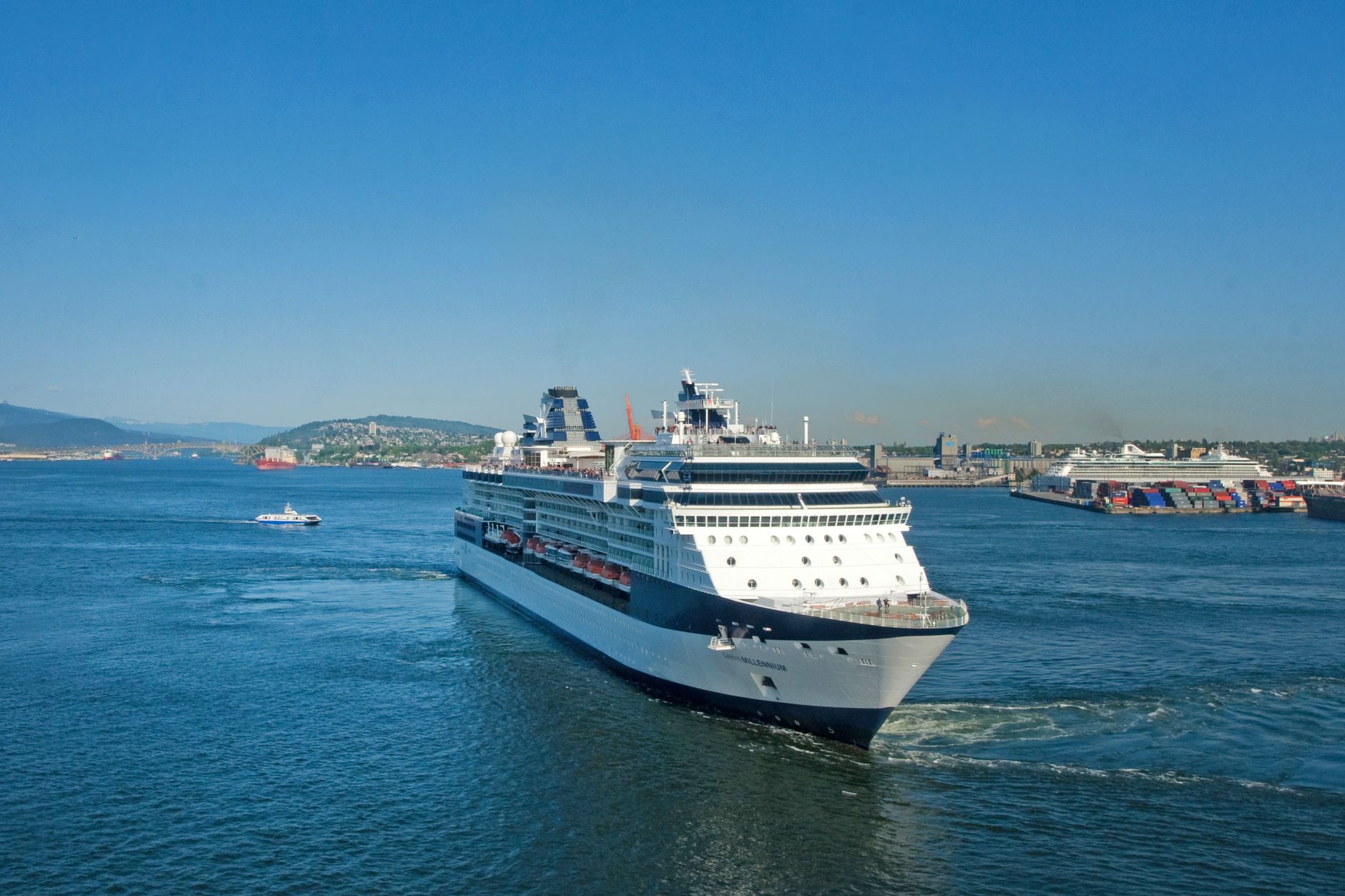
Tired of overcrowded ports and generic experiences? We've uncovered incredible destinations that are saying NO to mega-cruises and YES to authentic, thriving tourism. Get the insider scoop from experts on where to go for unforgettable adventures that benefit local communities and the planet!
The Hook: A Whisper of Authenticity Amidst the Roar of the Crowd
I stepped off the train in Cinque Terre, the salty tang of the Ligurian Sea kissing my face, mingling with the intoxicating aroma of basil and sun-baked stone. The vibrant, pastel-hued villages clung precariously to the cliffs, a postcard come to life. But as I navigated the impossibly narrow, winding paths, the sheer volume of people was overwhelming. The gentle murmur of Italian chatter was drowned out by a cacophony of selfie sticks clicking and tour guides shouting in a dozen languages. It was beautiful, undeniably so, but the authentic soul I craved felt… diluted. This was the paradox of popular destinations, and it sparked a question that would lead me down a fascinating rabbit hole: what happens when places decide to reclaim their essence?
The Cruise Ship Conundrum: When Popularity Becomes a Problem
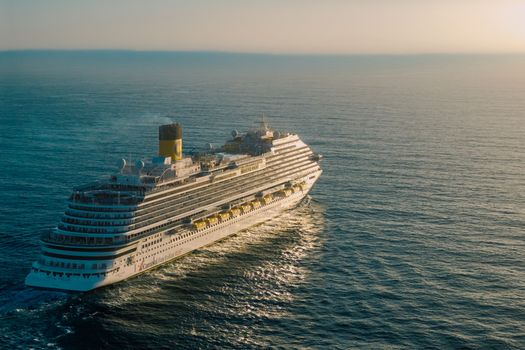
For decades, cruise ships have been the titans of mass tourism, promising a whirlwind tour of iconic destinations with minimal hassle. But this convenience came at a cost. The sheer scale of these floating cities meant an influx of thousands, sometimes tens of thousands, of visitors descending on a single port for a few hours. This overtourism phenomenon has strained local infrastructure, choked delicate ecosystems, and diluted the very authenticity that travelers seek. We’re talking about:
- Environmental Degradation: Massive wastewater discharge, air pollution from burning heavy fuel oil, and the physical impact of large vessels on fragile marine environments.
- Infrastructure Strain: Public transport overwhelmed, historic sites damaged by foot traffic, and local services stretched to their breaking point.
- Economic Imbalance: Cruise passengers often spend less in local economies, preferring onboard amenities or pre-packaged shore excursions, leaving little behind for small businesses.
- Loss of Local Culture: The unique character of a place can be overshadowed by the homogenizing effect of mass tourism, with souvenir shops and chain restaurants replacing local artisans and family-run trattorias.
Recognizing these profound impacts, a growing number of destinations have taken a bold step: they've started banning or severely restricting cruise ship arrivals. And the surprising result? Many are not just surviving; they're thriving, rediscovering their unique identities and fostering a more sustainable, enriching travel experience.
Destinations Reclaiming Their Charm: Expert-Recommended Havens
The narrative is shifting. Travelers are increasingly seeking deeper connections, more meaningful experiences, and a lighter footprint. Experts in sustainable tourism and seasoned globetrotters are pointing towards destinations that have embraced this shift. Here are a few shining examples:
1. Dubrovnik, Croatia: The Pearl of the Adriatic's Bold Move
Dubrovnik, the UNESCO World Heritage-listed jewel of the Adriatic, famously implemented strict measures to curb cruise ship numbers. Once overwhelmed by thousands of daily visitors, its ancient city walls are now breathing easier.
Why it's thriving:
- Preservation of Heritage: The reduction in foot traffic allows for a more intimate experience of the Old Town. You can actually hear the seagulls and the clip-clop of horse-drawn carriages without the roar of the masses.
- Focus on Quality Tourism: The city is now attracting travelers who are more invested in its history and culture, staying longer and spending more thoughtfully.
- Environmental Benefits: Reduced ship traffic means cleaner air and water, protecting the stunning coastline and marine life.
Pro-Tip: Explore the city walls at 7 AM to truly experience their grandeur before the day truly begins. Seek out the less crowded western entrance near the Pile Gate.
2. Venice, Italy: Navigating the Waters Towards a Sustainable Future
Venice has long grappled with the colossal impact of cruise ships, with the massive vessels sailing through its delicate lagoon posing significant environmental and aesthetic threats. After years of debate, large cruise ships are now largely banned from docking in the historic center.
Why it's thriving:
- Revitalized Lagoon Ecosystem: The ban is crucial for protecting the fragile lagoon, reducing erosion caused by ship wakes, and improving water quality.
- Enhanced Visitor Experience: Wandering through the labyrinthine calles and crossing charming bridges without the constant threat of large ships dominating the skyline offers a much more serene and authentic Venetian immersion.
- Support for Local Businesses: With fewer day-trippers, there's a greater emphasis on longer stays and supporting the shops and restaurants that are integral to Venetian life.
Insider Language: Instead of just "getting lost," embrace the Venetian art of "perdersi" – truly losing yourself in the back alleys, discovering hidden campi (squares) and artisan workshops.
3. The Balearic Islands, Spain: Island Sanctuaries Prioritizing Local Life
Mallorca, Menorca, Ibiza, and Formentera have all implemented measures to limit cruise ship arrivals, recognizing the strain on their beautiful, yet finite, natural resources and the desire to protect their unique island cultures.
Why it's thriving:
- Marine Conservation: Protecting the crystal-clear waters and vibrant marine life of the Balearics is paramount. Reduced ship traffic is vital for the health of the Posidonia meadows.
- Authentic Island Charm: Visitors are encouraged to explore beyond the main ports, discovering traditional villages, hidden coves, and the slower pace of island life.
- Sustainable Infrastructure: Focus is shifting towards investing in renewable energy and eco-friendly transportation for visitors.
Pro-Tip: Rent a scooter on Formentera and explore its pristine beaches. The "Platja de Ses Illetes" is breathtakingly beautiful, but venture further to discover quieter stretches of sand.
4. Amsterdam, Netherlands: A City's Commitment to Cleanliness and Character
Amsterdam has made significant moves to restrict large cruise ships from docking, aiming to reduce pollution and preserve the intimate charm of its canal-filled cityscape.
Why it's thriving:
- Cleaner Air and Water: Reducing the emissions from massive cruise ships directly benefits the city's air quality and the health of its iconic canals.
- Preservation of Cityscape: The visual impact of colossal ships is removed, allowing visitors to fully appreciate the delicate beauty of Amsterdam's historic architecture.
- Promoting Sustainable Transport: The city encourages visitors to explore by bicycle or canal boat, aligning with its own commitment to green mobility.
Insider Language: Skip the crowded canal tours and opt for a "private sloep" (small boat) experience. You can navigate the smaller canals, discover hidden courtyards, and even bring your own cheese and wine.
5. St. Lucia, Caribbean: A Gem Protecting its Volcanic Majesty
This stunning Caribbean island has also taken steps to manage cruise ship arrivals, understanding the delicate balance required to protect its lush rainforests, volcanic peaks (the Pitons!), and vibrant coral reefs.
Why it's thriving:
- Biodiversity Protection: Reducing the environmental impact of large vessels is crucial for safeguarding the island's rich biodiversity, both on land and underwater.
- Authentic Cultural Immersion: The focus shifts towards experiences that highlight St. Lucian culture, from its Creole cuisine to its vibrant music scene.
- Support for Eco-Tourism: The island is promoting eco-lodges, rainforest hikes, and diving excursions that benefit local communities and conservation efforts.
Pro-Tip: Hike the "Tet Paul Nature Trail" for unparalleled views of the Pitons without the strenuous climb of Gros Piton. Go in the late afternoon for the best light.
The Expert's Playbook: How to Travel Responsibly in a Post-Cruise World
So, how do you navigate these incredible destinations and ensure your travel footprint is as light as it is memorable? It’s all about embracing a more mindful approach.
Embracing Slow Travel
- Stay Longer: Instead of a whirlwind tour, commit to spending more time in a destination. This allows for deeper immersion and reduces the per-day impact.
- Choose Local Accommodations: Opt for boutique hotels, guesthouses, or even homestays. This directly supports local economies and offers a more authentic experience.
- Explore Beyond the Main Attractions: Venture into local neighborhoods, seek out smaller museums, and discover parks frequented by residents.
Supporting Local Economies
- Dine at Local Eateries: Seek out family-run restaurants, street food vendors, and markets. Ask locals for their recommendations – that’s where the real culinary gems are.
- Shop from Artisans: Instead of mass-produced souvenirs, look for handcrafted items from local artists and craftspeople.
- Utilize Local Transportation: Opt for public buses, trains, or even bicycles. It’s often more affordable and a fantastic way to see the local life unfold.
Minimizing Your Environmental Impact
- Reduce Plastic Usage: Carry a reusable water bottle, coffee cup, and shopping bag.
- Be Water and Energy Conscious: Conserve water and electricity in your accommodation.
- Respect Wildlife and Nature: Stay on designated trails, avoid feeding wild animals, and never touch coral reefs.
The Future of Travel: Authenticity Over Volume
The shift away from mass cruise tourism isn't just a trend; it's a fundamental evolution in how we, as travelers, want to experience the world. Destinations that were once defined by the sheer number of visitors are now rediscovering their unique stories, their vibrant cultures, and their precious natural beauty.
These places are proving that quality over quantity is the path to sustainable tourism. They are fostering genuine connections between visitors and locals, preserving their heritage for future generations, and demonstrating that true travel enrichment comes not from ticking off a list of sights, but from immersing oneself in the soul of a place.
So, the next time you dream of an escape, consider these destinations. They offer an invitation to explore with intention, to connect with authenticity, and to be part of a more responsible, rewarding travel future.
---
Quick Facts: Expert-Recommended Destinations
| Destination | Estimated Costs ($) | Best Time to Visit | How to Get There | Cruise Ship Status | | :------------------ | :------------------ | :----------------- | :---------------------------------------------------------------------------- | :------------------------------------------------------------------------------------------------------------- | | Dubrovnik, Croatia | $$ - $$$ | April-May, Sept-Oct | Fly into Dubrovnik Airport (DBV), train to nearby cities then ferry/bus. | Strict limits on numbers and size of ships allowed in port. | | Venice, Italy | $$$ | April-May, Sept-Oct | Fly into Venice Marco Polo Airport (VCE) or Treviso Airport (TSF). | Large cruise ships banned from the historic center and Giudecca Canal. Access via smaller canals or mainland. | | Balearic Islands | $$ - $$$ | May-June, Sept-Oct | Fly into Mallorca (PMI), Ibiza (IBZ), Menorca (MAH). Ferry services available. | Restrictions on cruise ship numbers and size, with a focus on sustainability. | | Amsterdam, N.L. | $$ - $$$ | April-May, Sept-Oct | Fly into Amsterdam Airport Schiphol (AMS). Excellent train connections. | Bans and restrictions on large cruise ships to reduce pollution and congestion. | | St. Lucia | $$ - $$$ | Nov-May | Fly into Hewanorra International Airport (UVF) or George F.L. Charles Airport (SLU). | Managing cruise ship arrivals to protect the environment and promote sustainable tourism. |
Note: Costs are indicative and can vary based on travel style and season.
---
More pictures

Tags
Share this guide
We may earn a commission if you click a link and buy a product or service, at no extra cost to you. How affiliate links work.
Been there?