
Forget crowded beaches and chilly ski slopes! We're revealing the world's best-kept secrets: stunning desert destinations that truly come alive in winter. Discover mild temperatures, clear skies, and landscapes so breathtaking, you'll wonder why you ever traveled any other way. ---
Winter Desert Escapes: The Secret Spots Locals Don't Share
I remember it like it was yesterday: the crisp, cool air biting at my cheeks, the sky a vast, inky canvas studded with a million diamonds, and the profound silence of the desert stretching out before me. It was January, and I was bundled up, sipping hot mint tea in a Bedouin camp in Oman, far from the sweltering heat and bustling crowds that define most desert adventures. That night, under the weight of an unpolluted galaxy, I realized something profound: winter is the desert’s true season.
We’ve all seen the postcard images: scorching sun, shimmering heat, endless dunes. But let me tell you, those images barely scratch the surface of the desert’s magic. For years, I chased summer sun, only to find myself battling heatstroke and throngs of tourists. Then, a whispered tip from a local guide changed everything. "Come in winter," he said, "when the desert breathes." And he was right.
Winter in the desert isn't about snow (mostly!), but about perfect, mild temperatures, crystal-clear air, and a tranquility that’s almost spiritual. It’s when the light is soft for photography, the hiking is invigorating, and the stargazing is simply unparalleled. It's when the true spirit of these ancient landscapes reveals itself, often to just a handful of fortunate travelers. These aren't your typical tourist traps; these are the places locals guard fiercely, the hidden gems where authentic experiences flourish. And today, I’m letting you in on the secret.
The Underrated Allure of Winter Deserts: Why Now Is the Time
Imagine hiking through dramatic canyons without breaking a sweat, exploring ancient petroglyphs under a gentle sun, or sipping coffee while watching the sunrise paint vibrant hues across the dunes – all without the oppressive heat or elbow-to-elbow crowds. This is the promise of winter desert travel.
Beyond the comfortable temperatures (often ranging from 50-70°F during the day), here's why winter is the desert's prime time:
- Unrivaled Stargazing: Cooler, drier air means clearer skies. Away from light pollution, the desert sky transforms into an astronomical marvel, a blanket of stars so dense it feels like you can reach out and touch them. Trust me, it’s a life-changing experience.
- Perfect Hiking Conditions: No more starting hikes at dawn just to beat the heat. Winter offers comfortable trekking all day long, allowing you to fully immerse yourself in the landscape.
- Wildlife Sightings: Many desert animals are more active during the cooler parts of the day in winter, increasing your chances of spotting unique flora and fauna.
- Fewer Crowds: This is the big one. While some well-known parks might still see visitors, the true hidden gems are blissfully quiet, offering a sense of solitude and discovery.
- Unique Light for Photography: The lower angle of the sun in winter creates long shadows and a softer, warmer light, perfect for capturing those Instagram-worthy shots.
So, pack your layers, grab your camera, and prepare to discover a side of the desert you never knew existed. Here are my top picks for winter desert destinations that locals wish would stay secret:
---
1. Anza-Borrego Desert State Park, California, USA: The Golden State's Wild Heart
Why it's a secret: Tucked away in Southern California, Anza-Borrego is often overshadowed by its flashier neighbors like Joshua Tree or Death Valley. But ask any seasoned California adventurer, and they'll tell you this park holds a special, untamed magic, especially in winter.
My first visit to Anza-Borrego was purely by chance, a detour from a crowded coastal trip. I was immediately struck by its raw, rugged beauty – a landscape of badlands, slot canyons, and vast open spaces. Unlike the more manicured national parks, Anza-Borrego feels truly wild and unexplored.
What to do:
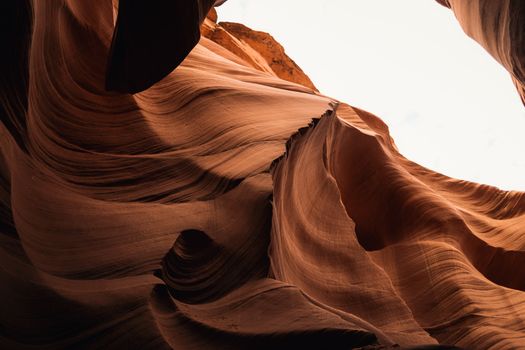
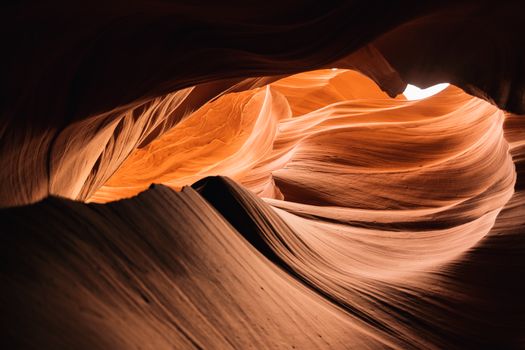
- Slot Canyon Adventures: Hike through narrow, winding slot canyons like The Slot. It's an exhilarating experience, squeezing through ancient geological formations. Pro-tip: Check weather forecasts for flash flood warnings before entering any slot canyon.
- Badlands Exploration: Drive or hike through the Borrego Badlands, a surreal landscape of mud hills and erosion features. Fonts Point offers a panoramic view that’s particularly stunning at sunrise or sunset.
- Stargazing: Anza-Borrego is an International Dark Sky Park. On a clear winter night, the Milky Way is a breathtaking spectacle.
- Desert Sculptures: Don't miss the metal sculptures of prehistoric animals and mythical creatures scattered around Borrego Springs – a quirky, delightful surprise!
Personal Anecdote: I once spent an entire day navigating the maze-like badlands near Pumpkin Patch, marveling at the perfectly spherical concretions. Later, while setting up my tent at a primitive campsite, a herd of bighorn sheep gracefully scaled a nearby ridge, their silhouettes stark against the twilight sky. It felt like I was the only person on Earth, witnessing a private show.
Practical Tips:
- Getting There: Located about a 2-hour drive east of San Diego. A 4x4 vehicle is highly recommended for exploring many of the park's more remote trails and washes.
- Lodging: Borrego Springs, the small town within the park, offers a few hotels and vacation rentals. Camping is popular, with both developed campgrounds and extensive primitive camping options (free with a self-registration system).
- Costs: Park entry is free, but camping fees apply for developed sites (around $20-35/night).
- What to Bring: Plenty of water (no potable water in many areas), sturdy hiking shoes, layers of clothing (days are mild, nights can be chilly), and a good map (cell service is spotty).
---
2. Big Bend National Park, Texas, USA: The Lone Star's Untamed Frontier
Why it's a secret: Big Bend is famously remote, often referred to as "Texas's Gift to the Nation." Its sheer size and isolation keep casual tourists at bay, making it a true haven for those seeking solitude and raw natural beauty, especially in the mild winter months.
My journey to Big Bend felt like stepping into a different country, even though I was still in the US. The drive itself is an adventure, passing through vast, empty landscapes. Once there, the park’s diversity astounded me: towering mountains, a winding river, and a rugged desert floor.
What to do:
- Chisos Mountains Hiking: Explore the "sky island" of the Chisos Mountains. Trails like the Lost Mine Trail or the more challenging Emory Peak Trail offer incredible views and a completely different ecosystem from the desert floor.
- Santa Elena Canyon: Kayak or raft through the majestic Santa Elena Canyon, where 1,500-foot limestone cliffs rise dramatically from the Rio Grande. Winter is perfect for this, as water levels are often ideal and the weather is pleasant.
- Hot Springs: Soak in the natural, historic hot springs along the Rio Grande – a perfect way to relax after a day of hiking.
- Stargazing: Big Bend boasts the least light pollution of any national park in the lower 48 states, making it a premier dark sky destination.
Personal Anecdote: One morning, I joined a small group for a sunrise hike to a secluded spot overlooking the Rio Grande. As the sun crept over the Mexican Sierra del Carmen, painting the river canyon in fiery hues, we spotted a javelina family scurrying across the desert floor. Later, I spent an afternoon kayaking a quiet stretch of the Rio Grande, the only sound the gentle dip of my paddle and the occasional call of a bird. It was pure, unadulterated peace.
Practical Tips:
- Getting There: Big Bend is truly remote. The closest major airports are El Paso (5 hours) or Midland (4 hours). Rent a sturdy vehicle, preferably an SUV, and fill up on gas before entering the park.
- Lodging: The Chisos Mountain Lodge is the only hotel within the park. Developed campgrounds are available, and backcountry permits allow for remote camping. Book well in advance, especially for winter.
- Costs: Park entry is $30 per vehicle for 7 days. Lodging at Chisos Mountain Lodge starts around $150-200/night. Camping is $14/night.
- What to Bring: All your supplies! There are very limited services within the park. Bring extra water, food, fuel, and be prepared for varying temperatures (it can get cold in the mountains).
---
3. Valley of Fire State Park, Nevada, USA: Vegas's Fiery Secret
Why it's a secret: Just an hour northeast of the glitz of Las Vegas, Valley of Fire is often overlooked by tourists rushing to the Grand Canyon or Zion. But for those in the know, this Nevada state park offers an equally stunning, more accessible, and far less crowded experience, especially in winter.
My first visit to Valley of Fire was a spontaneous day trip from Vegas. I expected a pleasant drive, but what I found was mind-blowing. The vibrant red sandstone formations, sculpted by wind and water, seemed to glow from within, especially under the soft winter light. It felt like stepping onto Mars.
What to do:
- The Fire Wave: This iconic, easy hike leads to a mesmerizing swirl of red and white sandstone, a photographer's dream.
- Elephant Rock: A natural arch resembling an elephant, easily accessible from the scenic loop road.
- Mouse's Tank Road/Petroglyph Canyon: Discover ancient Native American petroglyphs etched into the vibrant red rock walls.
- Scenic Drives: The Valley of Fire Scenic Byway and the Mouse's Tank Road offer breathtaking views and access to many trailheads and viewpoints.
Personal Anecdote: I remember arriving at the Fire Wave just as the sun began to dip below the horizon. The rocks seemed to ignite, shifting from deep crimson to fiery orange, then soft pinks and purples. It was so quiet I could hear the gentle rustle of the wind. I felt a profound connection to the ancient landscape, a stark contrast to the neon chaos of Vegas just an hour away. It was a truly "Instagram-worthy" moment, but more importantly, a soul-stirring one.
Practical Tips:
- Getting There: Easily accessible from Las Vegas, about an hour's drive north on I-15, then east on NV-169.
- Lodging: While there are two campgrounds within the park (first-come, first-served), most visitors stay in Las Vegas and make it a day trip.
- Costs: Park entry is $10 per vehicle for Nevada residents, $15 for non-residents.
- What to Bring: Water, comfortable shoes, and your camera! The park is well-marked and easy to navigate. Visit in the morning or late afternoon for the best light and fewer people.
---
4. Sharqiya Sands (Wahiba Sands), Oman: The Golden Heart of Arabia
Why it's a secret: While Oman is gaining traction as a tourist destination, the Sharqiya Sands (formerly Wahiba Sands) offers a more authentic and less commercialized desert experience compared to some of its North African counterparts. In winter, the temperatures are ideal, allowing for full immersion in Bedouin culture and the stunning dune landscape.
My first trip to Oman was a revelation. The country is incredibly welcoming, safe, and breathtakingly beautiful. The highlight was undoubtedly my time in the Sharqiya Sands. I had heard whispers of its golden dunes and traditional Bedouin hospitality, but nothing prepared me for the sheer scale and serenity of it.
What to do:
- Dune Bashing: An exhilarating ride over the towering dunes in a 4x4. Choose a reputable camp or tour operator.
- Bedouin Camp Stays: Spend a night or two in a traditional desert camp. This is where the magic happens – sharing traditional Omani coffee (qahwa) and dates, learning about Bedouin life, and enjoying local music.
- Camel Treks: Experience the desert at a slower pace on the back of a camel, watching the sunset paint the dunes in gold.
- Stargazing: Far from any city lights, the Sharqiya Sands offers an unforgettable celestial display.
Personal Anecdote: I spent two nights in a small, family-run Bedouin camp. One evening, after a delicious home-cooked meal, the camp owner, a wise old man with eyes that twinkled with stories, invited me to sit by the fire. He poured us fragrant mint tea, and we simply sat in silence for a long time, watching the flames dance and the stars emerge, one by one, until the sky was a glittering tapestry. He spoke little English, and I, little Arabic, but the connection was profound. It was a moment of pure, unadulterated desert peace.
Practical Tips:
- Getting There: Sharqiya Sands is about a 2-3 hour drive southeast of Muscat. You'll need a 4x4 vehicle to enter the dunes, or you can arrange pickup with your desert camp. Many tour operators offer packages from Muscat.
- Lodging: Numerous desert camps range from rustic to luxurious. I recommend a mid-range, locally owned camp for an authentic experience. Book in advance.
- Costs: A 1-night desert camp stay (including meals, dune bashing, and possibly a camel ride) can range from $100-$300+ per person, depending on the camp's amenities.
- What to Bring: Light layers for the day, warm layers for the night (it can get surprisingly cold!), a headscarf (for sun/dust and cultural respect), and a small backpack for excursions.
---
5. Kyzylkum Desert, Uzbekistan: The Silk Road's Sands of Time
Why it's a secret: Uzbekistan itself is a rising star in travel, but most visitors stick to the ancient Silk Road cities like Samarkand and Bukhara. The vast Kyzylkum Desert, however, offers a truly off-the-beaten-path experience, connecting you to the nomadic history of Central Asia in a way few other places can, especially beautiful in its stark winter beauty.
My journey to Uzbekistan was driven by a fascination with the Silk Road. While the bustling bazaars and intricate mosaics of the cities captivated me, it was the quiet expanse of the Kyzylkum that truly stole my heart. It felt like stepping back in time, into a land where ancient traditions still whispered on the wind.
What to do:
- Yurt Stays: Spend a night or two in a traditional Kazakh yurt camp. This is an absolute must-do for an authentic experience. Enjoy traditional meals, music, and the warmth of the fire.
- Aydarkul Lake: Visit this semi-artificial lake, a surprising turquoise oasis in the desert. In winter, it can be stunningly still and reflective.
- Camel Riding: Explore the dunes and steppe on the back of a camel, just as ancient traders did.
- Ancient Fortresses: Discover the ruins of ancient Khorezm fortresses (like Ayaz Kala), testaments to the region's rich history, often deserted and incredibly atmospheric in winter.
Personal Anecdote: I remember my first night in a Kyzylkum yurt camp. Outside, the desert wind howled softly, and the temperature dropped significantly. Inside, the yurt was surprisingly cozy, warmed by a central stove. We shared a simple but delicious dinner with my Uzbek hosts, their hospitality radiating warmth. Later, I stepped outside and was met with a silence so profound it felt like I was floating in space. The stars were unbelievably bright, and the cold, crisp air felt invigorating. It was a humbling experience, connecting me to centuries of nomadic life.
Practical Tips:
- Getting There: Most tours to the Kyzylkum Desert depart from Bukhara or Samarkand. It’s best to arrange transport and a yurt stay through a local tour operator.
- Lodging: Yurt camps are the primary accommodation. They are basic but comfortable, offering a unique cultural experience.
- Costs: A 1-2 night yurt stay, including transport, meals, and activities, can range from $80-$200 per person, depending on the operator and inclusions.
- What to Bring: Warm clothing (nights can be very cold, even if days are mild), sturdy shoes, a good camera, and an open mind! A phrasebook with basic Uzbek/Russian phrases can be helpful.
---
The Desert Awaits: Your Next Winter Adventure
The desert in winter is a revelation. It's a place of stark beauty, profound silence, and incredible discovery. These aren't just landscapes; they're experiences that challenge, inspire, and humble you. By choosing these less-traveled paths, you're not just taking a trip; you're embarking on an authentic adventure, uncovering secrets that locals cherish, and creating memories that will last a lifetime.
Remember to travel responsibly: respect local cultures, leave no trace, and support local businesses. The desert is a fragile ecosystem, and its magic depends on our care.
So, ditch the predictable, escape the crowds, and answer the call of the desert this winter. Which secret will you uncover first?
Call to Action: Have you discovered a hidden desert gem in winter? Share your stories and tips in the comments below! Don't forget to tag #TripsoraDesertSecrets on your Instagram adventures – we can't wait to see them!
---
More pictures

Tags
Share this guide
We may earn a commission if you click a link and buy a product or service, at no extra cost to you. How affiliate links work.
Been there?