
Tired of predictable winter escapes? Imagine swapping snowy streets for golden dunes and starlit skies. We're unveiling the world's most captivating, under-the-radar desert destinations perfect for a winter adventure – before the secret gets out and the crowds descend. ---
The Allure of the Winter Desert: Why Now Is the Time to Go
I remember my first winter desert trip like it was yesterday. I’d always pictured deserts as scorching, endless stretches of sand, best avoided in any season. But there I was, bundled in layers, watching the sunrise paint the dunes in hues of rose and gold, feeling a crisp, invigorating chill in the air. The silence was profound, broken only by the whisper of the wind and the crunch of my boots on the sand. It was utterly magical, completely unexpected, and a stark contrast to the dreary winter I'd left behind.
That trip fundamentally changed how I view winter travel. Forget the crowded ski resorts, the perpetually damp cities, or the overpriced tropical beaches. What if I told you the most magical, soul-stirstirring winter escape lies where you least expect it: the desert?
Winter, particularly from November to March, transforms many of the world's deserts into paradises of mild temperatures, clear skies, and breathtaking beauty. It’s the sweet spot when the searing summer heat has receded, but the tourist hordes haven't yet discovered these hidden oases. This is your golden ticket to experience the vastness, the ancient cultures, and the incredible stargazing of these landscapes in their prime, before they become mainstream.
I’ve scoured the globe, trekked through lesser-known territories, and spoken to countless locals to bring you a curated list of desert destinations that are not just perfect for winter, but are still delightfully off-the-beaten-path. These aren't just places to visit; they're experiences to savour, stories to tell, and memories to make that will set your travel stories apart. Trust me, you'll want to bookmark this one.
Let’s dive into these incredible winter desert gems!
AlUla, Saudi Arabia: Where Ancient History Meets Future Luxury
Imagine a place where ancient civilizations carved cities into sandstone cliffs, where lush oases have sustained life for millennia, and where the future of luxury travel is being meticulously crafted. That place is AlUla, Saudi Arabia, and winter is the time to experience it before the world truly catches on.
I first heard whispers about AlUla a few years ago, and my curiosity was instantly piqued. Visiting in January, the daytime temperatures hovered around a perfect 20-25°C (68-77°F), making exploration an absolute joy. Nights were cool and crisp, ideal for stargazing.
What makes it special: AlUla is an open-air museum. It's home to Hegra, Saudi Arabia’s first UNESCO World Heritage Site, with its monumental tombs carved by the Nabataeans (the same civilization behind Petra). Walking through Hegra, seeing the intricate facades, and feeling the sheer scale of the place was awe-inspiring. It felt like stepping back in time, with very few other visitors around. Beyond Hegra, you can explore the ancient city of Dadan, the capital of the Dadanite and Lihyanite kingdoms, and Jabal Ikmah, an 'open library' of thousands of ancient inscriptions.
But AlUla isn't just about history. It’s also a hub for art and nature. The Maraya Concert Hall, a gigantic mirrored cube reflecting the stunning desert landscape, is an architectural marvel. I spent an afternoon hiking through the canyons, marveling at the unique rock formations, and even tried some exhilarating ziplining.
Personal Anecdote: One evening, after a day of exploring, I found myself at a traditional Bedouin camp, sipping cardamom-spiced coffee under a sky so densely packed with stars it felt like a planetarium. Our guide pointed out constellations, sharing stories passed down through generations. It was a moment of profound connection to both the universe and the ancient land beneath my feet.
Practical Tips:
- Best Time: November to March for ideal temperatures.
- Accommodation: AlUla offers a range from glamping (e.g., Habitas AlUla, Our Habitas, Banyan Tree AlUla) to more traditional guesthouses. Expect prices to be on the higher side ($300-$1000+ USD/night for luxury resorts), but there are also more modest options emerging.
- Getting There: Fly into AlUla International Airport (ULH). Saudi Arabian Airlines and Flynas offer connections from major Saudi cities.
- Must-Do: Guided tour of Hegra, explore Dadan and Jabal Ikmah, stargazing experience, hike through the canyons, visit the AlUla Old Town.
- Instagrammable Moment: The mirrored Maraya Concert Hall reflecting the desert, the intricate facades of Hegra, sunrise over Elephant Rock.
Wahiba Sands (Sharqiyah Sands), Oman: An Authentic Bedouin Dream
If you dream of endless, undulating dunes, authentic Bedouin hospitality, and nights under a canopy of stars, then Wahiba Sands, Oman, should be at the top of your winter travel list. While Oman is steadily gaining recognition, Wahiba Sands still offers a remarkably untouched desert experience, especially compared to its more commercialized neighbors.
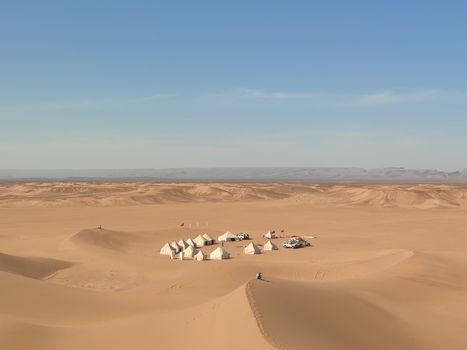
My first visit to Wahiba Sands in December was a revelation. The air was comfortably warm during the day, perfect for exploring, yet cooled down significantly at night, making campfires and cozy blankets essential. It was everything I'd imagined a desert safari to be, and more.
What makes it special: This vast expanse of desert is home to the indigenous Bedouin tribes, who have lived here for centuries. Staying in a desert camp isn't just about comfortable accommodation; it's an opportunity for cultural immersion. I spent an evening sharing gahwa (Omani coffee) and dates with a Bedouin family, listening to their stories of desert life, their deep connection to the land, and their fascinating traditions.
Activities abound: thrilling dune bashing in a 4x4, exhilarating camel rides at sunset, and the pure joy of sandboarding down towering dunes. But perhaps the most profound experience is simply sitting in silence, watching the sun dip below the horizon, painting the sky in fiery oranges and purples, followed by the emergence of a truly spectacular night sky. The lack of light pollution here is incredible, offering unparalleled stargazing opportunities.
Personal Anecdote: I remember one particular morning, climbing a massive dune before sunrise. The climb was tough, but the reward was indescribable. As the first rays of sun kissed the horizon, the desert came alive in a symphony of shifting colors, the shadows dancing across the sand. It felt like I was witnessing the birth of the world, alone in an ocean of sand.
Practical Tips:
- Best Time: October to April for mild temperatures. December-February is prime.
- Accommodation: Several established desert camps offer varying levels of comfort, from basic tents to luxurious 'glamping' options. Popular choices include Desert Nights Camp ($200-400 USD/night) and 1000 Nights Camp ($150-350 USD/night), which often include meals and some activities.
- Getting There: Most tours depart from Muscat (a 2-3 hour drive) or Sur. You'll need a 4x4, or arrange transport with your camp, as regular cars cannot navigate the dunes.
- Must-Do: Dune bashing, camel ride, stargazing, visit a Bedouin family, watch sunrise/sunset from a high dune.
- Instagrammable Moment: Silhouettes of camels against a sunset, the intricate patterns of wind-swept sand, a panoramic shot from the top of a dune.
The White Desert, Egypt: A Surreal Landscape Beyond Imagination
Forget the pyramids for a moment. Deep in the Western Desert of Egypt lies a landscape so utterly alien and captivating, it feels like you've landed on another planet. The White Desert National Park, near the Farafra Oasis, is a geological wonderland, and winter is the only sensible time to explore its surreal beauty.
I visited the White Desert in March, and the daytime temperatures were perfect for hiking and exploring the unique formations. The nights were cool, but not uncomfortably cold, making camping under the stars an unforgettable experience.
What makes it special: Imagine a vast, chalk-white expanse dotted with colossal, mushroom-shaped rock formations, 'ice cream cones,' and 'chicken and tree' sculptures, all naturally sculpted by wind and sand over millennia. These dazzling white formations, contrasting with the pale yellow sand, create a truly ethereal landscape that shifts and changes with the light.
A typical trip involves a 4x4 safari from the Bahariya Oasis, passing through the Black Desert (a stark contrast with its volcanic hills) and Crystal Mountain before reaching the White Desert. The highlight is camping overnight. Our Bedouin guide prepared a delicious campfire dinner, and we spent the evening around the fire, sharing stories and gazing at the incredibly clear night sky. Waking up to the first light hitting the chalk formations, casting long, dramatic shadows, was like something out of a dream.
Personal Anecdote: I remember one moment, wandering away from our camp just a little, and finding myself completely surrounded by these ghostly white giants. The silence was absolute, the air still and cool. It felt like being in a gallery of nature's finest sculptures, each one telling a silent story of time and erosion. It was humbling and utterly mesmerizing.
Practical Tips:
- Best Time: October to April. December-February offers the coolest and most pleasant temperatures.
- Accommodation: Primarily camping within the White Desert National Park. Tours usually include tents, sleeping bags, and meals. Prices for a 2-day/1-night tour from Bahariya Oasis range from $100-$200 USD per person, including transport, guide, food, and camping gear.
- Getting There: Most tours start from Bahariya Oasis, which is about a 4-hour drive from Cairo. You’ll need to arrange a tour with a local operator who provides 4x4 vehicles and guides, as independent travel is not permitted within the park.
- Must-Do: 4x4 safari through Black Desert and Crystal Mountain, overnight camping in the White Desert, stargazing, exploring the unique rock formations.
- Instagrammable Moment: The iconic 'mushroom' rocks, panoramic shots of the white landscape at sunset or sunrise, your tent under a sky full of stars.
Anza-Borrego Desert State Park, USA: California's Starry Secret
For those seeking a desert escape closer to home in North America, but still craving an authentic, uncrowded experience, Anza-Borrego Desert State Park in Southern California is an absolute gem. Often overshadowed by its more famous sibling, Joshua Tree, Anza-Borrego offers a different kind of desert magic, and winter is its peak season.
I made a spontaneous trip to Anza-Borrego in February, hoping to catch the tail end of potential wildflowers (though that's usually later in spring). What I found was a vast, rugged landscape, surprisingly green in places, and skies that truly lived up to its Dark Sky Community status. The daytime temperatures were a comfortable 18-24°C (65-75°F), perfect for hiking, while nights dipped into the cool 5-10°C (40-50°F) range, ideal for campfires.
What makes it special: Anza-Borrego is California's largest state park, offering incredible diversity: slot canyons, badlands, palm oases, and expansive vistas. It’s a haven for hikers, off-road enthusiasts, and stargazers. I spent a thrilling morning navigating the narrow, sculpted walls of a slot canyon, feeling like an adventurer discovering a hidden world. The park is also famous for its metal sculptures by Ricardo Breceda, depicting prehistoric creatures and fantastical beasts, scattered throughout the Borrego Springs area – a quirky and fun scavenger hunt!
As an International Dark Sky Park, Anza-Borrego offers some of the best stargazing in the continental US. On a moonless night, the Milky Way is clearly visible, stretching across the sky in a breathtaking arc. It’s a truly humbling experience, reminding you of your place in the vast cosmos.
Personal Anecdote: One night, I laid out a blanket in an open area, far from any artificial light. The sky exploded with stars, more than I'd ever seen. I even spotted a few shooting stars. The silence was profound, only punctuated by the occasional howl of a coyote in the distance. It was a moment of pure, unadulterated wonder, making me feel utterly connected to the raw beauty of the desert.
Practical Tips:
- Best Time: November to April. Winter offers pleasant temperatures for hiking and excellent stargazing conditions.
- Accommodation: Camping is popular, with both developed campgrounds (e.g., Borrego Palm Canyon Campground, $25-35 USD/night) and primitive backcountry camping options. Borrego Springs, the town within the park, also offers hotels and vacation rentals ($100-300+ USD/night).
- Getting There: Drive from San Diego (2 hours), Palm Springs (1.5 hours), or Los Angeles (3 hours). A 4x4 is recommended for exploring some of the more remote areas, but many main attractions are accessible by regular vehicles.
- Must-Do: Hike a slot canyon (e.g., The Slot, Ladder Canyon), visit Borrego Palm Canyon for an oasis hike, explore the Ricardo Breceda sculptures, go stargazing.
- Instagrammable Moment: The dramatic light and shadow in a slot canyon, a wide-angle shot of the night sky, a quirky selfie with one of the metal sculptures.
Thar Desert, India: A Kaleidoscope of Culture and Sand
When you think of India, bustling cities and lush landscapes might come to mind, but the majestic Thar Desert in Rajasthan offers a completely different, vibrant, and utterly captivating experience. While parts of the Thar near Jaisalmer can see tourists, venturing to more remote camps and villages allows for an authentic winter desert immersion that's still "before mainstream."
My journey to the Thar in January was a sensory explosion. The air was cool and dry, a welcome respite from other parts of India. Days were sunny and warm enough for light layers, while evenings brought a delightful chill, perfect for sitting around a bonfire.
What makes it special: The Thar isn't just sand; it's a living desert, rich in culture, history, and vibrant traditions. Staying in a remote desert camp, often run by local communities near villages like Osian or deeper into the desert from Jaisalmer, offers an unparalleled cultural experience. You'll witness traditional folk music and dance performances, taste authentic Rajasthani cuisine prepared over open fires, and interact with the local communities who have adapted to life in this harsh but beautiful environment.
Camel safaris here are not just a tourist activity; they're a way of life. Trekking across the dunes on camelback, visiting remote villages, and watching the sunset paint the vast expanse of sand is an unforgettable experience. The villages themselves are a riot of color, with women in bright saris and men in turbans, their houses adorned with intricate mud art.
Personal Anecdote: One evening, after a long camel ride, we arrived at a small, temporary camp. As the stars began to emerge, a group of local musicians started playing haunting melodies on their instruments, their voices weaving tales of love and legend. The fire crackled, the aroma of spices filled the air, and I felt completely transported, a world away from everything. It was a moment of pure, unadulterated joy and cultural connection.
Practical Tips:
- Best Time: October to March. January and February offer the most pleasant daytime temperatures and cool nights.
- Accommodation: Remote desert camps (e.g., Manvar Resort and Desert Camp near Osian, or various luxury tented camps deeper into the Thar from Jaisalmer). Prices vary widely from $50-$300+ USD/night, often including meals and activities.
- Getting There: Fly into Jodhpur (JDH) or Jaisalmer (JSA). From there, arrange a private transfer or tour with your chosen desert camp.
- Must-Do: Camel safari, traditional folk music and dance performance, visit a local village, stargazing, enjoy authentic Rajasthani food.
- Instagrammable Moment: Vibrant colors of traditional Rajasthani attire against the golden dunes, a camel caravan silhouetted at sunset, the intricate details of village life.
Essential Tips for Your Off-Peak Desert Adventure
Venturing into these less-traveled desert destinations requires a bit of preparation, but the rewards are immense. Here are my top tips to ensure your winter desert trip is seamless and spectacular:
- Layers are Your Best Friend: Desert temperatures can swing dramatically. Expect warm, sunny days (t-shirt and light jacket weather) and surprisingly cold nights (think fleece, down jacket, and warm hat). Pack versatile layers that you can easily add or remove.
- Sun Protection is Non-Negotiable: Even in winter, the desert sun is intense. Wide-brimmed hats, sunglasses, high-SPF sunscreen, and lightweight, long-sleeved clothing are crucial to protect yourself.
- Hydrate, Hydrate, Hydrate: Always carry more water than you think you'll need. Dehydration can sneak up on you in the dry desert air.
- Footwear Matters: Sturdy, comfortable closed-toe shoes are essential for walking on uneven terrain, sand, and rocks. Hiking boots are ideal.
- Embrace the Dark Sky: Most desert destinations offer incredible stargazing. Download a stargazing app, bring a small red-light headlamp (to preserve night vision), and simply lie back and look up.
- Respect Local Culture & Environment: These are often fragile ecosystems and traditional communities. Be mindful of local customs, dress respectfully, and always practice Leave No Trace principles. Support local guides and businesses.
- Power Up: Remote areas mean limited electricity. Bring portable power banks for your phone and camera gear.
- Camera Gear: A good camera is a must! Wide-angle lenses for landscapes, a telephoto for wildlife (if applicable), and a tripod for stunning night sky photography. Don't forget extra batteries!
- Book Ahead (Especially for Unique Stays): While these are 'before mainstream,' unique desert camps and experiences can still book up, especially during peak winter months. Secure your spot in advance.
- Go with a Local Guide: For many of these destinations, a local guide is not just recommended but often essential for navigation, safety, and enriching your cultural understanding.
Your Desert Dream Awaits: Don't Miss Out!
The desert in winter is a place of profound beauty, quiet contemplation, and thrilling adventure. It offers a chance to disconnect from the noise of modern life and reconnect with ancient rhythms, vast landscapes, and cultures that thrive in harmony with their environment.
These destinations – AlUla, Wahiba Sands, the White Desert, Anza-Borrego, and the Thar – represent a unique opportunity to experience the magic of winter desert travel before the rest of the world catches on. They are places where history whispers on the wind, where stars shine brighter than you ever imagined, and where every sunrise feels like a personal gift.
Don't just dream about an escape; plan your adventure. The allure of the winter desert is calling, promising an experience that will stay with you long after the sand has left your shoes.
Which of these incredible desert destinations is calling your name? Share your winter desert dreams with us in the comments below, and start planning your escape today!
---
More pictures

Tags
Share this guide
We may earn a commission if you click a link and buy a product or service, at no extra cost to you. How affiliate links work.
Been there?