
Remember those agonizing hours spent queuing at customs, watching your precious travel time slip away? I used to, until I uncovered a set of game-changing border hacks that have literally saved me *days* of waiting. Get ready to transform your travel experience and breeze through immigration like a seasoned pro.
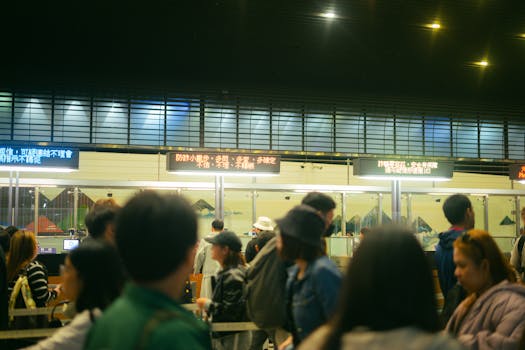
I remember standing in line at JFK's Terminal 4, my feet aching, my eyes gritty from an overnight flight from Athens. The digital clock above the customs hall entrance mocked me: Estimated Wait Time: 120 minutes. Two hours. Two precious hours of my life, gone, just to re-enter my own country. I watched families with screaming toddlers, solo backpackers looking utterly defeated, and business travelers frantically checking their watches, their faces etched with the stress of missed connections. That day, something in me snapped. I swore I would never again let border control steal my valuable travel time. And guess what? I haven't. Not since I started implementing a series of 'customs tricks' that have, quite literally, changed my life forever.
For years, border crossings were my travel nightmare. The anxiety of the unknown, the endless queues, the stern faces of immigration officers – it all chipped away at the joy of arrival. But after countless trips across continents, I've cracked the code. These aren't just "tips"; they're strategic maneuvers, born from trial and error, observation, and a deep-seated desire to maximize every single minute of my adventure. If you're tired of being a prisoner of the queue, then pull up a chair, because these are the customs tricks that changed my life forever, and they're about to change yours too.
---
1. The Golden Ticket: Trusted Traveler Programs & E-Visas (Pre-Approval is Power!)
This is, without a doubt, the single most impactful trick in my arsenal. The concept is simple: get approved before you even set foot at the border.
My Personal Savior: Global Entry As a U.S. citizen, applying for Global Entry was the best travel investment I've ever made. For $100, valid for five years, you get expedited customs clearance when re-entering the U.S. You apply online, undergo a background check, and then have a brief interview at an enrollment center. The day I got my approval, I felt like I'd won the travel lottery.
Anecdote: Picture this: I landed at Los Angeles International Airport (LAX) after a grueling 15-hour flight from Sydney. The main customs hall was a sea of weary faces, with lines snaking for what looked like miles. My friend, who was on the same flight, groaned, "Well, there goes two hours of our lives." I, however, calmly walked past the throngs, found the Global Entry kiosks, scanned my passport and fingerprints, and was through in less than five minutes. I was waiting for my friend at baggage claim, sipping a coffee, before she even made it halfway through the traditional line. That feeling of effortless passage? Priceless.
Beyond the U.S.: ETIAS, eTA, and E-Visas The concept of pre-approval isn't just for U.S. citizens. Many countries are adopting similar systems:
- ETIAS (European Travel Information and Authorisation System): Soon, travelers from visa-exempt countries will need to apply for ETIAS before visiting the Schengen Area (Europe). It's not a visa, but a pre-travel authorization, much like...
- Canada's eTA (Electronic Travel Authorization): Required for most visa-exempt foreign nationals flying to or transiting through Canada.
- Australia's ETA (Electronic Travel Authority): Similar to Canada's, allowing eligible passport holders to visit Australia for tourism or business.
- E-Visas: Countries like India, Vietnam, Cambodia, Sri Lanka, and Turkey have embraced online visa applications. No more trekking to embassies or mailing off your passport!
Anecdote: I once needed a visa for Vietnam while backpacking through Southeast Asia. Instead of finding an embassy in Laos and waiting days, I applied for an e-Visa online from a cafe in Luang Prabang. Within 48 hours, my approval letter was in my inbox. Printing it out and presenting it at Da Nang International Airport was a breeze, while others filled out lengthy forms on arrival.
Actionable Advice:
- Research: Before any international trip, check if your destination offers pre-approval programs, e-visas, or travel authorizations that apply to your nationality.
- Apply Early: Don't leave it to the last minute! Processing times can vary from minutes to weeks.
- Keep Copies: Always have a digital copy (on your phone, cloud) and a physical printout of your approval.
---
2. Your Digital & Physical Command Center: Document Mastery (Organization is Your Superpower!)
Nothing screams "delay me" more than fumbling through a messy bag for your passport. Being organized isn't just neat; it's a strategic move.
The Essential Arsenal: Beyond your passport, you'll often need:
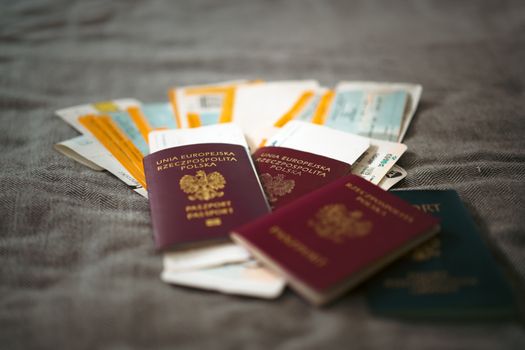
- Visas (physical or printed e-visa confirmations)
- Onward/return flight tickets
- Hotel bookings (especially for initial entry)
- Travel insurance details
- A copy of your itinerary
- Yellow Fever vaccination certificate (for certain regions like parts of Africa or South America)
Digital Backups are Non-Negotiable:
- Cloud Storage: Upload scans or photos of your passport, visas, and important documents to Google Drive, Dropbox, or a similar service.
- Email Yourself: Send copies to your own email address.
- Phone Photos: Keep photos of key documents on your phone (but remember, a dead battery is a real threat!).
Anecdote: During a particularly chaotic border crossing from Thailand into Laos, my phone decided to die. Completely. Luckily, I had a small, waterproof document wallet with printouts of my e-visa, hotel booking, and onward bus ticket. While others around me frantically tried to charge their phones or find Wi-Fi, I calmly presented my physical copies and breezed through. Lesson learned: technology fails, paper prevails.
The Physical Folder/Wallet: Invest in a slim, easily accessible document wallet. Mine is bright orange, so it's impossible to lose in my bag. It holds my passport, printed visas, and any customs declaration forms I might need to fill out.
Game-Changer App: Mobile Passport Control (for U.S. Entry) For U.S. citizens and permanent residents, the Mobile Passport Control (MPC) app is a dream. You fill out your customs declaration and answer questions before you even land. Snap a selfie, submit, and you get a QR code. Then, you head to a dedicated MPC line (often shorter than Global Entry, believe it or not!).
Anecdote: Landing at Miami International Airport (MIA) during peak spring break season can be brutal. The lines were insane. I'd forgotten to use my Global Entry, but remembered the MPC app. I quickly filled it out, got my QR code, and was directed to a line that had maybe three people in it. I was out of the airport before my luggage even hit the carousel. It felt like cheating!
Actionable Advice:
- Create a Checklist: Before every trip, make a list of required documents and tick them off.
- Dedicated Wallet: Keep all travel documents in one specific, easily accessible, and waterproof pouch.
- Digital + Physical: Always have both. Don't rely solely on your phone.
- Download Apps: If available for your destination (or home country), download and set up relevant apps before you leave.
---
3. The Declaration Dilemma: Honesty is Your Best Policy (and Fastest!)
Navigating customs declarations can feel like walking a tightrope. But here’s the secret: honesty and preparedness are your fastest route through.
Know Before You Go: Research is Key Every country has different rules about what can and cannot be brought in, and what needs to be declared. This is especially true for:
- Food Items: Fresh fruits, vegetables, meat, dairy, and even certain packaged snacks are often restricted or prohibited. Australia and New Zealand are notoriously strict.
- Currency: Most countries have limits on how much cash you can bring in or out (typically around $10,000 USD equivalent). Anything over that must be declared.
- Medications: Prescription drugs, especially controlled substances, often require a doctor's note and must be in their original packaging. Research your destination's rules carefully.
- High-Value Items: New electronics, expensive jewelry, or art might need to be declared, especially if you plan to sell them or if they exceed duty-free allowances.
Anecdote: I once witnessed a traveler at Sydney Airport get a hefty fine because a sniffer dog found a single undeclared apple in their backpack. The traveler genuinely forgot about it, but ignorance is not an excuse at the border. The officer was polite but firm, and the fine was significant. It was a stark reminder that even seemingly innocent items can cause major delays and penalties.
The "Nothing to Declare" Line: If you genuinely have nothing to declare, use this line confidently. Don't try to sneak something through, even if it feels minor. Customs officers are trained to spot suspicious behavior, and getting caught will lead to lengthy delays, fines, or even confiscation.
Actionable Advice:
- Read the Form: When you get your customs declaration form on the plane, read every single question carefully.
- When in Doubt, Declare It: It's always better to declare an item and have an officer tell you it's fine than to hide it and get caught.
- Be Prepared to Explain: If you're declaring something, have receipts, doctor's notes, or clear explanations ready.
- Empty Your Pockets/Bag: Before landing, do a quick check of your carry-on for any stray food items.
---
4. The Art of the Approach: Etiquette, Demeanor & Line Strategy (Mastering the Human Element)
While technology and documents are crucial, the human interaction at the border is equally important. How you present yourself can significantly impact your experience.
Politeness Pays Dividends: A genuine smile, a polite "hello" and "thank you" (even in the local language, if you know it) can go a long way. Customs officers deal with hundreds of travelers daily, many of whom are stressed or rude. Being courteous makes you stand out positively.
Demeanor Matters:
- Confident and Calm: Stand tall, make eye contact, and answer questions clearly and concisely. Avoid fidgeting, looking shifty, or acting overly nervous.
- Be Prepared: Have your passport open to the photo page. Don't be rummaging for it when it's your turn.
- No Phones: Put your phone away. Don't be talking, texting, or scrolling while at the counter. It signals disrespect and distraction.
Anecdote: I was once in a notoriously slow line at Charles de Gaulle (CDG) in Paris. The officer was visibly frustrated with a traveler ahead of me who was arguing about why they needed a specific stamp. When it was my turn, I simply offered a polite "Bonjour," handed over my passport, and answered his questions in clear, short sentences. He barely glanced at my face, stamped my passport, and said "Merci, au revoir" with a hint of a smile. The whole interaction took less than 30 seconds.
Strategic Line Selection: This is pure observation and often a bit of luck, but you can improve your odds:
- Observe All Lines: Don't just pick the shortest one. Watch how fast each line is moving. Sometimes the "residents" line is longer but processes faster. Sometimes the "goods to declare" line is surprisingly empty.
- Avoid Tour Groups: If you see a massive tour group ahead of you, try to find another line. They often move slower due to group processing or language barriers.
- Families vs. Individuals: Sometimes lines for families move slower, but sometimes they have dedicated, faster processing. Gauge the situation.
- Look for the "Efficient" Officer: If you can, try to get into a line with an officer who seems to be working quickly and efficiently, rather than one who is chatting or taking their time.
Actionable Advice:
- Practice Your Answers: Be ready to state your purpose of visit, length of stay, and where you're staying.
- Dress Appropriately: While not a strict rule, looking presentable (neat, tidy) can sometimes help. Avoid overly casual or provocative attire.
- Be Patient: Don't complain or show frustration. It won't speed things up and might even slow them down.
---
5. Pack Like a Pro: Avoiding Red Flags in Your Luggage (The Art of the Uninterrupted Flow)
Your packing choices can either glide you through security and customs or land you in a secondary inspection. Smart packing is preventative medicine for border delays.
Liquids, Gels, & Aerosols (LGA): The 3-1-1 Rule This is old news for frequent flyers, but it still trips people up. For carry-on luggage:
- 3.4 ounces (100 milliliters) or less per container.
- All containers must fit in one quart-sized, clear, resealable bag.
- One bag per passenger.
Medications, baby formula, and breast milk are typically exempt but may require declaration and separate screening.
Prohibited Items: Know Your Limits! This goes beyond the obvious weapons. Every country and airline has a list:
- Drones: Some countries (like Morocco, Iran, Cuba) have strict regulations or outright bans on drones. Research before you pack.
- Certain Medications: As mentioned, double-check if your prescription drugs are allowed.
- Specific Electronics/Batteries: Large power banks, certain types of lithium-ion batteries, or even specific electronic devices might be restricted or require special handling.
- Agricultural Items: Seeds, plants, soil, and even some wooden souvenirs can be problematic.
Anecdote: My friend, an avid drone photographer, almost had his expensive drone confiscated at Casablanca Airport in Morocco. He hadn't realized Morocco had a strict ban on drones for personal use. After a lengthy discussion and a lot of paperwork, it was stored at the airport for his departure, but it meant he couldn't use it for his entire trip and had a stressful entry.
Duty-Free Allowances: Buying duty-free alcohol or tobacco? Fantastic. But know your limits for each country. Exceeding them means you'll pay duties, and you might get flagged for a secondary inspection. Don't assume "duty-free" means "unlimited."
Actionable Advice:
- Clear Bags for Liquids: Always have your clear, quart-sized bag ready to pull out at security.
- Check Airline & Country Specific Rules: Before packing, do a quick search for "prohibited items [destination country]" and "TSA carry-on rules" (or your local equivalent).
- Original Packaging for Meds: Keep prescription medications in their original containers with your name on them.
- Declare High-Value Items: If you're bringing in something expensive that might look like it's for resale, have your receipt ready.
---
6. Smooth Exits & Seamless Departures: The Final Frontier (Don't Trip at the Finish Line!)
The journey isn't over until you've successfully departed. There are specific tricks to ensure your exit is as smooth as your entry.
VAT/Tax Refunds: Get Your Money Back! If you've splurged on tax-free shopping, make sure you get your Value Added Tax (VAT) or Goods and Services Tax (GST) refund.
- Process: This usually involves showing your purchases (often unused and in their original packaging), receipts, and passport at a designated customs counter before you check your luggage.
- Location: These counters are typically before security but after check-in. Find them on the airport map in advance.
- Time: Allocate extra time at the airport for this. Lines can be long, and the process can be slow.
Anecdote: I bought a gorgeous Italian leather jacket in Rome, and the shop gave me the VAT refund paperwork. At Rome Fiumicino (FCO) Airport, I arrived a good three hours early for my flight. I found the tax refund office, joined a short queue, presented my jacket and receipts, got the official stamp, and then deposited the forms into a nearby mailbox. A few weeks later, the refund appeared on my credit card. It felt like I'd found free money, all because I knew the process!
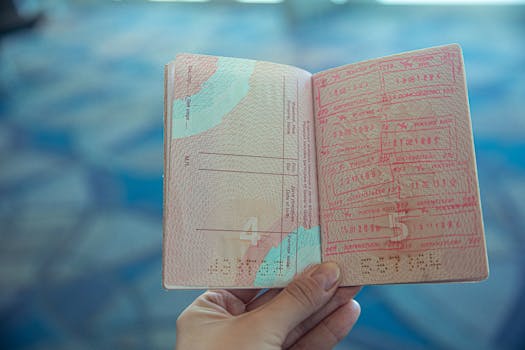
Exit Stamps & Departure Procedures: Some countries require an exit stamp from immigration upon departure, or a specific departure card. Ensure you follow these procedures to avoid issues on future visits or complications with visa overstays. Always double-check your passport for an exit stamp if it's customary for that country.
Airport Arrival Time: Be Generous For international departures, especially from major hubs or during peak season, always give yourself more time than you think you need. This accounts for:
- Long check-in lines (even if you've checked in online, you might need to drop bags).
- VAT refund processing.
- Security queues.
- Unexpected delays.
Actionable Advice:
- Keep Receipts Organized: Keep all tax-free shopping receipts and forms in your document wallet.
- Locate Refund Counters: Check the airport's website or app for the exact location of tax refund offices.
- Allow Extra Time: Add at least 30-60 minutes to your usual airport arrival time if you plan to claim tax refunds.
- Verify Exit Requirements: Confirm if your destination country has specific exit procedures or forms.
---
From the bustling terminals of Tokyo Narita to the serene landscapes of New Zealand, these customs tricks have been my secret weapon. They've given me back countless hours, reduced my travel stress, and allowed me to spend more time exploring, relaxing, and making memories – exactly what travel should be about. No more dreading the border; instead, I approach it with confidence and efficiency. You can too.
Which of these tricks will you try first on your next adventure? Do you have a game-changing border hack of your own that you swear by? Share your wisdom in the comments below, and let's help each other make every journey smoother, faster, and more enjoyable. Don't forget to bookmark this post and share it with your fellow wanderlusters! Happy travels, and may your border crossings always be breezy!
More pictures
Tags
Share this guide
We may earn a commission if you click a link and buy a product or service, at no extra cost to you. How affiliate links work.
Been there?