
Forget the usual suspects! We've scouted the globe for countries *officially* leveling up their infrastructure in February 2026. Think seamless travel, mind-blowing connectivity, and cities built for tomorrow. Get ahead of the curve and book your next epic adventure before everyone else does!
The Future is Now: Stepping into Tomorrow’s Destinations
I stepped off the ultra-modern, whisper-quiet magnetic levitation train and into the crisp February air, the scent of blooming jasmine mingling with the faint, clean aroma of newly laid concrete. The hum of activity wasn't chaotic, but a symphony of progress: cranes gracefully sketching the sky, smart streetlights casting an even glow, and the distant, cheerful chatter of locals navigating a city clearly on the cusp of something extraordinary. This wasn't just a destination; it was a living testament to rapid, visionary development. And in February 2026, this feeling of stepping into the future is palpable in a select few countries.
For too long, we've chased the well-trodden paths, the places that have "arrived." But the real thrill, the true edge in travel, lies in spotting the diamonds in the rough as they're being polished. This guide is your backstage pass to the countries that are not just improving their infrastructure, but are revolutionizing it, setting the stage for an unparalleled travel experience in the coming year. We're talking about places where investment is flowing, innovation is booming, and the very fabric of their cities and transport networks is being reimagined.
H2: The Rise of the Connectivity Kings: Singapore & South Korea
These two Asian powerhouses have long been at the forefront of technological advancement, and in February 2026, their infrastructure is reaching new stratospheric heights. They’re not just building; they’re weaving a seamless digital and physical tapestry that will redefine urban living and travel.
H3: Singapore: The Smart City Perfected
Stepping into Singapore is like walking onto a meticulously designed film set, but it’s real, and it's constantly evolving. In February 2026, Singapore is showcasing its latest advancements in urban mobility and sustainable living.
The Future of Transit is Here: Singapore has been a pioneer in integrated transport systems, and this year sees the further expansion of its autonomous vehicle (AV) trials in more public areas, alongside enhanced smart traffic management systems that predict and alleviate congestion before it even forms. The MRT system, already world-class, is seeing further AI-driven optimization for passenger flow and predictive maintenance, meaning fewer delays and a smoother commute.
Green Corridors and Vertical Forests: Beyond the concrete and steel, Singapore’s commitment to green infrastructure is more prominent than ever. Expect to see newly completed biodomes and vertical farms integrated into urban landscapes, not just for aesthetics but as integral parts of the city’s food security and air purification efforts. The park connector network is expanding, creating more car-free zones and pedestrian-friendly pathways, making exploring on foot or by bike an absolute joy.
Pro-Tip: Take advantage of Singapore’s “Green Pass” initiative (beta launch in select districts February 2026) for discounted entry to eco-attractions and free access to electric bike rentals. Look for the vibrant emerald QR codes at designated hubs.
Quick Facts: Singapore
| Category | Details | Estimated Cost ($USD) | | :-------------- | :----------------------------------------------- | :-------------------- | | Best Time to Visit | February - April (Pleasant weather, fewer crowds) | --- | | How to Get There | Changi International Airport (SIN) - Major global hub | Varies | | Local Transport | MRT, Buses, AV Taxis, E-bikes | $1-$5 per ride | | Accommodation | Mid-range Hotel | $150 - $300 per night | | Food | Hawker Centres | $5 - $15 per meal |
H3: South Korea: Beyond the Digital Frontier
South Korea has always been about pushing boundaries, and their infrastructure development in 2026 is no different. From hyper-connected cities to next-generation transport, they are building for the future, today.
The 6G Revolution Begins: While the world is still grappling with 5G, South Korea is already testing and deploying early 6G networks in key urban centers. Imagine instantaneous downloads, lag-free augmented reality experiences, and a truly immersive digital layer to your exploration. This means enhanced public Wi-Fi, seamless connectivity in even the most remote tourist spots, and the ability to experience your surroundings in entirely new ways.
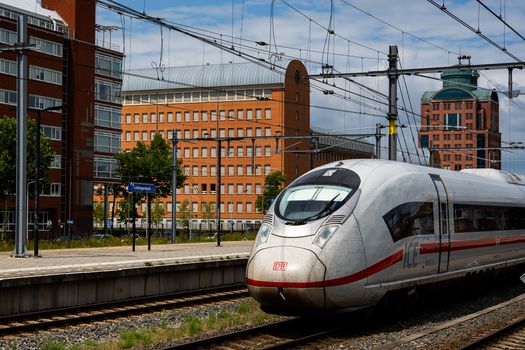
High-Speed Rail Reimagined: The KTX high-speed rail network is undergoing significant upgrades, with new lines and faster train models promising even shorter travel times between major cities like Seoul, Busan, and Daegu. Look out for smart train stations featuring AI-powered information kiosks, real-time crowd monitoring, and integrated retail experiences.
Smart City Living in Action: Cities like Songdo are already renowned as smart cities, but in 2026, we’ll see these principles rolled out more broadly. Expect integrated smart grids, advanced waste management systems that are virtually invisible, and public spaces enhanced with interactive digital displays providing real-time information and entertainment.
Pro-Tip: Download the ‘Korea Connect’ app (launching January 2026) for seamless navigation, real-time transport updates, and personalized recommendations based on your interests and location, powered by the nascent 6G network.
Quick Facts: South Korea
| Category | Details | Estimated Cost ($USD) | | :-------------- | :----------------------------------------------- | :-------------------- | | Best Time to Visit | February - May (Spring bloom, pleasant) | --- | | How to Get There | Incheon International Airport (ICN) - Major hub | Varies | | Local Transport | KTX, Subway, Buses, Taxis | $1-$4 per ride | | Accommodation | Mid-range Hotel | $100 - $200 per night | | Food | Local Restaurants/Street Food | $8 - $20 per meal |
H2: Africa's Ascending Giants: Rwanda & Ghana
The narrative around African development is shifting, and in February 2026, Rwanda and Ghana are leading the charge with ambitious infrastructure projects that are transforming their nations and opening up incredible travel opportunities.
H3: Rwanda: The Heart of East African Transformation
Often hailed as the "Switzerland of Africa," Rwanda’s commitment to progress is evident in its meticulously planned cities and burgeoning connectivity. February 2026 marks a significant period of infrastructure maturation.
Kigali: A Smart City Blueprint: Kigali is a city that breathes order and efficiency. In 2026, expect to see the expansion of its smart city initiatives, including solar-powered street lighting that adjusts intensity based on ambient light and pedestrian traffic, and integrated public transport hubs that seamlessly connect buses and shared taxis. The city's waste management system is also a marvel, with advanced recycling and composting facilities becoming even more efficient.
Connectivity Across the Nation: Beyond the capital, Rwanda is investing heavily in rural road networks and broadband internet expansion. This means easier access to national parks like Volcanoes National Park (home to gorillas) and Nyungwe National Park, with improved driving conditions and reliable internet connectivity even in more remote lodges.
Sustainable Tourism Infrastructure: Rwanda is a leader in eco-tourism. In February 2026, this is amplified with newly developed eco-lodges that blend seamlessly with the natural environment, powered by renewable energy. The national park infrastructure, including visitor centers and trails, is being upgraded to enhance visitor experience while minimizing environmental impact.
Pro-Tip: When visiting Volcanoes National Park, opt for the early morning gorilla trekking slots (7 AM) for the coolest weather and the best chance to see gorillas before they move higher into the mountains. The trails are well-maintained, but good hiking boots are essential.
Quick Facts: Rwanda
| Category | Details | Estimated Cost ($USD) | | :-------------- | :----------------------------------------------- | :-------------------- | | Best Time to Visit | February - May (Dry season, lush landscapes) | --- | | How to Get There | Kigali International Airport (KGL) | Varies | | Local Transport | Taxis, Matatus (minibuses), Motorcycle Taxis | $0.50 - $3 per ride | | Accommodation | Mid-range Lodge | $100 - $200 per night | | Food | Local Restaurants (Brochettes, Ugali) | $5 - $15 per meal |
H3: Ghana: West Africa's Gateway to Innovation
Ghana is rapidly solidifying its position as a regional hub, with significant investments in transportation and digital infrastructure creating a more accessible and dynamic travel experience.
Accra's Transportation Overhaul: Accra is buzzing with activity, and February 2026 will showcase the fruits of its major transportation upgrades. The new light rail project, connecting key urban areas, is nearing completion and promises to alleviate traffic congestion significantly. Road networks are being modernized, with new highways and improved urban arteries making travel smoother. The expansion of Kotoka International Airport (ACC) is also enhancing international connectivity.
Digital Ghana: Connecting the Nation: Ghana is committed to becoming a digital economy. This translates to expanded broadband internet access across the country, including in more tourist-frequented areas. Expect improved mobile network coverage and the proliferation of digital payment systems, making transactions easier and more secure for travelers.
Cultural Hubs Enhanced: Beyond the practical, Ghana is investing in its cultural heritage. Expect upgraded facilities at historical sites like Cape Coast Castle and Elmina Castle, with enhanced visitor information and preservation efforts. New cultural centers and art spaces are also emerging, showcasing contemporary Ghanaian creativity.
Pro-Tip: To experience Accra’s vibrant street food scene, head to the Osu area around 6 PM. Look for vendors with long queues of locals – that's always a good sign! Try the Jollof rice and Grilled Tilapia.
Quick Facts: Ghana
| Category | Details | Estimated Cost ($USD) | | :-------------- | :----------------------------------------------- | :-------------------- | | Best Time to Visit | February - March (Dry season, pleasant temps) | --- | | How to Get There | Kotoka International Airport (ACC) | Varies | | Local Transport | Taxis, Tro-tros (minibuses), Ride-sharing Apps | $0.50 - $4 per ride | | Accommodation | Mid-range Hotel | $80 - $180 per night | | Food | Local Eateries (Waakye, Fufu) | $4 - $12 per meal |
H2: The European Innovators: Portugal & Estonia
While established European nations are known for their infrastructure, Portugal and Estonia are quietly, yet powerfully, innovating and upgrading, making them prime destinations for February 2026.
H3: Portugal: Seamless Connectivity and Sustainable Futures
Portugal has charmed the world with its beauty, and in 2026, its infrastructure is catching up, offering a more integrated and sustainable travel experience.
High-Speed Rail Expansion: The Alfa Pendular and Intercidades train networks are seeing significant investment, with plans for faster services and new lines connecting more of the country. This makes hopping from Lisbon to Porto, or exploring the Algarve, even more convenient and eco-friendly.
Smart Cities and Digital Integration: Cities like Lisbon and Porto are embracing smart city technologies. Expect enhanced public transport apps that integrate real-time schedules, ticketing, and even micro-mobility options. Public spaces are being revitalized with improved digital connectivity and sustainable design.
Focus on Green Infrastructure: Portugal's commitment to renewable energy is reflected in its infrastructure. Look for more electric vehicle charging stations across the country and eco-friendly upgrades to tourist facilities in national parks and coastal regions.
Pro-Tip: For the most scenic train journeys, book a window seat on the Lisbon to Porto line during daylight hours. The coastal views are breathtaking. Consider purchasing a ‘Pass Nacional’ if you plan on extensive train travel.
Quick Facts: Portugal
| Category | Details | Estimated Cost ($USD) | | :-------------- | :----------------------------------------------- | :-------------------- | | Best Time to Visit | February - May (Mild weather, fewer tourists) | --- | | How to Get There | Lisbon Airport (LIS), Porto Airport (OPO) | Varies | | Local Transport | Trains, Trams, Metro, Buses, Ride-sharing Apps | $1-$5 per ride | | Accommodation | Mid-range Hotel | $100 - $200 per night | | Food | Tascas (Local Eateries) | $10 - $25 per meal |
H3: Estonia: The Digital Haven Goes Physical
Estonia, the e-residency pioneer, is now translating its digital prowess into tangible infrastructure improvements, making it an even more attractive and accessible destination.
Digital Nomad Infrastructure: Building on its reputation, Estonia is enhancing its co-working spaces and digital nomad hubs with even more reliable high-speed internet and better logistical support. This is complemented by upgraded public transport links to these hubs.
Sustainable Urban Development: Tallinn, and other Estonian cities, are investing in green urban planning. This includes expanding bike lanes, improving pedestrian access, and integrating smart waste and energy management systems into public buildings and spaces.
Border Connectivity: With its strategic location, Estonia is improving cross-border transport links, particularly with Latvia and Finland. This means more efficient ferry services and enhanced road connections, making multi-country Baltic adventures even smoother.
Pro-Tip: To truly experience Estonia's digital innovation, visit the Arvo Pärt Centre (near Tallinn) and engage with its interactive exhibits explaining the intersection of art, technology, and sound. The Wi-Fi is, naturally, impeccable.
Quick Facts: Estonia
| Category | Details | Estimated Cost ($USD) | | :-------------- | :----------------------------------------------- | :-------------------- | | Best Time to Visit | February - April (Winter charm, snow) | --- | | How to Get There | Tallinn Airport (TLL) | Varies | | Local Transport | Trams, Buses, Ride-sharing Apps | $0.50 - $3 per ride | | Accommodation | Mid-range Hotel/Apartment | $80 - $150 per night | | Food | Local Cafes/Restaurants | $10 - $20 per meal |
H2: The Takeaway: Your Passport to Progress
In February 2026, the world is not just travelling; it's witnessing and experiencing the next wave of global development firsthand. These countries are not waiting for the future; they are actively building it. From the hyper-connected streets of Singapore and South Korea to the burgeoning smart cities of Rwanda and Ghana, and the seamlessly integrated landscapes of Portugal and Estonia, the opportunities for exploration are boundless.
This isn't just about new roads and faster trains. It's about enhanced accessibility, greater sustainability, and an overall elevation of the travel experience. It’s about stepping off a plane or a train into a place that feels dynamic, forward-thinking, and ready to welcome you with open arms and cutting-edge facilities.
So, pack your bags, embrace the spirit of discovery, and get ready to explore the destinations that are defining the future of travel, right now. The world is moving fast – and these countries are leading the way.
More pictures

Tags
Share this guide
We may earn a commission if you click a link and buy a product or service, at no extra cost to you. How affiliate links work.
Been there?