
A look at the lasting travel changes that emerged in the pandemic years and how you can use them now to travel more flexibly and confidently.
When people ask which countries handled the pandemic best for tourism, they are usually really asking something else: how should I plan my next trip so that it is smooth and low-risk? The most practical answer is not a league table but a look at which pandemic-era changes stuck and how you can use them. This guide takes that approach. It covers the habits, tools and options that grew out of those difficult years and that benefit travelers right now.
Everything here is general information. Rules, fees and policies vary and change, so confirm details with airlines, hotels, governments and insurers before you book.
The big shift: flexibility became normal
Before 2020, the cheapest fare was nearly always the least flexible one. Afterward, many airlines, hotels and tour companies introduced or expanded flexible options. Policies differ widely, and some have been scaled back, but the expectation that you can change plans has stuck around.
What to look for when you book:
- Free cancellation windows on hotels, often up to a day or a few days before arrival.
- Change-without-fee options on certain fare types.
- Credit or voucher policies when a refund is not offered, with clear expiry dates.
- Pay-later rates that hold a room without charging you immediately.
The price difference between a flexible and a restricted rate is often small compared with the cost of losing a whole booking. For trips more than a few months away, flexibility is usually worth paying for.
Digital entry and documentation
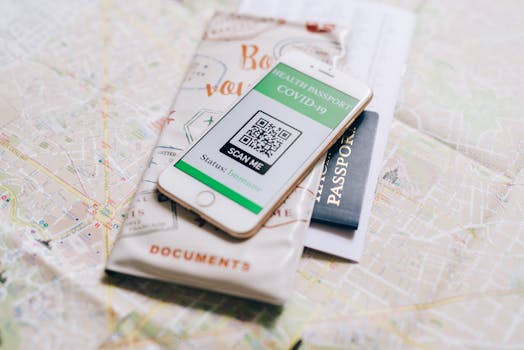
The period accelerated online travel paperwork. Many countries now run electronic travel authorizations, online arrival cards, or pre-registration portals. These save time at the border but can be confusing, because scam websites imitate official ones.
How to handle them safely:
- Find the official link through your government's travel advice or the destination's embassy page.
- Check the web address carefully and be wary of sponsored search results.
- Compare the fee with the one published on the official site.
- Keep a PDF or screenshot of your approval, and carry a printed copy if the destination recommends it.
- Apply well before departure, since processing times vary.
Digital wallets for tickets and boarding passes are also now routine. Make sure your phone is charged, and carry a paper backup for important documents.
Contactless everything
Mobile check-in, digital room keys, QR code menus and tap-to-pay became familiar. They are convenient, but they depend on your phone. Practical tips:
- Carry a power bank.
- Keep a physical card or small amount of cash for places where systems fail.
- Download offline versions of tickets, maps and reservations.
- Be careful with public wifi when entering personal or payment details; a mobile data connection or a trusted VPN is safer.
Remote work and longer stays
When offices went remote, a new group of travelers appeared: people who combine work with extended stays. Many countries introduced digital nomad or remote worker visas, and many hotels and rentals created long-stay rates.
If you are considering this:
- Look up the official visa conditions, including income requirements and tax implications, on government sites. Seek professional advice for tax questions, since this guide is general information only.
- Test the internet connection before committing to a long stay; ask for a speed test if possible.
- Check whether the accommodation offers a proper desk and a quiet environment.
- Consider the time zone relative to your colleagues.
Even a one- or two-week stretch of working from somewhere new can be a pleasant alternative to taking all your leave in one go.
Outdoor and nature travel boomed
National parks, hiking, cycling and camping saw rising interest, and destinations invested in facilities to match. That has made outdoor options more accessible than they once were.
Things to do if you want to join in:
- Book campsites, huts and permits early for popular places, because some now operate on reservation systems.
- Check trail conditions, closures and seasonal limits on official park websites.
- Follow leave-no-trace principles, since heavier visitor numbers put pressure on ecosystems.
- Consider shoulder seasons or lesser-known areas to avoid crowds.
Domestic and regional trips gained respect
When international travel was limited, many people explored nearby places, and they discovered how rewarding that can be. Regional trips are cheaper, need less planning, and are easier to fit into a long weekend.
Ideas for a close-to-home trip:
- A small town with a food or craft tradition you have never visited.
- A train journey to a city within a few hours.
- A weekend at a lake, coast or mountain range within driving distance.
- A heritage site you always meant to see but never did.
Health and safety awareness
Travelers are now generally more attentive to health considerations. This can be helpful, as long as it stays practical.
- Check your national travel health guidance for the destination.
- Consider speaking with a doctor or travel clinic well ahead of departure about vaccinations and medications. This is general information, not medical advice.
- Carry a small kit with basic medicines, plasters, hand sanitizer and any prescriptions.
- Check whether your insurance covers medical treatment abroad and how to claim.
Travel insurance, read carefully
Many travelers learned the hard way that insurance policies contain exclusions. Today, it pays to read before buying.
Questions to ask:
- What reasons for cancellation are covered?
- Does the policy cover disruptions such as airline strikes, severe weather or illness?
- What are the medical limits and are repatriation costs covered?
- Is there a time limit on making claims?
- Are pre-existing conditions treated differently?
If you are unsure, ask the insurer to explain in writing. This is not financial or legal advice.
Smaller groups and slower pacing
The interest in privacy, space and meaningful experiences led many tour operators to offer smaller groups, private guides and slower itineraries. This remains attractive for people who dislike crowds or who prefer depth to speed.
Try:
- Small-group tours with a limited number of travelers.
- Local guides who can tailor the route to your interests.
- Itineraries with fewer stops and more time in each place.
Supporting local communities
Visitors increasingly think about where their money goes. Look for locally owned accommodation, community-run tours and craft shops that pay makers fairly. This is not just a feel-good gesture: it keeps small businesses alive and often leads to better experiences.
Staying flexible on the road
Even with the best plans, things shift. A few practices help you adapt:
- Keep your itinerary loose on the first and last days.
- Avoid tight connections between flights or trains.
- Save the contact details of airlines, hotels and insurers in your phone.
- Know the location of your embassy or consulate.
- Keep a small emergency fund on a card or in cash.
Packing and money habits that stuck
A few small routines from those years are still worth keeping:
- Carry a small hygiene kit. Hand sanitizer, tissues and a spare mask are light and occasionally useful in crowded transport or on long flights.
- Keep payment options varied. Bring at least two different cards and a small amount of cash, stored in separate places.
- Photograph your documents. Store copies securely in the cloud or in an encrypted folder, not just in your camera roll.
- Use a checklist app or a paper list. Rules, forms and deadlines multiplied, and a list helps nothing slip through.
- Check the fine print on loyalty programs. Many extended expiry dates introduced then have since returned to normal.
Choosing where to stay with flexibility in mind
Accommodation choices also shifted. Many hotels now offer self check-in, and rentals often have clearer cleaning and cancellation policies. When comparing options:
- Look at the cancellation terms on every platform; the same room can have different conditions on different sites.
- Prefer places that clearly state check-in procedures and contact details.
- For longer stays, ask about weekly or monthly rates, which can be much lower than nightly prices.
- Read recent reviews for notes about noise, wifi and the reliability of the host.
- Keep a second option in mind in case a booking falls through.
What has not been fully resolved
It is worth being honest about the downsides. Staffing shortages hit some sectors, prices have risen in many places, and some destinations are crowded as demand has rebounded. Flexibility has also shrunk in some areas as companies tightened policies. So do not assume that a flexible option exists; check each time.
Another challenge is overtourism. Popular places have seen heavy visitor numbers, and some have introduced entry fees, booking systems or caps. If you want a more relaxed experience, consider lesser-known places and off-peak visits.
A practical planning routine for today
When planning a trip now, try this sequence:
- Pick destinations and check official entry requirements.
- Choose flexible bookings for flights and accommodation where the price difference is reasonable.
- Arrange insurance and read the policy carefully.
- Complete any digital forms through official portals.
- Download tickets, maps and documents for offline use.
- Plan one or two backup options, such as an alternative route.
- Leave buffer time in your schedule.
Frequently asked questions
Are flexible fares always worth it? Not always. For short, low-cost trips with firm dates, a restricted fare may be fine. For longer or expensive trips, flexibility often pays for itself.
Do I still need to carry paper documents? It is wise to have both. Digital copies are convenient, but phones can fail or run out of battery. Keep printed copies of key items such as insurance details and accommodation addresses.
Are digital nomad visas easy to get? Requirements vary widely by country, including income thresholds and application steps. Check the official immigration pages and consider professional advice for tax and legal questions.
Is overtourism really a concern? In some places, yes. Many popular destinations have introduced rules to manage numbers. Check local requirements and consider traveling in quieter periods.
Summary
The pandemic years left travelers with a set of useful tools: flexible booking options, digital documentation, contactless services, a stronger outdoor and domestic tourism scene, remote-work friendly stays and a greater awareness of insurance and health. None of these is perfect or guaranteed, and policies change, so verify details each time. Use official sources, keep your plans loose, protect yourself with the right cover, and put the lessons to work so that your next trip is smoother than the ones that came before.
More pictures




Tags
Share this guide
We may earn a commission if you click a link and buy a product or service, at no extra cost to you. How affiliate links work.
Been there?