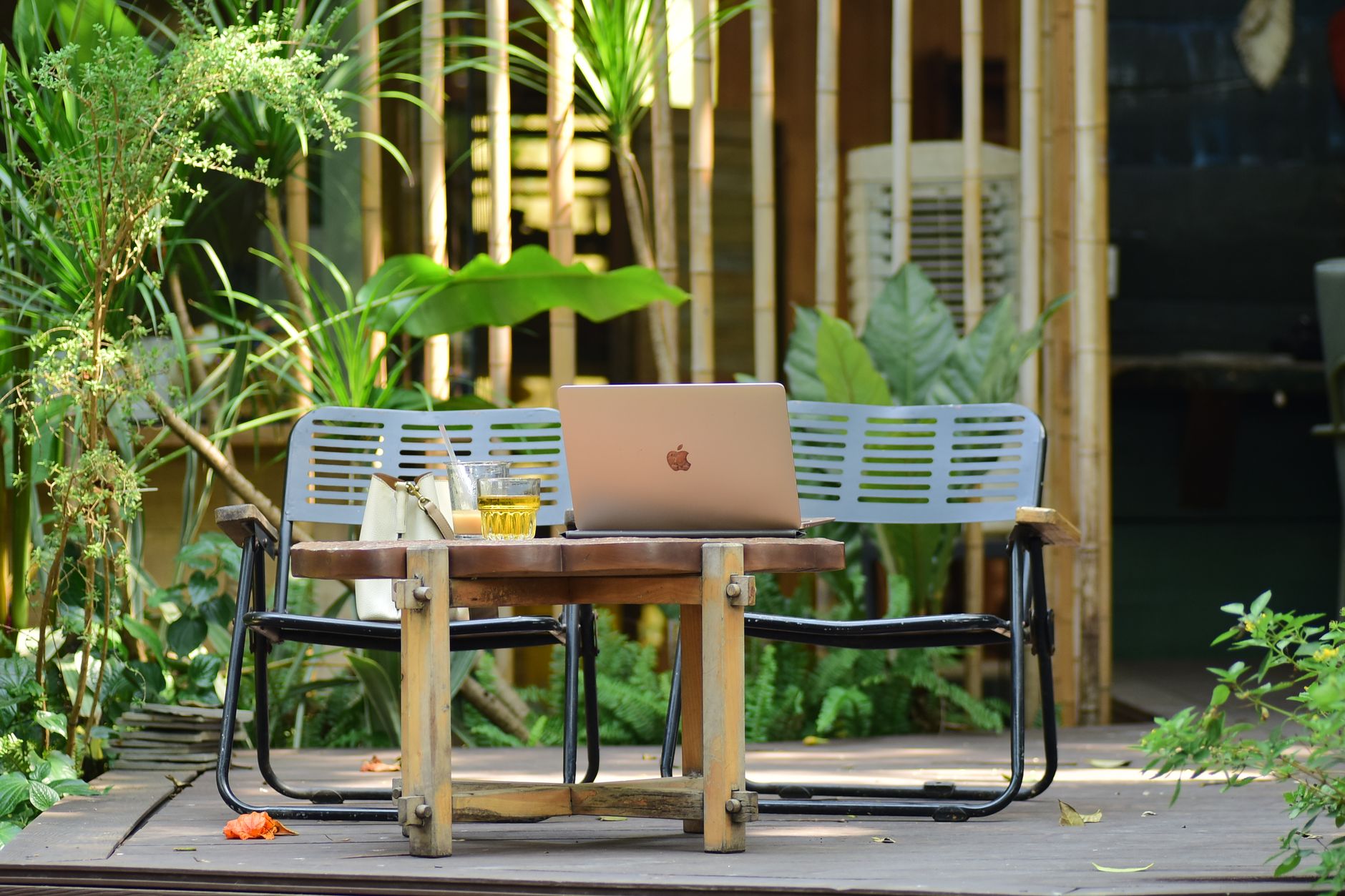
Ditch the frantic itinerary! We're revealing countries actively luring you in with incentives to *linger*. Think longer stays, local immersion, and pocket-friendly adventures. Your ultimate guide to truly *experiencing* a place is here.
I stepped off the train and was immediately enveloped by the scent of damp earth and blooming jasmine, a stark contrast to the sterile air of the airport I’d left just hours before. The rhythmic clang of distant church bells, not the jarring honk of traffic, was the soundtrack to my arrival. This was not a place to be rushed; it was a place to breathe. And increasingly, it’s a place that wants you to stay.
The world is slowly, but surely, waking up to the profound benefits of slow travel. Gone are the days of ticking off landmarks like a grocery list. Today's discerning traveler craves connection, authenticity, and a deep dive into the soul of a destination. And guess what? Some forward-thinking countries are not just acknowledging this shift; they're actively incentivizing it. Forget whirlwind tours; we're talking about embracing the art of lingering, of becoming a temporary local, and reaping the rewards. Recent data shows a surge in programs designed to attract and retain travelers who want to experience a place beyond the tourist facade.
The Rise of the Slow Traveler: Why Countries Are Rolling Out the Red Carpet
The pandemic, in many ways, was a forced pause. It made us re-evaluate our priorities, and for many, that meant a desire for more meaningful, less hurried travel. This global recalibration has led to a significant uptick in interest for destinations that offer:
- Deeper Cultural Immersion: Moving beyond surface-level sightseeing to genuinely engage with local communities, traditions, and daily life.
- Sustainable Practices: A focus on minimizing environmental impact and supporting local economies through extended stays.
- Digital Nomadism & Remote Work: Countries are recognizing the economic potential of attracting individuals who can work from anywhere and contribute to the local economy for extended periods.
- Mental Well-being: The inherent stress relief and rejuvenation that comes from a slower pace of life.
The Incentive Spectrum: Countries are getting creative. These incentives aren't always direct cash payments (though some are!). They can range from extended visa options and tax breaks to discounts on local services and curated cultural experiences.
Portugal: The Pioneer of the Digital Nomad Visa and Beyond
Portugal has been at the forefront of embracing slow travel, particularly by attracting remote workers and digital nomads. Their Golden Visa program, while evolving, has long been an attractive option for those looking to invest and reside, and more recently, their Digital Nomad Visa has been a game-changer.
Digital Nomad Visa (DNV)
This visa allows individuals to reside in Portugal for up to a year, with the possibility of renewal, provided they can demonstrate a stable income from remote work. It’s a clear signal that Portugal values long-term visitors who contribute to the economy and integrate into society.
Pro-Tip: While the DNV is fantastic, consider exploring Portugal outside of Lisbon and Porto. The Algarve for its stunning coastline and relaxed pace, or the Azores for unparalleled natural beauty and a truly tranquil escape, offer incredible value and a more profound slow travel experience.
Quick Facts: Portugal
| Feature | Details | | :---------------- | :----------------------------------------------------- | | Estimated Cost | $1500 - $3000/month (depending on region & lifestyle) | | Best Time to Visit | Spring (April-May) or Autumn (September-October) | | How to Get There | Major international airports in Lisbon (LIS), Porto (OPO), Faro (FAO). Extensive train and bus network within the country. |
Insider Scoop: Don't just stay in an Airbnb. Look for quintas (farmhouses) or herdades (estates) offering longer-term rentals. You'll often find more authentic experiences, home-cooked meals, and a genuine connection to the land. The aroma of freshly baked pão de milho (cornbread) wafting from a local bakery is a sensory experience you won't forget.
Estonia: The Digital Nomad Visa Champion
Estonia, a leader in digital innovation, has also embraced the slow travel movement with its Digital Nomad Visa. This program is designed to attract remote workers to experience Estonia's unique blend of medieval charm and cutting-edge technology.
Estonia's Digital Nomad Visa
Similar to Portugal's offering, Estonia's visa allows individuals to live and work remotely in the country for up to a year. What sets Estonia apart is its reputation for being incredibly business-friendly and its commitment to a digital-first society.
Pro-Tip: While Tallinn's Old Town is a UNESCO World Heritage site and a must-see, venture out to the islands like Saaremaa or Hiiumaa. The pace slows down considerably, and you can experience traditional Estonian rural life, from windmills to ancient forests.
Quick Facts: Estonia
| Feature | Details | | :---------------- | :----------------------------------------------------- | | Estimated Cost | $1200 - $2500/month (depending on city & lifestyle) | | Best Time to Visit | Summer (June-August) for long daylight hours and festivals; Winter (December-February) for a magical snowy wonderland. | | How to Get There | Tallinn Airport (TLL) is the main international gateway. Ferry services connect to Finland and Sweden. |
Authenticity Check: The smell of pine and damp moss in the vast forests, the sound of local folk music drifting from a pub in a small village, the taste of kiluvõileib (sprat sandwich) on dark rye bread – these are the sensory markers of authentic Estonia. Engage with the locals at a saun (sauna); it's a deeply ingrained cultural practice and a fantastic way to connect.
Croatia: Embracing the Remote Worker Visa
Croatia, with its breathtaking Adriatic coastline and charming historic cities, has recognized the potential of attracting long-term visitors. Their Temporary Stay for Remote Workers (Digital Nomad Visa) allows individuals to stay for up to a year, contributing to the local economy outside of the peak tourist season.
Croatia's Digital Nomad Visa
This visa aims to encourage remote workers to experience Croatia's beauty and culture for an extended period, potentially during the shoulder seasons, thus easing the strain on infrastructure during peak times and supporting local businesses year-round.
Pro-Tip: While Dubrovnik and Split are iconic, consider the islands like Hvar (beyond the party scene), Korčula, or Vis for a truly serene and authentic experience. The scent of wild rosemary and the sound of cicadas are quintessentially Croatian summer.
Quick Facts: Croatia
| Feature | Details | | :---------------- | :----------------------------------------------------- | | Estimated Cost | $1300 - $2800/month (depending on region & lifestyle) | | Best Time to Visit | Spring (May-June) or Autumn (September-October) for pleasant weather and fewer crowds. | | How to Get There | Major airports in Zagreb (ZAG), Split (SPU), Dubrovnik (DBV). Ferries connect the mainland to numerous islands. |
Cultural Deep Dive: The taste of freshly grilled orada (sea bream) drizzled with local olive oil, the sound of the klapa (traditional a cappella singing) echoing through ancient stone streets, the feeling of smooth, sun-warmed pebbles beneath your feet on a secluded cove – these are the elements of slow travel in Croatia. Seek out family-run konobas (taverns) for the most authentic culinary experiences.
Georgia: The "One Year Visa" for Remote Workers
Georgia, a country at the crossroads of Europe and Asia, has a remarkably welcoming policy for remote workers, often referred to as the "One Year Visa" or Remotely From Georgia program. This initiative allows citizens of over 90 countries to enter and stay for up to a year visa-free, provided they can prove sufficient financial means.
Remotely From Georgia Program
This is one of the most straightforward programs for long-term remote stays. It’s a testament to Georgia's desire to attract global talent and encourage people to experience its rich history, vibrant culture, and stunning landscapes for an extended period.
Pro-Tip: Explore beyond Tbilisi. Svaneti offers dramatic mountain scenery and unique fortified tower houses, while Kakheti is the heart of Georgia's wine region. The aroma of woodsmoke and baking bread in a mountain village is truly intoxicating.
Quick Facts: Georgia
| Feature | Details | | :---------------- | :----------------------------------------------------- | | Estimated Cost | $800 - $1800/month (depending on city & lifestyle) | | Best Time to Visit | Spring (April-May) or Autumn (September-October) for mild weather and harvest season in wine regions. | | How to Get There | Tbilisi International Airport (TBS) is the main hub. Internal flights and marshrutkas (minibuses) connect major cities. |
Taste of Tradition: The complex, earthy flavors of khachapuri (cheese-filled bread) and khinkali (dumplings), the resonant sound of polyphonic singing, the feeling of ancient history etched into the stone walls of monasteries – these are the hallmarks of slow travel in Georgia. Don't miss a traditional supra (feast) for an unforgettable cultural immersion.
Mexico: The Temporal Resident Visa for Extended Stays
Mexico, a perennial favorite for its vibrant culture, delicious cuisine, and diverse landscapes, offers a Temporary Resident Visa that can be ideal for slow travelers. While not exclusively for digital nomads, it's a pathway for those who wish to stay for longer than the typical tourist allowance (usually 180 days).
Mexico's Temporary Resident Visa
This visa allows for stays of up to one year (and can be renewed) for individuals who can demonstrate sufficient economic solvency. It’s a fantastic option for those who want to truly immerse themselves in a region, learn Spanish, and explore at a leisurely pace.
Pro-Tip: Instead of hopping between major tourist hubs, pick a region and settle in. Consider Oaxaca for its incredible culinary scene and indigenous culture, or the Yucatan Peninsula for its Mayan ruins and cenotes. The scent of street tacos and blooming bougainvillea will become your new perfume.
Quick Facts: Mexico
| Feature | Details | | :---------------- | :----------------------------------------------------- | | Estimated Cost | $1000 - $2500/month (depending on region & lifestyle) | | Best Time to Visit | Varies by region; generally, the dry season (November-April) is popular. | | How to Get There | Numerous international airports across the country (e.g., Mexico City MEX, Cancun CUN, Guadalajara GDL). Extensive bus network. |
Sensory Journey: The vibrant explosion of flavors in mole poblano, the rhythmic beat of mariachi music filling the plaza, the feeling of warm sunshine on your skin as you wander through colorful markets – these are the sensations of slow travel in Mexico. Learn a few Spanish phrases; it opens doors and hearts.
The Future of Travel: Embracing the Slow Lane
These are just a few examples, but the trend is clear. Countries are recognizing that attracting travelers who want to stay longer, spend locally, and engage more deeply is not just good for tourism; it's good for their economies and their communities. The incentives are varied, but the message is consistent: slow down, experience more, and become a part of the place you visit.
As you plan your next adventure, consider these destinations not just for their sights, but for their invitation to linger. The true magic of travel often lies not in the rapid accumulation of passport stamps, but in the profound connections forged when you allow yourself to truly inhabit a place. So, pack your curiosity, leave your rush behind, and discover the unparalleled rewards of slow travel.
More pictures



Tags
Share this guide
We may earn a commission if you click a link and buy a product or service, at no extra cost to you. How affiliate links work.
Been there?