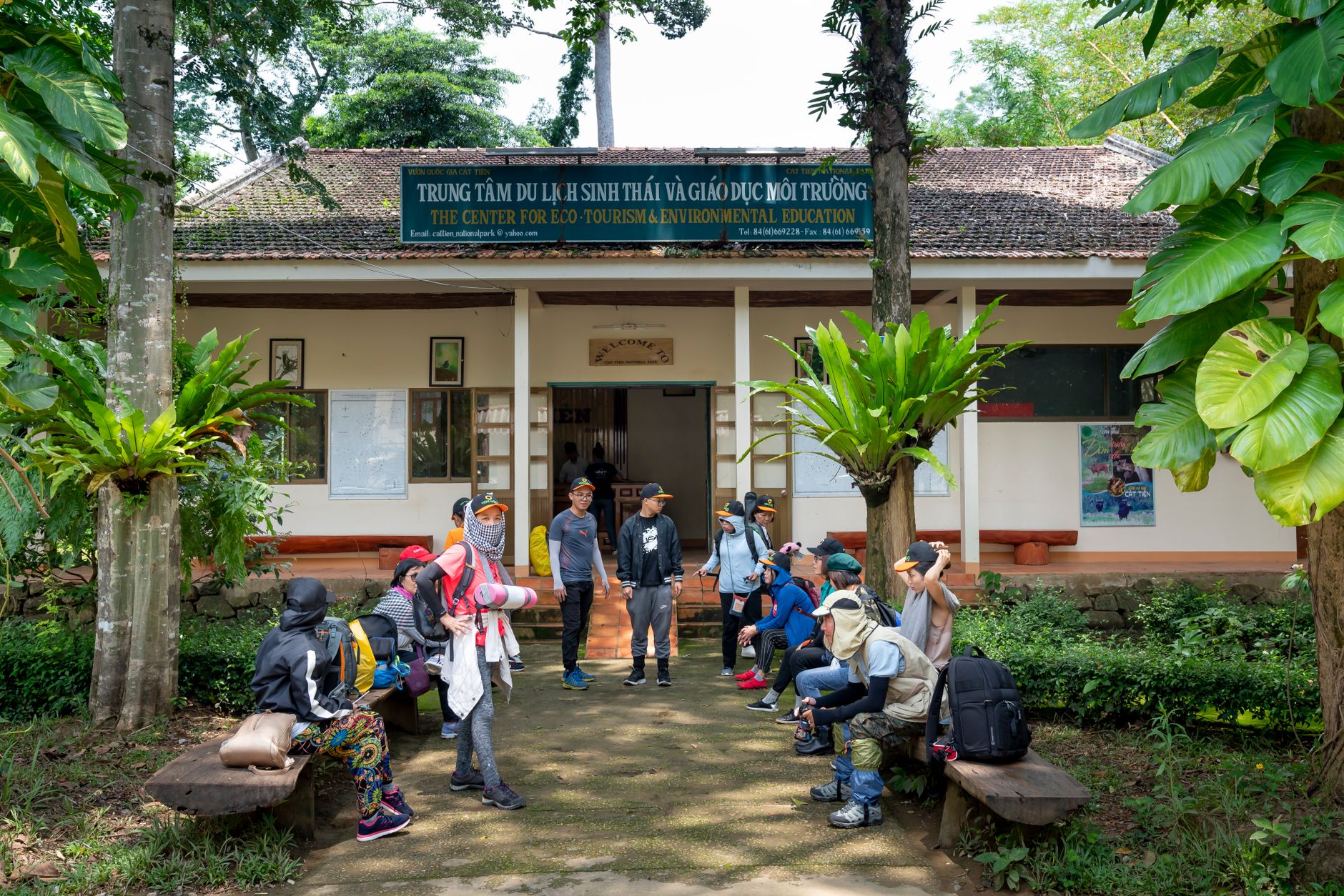
Ever dreamt of travel that leaves a positive mark, not just a carbon footprint? We're taking you beyond the usual suspects to uncover truly sustainable destinations where local communities thrive and nature flourishes. Get ready to explore the world's best-kept secrets – places so special, locals almost hope you won't find them. ---
Shhh! The Green List: Sustainable Travel Gems Locals Want Kept Quiet!
I still remember the sting of disappointment, a vivid memory from a trip a few years back. I’d returned to a small, idyllic coastal town I'd adored in my youth – a place of untouched beaches, sleepy fishing boats, and genuine local smiles. But what I found was a sprawling concrete jungle, chain restaurants, and beaches choked with plastic. The charm, the authenticity, the very soul of the place, had been paved over by unchecked tourism. It was a wake-up call, a stark reminder of the devastating impact our wanderlust can have if not channeled responsibly.
That experience ignited a new quest within me: to find places that get it right. Places where tourism isn't a destructive force, but a catalyst for preservation, community empowerment, and genuine cultural exchange. And here's the kicker – I found them. These are the destinations that have mastered the art of sustainable travel so profoundly, so beautifully, that their local communities cherish them fiercely. So fiercely, in fact, they almost hope you won't find out about them. Not because they're unwelcoming, but because they understand the delicate balance, the preciousness of what they've built.
Today, I’m pulling back the curtain on these incredible, often overlooked, sustainable havens. Consider this your exclusive invitation to the "Green List" – a collection of countries leading the charge in responsible tourism, where every visit can be a force for good. Just promise me one thing: tread lightly, respect deeply, and share responsibly.
The Sacred Secret: Why Locals Guard Their Green Havens
Before we dive into the destinations, let's talk about why these places are often kept under wraps by those who call them home. It’s not about exclusivity or hostility; it’s about preservation. Imagine living in a community that has painstakingly woven environmental protection, cultural heritage, and economic well-being into the fabric of its tourism model. They’ve seen the alternative – the overtourism that erodes authenticity, strains resources, and turns unique cultures into commodities.
These communities understand that true sustainability means managing visitor numbers, educating travelers, and ensuring that the benefits of tourism flow directly back to local people and conservation efforts. When you visit these destinations, you're not just a tourist; you're a steward, an ally in their mission to protect what’s truly irreplaceable. It’s a privilege, an unspoken agreement that you’ll respect their efforts and leave nothing but footprints, taking nothing but memories (and maybe a few ethically sourced souvenirs!).
1. Costa Rica: Beyond the "Pura Vida" Postcards
Costa Rica has long been synonymous with eco-tourism, and for good reason. The country generates nearly 100% of its electricity from renewable sources and dedicates over a quarter of its land to national parks and protected areas. But beyond the well-trodden paths of Arenal and Manuel Antonio, there are truly wild, community-driven corners where sustainability isn't just a buzzword, it's a way of life.
The Secret Spot: The Osa Peninsula Nestled in the remote southwest, the Osa Peninsula is often called "the most biologically intense place on Earth" by National Geographic. Home to Corcovado National Park, it's a raw, untamed wilderness where jaguars roam, scarlet macaws soar, and monkeys chatter in the emerald canopy. The local communities here are fiercely dedicated to conservation, with many lodges and tour operators being locally owned and deeply committed to sustainable practices.
My Experience: I once stayed at a small, off-grid eco-lodge near Drake Bay, accessible only by a scenic boat ride. My guide, Carlos, a local from a nearby village, led me on a rainforest hike, pointing out iridescent quetzals and explaining the medicinal properties of plants his grandmother taught him. He shared stories of how tourism, when done right, directly funded local schools and protected the very wildlife we were observing. The lodge itself powered by solar, harvested rainwater, and served meals made from ingredients grown on-site or sourced from local farmers. The feeling of waking up to the symphony of the jungle, knowing my stay directly supported its preservation, was unparalleled.
Practical Tips:
- Choose Certified Lodges: Look for properties with the "Certification for Sustainable Tourism" (CST) from the Costa Rican Tourism Board, especially those with 4 or 5 leaves.
- Support Local Guides: Always hire local guides for park visits and activities. They offer invaluable insights and directly benefit from your visit. A guided trek into Corcovado National Park can cost around $80-150 USD, including park fees, but it's essential for safety and ethical wildlife viewing.
- Community Tourism: Seek out community-based initiatives like those in Bijagua or Tortuguero, where locals offer homestays, cooking classes, and guided tours, providing an authentic cultural exchange.
Instagram Moment: Imagine a misty morning walk through the rainforest, sunlight dappling through dense foliage, a sloth slowly munching on leaves above your head. Pure magic!
2. Slovenia: Europe's Green Heart, Beating Quietly
Often overshadowed by its more famous neighbors, Slovenia is a true gem, quietly leading Europe in green initiatives. It was the first country to be declared a "Green Destination" globally and its capital, Ljubljana, was awarded the European Green Capital title. This small nation boasts pristine alpine landscapes, turquoise rivers, and charming medieval towns, all managed with an unwavering commitment to sustainability.
The Secret Spot: The Julian Alps and Soča Valley While Lake Bled draws crowds, the Julian Alps, particularly around Lake Bohinj and the Soča Valley, offer a more serene, authentic experience. Triglav National Park, Slovenia's only national park, is a haven for responsible outdoor activities – hiking, cycling, rafting, and canyoning – all managed with strict environmental guidelines.
My Experience: I spent a week cycling through the Julian Alps, staying in family-run farm stays (agritourism) where meals were prepared from ingredients grown just steps from my room. One evening, after a challenging hike to a waterfall in the Soča Valley, I shared a bottle of local wine with the farm owner, who passionately explained their commitment to organic farming and supporting neighboring producers. The crisp mountain air, the sound of cowbells, and the genuine warmth of the people made me feel completely immersed in their sustainable way of life. Public transport (trains and buses) is excellent and highly encouraged, making car-free travel a breeze.
Practical Tips:
- Embrace Public Transport: Slovenia has an efficient public transport system. Consider purchasing a "Julian Alps Card: Bohinj" for free bus travel and discounts on activities.
- Agritourism: Opt for farm stays (Turistična kmetija) for authentic experiences, local food, and direct support to rural communities. Prices typically range from €40-80 per night.
- Respect Nature: Stick to marked trails, don't litter, and learn about local flora and fauna. Many trails have interpretive signs about the region's biodiversity.
Instagram Moment: Crystal-clear turquoise waters of the Soča River winding through dramatic canyons, framed by towering peaks. #SloveniaGreen
3. Palau: Micronesia's Ocean Sanctuary and the Pledge
Palau, a tiny island nation in Micronesia, is a world leader in marine conservation. Its pioneering "Palau Pledge" – a mandatory visa requirement where every visitor signs a promise to protect Palau's environment for future generations – is a testament to its unwavering commitment to sustainability. This pledge, co-created with Palau's children, is embedded in immigration law, making it the first of its kind.
The Secret Spot: Rock Islands Southern Lagoon A UNESCO World Heritage site, the Rock Islands Southern Lagoon is a breathtaking archipelago of mushroom-shaped limestone islands, surrounded by vibrant coral reefs and teeming with marine life. Diving and snorkeling here are unparalleled, but strict rules are in place to ensure the ecosystem remains pristine. Limited visitor numbers and high permit fees contribute directly to conservation efforts.
My Experience: Signing the Palau Pledge upon arrival was a profound moment, setting the tone for the entire trip. My dive guide, a Palauan local named Ngelechel, was not just an expert on marine life but a passionate advocate for conservation. He meticulously briefed us on responsible diving practices, from avoiding touching coral to maintaining buoyancy. We explored breathtaking coral gardens and swam with majestic manta rays, each experience underscored by a deep respect for the fragile ecosystem. The high cost of dive permits ($100-200 USD for multi-day passes, plus dive costs of $150-200 per day) felt completely justified, knowing it funded the protection of this underwater paradise.
Practical Tips:
- Sign the Pledge Seriously: Read and understand the Palau Pledge. It’s a genuine commitment.
- Choose Responsible Operators: Select dive and tour operators who adhere to strict environmental guidelines and are certified by local authorities. Ask about their waste management and conservation efforts.
- Respect Marine Life: Do not touch, feed, or disturb any marine creatures. Use reef-safe sunscreen.
Instagram Moment: Aerial shots of the emerald Rock Islands dotting the sapphire ocean, or an underwater selfie with a gentle sea turtle (from a respectful distance!).
4. Bhutan: The High-Value, Low-Impact Kingdom
Bhutan, nestled in the Himalayas, has perhaps the most well-known (and effective) sustainable tourism model in the world: "High Value, Low Impact." This policy mandates a daily minimum package fee (currently around $200-250 USD per person per day, including accommodation, food, guides, and internal transport, plus a $100 Sustainable Development Fee), effectively limiting visitor numbers and ensuring that tourism contributes significantly to the country's development and conservation. Locals aren't just hoping you don't find out; they've proactively built a system to ensure only truly committed, respectful travelers arrive.
The Secret Spot: Eastern Bhutan and Remote Treks While the iconic Tiger's Nest Monastery is a must-see, venture further east to regions like Trashigang or Lhuntse for a deeper dive into traditional Bhutanese life, untouched by mass tourism. Or embark on one of Bhutan’s multi-day treks, like the Druk Path Trek, which offers stunning scenery and cultural immersion while spreading visitors out across the landscape.
My Experience: My journey through Bhutan was unlike any other. Every detail was meticulously arranged by my local guide, Ugyen, ensuring a seamless and culturally rich experience. Trekking to the Tiger's Nest was a spiritual pilgrimage, but it was the quiet moments – sharing butter tea with a monk in a remote monastery, watching weavers create intricate textiles in a village, or learning about Gross National Happiness from Ugyen – that truly resonated. The daily tariff, initially daunting, felt like an investment in a country that prioritizes its culture, environment, and people above all else. It ensures that my visit wasn't a burden, but a contribution.
Practical Tips:
- Embrace the Daily Tariff: Understand that this fee is not just a cost, but an investment in Bhutan's future. It covers essential services and contributes to free education, healthcare, and infrastructure.
- Respect Local Customs: Dress modestly, especially when visiting monasteries. Always remove your shoes before entering temples. Learn a few basic Dzongkha phrases.
- Choose Ethical Tour Operators: Your entire trip must be booked through a licensed Bhutanese tour operator. Ensure they employ local guides and porters and practice responsible tourism.
Instagram Moment: Prayer flags fluttering against a backdrop of snow-capped Himalayan peaks, a serene monk deep in meditation, or the intricate details of a traditional Bhutanese farmhouse.
5. Rwanda: A Phoenix Rising Through Conservation
Rwanda, a country that has risen from a tragic past with remarkable resilience, is now a leading light in high-value, low-impact conservation tourism, particularly known for its efforts in protecting endangered mountain gorillas. The government's commitment to community-based conservation and sustainable development ensures that tourism benefits local populations directly.
The Secret Spot: Volcanoes National Park and the Surrounding Communities While the star attraction is undoubtedly the mountain gorillas in Volcanoes National Park, the true sustainability story lies in how tourism revenue is reinvested. A significant portion of the gorilla permit fees (which are substantial, currently $1,500 USD per person per trek) goes directly to local communities, funding schools, health centers, and infrastructure projects, creating a tangible link between conservation and community well-being.
My Experience: The gorilla trek was, without exaggeration, a life-changing experience. After an intense hike through dense bamboo forest, coming face-to-face with a family of mountain gorillas was profoundly moving. But what struck me equally was the visit to a nearby village afterward, organized by my local guide. I saw firsthand how the tourism dollars were transforming lives, funding a new water pump and a craft cooperative where women were earning a fair income. It wasn't just about seeing the gorillas; it was about understanding the holistic impact of responsible tourism on an entire ecosystem, human and wild.
Practical Tips:
- Secure Gorilla Permits Early: Permits are limited and sell out months in advance. Book through the Rwanda Development Board or a licensed tour operator.
- Support Local Initiatives: Visit local craft markets, support community-run projects, and buy locally made souvenirs.
- Follow Trekking Rules: Adhere strictly to the guidelines provided by park rangers to protect the gorillas and their habitat. Maintain distance, wear masks, and avoid flash photography.
Instagram Moment: A captivating shot of a silverback gorilla peering through the mist, or a vibrant photo of Rwandan children playing in a village built with conservation funds.
The Journey Continues: Be a Part of the Solution
My journey to these sustainable havens has shown me that travel can be a powerful force for good. It’s about more than just checking off bucket list items; it’s about making conscious choices that support local communities, preserve natural wonders, and foster genuine cultural understanding. These countries, with their quiet dedication and fierce commitment to sustainability, are not just destinations; they are blueprints for a better way to explore our world.
The "secret" isn't that locals don't want you to visit. It's that they want you to visit responsibly, with an open heart and a mindful spirit, so that these precious places can thrive for generations to come. Are you ready to be part of the solution? To embark on a journey that leaves a positive mark, both on the places you visit and on your own soul?
Share your sustainable travel dreams in the comments below! Which of these green gems are you hoping to explore next? Let's inspire each other to travel better, together.
---
More pictures
Tags
Share this guide
We may earn a commission if you click a link and buy a product or service, at no extra cost to you. How affiliate links work.
Been there?