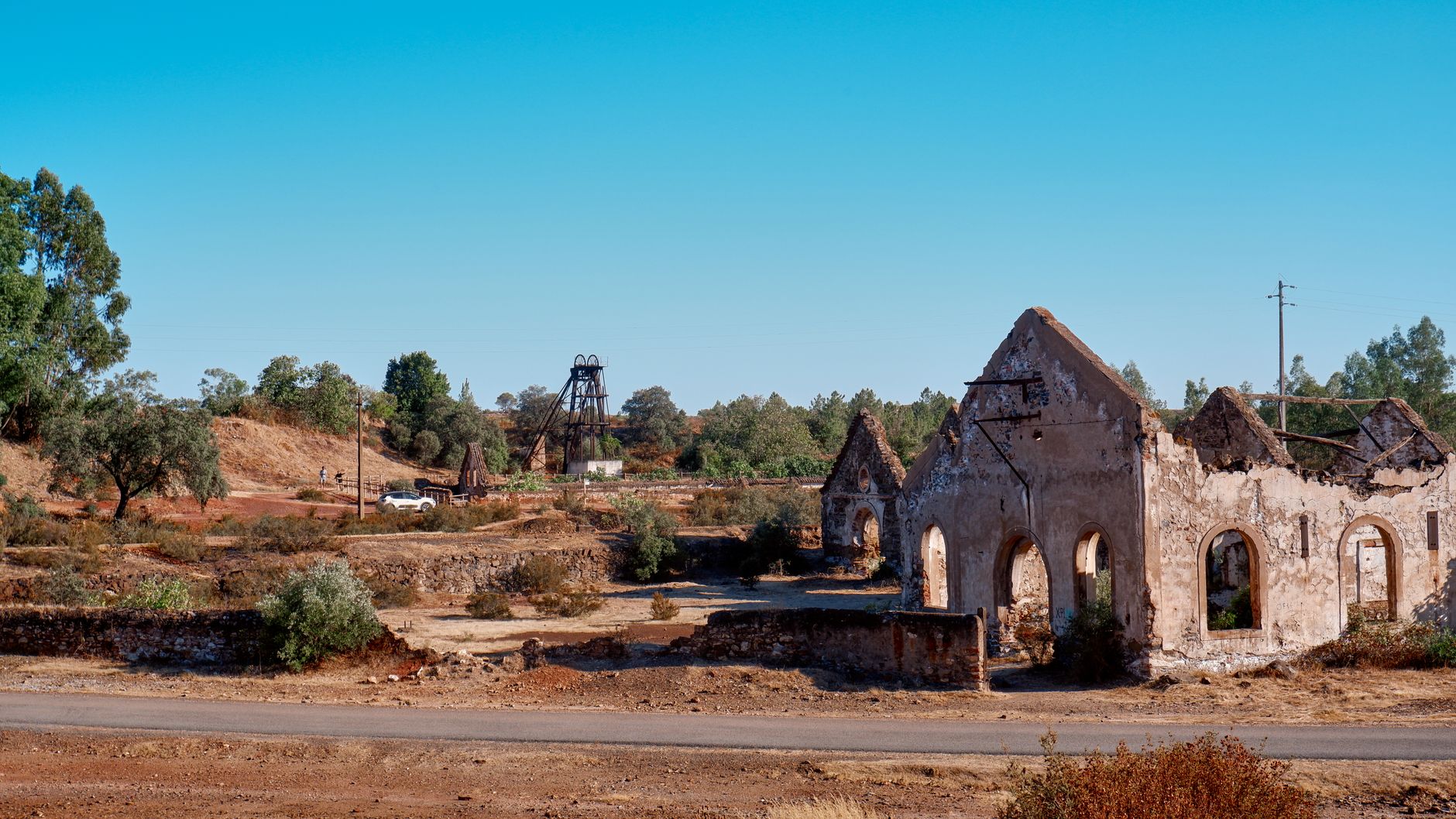
Ever wondered what secrets lie within the crumbling walls of forgotten cities? Join me on a journey to the world's most captivating abandoned places, resurrected as tourist attractions that offer an unparalleled glimpse into history, decay, and the relentless march of time. Prepare to be thrilled, inspired, and maybe a little bit spooked.
The old proverb says, "Time heals all wounds." But what if time, instead of healing, merely freezes a moment, preserving it in a state of beautiful, haunting decay? I remember it vividly – my first real encounter with an abandoned place. It wasn't a grand, famous site, just a forgotten farmhouse tucked away in the Irish countryside during a backpacking trip. The rusted gate, the overgrown path, the silent, empty rooms where a family once lived and loved. The air hung heavy with untold stories, and I felt an inexplicable pull, a profound connection to a past I knew nothing about. It was then I understood the irresistible allure of the abandoned.
Today, this fascination has blossomed into a global phenomenon, with countless travelers like myself seeking out places where history has been paused, where nature is reclaiming man-made structures, and where the echoes of human presence linger in the silence. But what if you could experience these captivating ruins not through a fence, but by walking right through their desolate streets and crumbling corridors, safely and respectfully? That's the magic of abandoned places turned into tourist attractions. These aren't just ruins; they're open-air museums, historical monuments, and poignant memorials that offer a travel experience unlike any other. They challenge our perceptions of beauty, history, and even our own mortality. So, pack your bags, charge your camera, and get ready to delve into the captivating world of decay with Tripsora's ultimate guide to abandoned wonders you absolutely need to experience before you die.
The Nuclear Ghost Town: Pripyat & The Chernobyl Exclusion Zone, Ukraine
There are few places on Earth that evoke such a powerful mix of dread, fascination, and profound sadness as the Chernobyl Exclusion Zone. For decades, the name "Chernobyl" was synonymous with catastrophe, a no-go zone forever tainted by nuclear disaster. Yet, today, the abandoned city of Pripyat, once home to 50,000 people, stands as one of the most compelling and chilling tourist attractions on the planet.
My first visit to Pripyat was surreal. Stepping off the bus, the silence was deafening, broken only by the crunch of gravel underfoot and the occasional rustle of leaves. The iconic Ferris wheel, frozen mid-spin, seemed to gaze mournfully over the decaying apartment blocks, schools, and hospitals. Children’s toys lay scattered on kindergarten floors, gas masks littered classrooms, and propaganda posters peeled from walls – all perfectly preserved, a macabre snapshot of April 26, 1986. Walking through the Palace of Culture Energetik, seeing the swimming pool, the sports hall – it felt like walking through a film set, except this was devastatingly real. The most striking image for me was the abandoned bumper cars, forever waiting for riders who would never return. It’s a place that forces you to confront the fragility of life and the immense power of human error.
Practical Tips for Visiting Chernobyl:
- Booking: You must book through an authorized tour operator. Self-entry is strictly forbidden and dangerous. Reputable companies include SoloEast Travel, Chernobyl-TOUR, and Gamma Travel. Book well in advance, especially for multi-day trips.
- Cost: A 1-day group tour typically ranges from $90-$150 USD, depending on the operator and inclusions. Private tours are significantly more expensive.
- Safety: You'll be provided with a dosimeter, and guides strictly enforce safety protocols, including designated paths and no-touch rules. Radiation levels are monitored and generally safe for short visits, but follow all instructions.
- What to Wear: Long sleeves, long pants, and closed-toe shoes are mandatory to minimize skin exposure.
- Photography: Photography is generally permitted, but always ask your guide before photographing people (e.g., workers in the zone). The photo opportunities are unparalleled, capturing the eerie beauty of urban decay.
- Getting There: Most tours depart from Kyiv, Ukraine, a 2-hour bus ride to the exclusion zone entrance.
- My Advice: Opt for a two-day tour if your budget allows. It provides a deeper, less rushed experience and allows you to explore more thoroughly, including the Duga Radar array.
Deserted Diamond Dreams: Kolmanskop, Namibia
Imagine a once-thriving town, prosperous and vibrant, now slowly being swallowed by the relentless sands of the desert. Welcome to Kolmanskop, a former German diamond mining town nestled in the Namib Desert of Namibia. Founded in the early 20th century, Kolmanskop was a beacon of luxury and European architecture, boasting a hospital, ballroom, power station, and even a bowling alley. But when diamond prices plummeted and richer deposits were found further south, Kolmanskop was abandoned in 1956, leaving its grand buildings to the mercy of the wind and sand.
Stepping into Kolmanskop felt like entering a dreamscape. The houses, once elegant, now stand with sand dunes spilling through their windows and doors, filling rooms up to the ceiling. The pastel paint on the walls peels in delicate layers, revealing the ghosts of wallpapers past. I remember pushing open a door to what was once a grand living room, only to find a perfectly formed dune sloping upwards, light filtering through a broken window, creating an almost ethereal glow. The sheer force of nature reclaiming these structures is breathtaking. It’s a photographer’s paradise, where every angle reveals a new texture, a new shadow, a new story whispered by the desert winds.
Practical Tips for Visiting Kolmanskop:
- Location: Kolmanskop is located a few kilometers inland from the coastal town of Lüderitz in southern Namibia.
- Getting There: You'll need a permit to enter the ghost town, which can be purchased at the gate. Most visitors drive themselves from Lüderitz (a short drive) or take a guided tour from the town.
- Cost: Entrance fee is around NAD 100-120 (approx. $7-9 USD), which includes a guided tour (highly recommended for historical context). Special photography permits for early morning/late afternoon access are available at a higher cost (around NAD 300-400), offering incredible light.
- Best Time to Visit: Early morning or late afternoon provides the best light for photography and avoids the harshest desert heat. The guided tours usually start in the morning.
- What to Bring: Water, sun protection (hat, sunscreen), and sturdy shoes (sand gets everywhere!).
- My Advice: If you're serious about photography, invest in the special permit. The light during sunrise or sunset, combined with the shifting sands, creates truly magical and unique images. Allow at least 2-3 hours to explore thoroughly.
Battleship Island's Secrets: Hashima Island (Gunkanjima), Japan
Off the coast of Nagasaki, Japan, rises a forbidding concrete silhouette often dubbed "Battleship Island" (Gunkanjima) due to its resemblance to a naval vessel. Hashima Island was once the most densely populated place on Earth, a thriving undersea coal mining facility employing thousands of workers and their families from 1887 to 1974. When petroleum replaced coal as Japan's primary energy source, the mine closed, and the island was abruptly abandoned, leaving behind a haunting cityscape of decaying concrete apartment blocks and industrial structures.
My approach to Gunkanjima by boat was exhilarating. The island emerged from the mist, a fortress of rust and concrete, testament to a bygone industrial era. Once on the designated viewing platforms (access to the interior of buildings is strictly prohibited for safety), the sheer scale of the abandonment was staggering. The guide, often a former resident or someone with a deep connection to the island, shared stories of daily life – the bustling streets, the cinemas, the vibrant community that once thrived in this isolated outpost. It’s a powerful experience to stand there, feeling the wind whip around you, imagining the thousands of lives lived within those crumbling walls. It was added to UNESCO's World Heritage list in 2015, recognizing its significance to Japan's industrial revolution.
Practical Tips for Visiting Hashima Island:
- Booking: You must join an authorized tour from Nagasaki. Several companies operate tours, such as Gunkanjima Concierge, Yamasa Shipping, and Gunkanjima Cruise. Book several days, if not weeks, in advance, especially during peak season.
- Cost: Tours typically range from ¥4,000-¥5,000 JPY (approx. $25-35 USD).
- Weather Dependent: Tours are highly weather-dependent. If the seas are too rough, tours will be cancelled (you'll get a refund). It's advisable to have a flexible schedule.
- Accessibility: Access on the island is limited to specific viewing platforms for safety reasons. You cannot wander freely.
- Photography: Excellent photo opportunities from the boat and the viewing platforms. Wide-angle lenses are great for capturing the scale.
- Getting There: All tours depart from various piers in Nagasaki City.
- My Advice: Listen carefully to the safety briefing and your guide's instructions. The history shared by the guides truly brings the island to life. Bring a jacket, as it can be windy on the boat and island.
A Glimpse into Incarceration: Eastern State Penitentiary, Philadelphia, USA
Not all abandoned places are towns or islands. Some are imposing structures that once served a very specific, often chilling, purpose. Eastern State Penitentiary in Philadelphia, Pennsylvania, is one such place. Opened in 1829, it was once the most famous and expensive prison in the world, pioneering the "separate system" where inmates lived in solitary confinement, isolated from each other, in hopes of encouraging penitence. It housed notorious criminals like Al Capone and Willie Sutton before closing in 1971. Today, its crumbling cell blocks and gothic architecture draw thousands of visitors, eager to explore its dark history.
My visit to Eastern State Penitentiary was unexpectedly profound. The audio tour, narrated by actor Steve Buscemi, guides you through the echoing corridors, into individual cells, and past the solitary exercise yards. Standing in Al Capone's relatively luxurious cell, complete with a radio and fine furniture, juxtaposed with the stark, cold cells of ordinary inmates, was a powerful moment. The sense of isolation, the stories of madness and despair that permeated these walls, were palpable. The peeling paint, the rusted fixtures, and the light streaming through broken skylights created an atmosphere of haunting beauty. It's a place that makes you reflect on justice, punishment, and the human spirit.
Practical Tips for Visiting Eastern State Penitentiary:
- Location: Located in the Fairmount neighborhood of Philadelphia, easily accessible by public transport or a short walk from the Philadelphia Museum of Art.
- Cost: Tickets range from $19-$25 USD for adults, depending on the season and day of the week. Purchase online in advance to secure your preferred time slot.
- Hours: Open daily, but check their website for seasonal hours and special events.
- Audio Tour: The self-guided audio tour is excellent and included with admission. Don't skip it!
- Special Events: During Halloween, it transforms into "Terror Behind the Walls," a massive haunted house attraction (separate ticket required).
- Accessibility: The site is largely accessible, with ramps and elevators, though some areas may be challenging due to the historic nature of the building.
- My Advice: Allow at least 2-3 hours to fully experience the audio tour and explore the various exhibits and art installations. It's a surprisingly moving and thought-provoking experience, far more than just a spooky old prison.
Medieval Majesty Frozen in Time: Craco, Italy
Perched dramatically atop a steep hill in the Basilicata region of Southern Italy, Craco is a medieval ghost town that looks like something pulled straight from a fantasy novel. Founded in the 8th century, it was a thriving agricultural village for centuries. However, a series of natural disasters – landslides, floods, and earthquakes – forced its inhabitants to abandon their homes between 1963 and 1980, leaving behind a breathtaking silhouette of crumbling stone buildings, a Norman tower, and a silent, empty piazza.
My drive through the rugged Lucanian Dolomites to reach Craco was an adventure in itself. As the town came into view, clinging precariously to the cliff face, I understood why it has served as a backdrop for films like "The Passion of the Christ" and "Quantum of Solace." The sheer drama of it is captivating. Because of ongoing instability, you can't wander freely through Craco's streets. Instead, guided tours, often led by locals who share a personal connection to the town, take you along a safe, designated path, sometimes even through a few preserved buildings. Hearing stories of families forced to leave their ancestral homes, seeing personal belongings still left behind, added a profound layer of melancholy beauty to the experience. The panoramic views from the top are simply unforgettable.
Practical Tips for Visiting Craco:
- Location: Craco is in the province of Matera, Basilicata, Southern Italy. It's best reached by rental car, as public transport options are limited. It’s about an hour's drive from Matera.
- Access: Due to safety concerns, independent exploration is forbidden. You must join a guided tour (Craco Percorso Emozionale) to enter the historic center.
- Cost: Guided tours typically cost around €10-€15 EUR per person.
- Booking: Tours can sometimes be booked on arrival, but it's advisable to check their official website or contact the local tourism office in advance, especially during peak season, to confirm availability and times.
- What to Bring: Sturdy shoes (uneven terrain), water, and sun protection.
- My Advice: Combine a visit to Craco with the incredible Sassi di Matera, a UNESCO World Heritage site of cave dwellings, for an unforgettable journey through Italy's ancient past. The contrast between the living history of Matera and the frozen history of Craco is truly striking.
Why We're Drawn to the Decay: General Tips for Exploring Abandoned Wonders
The magnetic pull of abandoned places isn't just about the thrill of the forbidden or the perfect Instagram shot (though they certainly offer those!). It's about connecting with history on a visceral level, witnessing the raw power of nature, and contemplating the impermanence of human endeavor. These sites are powerful reminders of change, loss, and resilience.
Whether you're visiting one of the grand attractions listed above or stumbling upon a lesser-known ruin, here are some general tips to ensure a safe, respectful, and enriching experience:
- Respect the Site: These are not just photo opportunities; they are historical sites, sometimes memorials, and often fragile. Do not take souvenirs, do not vandalize, and always leave no trace. "Take only pictures, leave only footprints."
- Safety First: Many abandoned structures are unstable. Stick to designated paths, follow guide instructions, and never venture into areas marked as unsafe. Wear sturdy, closed-toe shoes.
- Do Your Research: Understand the history of the place before you go. This context will deepen your appreciation and experience.
- Hire a Guide: For many abandoned sites, a knowledgeable guide is essential for safety, access, and historical insight. They can bring the stories to life.
- Photography Ethics: While these places are incredibly photogenic, be mindful. If there are any remnants of personal items, photograph them with respect. Avoid staging anything that distorts the reality of the abandonment.
- Be Prepared: Bring water, snacks, sun protection, and appropriate clothing. Conditions can be harsh and amenities non-existent.
- Check Accessibility: If you have mobility concerns, research the accessibility of the site beforehand. Many abandoned places have uneven terrain.
The Unforgettable Call of the Forgotten
From nuclear ghost towns to sand-swallowed cities, the world is full of incredible abandoned places that have been thoughtfully preserved and opened for us to explore. They offer more than just a travel destination; they offer a journey through time, a meditation on history, and a powerful connection to the human stories etched into their decaying walls. These are the places that truly stick with you, long after you’ve left, inspiring reflection and wonder.
So, are you ready to answer the call of the forgotten? Which of these hauntingly beautiful destinations will be next on your travel list? Share your thoughts, your own experiences with abandoned places, or your dream destination in the comments below! And don't forget to share this guide with your fellow adventurers – because some experiences are just too good not to share.
More pictures

Tags
Share this guide
We may earn a commission if you click a link and buy a product or service, at no extra cost to you. How affiliate links work.
Been there?