Imagine your next vacation not just as a getaway, but as a profound journey of purpose. October 2025 is calling, offering a unique window to immerse yourself in life-changing conservation projects around the globe. Get ready to swap poolside lounging for planet-saving action and create memories that truly matter. ---
The crisp morning air in Costa Rica, the distant roar of the ocean, and the profound sense of purpose as I watched a tiny, determined sea turtle hatchling make its perilous dash to the waves. That moment, years ago, fundamentally shifted my perspective on travel. It wasn’t just about seeing the world; it was about connecting with it, protecting it, and leaving it a little better than I found it. It was about doing.
And that, my fellow Tripsora adventurers, is the heart of what I want to share with you today. What if your next adventure wasn't just about collecting passport stamps, but about contributing to something monumental? What if your October 2025 travel plans involved saving endangered species, restoring vital ecosystems, or empowering local communities?
October is a magical month for travel, often sitting just outside peak season in many destinations, offering pleasant weather and fewer crowds. For conservation projects, it’s a sweet spot – the tail end of nesting seasons, the beginning of new planting cycles, or simply a consistent need for dedicated hands. If you've ever dreamt of combining your wanderlust with a deep desire to make a tangible difference, then buckle up. I’ve scoured the globe, tapped into my own experiences, and done the research to bring you some of the most impactful conservation projects you can volunteer with in October 2025.
Why October 2025 is Your Moment to Make a Mark: The Art of Ethical Voluntourism
Before we dive into the incredible projects, let’s talk about why October 2025 is prime time and how to ensure your volunteer efforts are genuinely beneficial. This month often sees a shift in weather patterns globally – hurricane season winds down in the Caribbean, spring blooms in the Southern Hemisphere, and post-monsoon clarity graces parts of Asia. This can mean more comfortable working conditions and unique wildlife cycles.
More importantly, let's address "voluntourism." While it's a fantastic concept, it’s crucial to choose programs that are genuinely ethical, sustainable, and community-driven. Avoid projects that exploit animals or local populations for profit, or where your presence might take away jobs from locals. Look for organizations with transparent financials, clear objectives, and strong local partnerships. Your goal is to support, not to replace or inadvertently harm.
Planning & Preparation for Your Impact Trip:
- Book Ahead: October 2025 might seem far off, but popular, ethical programs fill up quickly. Start researching and booking at least 6-9 months in advance.
- Visa & Vaccinations: Check visa requirements for your destination and consult your doctor about necessary vaccinations and preventative measures (e.g., malaria prophylaxis).
- Insurance: Comprehensive travel insurance that covers medical emergencies and volunteer activities is non-negotiable.
- Budgeting: Volunteer programs vary wildly in cost. Many include accommodation and food, but flights, visas, personal expenses, and pre/post-project travel are extra. Be realistic about your budget.
- Skill Set: While many projects welcome all hands, some might seek specific skills. Be honest about what you can offer.
Ready to get your hands dirty and your heart full? Let's explore some incredible opportunities!
1. Dive In: Sea Turtle Guardians in Costa Rica & Mexico
My Anecdote: I remember one moonlit night on a black sand beach in Costa Rica, the air thick with anticipation. We were on patrol, eyes scanning for the tell-tale tracks of a nesting sea turtle. Suddenly, our guide whispered, "She's here!" We watched, mesmerized, as a giant Leatherback painstakingly dug her nest, then laid her precious clutch of eggs. Later, on another trip, the sheer joy of helping hundreds of tiny Olive Ridley hatchlings scramble towards the ocean, a symbol of hope against overwhelming odds – it's an experience that stays with you forever.
The Project: October is often the tail end of nesting season and the peak of hatching season for several sea turtle species in Central America. Volunteers play a crucial role in protecting these endangered creatures from poaching, predation, and habitat loss.
What You'll Do:
- Night Patrols: Walk beaches at night, monitoring nesting turtles, relocating eggs to protected hatcheries if nests are in vulnerable areas.
- Hatchery Duty: Guard hatcheries, release hatchlings into the ocean, and record data.
- Beach Clean-ups: Remove plastic and debris that endanger turtles.
- Community Engagement: Educate locals and tourists about turtle conservation.
Where & Details (October 2025):
- Costa Rica (e.g., Pacuare Reserve, Ostional Wildlife Refuge): Pacuare is known for Leatherbacks and Green Turtles. Ostional is famous for its 'arribadas' (mass nesting events) of Olive Ridleys, which can sometimes extend into October. Projects often include basic, communal accommodation, meals, and local transport.
- Typical Duration: 1-4 weeks.
- Estimated Cost: $500 - $1,500 USD per week (highly variable, check specific organizations like GVI, Global Nomadic, or directly with local NGOs).
- Mexico (e.g., La Ventanilla, Oaxaca; Akumal, Quintana Roo): Projects here focus on Olive Ridley, Green, and Loggerhead turtles.
- Typical Duration: 1-3 weeks.
- Estimated Cost: $400 - $1,200 USD per week.
Why October 2025 is Great: You might witness both late nesting and peak hatching, offering a full cycle of conservation work. The weather in many coastal areas is pleasant, with fewer intense rains than earlier in the wet season.
Instagram Moment: A tiny hatchling silhouetted against a setting sun, making its first journey to the sea (from a respectful distance, no flash!).
2. Gentle Giants: Elephant Sanctuary Support in Northern Thailand
My Anecdote: There’s nothing quite like the rumble of an elephant’s contented purr as you offer it a banana. At an ethical sanctuary in Northern Thailand, I spent days alongside these magnificent creatures, helping prepare their food, assisting with mud baths (which they love), and walking them through lush jungle. It wasn't a show; it was respectful co-existence. The bond you form, even briefly, with an animal that has known so much hardship, is incredibly moving. It taught me patience, humility, and the profound beauty of rehabilitation.
The Project: Many elephants in Southeast Asia have suffered from logging, tourism exploitation, or illegal wildlife trade. Ethical sanctuaries provide a safe haven, offering rehabilitation, medical care, and a life free from forced labor or performance. Volunteers are crucial in their daily care.
What You'll Do:
- Food Preparation: Chop vast quantities of fruit, vegetables, and grass.
- Feeding & Bathing: Assist mahouts (elephant caretakers) with feeding and bathing the elephants.
- Enclosure Maintenance: Clean and maintain the elephants' living areas.
- Forest Reforestation: Plant trees to expand their natural habitat and food sources.
- Community Support: Assist with sustainable farming or educational initiatives.
Where & Details (October 2025):
- Thailand (e.g., Elephant Nature Park, Chiang Mai; Wildlife Friends Foundation Thailand, Phetchaburi): These are two of the most renowned ethical sanctuaries. Elephant Nature Park is particularly famous for its rescue efforts.
- Typical Duration: 1-4 weeks.
- Estimated Cost: $400 - $1,000 USD per week (often includes accommodation, meals, and local transport).
Why October 2025 is Great: Post-monsoon season means the landscape is incredibly lush and green, providing ample food for the elephants. The weather is generally pleasant, with cooler temperatures before the peak tourist season.
Instagram Moment: A joyful elephant splashing in a river, or a close-up of their intelligent eyes while you feed them (always respecting their space and the sanctuary rules!).
3. Ocean's Hope: Coral Reef Restoration in Fiji & Belize
My Anecdote: The world beneath the waves is a kaleidoscope of life, but it's also incredibly fragile. I remember descending into the warm, clear waters off a Fijian island, armed with small coral fragments and marine epoxy. Gently, meticulously, we attached these living pieces to a struggling reef. It felt like planting tiny, vibrant trees in an underwater forest. The satisfaction of knowing that each fragment could grow into a thriving home for countless marine species was immense. It was a silent, beautiful act of rebuilding hope.
The Project: Coral reefs are vital ecosystems, often called the "rainforests of the sea." They support a quarter of all marine life, protect coastlines, and are crucial for local economies. However, they face severe threats from climate change, pollution, and overfishing. Volunteers help restore damaged reefs and monitor their health.
What You'll Do:
- Coral Gardening: Collect coral fragments, grow them in underwater nurseries, and then outplant them onto degraded reefs.
- Reef Monitoring: Conduct underwater surveys to assess coral health, fish populations, and invertebrate species.
- Marine Debris Removal: Clean up plastic and other pollutants from reefs and coastlines.
- Data Collection: Record observations for scientific research. (Note: Many projects require PADI Open Water certification or offer it as part of the program).
Where & Details (October 2025):
- Fiji (e.g., Reef Check Fiji, various resorts with eco-programs): Known for its vibrant soft corals and the need for restoration after bleaching events.
- Typical Duration: 2-8 weeks (often requires a longer commitment for specialized training).
- Estimated Cost: $800 - $2,500 USD per week (includes accommodation, meals, dive training/equipment for many programs).
- Belize (e.g., Frontier Belize, various island-based projects): Home to the second-largest barrier reef in the world, facing similar challenges.
- Typical Duration: 2-12 weeks.
- Estimated Cost: $700 - $2,000 USD per week.
Why October 2025 is Great: The weather in both regions is generally stable and warm, with excellent visibility for diving and snorkeling. It's often outside the peak tourist rush, allowing for more intimate experiences.
Instagram Moment: Underwater shots of vibrant coral gardens, or a selfie with your dive buddy after a successful reef restoration session.
4. Wild Hearts: Wildlife Rescue & Rehabilitation in the South African Bush
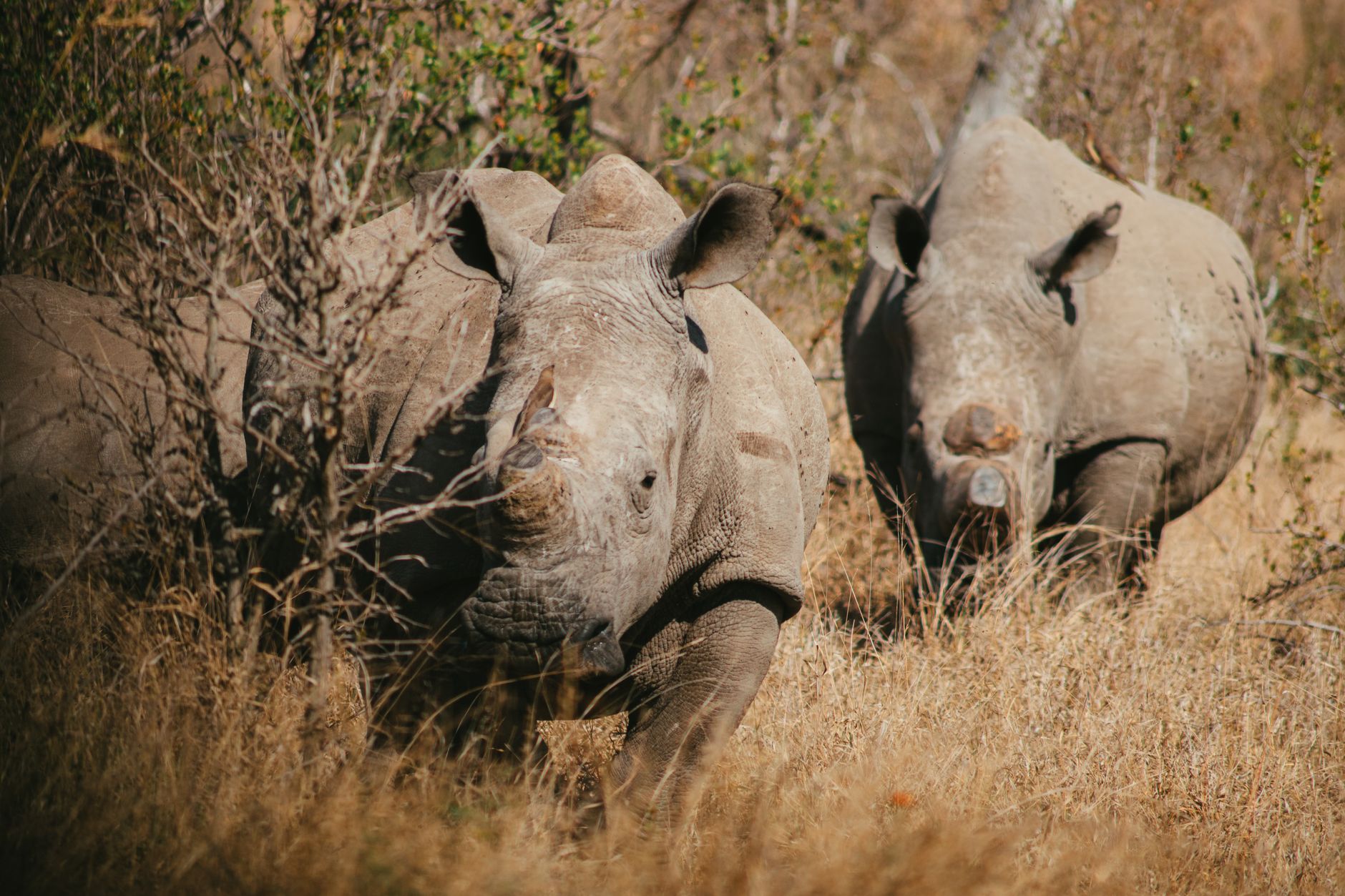
My Anecdote: The South African bush is a place of raw beauty and powerful encounters. I once spent a week at a wildlife rehabilitation center, helping care for orphaned and injured animals – a tiny genet, a majestic eagle, even a young rhino whose mother was poached. It was emotionally taxing, requiring immense patience and resilience, but the moments of connection, like bottle-feeding a baby duiker or watching a rehabilitated bird take its first flight back to the wild, were profoundly rewarding. It's a stark reminder of humanity's impact and our capacity for healing.
The Project: South Africa is a biodiversity hotspot, but its wildlife faces constant threats from poaching, habitat loss, and human-wildlife conflict. Rehabilitation centers rescue, treat, and aim to release wild animals back into their natural habitats. Volunteers are essential for daily operations.
What You'll Do:
- Animal Care: Prepare food, assist with feeding, clean enclosures, and provide enrichment.
- Monitoring & Observation: Observe animal behavior and report any changes to veterinary staff.
- Facility Maintenance: Help with general upkeep, repairs, and construction within the center.
- Anti-Poaching Support: Some programs might involve assisting with patrol support or monitoring systems (though direct anti-poaching is highly specialized).
Where & Details (October 2025):
- South Africa (e.g., Moholoholo Wildlife Rehabilitation Centre, Limpopo; Samara Private Game Reserve, Eastern Cape – focuses on rewilding): These are highly reputable centers. Moholoholo is well-known for its hands-on approach.
- Typical Duration: 2-12 weeks.
- Estimated Cost: $800 - $2,000 USD per week (often includes accommodation, meals, and local transfers).
Why October 2025 is Great: October is spring in South Africa. The weather is warming, the bush is greening, and many animals are giving birth, potentially offering glimpses of new life. It's a fantastic time for wildlife viewing generally.
Instagram Moment: A respectful photo with a rehabilitated animal (only if permitted and safe), or the stunning landscapes of the African bush at sunrise.
5. Rainforest Revival: Reforestation in the Ecuadorian Amazon
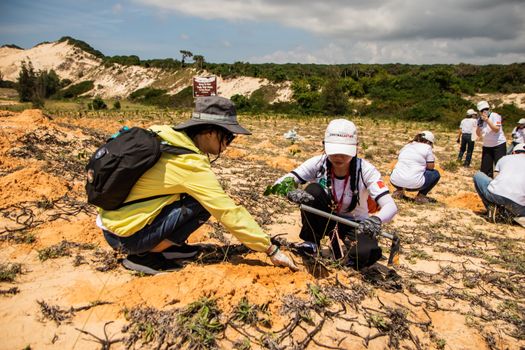
My Anecdote: The Amazon rainforest breathes life into our planet, and being immersed in its sounds, smells, and vibrant energy is truly humbling. I remember trekking through dense jungle in Ecuador, machete in hand (under expert guidance, of course!), to reach a clearing where we would plant saplings. The humidity, the buzzing insects, the sheer scale of the green canopy – it was intense. But as I carefully placed a tiny tree into the rich soil, knowing it would one day contribute to the forest's health, I felt a deep connection to something much larger than myself. It was a silent promise to a vital ecosystem.
The Project: The Amazon rainforest is under immense pressure from deforestation due to logging, agriculture, and mining. Reforestation projects are critical for restoring degraded areas, combating climate change, protecting biodiversity, and supporting indigenous communities.
What You'll Do:
- Nursery Work: Collect seeds, prepare soil, and care for seedlings in nurseries.
- Tree Planting: Trek into designated areas to plant native tree species.
- Trail Maintenance: Help maintain trails for ecological monitoring.
- Community Support: Assist local communities with sustainable agriculture or educational initiatives.
- Biodiversity Monitoring: Help identify and record plant and animal species.
Where & Details (October 2025):
- Ecuador (e.g., Jatun Sacha Biological Station, near Tena; various projects around Misahualli): These areas are known for their rich biodiversity and active conservation efforts.
- Typical Duration: 1-4 weeks.
- Estimated Cost: $300 - $800 USD per week (often includes basic accommodation, meals, and local transport).
Why October 2025 is Great: October often marks the beginning of the "less dry" season or early wet season in parts of the Amazon, making it an ideal time for planting as the young trees will receive ample moisture to establish themselves. The jungle is incredibly vibrant.
Instagram Moment: A panoramic shot of the lush Amazon canopy, or a close-up of your hands planting a sapling, symbolizing new life.
Beyond the Projects: Making the Most of Your Volunteer Journey
Your commitment doesn't end when you leave the project site. Here are some final tips to ensure your October 2025 conservation adventure is impactful and memorable:
Choosing the Right Program for YOU:
- Research, Research, Research: Look for organizations with a long track record, positive reviews, and direct communication with staff.
- Ask Questions: Don't hesitate to ask about daily tasks, accommodation, safety protocols, and how your fees are utilized.
- Align with Your Passions: Pick a project that genuinely excites you, whether it's working with animals, the ocean, or forests. Your enthusiasm will be your greatest asset.
Funding Your Adventure:
- Fundraising: Many volunteers successfully fundraise through platforms like GoFundMe or by hosting events.
- Budget Smart: Look for flights in advance, consider off-peak travel dates, and be mindful of your spending on the ground.
- Scholarships: Some larger organizations offer scholarships or grants for volunteers.
What to Pack:
- Quick-Dry Clothing: Essential for humid climates.
- Sturdy, Closed-Toe Shoes/Boots: For walking, hiking, and protection.
- Reusable Water Bottle: Stay hydrated and reduce plastic waste.
- Biodegradable Sunscreen & Insect Repellent: Protect yourself and the environment.
- Basic First-Aid Kit: Band-aids, antiseptic wipes, pain relievers.
- Headlamp/Flashlight: For night patrols or power outages.
- Camera: To capture your incredible journey (but always be respectful and ask permission).
- Open Mind & Adaptable Spirit: These are your most valuable tools!
Staying Healthy & Safe:
- Consult Your Doctor: Get advice on vaccinations, malaria prevention, and any pre-existing conditions.
- Travel Insurance: Absolutely non-negotiable.
- Respect Local Customs: Learn a few basic phrases and be mindful of cultural norms.
- Stay Informed: Keep an eye on local news and travel advisories.
Post-Volunteer Impact:
- Share Your Story: Inspire others by sharing your experiences on social media, with friends and family, or right here on Tripsora!
- Continue Supporting: Donate to the organization, advocate for their cause, or find local conservation efforts in your hometown.
- Sustainable Practices: Integrate what you learned into your daily life – reduce waste, conserve energy, support ethical businesses.
Your Legacy Awaits in October 2025
As I reflect on those moments – the tiny turtle, the gentle elephant, the vibrant coral, the quiet sapling – I realize that these weren't just trips; they were chapters in my life story. They were moments where I felt truly alive, connected, and purposeful.
October 2025 isn't just another month on the calendar; it's an invitation. An invitation to step beyond the ordinary, to trade comfort for contribution, and to witness the profound beauty of our planet up close, while actively working to preserve it. Imagine closing out 2025 knowing you played a tangible part in protecting a species, restoring an ecosystem, or empowering a community.
Which October 2025 adventure calls to your spirit? The call of the wild, the whisper of the ocean, or the silent strength of the forest? Don't just dream about a better world; go out there and help build it. Start planning your impact trip today – your legacy awaits.
---
More pictures



Tags
Share this guide
We may earn a commission if you click a link and buy a product or service, at no extra cost to you. How affiliate links work.
Been there?