
Tired of tourist traps? Discover incredible community tourism projects that give back directly to the people and places you're visiting. These hidden gems offer authentic cultural experiences you won't find anywhere else, and you'll feel good about supporting them.
Introduction: Beyond the Tourist Trail
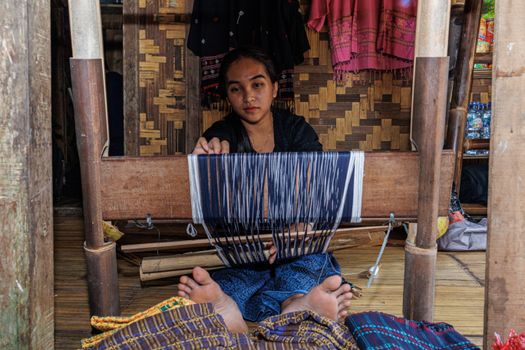
My trip to rural Guatemala changed everything. I’d initially planned a typical tourist itinerary: Antigua, Lake Atitlán, maybe a quick trip to Tikal. But a chance encounter with a local weaver in a tiny village completely shifted my perspective. She wasn’t hawking souvenirs; she was sharing her life, her art, her story – and inviting me to participate in her community’s cooperative. That’s when I discovered the power of community tourism, and the incredible impact it has on both travelers and locals. This isn't your average "bucket list" travel; it's about meaningful connection and responsible exploration.
1. Weaving Dreams in San Juan la Laguna, Guatemala:
This isn’t your typical tourist marketplace. In San Juan la Laguna, women's cooperatives produce stunning textiles using traditional techniques passed down for generations. By purchasing directly from the artisans, you bypass middlemen and ensure a fair wage. Workshops are available, offering a chance to learn the intricate art of backstrap weaving. The experience is far more enriching than buying a mass-produced souvenir. (Average cost for a workshop: $25-40, depending on duration). You can even stay in a locally-owned guesthouse for an even deeper immersion.
2. Homestays in the Himalayas: Nepal's Hidden Villages:
Trekking in Nepal is popular, but opting for a homestay in a remote village offers a far more impactful experience. Instead of staying in a commercial lodge, you'll stay with a local family, sharing their meals, learning about their daily life, and contributing directly to their income. This isn't just about seeing the Himalayas; it's about understanding the lives of the people who call it home. (Prices vary greatly depending on location and duration, but expect to pay around $20-$40 per night, including meals). Look for organizations that facilitate responsible homestays and ensure fair compensation for the families.
3. Coffee Plantation Volunteering in Colombia:
Colombia's coffee region is breathtaking, but many coffee tours are superficial. Instead, consider volunteering on a small, family-run coffee plantation. You'll participate in the entire process, from picking beans to processing them, gaining a deeper understanding of the labor and dedication involved. You’ll contribute directly to the farm's sustainability and learn about ethical coffee production. (Volunteer programs typically involve a small fee to cover accommodation and meals, ranging from $30-$50 per day). Research organizations carefully to ensure they are genuinely supporting local farmers.
4. Marine Conservation in the Philippines:
The Philippines' coral reefs are facing numerous threats. Support local conservation efforts by participating in a volunteer program focused on reef restoration or marine life monitoring. You’ll be contributing to a vital cause while experiencing the stunning underwater world firsthand. (Volunteer programs vary, but expect to pay a fee covering accommodation, meals, and equipment, usually between $50-$100 per day). Choose organizations with transparent practices and a clear commitment to environmental protection.
5. Community-Based Tourism in Rural Thailand:
Move beyond the bustling city of Bangkok and discover the peaceful charm of rural Thailand. Numerous communities offer unique experiences like cooking classes using local ingredients, traditional crafts workshops, and visits to organic farms. By choosing community-based tourism, you support local businesses and gain an authentic insight into rural Thai life. (Prices for these activities are usually very affordable, ranging from $10-$30 per activity). Seek out locally-owned businesses and avoid large tour operators that often take a larger share of the profits.
6. Artisan Workshops in Oaxaca, Mexico:
Oaxaca is a treasure trove of traditional crafts. Instead of buying souvenirs from impersonal shops, participate in workshops to learn pottery, weaving, or woodcarving techniques directly from the artisans themselves. This hands-on experience is incredibly rewarding and ensures that your money goes directly to the creators. (Workshop prices vary, but expect to pay around $20-$50 for a half-day workshop). Look for workshops recommended by local guides or community centers.
Practical Tips for Responsible Community Tourism:
* Research thoroughly: Don't just book the first tour you find. Read reviews, check the organization's mission statement, and ensure that they are genuinely committed to supporting local communities.
* Learn basic phrases: Even a few words in the local language will go a long way in showing respect and building connections.
* Be mindful of cultural norms: Dress modestly, ask permission before taking photos, and be respectful of local customs.
* Support local businesses: Eat at local restaurants, shop at local markets, and choose locally-owned accommodation.
* Leave no trace: Respect the environment by minimizing your impact and taking your trash with you.
* Be open to new experiences: Embrace the unexpected and be willing to step outside your comfort zone.
Conclusion: Making a Difference, One Trip at a Time
Community tourism isn't just about ticking off destinations on a list; it's about creating meaningful connections and contributing to the well-being of the communities you visit. By choosing to support these hidden gems, you're not only enriching your own travel experience but also making a tangible difference in the lives of others. So, ditch the tourist traps, embrace the authentic, and discover the transformative power of responsible travel. What are you waiting for? Start planning your next adventure today!
More pictures
Tags
Share this guide
We may earn a commission if you click a link and buy a product or service, at no extra cost to you. How affiliate links work.
Been there?