
Are you tired of seeing the same staged photos on your feed, wondering if there's more to travel than chasing likes? It's time to ditch the influencer playbook and discover a world of travel that genuinely gives back. This post reveals incredible community tourism projects that offer authentic experiences, empower locals, and create lasting memories – the kind of travel influencers often overlook. ---
The sun dipped below the horizon in Santorini, painting the iconic caldera in hues of orange and purple. It was breathtaking, no doubt. But as I stood amidst hundreds of other tourists, all jostling for the perfect selfie spot, phone screens illuminating faces more than the actual sunset, a strange feeling washed over me. Disappointment.
I’d seen this moment countless times on Instagram – the perfectly framed shot, the serene influencer gazing out, captioning about "finding peace." But my reality was a cacophony of camera clicks, impatient nudges, and a distinct lack of genuine connection to the place. This wasn't the peace I was seeking; it was just another item ticked off a social media checklist.
That evening, over a quiet dinner away from the crowds, I made a promise to myself: my travels would no longer be dictated by what looked good on a feed. I wanted real connection, authentic experiences, and travel that left a positive footprint, not just a digital one. This quest led me down a path less traveled, a path paved with incredible, often unsung, community tourism projects. And let me tell you, these are the true hidden gems that Instagram influencers, chasing their next viral moment, often miss entirely – because they require a little more effort, a lot more heart, and aren't always about the perfectly curated shot. They're about the perfectly lived moment.
The "Insta-Bubble" vs. Real Connection: Why Community Tourism Matters
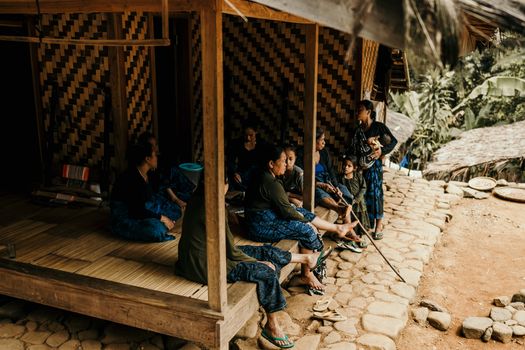
Before we dive into some incredible examples, let's clarify what we're talking about. Community tourism isn't just "visiting a local village." It's a model where the local community owns, manages, and directly benefits from the tourism activities. It's about empowering people, preserving cultures, and protecting environments, all while offering travelers an unparalleled, authentic experience.
Contrast this with the "Insta-bubble" – a world of travel often driven by aesthetics over ethics, where destinations become backdrops for sponsored content. This can lead to overtourism, cultural commodification, and a significant portion of tourism revenue bypassing the local economy, flowing instead to international corporations or opportunistic intermediaries. Influencers, while sometimes well-intentioned, often contribute to this cycle by promoting easily accessible, visually appealing (but not always sustainable or locally beneficial) spots.
When you engage in community tourism, you're not just a spectator; you're a participant. You're not just taking photos; you're making memories and meaningful connections. You're not just spending money; you're investing directly into the lives and livelihoods of the people who call that place home. It's travel with purpose, and it's infinitely more rewarding.
Andean Heights: Weaving Stories, Building Futures in Peru
My journey into authentic travel took me high into the Sacred Valley of Peru, far from the crowded tourist buses heading directly to Machu Picchu. I was drawn to a project called Awamaki in Ollantaytambo, a non-profit working with women's weaving cooperatives in remote Andean villages.
I remember the winding dirt road, the crisp mountain air, and the sheer beauty of the terraced fields. When I arrived, I was welcomed not by a tour guide with a fixed itinerary, but by a group of Quechua women, their faces weathered by sun and smiles. They didn't speak much English, and my Spanish was rudimentary, but the language of hospitality is universal.
I spent a day learning the intricate art of backstrap weaving. My fingers, clumsy at first, slowly began to mimic the deft movements of my teacher, a woman named Elena. She showed me how they dye alpaca wool using natural pigments from plants and insects, a tradition passed down through generations. We shared a simple meal of potatoes and quinoa, laughing with the help of a local translator about my attempts at weaving. It wasn't about the perfect photo for my feed; it was about the shared laughter, the quiet concentration, the feeling of my hands creating something tangible alongside these incredible women.
What Makes it Special: Awamaki connects these talented female artisans with fair trade markets, providing them with sustainable income, leadership opportunities, and access to education for their children. It ensures that the rich cultural heritage of Andean weaving isn't lost but celebrated and sustained. Your visit directly supports their independence and keeps ancient traditions alive.
Practical Details:
- Location: Ollantaytambo, Sacred Valley, Peru.
- How to Visit: Awamaki offers half-day or full-day weaving workshops (approx. $80-$150 USD, depending on duration and group size), cultural tours, and opportunities to purchase directly from their fair-trade store. You can book directly through their website or inquire at their office in Ollantaytambo.
- Best Time: Year-round, but the dry season (May to October) offers clearer skies for mountain views.
- What to Expect: A genuine, hands-on cultural exchange. Be prepared for basic facilities in some villages and come with an open heart. Learning a few basic Quechua or Spanish phrases will go a long way.
- "Insta-Worthy" Moments: Vibrant, hand-dyed textiles; the intricate process of weaving; genuine smiles and shared moments with the artisans; stunning Andean mountain backdrops. These aren't staged photos; they're snapshots of real life and profound connection.
Costa Rica's Green Heart: Protecting Paradise, Empowering Communities
My next adventure took me deep into the lush, emerald embrace of Costa Rica's Caribbean coast, to a place far removed from the zip-lining and resort-filled areas often highlighted by mainstream travel. I ventured to the remote Pacuare River, home to La Tortuga Feliz, a community-run eco-lodge and sea turtle conservation project.
Getting there was an adventure in itself – a long bus ride, followed by a bumpy boat trip through winding canals. But the moment I stepped onto the sandy path leading to the lodge, enveloped by the symphony of the rainforest, I knew I was somewhere special. There was no Wi-Fi, no air conditioning, just the raw beauty of nature and the rhythmic crash of the Caribbean waves.
My days were spent patrolling the beach at night with local guides, searching for nesting sea turtles. The sheer awe of watching a giant leatherback lay her eggs under the moonlight, then helping collect them for the protected hatchery, is an experience that words can barely capture. During the day, I joined guided walks through the jungle, learning about medicinal plants and spotting howler monkeys and sloths, all from guides who grew up in these very forests. They weren't just sharing facts; they were sharing their home, their heritage, and their passion for conservation.
What Makes it Special: La Tortuga Feliz is entirely managed by the local community, many of whom were once involved in turtle egg poaching. The project provides an alternative, sustainable income, transforming former poachers into passionate conservationists. Your stay directly funds turtle protection efforts, community development, and offers travelers a chance to actively participate in preserving one of the world's most vital ecosystems.
Practical Details:
- Location: Pacuare River, Limón Province, Costa Rica (accessible via boat from Limón).
- How to Visit: Book directly through their website or via responsible eco-tourism operators. Packages typically include accommodation, meals, and guided activities like turtle patrols (seasonal), jungle walks, and canal tours. Expect to pay around $100-$150 USD per person per night for an all-inclusive experience.
- Best Time: The sea turtle nesting season (March to October for Leatherbacks, June to October for Green and Hawksbill turtles) is prime for conservation efforts, but the jungle is vibrant year-round.
- What to Expect: Rustic accommodation, no internet, and a deep immersion in nature and conservation work. Be prepared for humidity and insects (bring repellent!). This is not a luxury resort; it's a genuine eco-adventure.
- "Insta-Worthy" Moments: Witnessing a sea turtle nesting; baby turtles making their dash to the ocean; lush rainforest scenery; incredible wildlife (monkeys, sloths, diverse birds); the genuine camaraderie of working alongside local conservationists. These photos tell a story of impact and wonder.
Moroccan Medina Magic: Artisans, Authenticity & Shared Heritage
My quest for authenticity next led me to the ancient medina of Fes, Morocco. While the main souks are a feast for the senses, I deliberately sought out the less-trodden paths, guided by a local friend I’d made. He led me to a small, unassuming doorway, tucked away in a labyrinthine alley, that opened into a vibrant pottery workshop.
Inside, the air was thick with the scent of clay and the rhythmic whir of a potter's wheel. There, an elderly master craftsman, his hands stained with generations of tradition, was shaping a tagine pot with incredible precision. There was no hard sell, no rush, just a quiet invitation to observe. We shared sweet mint tea, and through my friend's translation, the artisan shared stories of his family, his craft, and the challenges of preserving traditional techniques in a modern world.
I later discovered that this workshop was part of a cooperative that ensured fair wages and sustainable practices for artisans. I spent hours there, not just observing but trying my hand at shaping clay (with much less success than the master!). The experience was a profound reminder that true beauty lies not just in the finished product, but in the hands that create it and the stories they carry.
What Makes it Special: Many Moroccan artisans struggle against mass-produced imports and exploitative middlemen. Supporting community-based cooperatives ensures that skilled craftspeople receive fair compensation for their work, that traditional techniques are passed down to younger generations, and that the cultural heritage of Moroccan artistry thrives. You're buying directly from the source, ethically.
Practical Details:
- Location: While I visited Fes, similar artisan cooperatives exist across Morocco, particularly in Marrakech (e.g., Anou cooperative for rugs) and smaller villages known for specific crafts (e.g., Tamegroute for green pottery, Essaouira for thuya wood).
- How to Visit: It requires a bit more intentional searching. Ask locals (your riad host, a trusted guide) for recommendations for cooperatives or workshops, not just "shops." Look for places where you can see the artisans at work. Many offer short workshops (approx. $30-$70 USD for a few hours) or direct sales.
- Best Time: Year-round, but spring (March-May) and autumn (September-November) offer the most pleasant weather.
- What to Expect: A sensory overload of sights, sounds, and smells. Be prepared to haggle respectfully, but remember the value of fair trade. Come with an open mind and a willingness to engage.
- "Insta-Worthy" Moments: Intricate mosaic tiles; vibrant, hand-painted ceramics; the mesmerizing process of leather tanning (from a respectful distance!); the rich colors of hand-woven carpets; the genuine smiles of artisans proud of their craft. These photos showcase skill, heritage, and human connection.
Beyond the Filter: How to Find and Support Genuine Community Tourism
So, how do you escape the influencer-driven frenzy and find these incredible, impactful experiences? It takes a little more legwork than simply typing "best photo spots" into Google, but the rewards are immeasurable.
- Do Your Research (Beyond the 'Gram):
- Look for Certifications: Organizations like Fair Trade Tourism, Responsible Travel, and EarthCheck certify businesses that meet high ethical and sustainable standards.
- Ethical Travel Platforms: Websites like Responsible Travel, G Adventures (specifically their "local living" or "community stay" trips), and Intrepid Travel often highlight community-based projects.
- Local NGOs and Non-Profits: Search for local organizations working in conservation or community development in your chosen destination. Many offer tourism components to fund their work.
- Ask Locals, Not Algorithms: Your best resource is often the people who live there. Ask your guesthouse owner, a local guide, or even a friendly shopkeeper for recommendations on authentic experiences that benefit the community. Be specific: "Where do locals go for authentic experiences?" or "Are there any projects supporting local artisans directly?"
- Look for Small Scale and Local Ownership: Community tourism projects are typically smaller, locally owned, and managed. If a massive international chain is promoting a "community experience," dig deeper to see how much of the revenue truly stays local.
- Check for Transparency: Ethical projects are usually transparent about how your money is used and the impact it has. Don't be afraid to ask questions.
- Book Directly When Possible: Booking directly with the community or project often ensures a larger percentage of your money goes directly to them, cutting out intermediaries.
- Be a Respectful Guest:
- Learn Basic Phrases: Even "hello," "thank you," and "please" in the local language can open doors.
- Ask Before You Photograph: Always, always ask for permission before taking someone's photo, especially children. Respect their answer if they decline.
- Dress Appropriately: Research local customs and dress codes.
- Engage and Listen: Be curious, ask questions, and genuinely listen to the stories and perspectives of your hosts. This is where the magic happens.
- Support Local Businesses: Eat at local restaurants, buy crafts directly from artisans, and use local transportation.
- Beware of "Voluntourism" Traps: Not all projects labeled "volunteer" are ethical. Be wary of projects that seem to create dependency, take jobs from locals, or exploit vulnerable populations. Good community tourism empowers, it doesn't just "help."
Why It's Worth It: Beyond the Likes
Ditching the influencer-driven travel script isn't just about being "ethical" – it's about unlocking a far richer, more meaningful travel experience for you.
The fleeting satisfaction of a perfectly staged photo pales in comparison to the warmth of a shared meal with a local family, the pride in helping protect an endangered species, or the joy of learning an ancient craft directly from a master. These are the moments that truly transform you, broaden your perspective, and leave you with stories that resonate far beyond the lifespan of an Instagram post.
When you support community tourism, you're not just traveling; you're contributing to a better world, one authentic interaction at a time. You're becoming part of a solution to overtourism and cultural erosion. You're investing in human connection, cultural preservation, and environmental sustainability. And isn't that what travel should truly be about?
So, the next time you're planning a trip, resist the urge to just scroll through your feed for inspiration. Dig a little deeper. Seek out the stories, the people, and the projects that are truly making a difference. Trust me, these are the adventures that Instagram influencers don't want you to know, because they’re too busy chasing the next perfect shot, while you’ll be out there, living a truly perfect experience.
Are you ready to truly travel? Share your thoughts below! Have you experienced community tourism? Tell us about it!
---
More pictures




Tags
Share this guide
We may earn a commission if you click a link and buy a product or service, at no extra cost to you. How affiliate links work.
Been there?