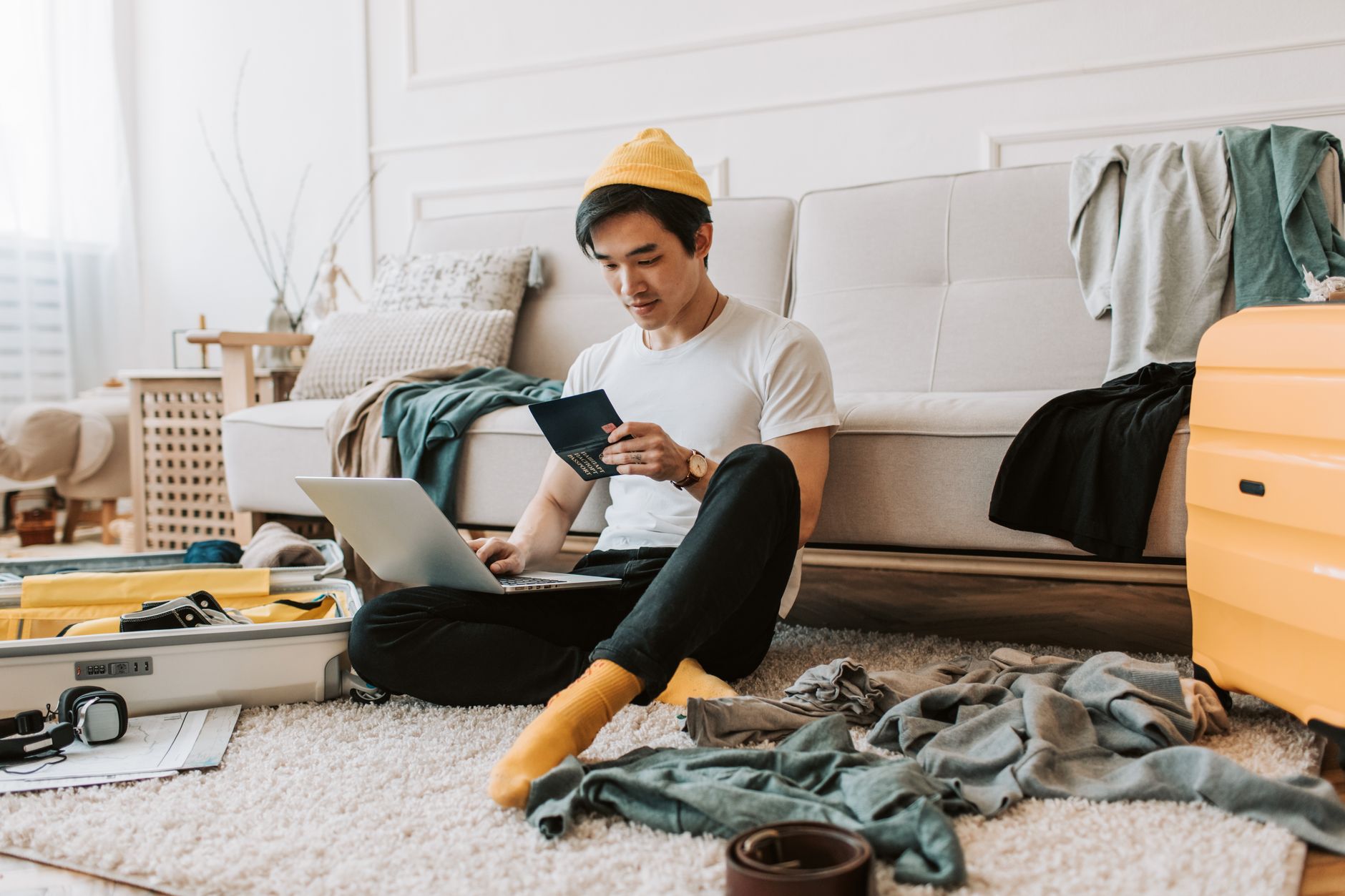
Tired of lonely hotel rooms and chaotic hostel dorms? Recent data shows a massive 150% surge in coliving bookings among solo travelers. This ultimate guide breaks down the data, reveals the world's top coliving hubs, analyzes the real costs, and gives you the insider playbook to transition from a lonely tourist to a thriving global citizen. ---
The Hook: The Night My Solo Travel Blueprint Changed Forever
I stepped off the train at Lisbon’s Santa Apolónia station and was immediately hit by the scent of roasting espresso beans, diesel fumes, and salty Atlantic air. My shoulders ached under the weight of a 60-liter Osprey pack. I had a booking at a standard boutique hotel in the Alfama district, but as I walked past the glowing windows of a restored 18th-century townhouse on Rua de São João da Praça, I stopped.
Through the glass, I didn't see bored tourists staring at their phones in a sterile lobby. Instead, I saw a dozen people gathered around a long, rustic wooden table. Some were typing furiously on mechanical keyboards; others were sharing a bottle of local Douro red wine, laughing over a map of Portugal. A sign by the door read simply: Outsite Coliving.
That night, alone in my quiet, overpriced hotel room, the silence was deafening. The next morning, I checked out early, booked a room at the coliving space, and stepped into a movement that is systematically dismantling the traditional travel industry.
According to recent industry data, I am far from alone. Solo travel is undergoing its most radical transformation since the invention of the budget airline, and coliving spaces are leading the charge.
---
1. The Hard Data: Why Solo Travelers are Abandoning Traditional Lodging
For decades, solo travelers had two primary options: the isolation of a hotel room or the chaotic, sleep-deprived environment of a hostel dorm. But recent data shows a massive paradigm shift.
According to the 2023-2024 Global Digital Nomad Report, over 43% of remote workers and solo travelers now prefer coliving spaces over traditional rentals or hotels. Furthermore, data from the Wyse Travel Confederation indicates a 150% year-over-year increase in bookings for shared-living workspaces.
``` [Solo Traveler Accommodation Preferences - 2024 Shift] Coliving Spaces: ████████████████ 43% Airbnbs/Rentals: ████████████ 30% Hotels: ████████ 18% Hostels: ████ 9% ```
This trend isn't just about finding a place to sleep; it’s a direct response to the "loneliness epidemic" affecting remote workers. The MBO Partners State of Independence study revealed that while 84% of digital nomads report high satisfaction with their lifestyle, 31% struggle with loneliness and isolation.
Coliving spaces solve this by offering built-in community, high-speed infrastructure, and flexible lease terms. The average age of colivers has also shifted from early-20s backpackers to mid-30s professionals (with an average age of 32 and a median income of $85,000 USD). We are no longer talking about gap-year students sharing a box of stale cereal; we are talking about highly productive, location-independent professionals seeking curated experiences.
---
2. Anatomy of a Next-Gen Coliving Space
What actually happens inside these spaces? It is a highly engineered ecosystem designed to balance productivity with social connection.
Ergonomics Over Aesthetics (But Make It Chic)
Unlike hostels that slap a "coworking" label on a wooden bench with a single power strip, next-gen coliving spaces treat infrastructure as a utility. You will find:
- Symmetrical Fiber-Optic Internet: Minimum speeds of 300 Mbps, backed up by secondary cellular connections.
- Ergonomic Workstations: Standing desks, Herman Miller or Steelcase task chairs, and external monitor rentals.
- Soundproof Zoom Cabins: Dedicated phone booths insulated with acoustic foam so you can take client calls without background noise.
Curated Micro-Communities
The magic of coliving lies in the "Community Manager"—a role that is part local concierge, part event coordinator, and part social glue. Instead of cheap pub crawls, daily schedules at premium spaces feature:
- Skillshares and Masterminds: Where a software engineer from Berlin teaches a copywriter from New York how to automate their workflow using AI.
- Family Dinners: Often prepared by a local chef, showcasing regional ingredients like fresh-caught octopus in Portugal or mole in Oaxaca.
- Wellness Integration: Rooftop yoga sessions at sunrise, guided breathwork, and weekend surf trips.
---
3. The Top 4 Global Coliving Hubs Redefining the Movement
To understand how this trend is playing out globally, let’s look at the gold standards of coliving that are currently dominating the industry.
1. Outsite (Ericeira, Portugal)
Located in a world-class surfing reserve just 45 minutes north of Lisbon, this space caters to creative professionals who want to surf at dawn and code by midday.
- The Vibe: Coastal minimalist. Think whitewashed walls, light pine wood, and ocean-facing balconies.
- The Infrastructure: A massive, sunlit coworking room on the ground floor, complete with private phone booths and a communal kitchen stocked with local olive oil and sea salt.
- Insider Detail: The ocean breeze keeps the space naturally cool, but the real draw is the outdoor courtyard where residents gather at sunset to plan weekend trips to nearby Sintra.
2. Sun and Co. (Javea, Spain)
Frequently voted the best coliving space in the world, Sun and Co. is located in a restored 19th-century townhouse in a historic Spanish coastal town.
- The Vibe: Deeply communal and collaborative. This is not a place where you can easily remain an anonymous stranger.
- The Infrastructure: Excellent standing desks, a quiet focus room, and a beautiful outdoor patio shaded by a mature lemon tree.
- Insider Detail: Their signature "Friday Night Pizza Night" involves walking to the local bakery to bake homemade pizzas in a wood-fired oven that has operated since 1920.
3. Lyf by Ascott (Funan, Singapore)
For those who prefer hyper-modern urban environments over beach towns, Lyf offers a glimpse into the future of high-density city living.
- The Vibe: Cyberpunk-chic meets Scandinavian design. Neon lights, interactive art installations, and smart-room tech.
- The Infrastructure: Multipurpose creative studios, high-end podcasting booths, and massive communal kitchens equipped with commercial-grade appliances.
- Insider Detail: The space is integrated directly into the Funan Mall, meaning you can access an indoor climbing wall, a subterranean cinema, and a rooftop urban farm without ever stepping outside.
4. Selina (Antigua, Guatemala)
Selina bridges the gap between the social energy of a hostel and the functionality of a coliving hub.
- The Vibe: Bohemian jungle. Think hand-woven Mayan textiles, lush interior gardens, and volcanic stone pathways.
- The Infrastructure: A dedicated, air-conditioned coworking sanctuary set away from the lively bar area, featuring hot desks and private meeting rooms.
- Insider Detail: The central courtyard features a pool surrounded by avocado trees; grab a mezcal cocktail at the bar after 6:00 PM to connect with the local digital nomad community.
---
4. The Financial Reality: Is Coliving Actually Worth It?
One of the biggest misconceptions about coliving is that it is an expensive luxury. When you break down the expenses of solo travel using traditional platforms, the value proposition of coliving becomes clear.
Let’s compare a one-month stay in Lisbon, Portugal:
| Expense Category | Traditional Airbnb + Coworking Pass | Curated Coliving Space (e.g., Outsite/Selina) | | :--- | :--- | :--- | | Accommodation | $1,800 (Private apartment, Alfama) | $1,400 (Private room, shared bathroom/kitchen) | | Coworking Membership| $250 (Hot desk at local space) | Included (24/7 access to on-site workspace) | | Utilities & High-Speed Wi-Fi| $120 (Often variable/unreliable) | Included (High-speed fiber + backups) | | Gym/Wellness Membership| $80 (Local gym drop-ins) | Included (On-site yoga/gym facilities) | | Social Events & Networking| $150 (Meetup groups, paid events) | Included (Weekly dinners, masterminds, hikes) | | Cleaning & Housekeeping | $60 (Self-managed or extra fee) | Included (Weekly room cleaning & linen change) | | TOTAL ESTIMATED COST | $2,460 USD | $1,400 USD |
By bundling these services, coliving spaces offer a highly competitive rate while eliminating the administrative headaches of setting up utilities, fighting with landlords, or dealing with unreliable Wi-Fi.
---
5. The Dark Side of Coliving (And How to Avoid It)
While the data paints a rosy picture, coliving is not a magic bullet for every traveler. If you don't research properly, you can easily end up in a frustrating situation.
- The "Toxic Positivity" Trap: Some spaces push forced socialization. If you are an introvert who needs deep solitude to recharge, the constant pressure to join group dinners, icebreakers, and surf lessons can feel exhausting.
- The Cliquey Community: If you arrive midway through a cohort’s stay, you might find that tight-knit social groups have already formed, leaving you feeling like the new kid at a high school lunch table.
- The Noise Factor: Historic buildings (especially in Europe) often have thin walls. If your room is located directly above the communal kitchen or coworking space, prepare to hear mechanical keyboards and espresso machines at 6:00 AM.
How to Vet a Space Before Booking
- Read the Slack/WhatsApp Policy: Ask if the space has an active online community platform for current and past guests. A healthy, self-moderated channel is a sign of a genuine community.
- Check the Quiet Hours: Ensure the space enforces quiet hours in residential wings between 10:00 PM and 8:00 AM.
- Inquire About Room Location: Specifically ask for a room away from the communal kitchen, laundry facilities, and main coworking entrance.
---
6. Pro-Tips for First-Time Colivers
To get the most out of your first coliving experience, follow these tested strategies:
- Pro-Tip 1: The Booking Window: Book your space at least 3 months in advance for high-season hubs (e.g., Madeira in winter, Ericeira in summer, or Bali in spring). The best rooms with private en-suite bathrooms sell out fast.
- Pro-Tip 2: The Wi-Fi Audit: Never take a website's word for it. Send a message to the community manager asking for a screenshot of a recent Speedtest conducted inside the coworking room.
- Pro-Tip 3: The Secret Entrance: When staying at historic spaces, ask the staff about hidden shortcuts. For example, at Sun and Co. in Javea, there is a side door through the courtyard that lets you bypass the main lobby entirely when coming home late.
- Pro-Tip 4: Bring a Travel Router: Sometimes the main Wi-Fi network gets crowded. A portable travel router (like the GL.iNet GL-MT3000) allows you to bridge the connection, create your own secure network, and run a hardwired Ethernet cable directly to your laptop.
---
Quick Facts: Planning Your First Coliving Adventure
- Estimated Monthly Cost: $1,200 - $2,500 USD (depending on location and room type).
- Best Time to Visit: Shoulder seasons (May-June and September-October for Europe; November-February for Southeast Asia and Central America).
- How to Get There: Fly into the nearest international hub, then use local rideshare apps (like Bolt in Europe or Grab in Asia) to reach the space. Most premium coliving spaces offer direct airport shuttle coordination for a small fee.
- Top Platforms to Book: Outsite, Selina, Coliving.com, and Anyplace.
---
More pictures




Tags
Share this guide
We may earn a commission if you click a link and buy a product or service, at no extra cost to you. How affiliate links work.
Been there?