
Ever wished you could effortlessly blend in and show genuine respect while exploring new cultures? Forget outdated guides – we're diving into the *trending* clothing customs that are not only respectful but also incredibly stylish and practical for today's conscious traveler. Get ready to elevate your global adventures and connect deeper than ever before!
The Art of Dressing with Respect: Why Your Travel Wardrobe is Trending Towards Conscious Culture
I’ll never forget the first time I traveled to Thailand. I was young, excited, and, frankly, a bit clueless. My backpack was stuffed with cute tank tops, denim shorts, and all the "summer essentials" I thought I needed for a tropical paradise. Fast forward to my first visit to Wat Arun in Bangkok. I arrived, eager to explore the stunning temple, only to be politely turned away at the entrance. My shoulders and knees weren't covered. Mortified, I had to buy a flimsy, oversized sarong from a street vendor – not exactly the elegant, respectful entrance I'd envisioned.
That moment was a pivotal lesson. It wasn't just about covering up; it was about respect. Respect for the local culture, for their traditions, and for the sacred space I was about to enter. Since then, my approach to travel fashion has completely transformed. It's no longer just about looking good in photos (though that's still a bonus!). It's about dressing with intention, understanding, and a deep appreciation for the places and people I encounter.
And guess what? This isn't just my journey. It's a growing trend among travelers worldwide. The "new modesty" isn't about being restrictive; it's about being mindful. It's about finding that sweet spot where comfort meets cultural sensitivity, where style effortlessly blends with respect. In a world increasingly interconnected, travelers are seeking deeper, more authentic experiences. And often, that starts with what you choose to wear.
So, let's dive into the trending clothing customs that are making waves in the conscious travel community right now. These aren't just rules; they're opportunities to connect, learn, and truly immerse yourself in the magic of global exploration.
---
1. The New Modesty: Flowing Fabrics & Effortless Coverage
Gone are the days when "modest" meant frumpy or unfashionable. The biggest trend right now is the rise of stylish, flowing garments that offer coverage without sacrificing an ounce of chic. Think breathable fabrics, elegant silhouettes, and versatile pieces that transition seamlessly from a bustling market to a serene temple.
Why it's trending: This trend is a triple threat: it offers fantastic sun protection in hot climates, provides comfort and breathability, and most importantly, it universally signals respect in cultures where showing less skin is appreciated. It’s practical, comfortable, and looks incredibly sophisticated.
My Story: On my recent trip through Uzbekistan, I practically lived in linen pants and long-sleeved tunics. Not only did they protect me from the desert sun in Bukhara, but I felt completely at ease navigating the ancient madrassas and lively bazaars. I remember a local woman in Samarkand giving me a warm smile and a nod of approval when I entered a mosque with my shoulders and knees covered, my headscarf (more on that later!) draped just right. It wasn't just about following rules; it felt like a silent conversation, a gesture of mutual respect. These pieces, far from being restrictive, felt liberating – allowing me to move freely and focus on the incredible history around me.
Practical Tips for Your Wardrobe:
- Linen Everything: Maxi dresses, wide-leg pants, long-sleeved shirts. Linen is your best friend for its breathability and elegant drape.
- Maxi Skirts & Dresses: Opt for lightweight cotton or rayon. They're comfortable, cool, and instantly provide coverage for legs.
- Loose-Fit Trousers: Think palazzo pants or culottes in natural fibers. They offer more freedom than tight jeans and are much cooler.
- Layering is Key: Pack light cardigans, kimonos, or oversized shirts that can be thrown over a tank top when entering a more conservative area or sacred site.
- Investment Piece: Consider a beautiful, high-quality linen or Tencel jumpsuit. It’s a one-and-done outfit that’s effortlessly chic and respectful. You can find beautiful ones from brands like Everlane or local boutiques in places like Bali for around $80-$150.
---
2. The Art of the Headscarf: Beyond Religion, Into Fashion & Respect
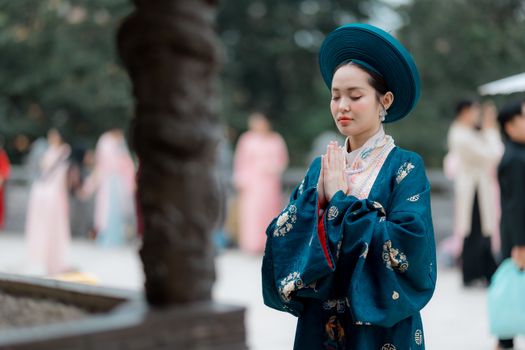
The headscarf, or hijab, khimar, turban, or bandana, has long been a symbol of religious devotion and cultural identity. But among travelers, its use is trending as a versatile accessory that blends practicality, fashion, and profound respect.
Why it's trending: Beyond its primary religious significance in many cultures, a headscarf offers sun protection, keeps hair tidy in windy conditions, and can instantly elevate an outfit. Crucially, it's a powerful tool for showing respect when visiting mosques, temples, or even certain conservative communities. The trend isn't about conversion; it's about cultural empathy and the recognition of shared human values.
My Story: I used to think headscarves were complicated. Then, on a trip to Morocco, I bought a gorgeous silk-cotton blend scarf from a vendor in the Djemaa el-Fna square in Marrakech for about 150 dirhams ($15 USD). The vendor, a kind older woman, patiently showed me several ways to tie it – from a simple drape to a more elaborate turban style. I started wearing it not just for mosque visits but also to protect my hair from the dusty souks and the harsh sun. It became my go-to accessory. I felt a deeper connection to the local women, and I noticed more smiles, more welcoming glances. It wasn't just a piece of fabric; it was a bridge. It’s incredibly Instagrammable too – imagine a vibrant scarf against the backdrop of a blue city like Chefchaouen!
Practical Tips for Your Wardrobe:
- Pack Multiple Scarves: Choose lightweight, large square or rectangular scarves (at least 35x35 inches or 90x90 cm) in natural fabrics like cotton, linen, or silk.
- Practice Tying: Before you go, watch a few YouTube tutorials on different headscarf styles. A simple drape that covers your hair and neck is often sufficient for most religious sites.
- Versatility is Key: A good scarf can also serve as a shawl, a picnic blanket, a beach cover-up, or even a makeshift bag!
- Local Souvenirs: Buy a scarf locally! It supports the community, and you'll get an authentic, often beautifully crafted piece with a story. Look for vendors in bustling markets – they're usually happy to teach you a trick or two.
---
3. Footwear Finesse: The Art of Soles & Souls
While often overlooked, your footwear choices carry significant cultural weight in many parts of the world. The trend here is less about a specific style and more about awareness and convenience.
Why it's trending: In numerous cultures, removing shoes before entering homes, temples, mosques, or even certain shops is a deeply ingrained custom, symbolizing cleanliness and respect. Travelers are increasingly adopting easy-to-remove footwear to navigate these customs smoothly, avoiding awkward fumbling or cultural faux pas.
My Story: My first time in Japan, I was invited to a traditional tea ceremony. I arrived in lace-up sneakers, which, while comfortable, were a pain to take off and put back on multiple times. Then there was the moment I almost forgot to remove my shoes before stepping onto the tatami mats – a huge no-no! Since then, I’ve learned my lesson. On a subsequent trip to Bali, where shoe-removal is common before entering many homes and even some small shops, I exclusively wore slip-on sandals and comfortable loafers. It made every transition effortless. No more holding up lines or feeling like an impolite tourist. It’s a small detail that makes a huge difference in your daily interactions.
Practical Tips for Your Wardrobe:
- Slip-On Shoes are Gold: Invest in comfortable slip-on sneakers, stylish mules, or sturdy sandals that can be easily slipped on and off. Brands like Allbirds or Birkenstock are popular for comfort and ease.
- Cleanliness Matters: Always ensure your shoes are relatively clean, especially if you know you'll be removing them. A quick wipe-down at the end of the day goes a long way.
- Consider Socks: In some places, like Japan, it's customary to wear socks (clean ones!) even when removing shoes. Pack a few pairs of fresh, breathable socks.
- Small Shoe Bag: Carry a small, lightweight bag (like a reusable shopping bag) in your daypack to stash your shoes when you remove them, especially at larger, crowded sites where you might walk barefoot.
---
4. Color Cues & Symbolism: Dressing with Intent
Colors hold profound meanings across cultures, and understanding basic color symbolism is a subtle yet powerful way to show respect. This trend involves a little pre-trip research to avoid unintentional offense and, conversely, to participate appropriately in local celebrations.
Why it's trending: As travelers seek deeper immersion, they’re moving beyond superficial observations and engaging with the nuanced layers of culture. Knowing what colors to wear – or avoid – for specific events or in certain regions reflects a higher level of cultural intelligence.
My Story: I once planned a trip to India during Holi, the festival of colors. My initial thought was to wear my favorite white linen outfit to really make the colors pop! However, a quick chat with a local friend revealed that while white is traditional for Holi itself (to show off the vibrant powders), wearing white to a funeral or in certain solemn contexts would be completely inappropriate, as white is often associated with mourning in South Asian cultures. Conversely, in Western cultures, black is the color of mourning. This small piece of knowledge helped me pack appropriately for Holi (yes, I wore white, knowing it would be covered in vibrant hues!) and also reminded me to be mindful of my clothing choices for other parts of my trip, opting for brighter, celebratory colors when visiting temples or attending local festivals, and more subdued tones for general sightseeing.
Practical Tips for Your Wardrobe:
- Quick Research: Before visiting a specific country or region, do a quick online search for "color symbolism [country name]." This will give you a general idea.
- Neutrals are Safe: If in doubt, stick to neutral colors like beige, gray, navy, and olive green. They are generally safe and less likely to cause offense.
- Embrace Local Celebrations: If you're visiting during a festival, research the traditional colors worn. Participating in this way can be a wonderful experience and a sign of respect. For example, wearing red during Chinese New Year symbolizes good fortune.
- Avoid Provocative Colors: In some conservative areas, very bright or neon colors might be considered too attention-grabbing. Err on the side of subtlety.
---
5. Sustainable & Locally-Sourced Fashion: Respect for People & Planet
The conscious traveler knows that respect extends beyond dress codes to the very fabric of their clothing choices. Supporting local artisans and choosing sustainable materials is a burgeoning trend that speaks volumes about your values.
Why it's trending: This trend aligns with the broader movement towards ethical tourism and sustainable travel. By purchasing clothing or accessories from local artisans, travelers are not only acquiring unique souvenirs but also directly contributing to the local economy, preserving traditional crafts, and minimizing their environmental footprint. It's respect for the people, their heritage, and the planet.
My Story: While exploring the highlands of Guatemala, I stumbled upon a cooperative of Mayan women weaving intricate textiles. Instead of buying a mass-produced item, I spent an afternoon learning about their process, the symbolism in their patterns, and the natural dyes they used. I ended up purchasing a beautiful hand-woven huipil (traditional blouse) for about 400 Quetzales ($50 USD). It was more than just a garment; it was a piece of art, a story, and a direct investment in their community. Wearing it later in my travels, I felt a deep connection to the women who made it and a sense of pride in supporting their incredible craftsmanship. It’s a conversation starter, too! People often ask where I got it, and I love sharing the story.
Practical Tips for Your Wardrobe:
- Research Local Crafts: Before you go, look into traditional textiles or clothing items from your destination.
- Seek Out Co-ops & Markets: Prioritize buying from artisan cooperatives, local markets, or small, independent boutiques rather than large chain stores. Ask about the origin of the materials and the makers.
- Fair Trade Principles: If buying internationally produced items, look for fair trade certifications.
- Pack Less, Buy Local: Consider packing fewer clothes and planning to purchase a few key pieces at your destination. This not only lightens your luggage but also ensures your wardrobe is culturally appropriate and supports local businesses.
- Natural Fibers: Opt for clothing made from natural, biodegradable fibers like organic cotton, linen, hemp, or Tencel, which have a lower environmental impact.
---
6. Activewear with Awareness: Gym Clothes Beyond the Gym
Activewear has become a staple in many wardrobes for its comfort and versatility. However, the trending approach for travelers is to use activewear with awareness, understanding where it’s appropriate and where it might be seen as disrespectful.
Why it's trending: While comfort is paramount for travel, conscious travelers recognize that athletic wear, particularly tight-fitting leggings or revealing tops, may not be suitable for all cultural contexts, especially in more conservative regions or when visiting sacred sites. The trend is about finding the balance – being comfortable for activities, but having options for respectful coverage in public spaces.
My Story: I made this mistake early in my travels. I thought my trusty yoga leggings and a sports bra would be fine for a quick dash to a local market in a small village in Laos. While no one said anything directly, I definitely felt the stares and realized I was significantly underdressed compared to the local women in their traditional skirts and blouses. It was a learning moment. Now, if I’m planning a hike or a yoga class, I’ll wear my activewear, but I always pack a pair of loose linen pants or a long skirt and a modest top to change into, or at least layer over my leggings, before heading into public areas or local communities.
Practical Tips for Your Wardrobe:
- Layer Up: If you plan on wearing leggings or athletic shorts for an activity, always have a long tunic, an oversized shirt, or a knee-length skirt to layer over them when you’re in public spaces.
- Loose-Fit Activewear: Opt for activewear that is less form-fitting. Joggers, loose athletic pants, and oversized t-shirts are generally more culturally acceptable than tight leggings and crop tops.
- Designated Activity Wear: Keep your true "gym clothes" for actual workouts, hikes, or specific outdoor activities, and change out of them before heading to restaurants, markets, or cultural sites.
- Darker Colors: Darker colors in activewear can sometimes be less conspicuous than bright or neon shades.
- Consider Local Activewear: In some destinations, you might find local activewear brands that are designed with cultural norms in mind, offering more modest options.
---
Elevate Your Journey: Respectful Dressing as Your Passport to Deeper Connection
The world is opening up, and with it, a new era of mindful travel. Dressing with respect isn't about conforming or sacrificing your personal style; it's about connecting. It's about showing the people you meet that you value their culture, their traditions, and their way of life. It’s about being a guest, not just a tourist.
When you thoughtfully choose your clothes, you're not just packing a suitcase; you're packing empathy, understanding, and an open heart. These trending clothing customs are more than just fashion statements; they are powerful tools for unlocking richer, more authentic travel experiences. They invite smiles, spark conversations, and pave the way for genuine connection.
So, as you plan your next adventure, think about what your clothes are saying. Will they speak of respect, curiosity, and a willingness to embrace the world on its own terms? I guarantee, when you dress with intention, your journey will be infinitely more rewarding.
What are your go-to respectful travel outfits? Share your favorite tips and stories in the comments below! Let's inspire each other to travel more consciously and respectfully.
More pictures



Tags
Share this guide
We may earn a commission if you click a link and buy a product or service, at no extra cost to you. How affiliate links work.
Been there?