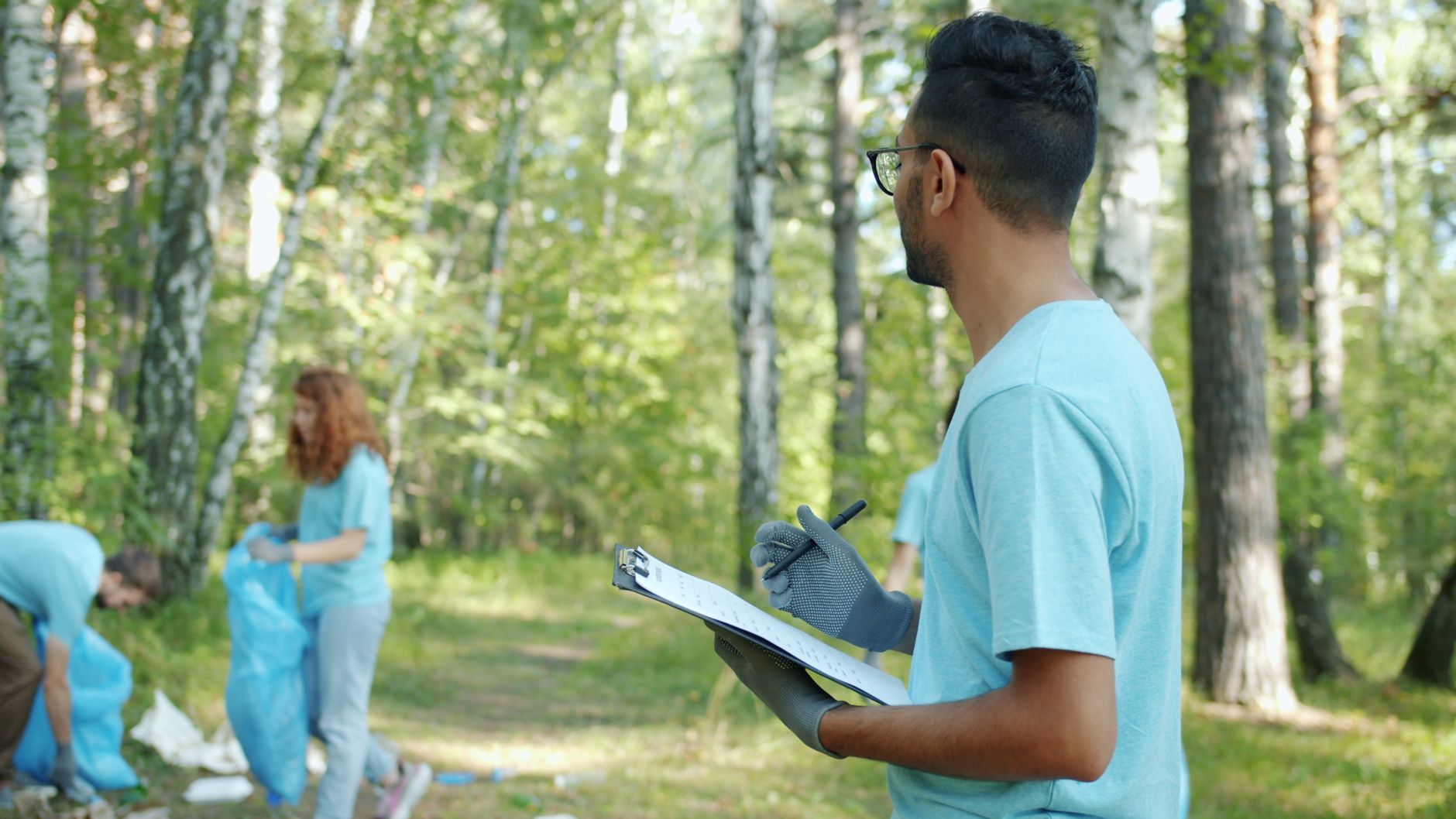
Tired of ordinary vacations? Imagine exchanging poolside lounging for saving sea turtles or tracking elusive big cats. This post unveils the most exciting, trending conservation projects where your passion meets purpose, transforming your trip into a life-changing adventure while making a tangible impact on our planet. ---
Beyond the Postcard: My Quest for Travel That Truly Matters
I stood on a pristine beach in Thailand, the sun setting in a blaze of orange and purple, a cocktail in hand. It was beautiful, undeniably perfect by all conventional standards. Yet, as I watched the waves lap at my feet, a familiar whisper of unease stirred within me. Was this it? Another stunning photo for Instagram, another stamp in my passport, another fleeting escape? The tan would fade, the memories would blur, and I’d be back to the grind, feeling... unchanged.
That was the moment it clicked. My wanderlust wasn't just about seeing new places; it was about feeling new things, doing something meaningful, connecting on a deeper level. I craved travel that left an imprint not just on my passport, but on my soul – and, if possible, on the planet itself.
And that, my fellow travelers, is how I tumbled headfirst into the incredible world of conservation volunteering. It’s a realm where your holiday isn't just a break from life, but an active contribution to something bigger than yourself. It's about trading comfort zones for conservation zones, swapping passive sightseeing for active stewardship.
The best part? Conservation volunteering isn't just for seasoned biologists or hardcore adventurers. It's for anyone with a passion for our planet and a willingness to get their hands dirty. And right now, there are some truly incredible, trending projects that are not only making a huge difference but are also incredibly accessible and rewarding. So, if you're ready to trade your flip-flops for work boots (sometimes, literal ones!), grab your journal. We're diving deep into the most impactful and inspiring conservation projects you can volunteer with today.
---
1. Marine Marvels: Protecting Our Ocean's Gentle Giants & Fragile Ecosystems
The ocean, vast and mysterious, faces unprecedented threats. From plastic pollution to climate change, our marine ecosystems are crying out for help. This is why marine conservation projects are not just trending, but critically important – and incredibly rewarding for volunteers.
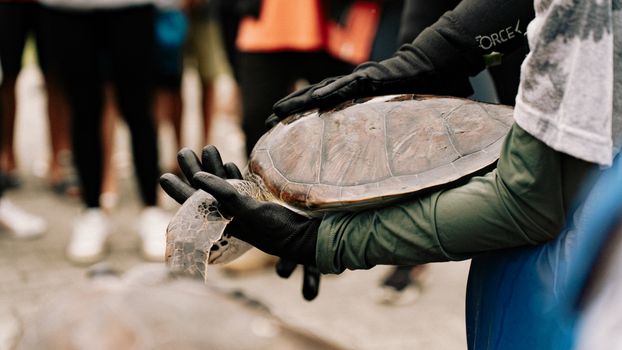
My first foray into marine conservation was in Costa Rica, a country synonymous with biodiversity. I joined a sea turtle conservation project on the Pacific coast, near the Osa Peninsula. Forget luxury resorts; my accommodation was a rustic cabin, powered by solar, just steps from the nesting beach. Each night, under a sky ablaze with stars, we'd patrol the beach, searching for nesting mothers. The first time I witnessed a giant Olive Ridley turtle emerge from the waves, dig her nest, and lay her clutch of leathery eggs, I was speechless. It was ancient, primal, and utterly humbling.
Our job wasn't just to watch; it was to protect. We’d carefully relocate nests laid too close to the tide line or in areas vulnerable to poachers, moving the precious eggs to a protected hatchery. Later, seeing hundreds of tiny hatchlings erupt from the sand and instinctively scramble towards the ocean – a frantic, adorable dash for survival – was an emotional roller coaster. You feel like a tiny guardian, playing a small but vital role in the survival of a species.
What You Can Do & Where:
- Sea Turtle Conservation: Costa Rica, Greece (e.g., Zakynthos), Indonesia (e.g., Bali, Borneo), Mexico. Tasks include night patrols, nest relocation, hatchery management, data collection, beach clean-ups, and educating local communities.
- Coral Reef Restoration: Fiji, Thailand, Belize, Australia (Great Barrier Reef). You might assist marine biologists with coral gardening (propagating coral fragments), transplanting them onto damaged reefs, monitoring reef health, and conducting underwater surveys (often requiring basic dive certification).
- Marine Mammal Research & Monitoring: Iceland, Canada (Vancouver Island), South Africa. This often involves boat-based surveys, identifying whales, dolphins, or seals, collecting data for population studies, and photo-identification.
Practical Details:
- Typical Duration: 1-4 weeks.
- Costs: Expect to pay anywhere from $500 - $2,000+ for two weeks, excluding flights. This usually covers accommodation, food, in-country transport for project work, and project donations.
- Physical Requirements: Moderate. Long walks on beaches, sometimes at night. For coral projects, comfort in water and basic swimming skills are essential; dive certification is a bonus.
- Ethical Considerations: Ensure the project prioritizes animal welfare and conservation over tourist interaction. No touching or disturbing wildlife unless absolutely necessary for their protection under expert guidance.
- Instagram Moment: A breathtaking sunrise over a pristine beach after a night patrol, or a distant shot of hatchlings making their dash for the sea.
---
2. Wild Heartbeats: Guardians of Africa's Iconic Wildlife & Big Cats
Africa's wild heart beats with the rhythm of its incredible wildlife. But poaching, habitat loss, and human-wildlife conflict threaten its most iconic species, especially big cats. Volunteering with wildlife conservation in Africa is not just an adventure; it's a profound connection to the raw power of nature.
My experience took me to South Africa, specifically to a wildlife rehabilitation center near Kruger National Park. This wasn't a safari lodge; it was a working facility dedicated to rescuing, rehabilitating, and, where possible, releasing injured or orphaned animals. My days were a whirlwind of activity: preparing enrichment for lions and leopards (from a very safe distance, I assure you!), cleaning enclosures for rescued cheetahs, assisting with feeding orphaned rhinos (a surprisingly messy but incredibly rewarding task), and helping monitor camera traps for released animals.
One afternoon, I was helping a vet assistant with a routine check-up on a young cheetah, sedated for the process. Seeing that magnificent animal up close, hearing its gentle purr as it came round from the sedation, knowing that my small efforts contributed to its potential future in the wild – it was an experience that etched itself onto my soul. This isn't about cuddling cubs (a huge red flag for unethical sanctuaries); it's about genuine care, hard work, and respecting the wildness of these creatures.
What You Can Do & Where:
- Big Cat & Predator Conservation: South Africa, Namibia, Botswana. Tasks include monitoring lion/leopard/cheetah populations, tracking, anti-poaching patrol support (usually data/logistics, rarely direct patrol for volunteers), enclosure maintenance, preparing feeds, and assisting with veterinary care for rescued animals.
- Rhino & Elephant Anti-Poaching Support: South Africa, Kenya, Zimbabwe. Focus on monitoring, data collection, habitat maintenance, and community engagement to reduce poaching incentives. Volunteers do not participate in armed patrols but support the rangers.
- Wildlife Rehabilitation & Orphanage Work: Kenya, South Africa, Zambia. Caring for injured or orphaned animals, from feeding to enrichment, under strict supervision, with the goal of release.
Practical Details:
- Typical Duration: 2-12 weeks. Longer stays are often preferred for continuity.
- Costs: $1,000 - $3,500+ for two weeks, excluding flights. African wildlife projects can be pricier due to the specialized nature of the work and the resources required.
- Physical Requirements: Moderate to high. Manual labor, long walks, working in heat. Vaccinations (Yellow Fever, Rabies, Tetanus) and malaria prophylaxis are often required.
- Ethical Considerations: This is paramount. Choose projects that prioritize animal welfare, rehabilitation for release (where possible), and never allow direct contact with dangerous wild animals for tourist entertainment. Research extensively to avoid "voluntourism" traps.
- Instagram Moment: A sweeping landscape shot of the African bush at sunrise, or a candid photo of volunteers working alongside local staff, showing teamwork and dedication.
---
3. Rainforest Guardians: Nurturing Earth's Lungs & Biodiversity Hotspots
The world's rainforests are vital for our planet's health, acting as enormous carbon sinks and housing an unparalleled diversity of life. But deforestation continues at an alarming rate. Volunteering with reforestation and biodiversity projects offers a chance to literally plant the seeds of change.
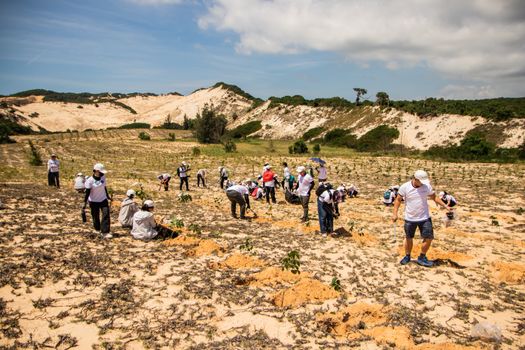
My boots, perpetually muddy, became my constant companions during my time volunteering in the Amazon basin of Ecuador. Our mission? Reforestation and biodiversity monitoring. Waking up to the symphony of howler monkeys and exotic birds, I’d spend my days hiking through dense jungle, carefully planting native saplings in deforested areas. It was back-breaking work under the equatorial sun, but each tiny tree felt like a promise to the future.
Beyond planting, we also assisted local researchers with biodiversity surveys. This involved setting up camera traps, identifying bird calls, and even tracking elusive amphibians. One evening, after a particularly sweaty day of planting, we spotted a vibrant blue morpho butterfly, its wings flashing like stained glass, gracefully flitting through the newly planted area. It was a small moment, but a powerful reminder of the intricate web of life we were helping to restore.
What You Can Do & Where:
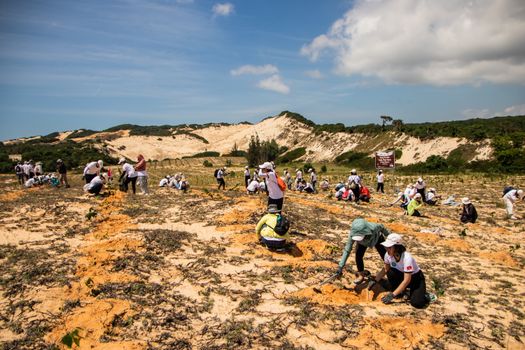
- Reforestation & Habitat Restoration: Ecuador (Amazon), Peru, Borneo (Malaysia/Indonesia), Central America (e.g., Panama, Belize). Planting native trees, removing invasive species, trail maintenance, seed collection, and nursery work.
- Biodiversity Research & Monitoring: Costa Rica, Brazil, Madagascar, Southeast Asia. Assisting scientists with wildlife surveys (birds, mammals, insects, amphibians), data collection, camera trap analysis, and mapping.
- Sustainable Agriculture & Community Development: Often integrated with reforestation, working with local communities to promote sustainable farming practices that reduce pressure on the rainforest.
Practical Details:
- Typical Duration: 1-8 weeks.
- Costs: $700 - $2,500+ for two weeks, excluding flights. Costs can vary depending on remoteness and project amenities.
- Physical Requirements: High. Expect strenuous physical labor, hiking in humid conditions, and dealing with insects. A good level of fitness is recommended.
- What to Pack: Lightweight, quick-drying clothing, sturdy hiking boots, strong insect repellent, a wide-brimmed hat, and a reusable water bottle.
- Instagram Moment: A close-up of your muddy hands planting a tiny sapling, or a breathtaking panoramic shot of a lush, regenerating rainforest canopy.
---
4. Arctic & Antarctic Sentinels: Citizen Science in Earth's Last Wild Frontiers
While the tropics often grab the conservation spotlight, the polar regions are equally, if not more, vulnerable to climate change. Volunteering in these extreme environments often takes the form of "citizen science" expeditions, offering a unique chance to contribute to cutting-edge research.
My journey to the sub-Arctic was less about planting trees and more about counting birds. I joined a citizen science expedition focused on seabird monitoring off the coast of Iceland. Our days were spent on a research vessel, braving choppy seas and bracing winds, meticulously counting puffins, gannets, and guillemots. It wasn't glamorous, but it was vital work, contributing to long-term data sets that track population changes – crucial indicators of ocean health and climate impact.
There’s something incredibly humbling about being in such a stark, powerful landscape. Watching glaciers calve into the icy sea, seeing humpback whales breach against a backdrop of snow-capped mountains – it’s a constant reminder of the planet's majesty and fragility. The data we collected, though seemingly small, fed into larger scientific efforts to understand how these ecosystems are coping with rapid warming.
What You Can Do & Where:
- Seabird & Marine Mammal Monitoring: Iceland, Greenland, Patagonia (Chile/Argentina), Alaska. Assisting researchers with surveys, photo-identification, data recording, and collecting plastic pollution samples.
- Glacier & Climate Change Research: Less direct volunteering, but some expeditions offer opportunities to assist with environmental monitoring, data collection, and documenting changes in glacial landscapes.
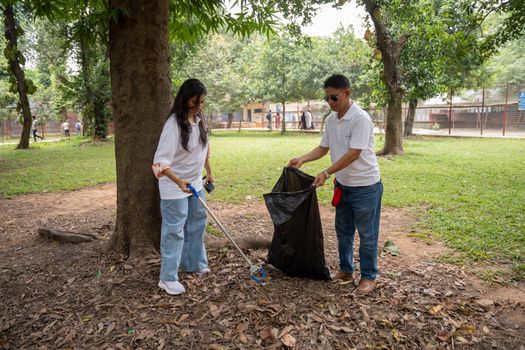
- Plastic Pollution Clean-up Expeditions: Remote coastal clean-ups in places like Svalbard or the Canadian Arctic, often combined with scientific data collection on marine debris.
Practical Details:
- Typical Duration: 1-3 weeks. These are often structured expeditions.
- Costs: These projects can be significantly more expensive due to the logistics of operating in remote, extreme environments, often ranging from $3,000 - $10,000+, excluding international flights.
- Physical Requirements: High. Tolerance for cold, motion sickness, and often long hours outdoors. No specialized scientific background is usually required, just enthusiasm and attention to detail.
- What to Pack: Extreme weather gear (layered clothing, waterproofs, thermal base layers), sturdy waterproof boots, and high-quality binoculars.
- Instagram Moment: A panoramic shot of an icy landscape with a research vessel in the foreground, or a close-up of a puffin on a cliff edge.
---
5. Community & Conservation: Empowering Local Stewards for a Sustainable Future
True conservation isn't just about animals and ecosystems; it's about people. Many of the most impactful and trending projects today are those that integrate local communities into conservation efforts, recognizing that sustainable solutions must benefit both nature and its human inhabitants.
My most recent volunteer experience took me to a remote village in the Maasai Mara region of Kenya. Here, conservation is deeply intertwined with the lives of the Maasai people. I wasn't tracking lions (though they were certainly around!); I was working alongside local women on a sustainable agriculture project, helping to establish drought-resistant vegetable gardens. The goal was to provide alternative livelihoods and reduce reliance on traditional practices that sometimes conflict with wildlife conservation, such as cattle grazing in protected areas.
The days were filled with laughter, shared meals, and learning. I learned about traditional Maasai culture, the challenges they face, and their profound connection to the land. I helped dig irrigation channels, plant seedlings, and even learned a few basic Swahili phrases (my attempts were met with much amusement). This wasn't just about planting vegetables; it was about planting seeds of hope, fostering economic independence, and building bridges between conservation goals and community needs. Seeing the pride in the faces of the women as their gardens flourished, knowing that this project would help feed their families and contribute to a more sustainable future, was the most profound reward.
What You Can Do & Where:
- Sustainable Livelihood Projects: Kenya, Tanzania, Nepal, Indigenous communities in South America. Assisting with eco-tourism development, sustainable farming, craft cooperatives, or clean water initiatives that directly support communities living alongside wildlife.
- Environmental Education & Awareness: Anywhere with community engagement. Teaching children and adults about conservation, waste management, and sustainable practices.
- Human-Wildlife Conflict Mitigation: Working with communities to develop strategies that reduce conflict, such as building predator-proof enclosures or implementing early warning systems.
Practical Details:
- Typical Duration: 2-12 weeks. Longer stays are often more impactful for community integration.
- Costs: $800 - $2,500+ for two weeks, excluding flights. Often includes homestay accommodation, offering a deep cultural immersion.
- Physical Requirements: Moderate. Can involve manual labor, walking, and adapting to local living conditions.
- Cultural Sensitivity: Essential. Be open-minded, respectful of local customs, and prepared to learn. Research cultural norms before you go.
- Instagram Moment: A genuine smile shared with a local community member, or a vibrant market scene showcasing local crafts and produce.
---
Your Journey to Impact: Practical Tips for Ethical & Empowering Volunteering
So, the seed is planted. You're ready to make a difference. But how do you navigate the vast world of volunteer projects to ensure your efforts are truly impactful and ethical?
- Do Your Homework – Thoroughly!
- Research Organizations: Look for transparency. Where does your money go? What are their long-term goals? Are they registered charities or NGOs?
- Read Reviews: Check independent review sites (e.g., Volunteer Forever, GoAbroad, reputable travel forums).
- Ask Critical Questions:
- What is the real impact of my work?
- Are local people employed and trained in key roles?
- Is there an exit strategy or long-term plan for the project?
- What are the ethical guidelines for interacting with wildlife? (Red flag: any project that allows petting of wild animals, especially cubs).
- What are the living conditions and safety protocols?
- Understand the "Why" Behind the Cost:
- Volunteer projects aren't free because they cover your food, accommodation, in-country transport, project supervision, and, crucially, fund the conservation work itself. Be wary of projects that are too cheap, as they might cut corners on safety or ethical practices.
- Be Realistic About Your Role:
- You are a volunteer, not a qualified expert (unless you are!). Your primary role is to support the local staff and scientists, following their lead. Be prepared for tasks that might seem mundane but are vital for data collection or project maintenance.
- Embrace the Uncomfortable:
- Volunteering is rarely a luxury vacation. Expect basic accommodations, cold showers, insects, challenging physical work, and potential culture shock. It's all part of the growth!
- Pack Smart, Not Heavy:
- Think practical, durable, and culturally appropriate. Fast-drying fabrics, sturdy shoes, a good first-aid kit, and essential toiletries are key. Leave the fancy clothes at home.
- Get Insured & Vaccinated:
- Comprehensive travel insurance (including medical evacuation) is non-negotiable. Consult your doctor or a travel clinic well in advance for recommended vaccinations.
- Learn a Few Local Phrases:
- A little effort goes a long way in connecting with local communities and showing respect. "Hello," "thank you," and "please" can open doors.
- Leave No Trace, Take Only Memories:
- Practice responsible tourism. Minimize your environmental footprint, respect local customs, and avoid contributing to the illegal wildlife trade (e.g., don't buy souvenirs made from endangered species).
---
The Unforgettable Journey Awaits
My initial quest for "more" from travel led me down paths I never imagined. From the humid jungles of Ecuador to the windswept coasts of Costa Rica, each experience has been a profound lesson in resilience, connection, and the sheer power of collective action. The tans may still fade, but the memories of helping a tiny turtle find its way to the ocean, or sharing a laugh with a Maasai elder while planting a sapling, these are the imprints that last a lifetime.
Conservation volunteering isn't just about saving animals or planting trees; it's about reconnecting with our planet and rediscovering our own humanity. It’s about being part of a global community striving for a better, more sustainable future. It's challenging, it's inspiring, and it’s arguably the most rewarding form of travel you'll ever undertake.
So, are you ready to trade your comfort zone for a conservation zone? Are you prepared to transform your next trip into an adventure that truly matters? The world is calling, and its wild heart needs you.
Which of these trending conservation projects stirs your soul the most? Share your dreams and questions in the comments below! Let's inspire each other to travel with purpose.
---
More pictures

Tags
Share this guide
We may earn a commission if you click a link and buy a product or service, at no extra cost to you. How affiliate links work.
Been there?