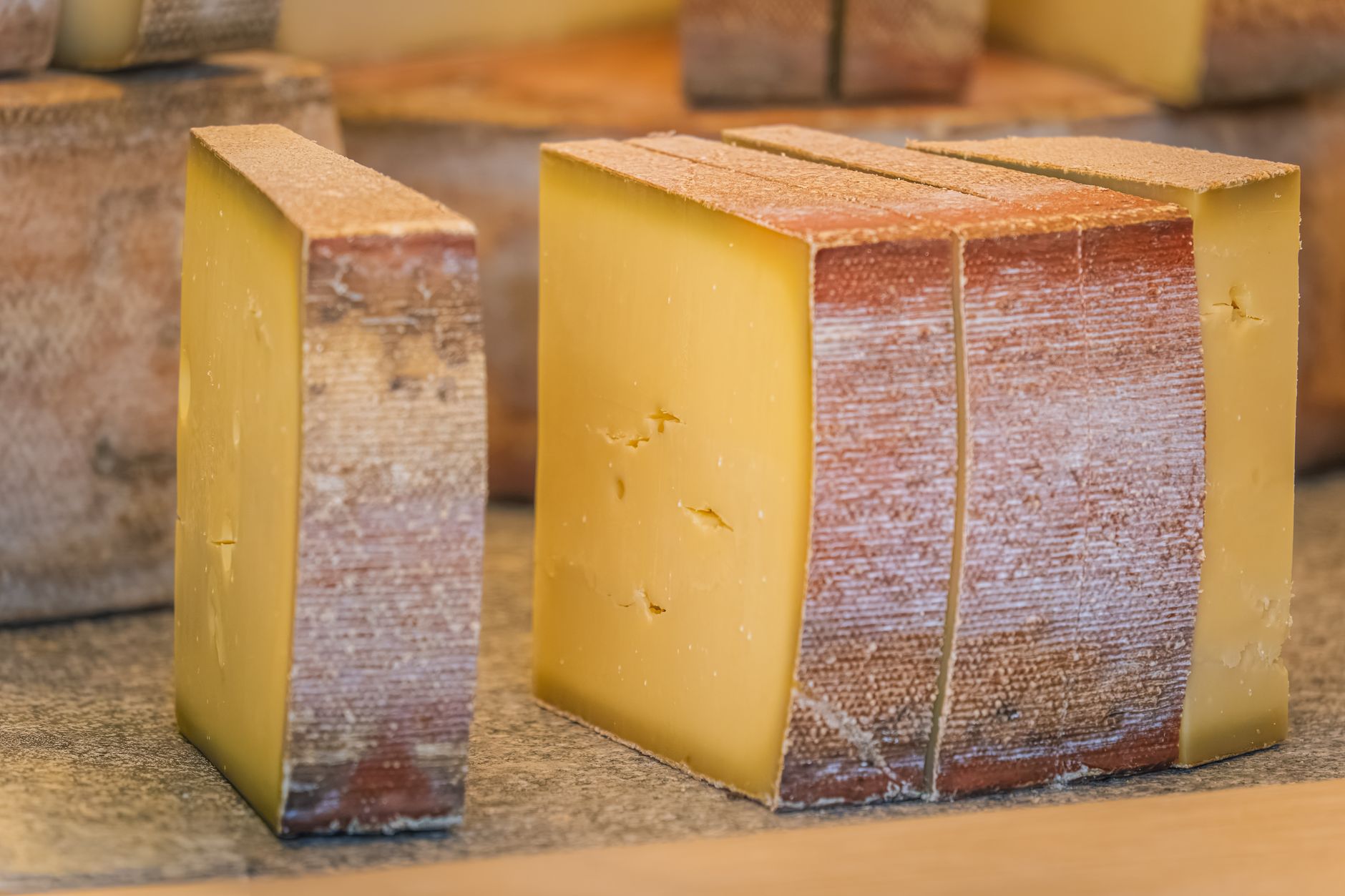
Many cheese-producing regions have caves, cellars and ripening warehouses that welcome visitors. This guide explains how aging works, what tours typically cover, and how to plan a visit with tastings.
Cheese caves, cellars and affinage warehouses are places where young cheeses are transformed over weeks, months or years into the products that carry regional names. Many of these facilities welcome visitors, and some combine guided tours with tastings that show how aging changes texture, aroma and flavor. Because access varies widely, from large cooperative cellars to small farm-based caves, planning is important. This guide explains what affinage means, what visits typically include, and how to find and book a cheese cave experience.
What affinage means
Affinage is the process of aging and finishing cheese after it has been made. During this stage, cheeses are turned, brushed, salted or washed, and they are held at controlled temperature and humidity. Each cheese type has specific requirements, and affineurs, the people who manage the process, make decisions based on the condition of each wheel. Some cheeses develop a natural rind through mold or bacteria, while others are wrapped or coated. Caves are often built into rock, which can help maintain stable conditions, though modern facilities use climate control. Understanding affinage helps visitors appreciate why the same milk can produce very different cheeses.
Regions known for cheese cellars
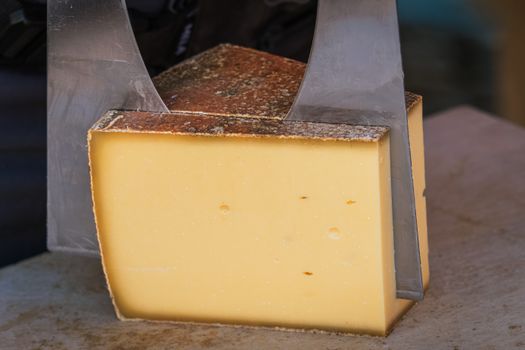
Several European regions are well known for cheese aging. In southern France, the village of Roquefort-sur-Soulzon is associated with a blue cheese aged in natural limestone caves, and some producers welcome visitors to see the cellars. In the Jura region of eastern France, Comte is typically aged in wooden cellars for months, and some cooperative cellars offer guided visits. In Emilia-Romagna in Italy, Parmigiano Reggiano is aged in large warehouses, and some producers open their facilities for tours. Switzerland, the Netherlands and the United Kingdom also have cheese-making and aging traditions, with visitor centers in many areas. Availability and format of visits differ, so research each destination separately.
What a typical visit includes
Visits usually combine a walk through the cellar or aging area with a tasting. Guides often explain how the cheese is made, how long it ages and what the affineurs look for during the process. Some tours show wheels on wooden shelves, cave walls covered in natural mold or racks of cheese being turned. Tastings may include younger and older versions of the same cheese, which makes the effect of aging easy to notice. Some visits also include local bread, cured meats, wine or cider to pair with the cheese. The format and inclusions vary, so check what the tour covers before you book.
Tasting and reading a cheese
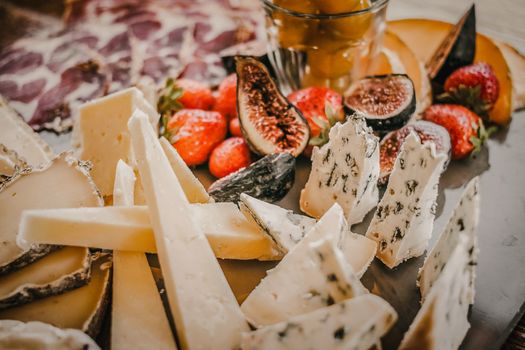
Good tastings encourage you to slow down. Look at the color and texture, then smell the cheese before tasting it. Let a small piece melt on the tongue to notice salt, acidity, nuttiness, sweetness or savory notes. Younger cheeses are often softer and milder, while older ones typically become firmer, crystalline and more intense. Blue cheeses can show sharp, creamy and earthy flavors. Pairing with bread, fruit or wine can emphasize different elements, and guides frequently recommend pairings suited to the cheese in front of you.
Booking and planning your visit
Cheese cellars can have limited capacity, and many require advance reservations, particularly for guided tours and tastings in peak travel months. Opening times can vary by season and day of the week, and some producers close for holidays or maintenance, so confirm details directly with the producer or with the regional tourism office before traveling. Some visits are free, while others charge for tastings or tours. Consider transport, since rural cellars are often reached by car or regional bus, and plan for tastings to be followed by a sensible journey. Ask about accessibility if you need step-free access, as underground caves can have stairs and uneven floors.
Practical tips
- Reserve a tour in advance, and confirm the language in which it is given.
- Check whether tastings are included or charged separately.
- Ask about cheese and dairy allergens if you have dietary needs.
- Bring a light layer, since caves are typically cool and damp.
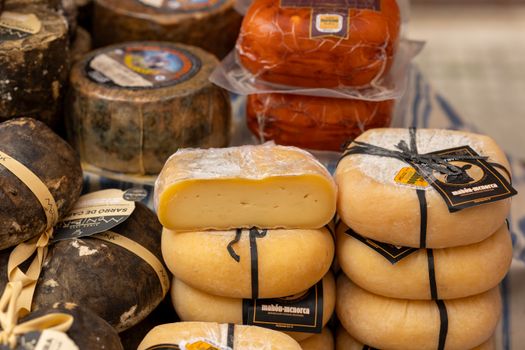
- Consider buying a piece from the producer, which often supports local makers directly.
Common mistakes to avoid
A frequent mistake is arriving with a large lunch planned, then finding that the tasting is generous enough to fill you. Another error is sampling too many cheeses in one session, which can dull the palate and make the later ones harder to appreciate. Travelers also tend to judge a cheese only by its rind, although the paste and texture can show more about the ageing. Some people wear strong perfume or scented products, which can interfere with smelling the cheese. Others assume every cave visit is suitable for children or for people with limited mobility, without checking the route. It is also easy to overlook timing, since some cellars are busiest at weekends. Keeping portions modest, avoiding strong scents and checking access in advance can make a visit more enjoyable.
Frequently asked questions
Do I need to know about cheese to enjoy a visit? No. Guides usually explain the basics, and tastings work well for curious beginners. Asking questions is part of the experience.
Are cheese cave visits suitable for children? Some are, but underground routes can be narrow, cool and uneven. Check the route and whether tastings are offered to younger guests.
Can I take cheese home? Often yes, but rules on dairy products vary between countries. Check the official customs guidance for your destination before buying a large quantity.
Who this suits and who it doesn't
Visits can suit food lovers, curious beginners and people interested in rural craftsmanship. Those with strong dietary restrictions, limited mobility or a dislike of cold, damp spaces may find some caves less comfortable, and may prefer demonstration dairies or museum displays instead. Travelers on a tight schedule may prefer a tasting in a town shop, which can still offer a useful introduction to affinage without a long journey. Visits to small farm-based cellars can also feel quite different from large cooperative sites.
Visiting cheese caves and affinage cellars offers a close look at a process that takes time and skill. Planning ahead, choosing a tour that fits your interests and taking time with the tasting will help you understand why certain cheeses carry the names they do, and how the work of the cellar shapes the final flavor.
More pictures


Tags
Share this guide
We may earn a commission if you click a link and buy a product or service, at no extra cost to you. How affiliate links work.
Been there?