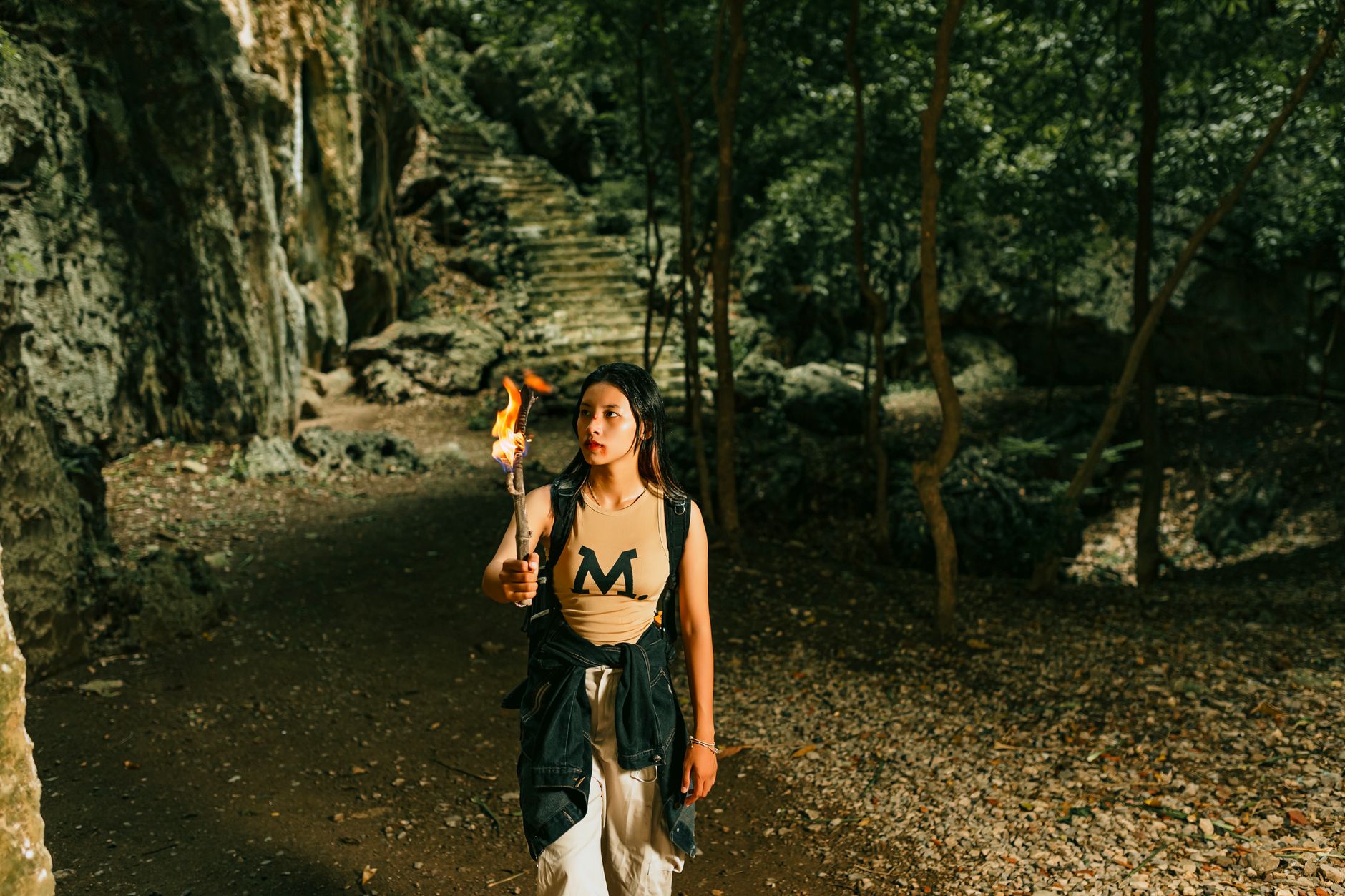
Many cave systems offer guided show routes that fit comfortably into a single afternoon, while wild caves usually need more preparation. Tour lengths, access rules and safety requirements vary, so confirm details with each site before going.
Caves have fascinated travelers for centuries, offering a cool, quiet environment where rock formations have taken shape over very long periods. For visitors who have only a few hours to spare, a number of cave systems provide an accessible introduction to underground landscapes. Most are developed as show caves, with paved paths, lighting and guided tours that move at a comfortable pace. Others are wilder and require more planning, equipment and experience. This guide focuses on the kinds of cave visits that suit an afternoon, and on the practical points to check before setting out.
Because cave access, tour times and safety rules change over time, the information here describes general patterns rather than fixed details. Every site publishes its own current guidance, and that is the source to rely on when planning.
Understanding Show Caves and Wild Caves
Show caves are the easiest way to explore underground. They have been surveyed, stabilized and fitted with walkways, handrails and lighting. Guided tours typically cover a set route, and the guide explains how formations such as stalactites, stalagmites, columns and flowstone developed. Many show caves are situated in national parks or near towns, so they can be combined with a short walk or a visit to a local museum.
Wild caves, by contrast, are often unlit, uneven and sometimes wet or narrow. Exploring them usually requires helmets, headlamps, sturdy footwear, and sometimes a qualified guide or a permit. Some passages involve climbing, crawling or wading. These caves are rewarding for experienced caving groups, but they are generally not suitable for an afternoon outing by people without caving experience.
Well-Known Show Caves to Consider
Several show caves around the world are regularly recommended for short visits. Postojna Cave in Slovenia has a rail-based tour through large chambers and is a popular day trip from the coast and from Ljubljana. Mammoth Cave National Park in the United States offers a range of tours of different lengths, from easier walks to more demanding routes. Waitomo Caves in New Zealand are known for their glowworm displays, which are typically viewed from boats or on guided walks. Reed Flute Cave near Guilin in China is noted for its illuminated formations, and Cango Caves in South Africa offer guided tours through a series of chambers.
Tour formats differ. Some caves offer a standard guided walk that takes roughly one to two hours, while others provide shorter options or more adventurous extended routes. Check the length, the number of steps, whether handrails are provided and whether the route is wheelchair accessible, since these details vary between sites and tour types.
Planning Your Afternoon
An afternoon visit works well when you arrive with enough time to buy tickets, wait for the group and enjoy the tour without rushing. It is wise to check the last entry time, which is often earlier than the closing time of the site. Many caves maintain a constant temperature of roughly the local average, so a light jacket is usually sufficient even on a warm day. Underground air can feel damp, and paths may be slippery, so shoes with good grip are important.
Booking ahead is recommended for popular caves and for weekends or school holidays. Some sites limit group size, and tours may sell out in peak periods. If you plan to combine the cave with other attractions, allow travel time between sites, particularly where roads are narrow or public transport is infrequent.
Safety and Accessibility
Safety rules exist for good reason. Stay on marked paths, keep hands and bags clear of formations, and follow the guide's instructions at all times. Touching formations can damage them, since oils from skin and small disturbances can affect slow growth. Avoid flash photography where it is prohibited, and be careful with tripods or selfie sticks on narrow walkways.
Visitors with mobility, breathing or heart conditions should check the route in advance. Some caves have steep sections, stairs, low ceilings or long periods of standing, and staff can often advise whether a tour is suitable. Parents should consider the age limits and handrail provision for young children. If you are unsure, contacting the site before arrival is the most reliable step.
Practical Tips
Carry water, wear layers and footwear with good grip, and bring a small bag that you can keep close while walking. Check whether lockers are available for larger items. Pay attention to signs about closures after heavy rain, since some caves flood or restrict access when water levels rise. Consider a combined ticket if the site offers one with nearby attractions. Finally, allow time after the tour to rest and enjoy the surrounding landscape, which is often a highlight in its own right.
Cave systems that can be explored in an afternoon offer a manageable introduction to underground geology and natural beauty. Choosing a show cave with a route that suits your fitness and interests, and checking current rules before you go, makes the visit both safe and memorable. Wild caving remains a separate pursuit that calls for training, equipment and experienced guidance.
More pictures


Tags
Share this guide
We may earn a commission if you click a link and buy a product or service, at no extra cost to you. How affiliate links work.
Been there?