
The global map is being redrawn this spring, and your old passport habits won't cut it. From Bulgaria and Romania finally joining the Schengen "inner circle" to Japan opening its doors to remote workers, we’ve distilled the bureaucratic chaos into a high-octane guide for the modern traveler.
The Hook: The Sound of a Silent Border
I stepped off the night train from Istanbul into the crisp, pine-scented air of Sofia, Bulgaria. Usually, this is the part where I brace for the "interrogation light"—the rhythmic thwack-thwack of stamps and the skeptical gaze of a border guard checking my 90-day allowance. But this spring, the air feels different. There’s a new kind of friction—or rather, a lack of it.
As the sun began to bleed gold over the Alexander Nevsky Cathedral, I realized I wasn’t just witnessing a seasonal change; I was standing on the front lines of a massive shift in how we move across the planet. The "Border changes affecting visa requirements that are trending this spring" aren't just dry policy updates; they are the keys to your next spontaneous escape or your worst airport nightmare.
If you’re planning to chase the cherry blossoms in Kyoto or the turquoise waters of the Algarve this season, listen up. The rules of the game just changed.
1. The Balkan Breakthrough: Bulgaria and Romania Join Schengen
For years, the "Schengen Area" was the holy grail for Eastern European travelers. As of March 31, 2024, the wait is partially over. Bulgaria and Romania have officially joined the Schengen Zone for air and sea travel.
What this means for you: If you’re flying from Paris to Bucharest or sailing from Athens to Varna, you can kiss those passport queues goodbye. You’ll move through the "EU Citizens/Schengen" lane, making internal European travel feel as seamless as a domestic flight in the US.
The Catch (and the Pro-Tip): Land borders are still under negotiation. If you’re taking a bus from Romania into Hungary, expect a wait.
- Pro-Tip: If you’re a non-EU citizen on a 90-day Schengen clock, remember: days spent in Bulgaria and Romania now count toward your 180-day limit. Don't accidentally overstay your welcome because you forgot to add Sofia to your tally.
2. The UK’s Digital Wall: The Rise of the ETA
London is calling, but it wants to see your digital credentials first. The UK is aggressively rolling out its Electronic Travel Authorisation (ETA). While it currently targets citizens from Gulf countries (Qatar, UAE, etc.), the net is widening rapidly.
The Insider Intel: By the end of 2024, almost all non-visa-required visitors (including Americans, Canadians, and Australians) will need an ETA. It’s a £10 digital "permission to travel" linked to your passport.
- Pro-Tip: Don't wait until you're at the Heathrow check-in desk. While the system claims to process in 48-72 hours, "tech hiccups" are the new normal. Apply at least two weeks before your flight to avoid the "denied boarding" heartbreak.
3. Asia’s Open Door Policy: China and Thailand’s Visa-Free Blitz
In a bid to resuscitate tourism, China has launched a "Visa-Free Trial" for citizens of several European countries (including France, Germany, Italy, and the Netherlands) and Malaysia. Travelers can stay for up to 15 days for business or pleasure without that dreaded trip to the consulate.
Meanwhile, Thailand is doubling down. They’ve extended visa-free stays for several nationalities and even introduced specific "Muay Thai" and medical treatment visas to lure niche travelers.
The Logistic Reality: In China, "visa-free" doesn't mean "track-free." You still need to register your address with the local police within 24 hours (usually handled by your hotel).
- Pro-Tip: Download Alipay or WeChat Pay before you land. China is virtually cashless, and international credit cards are often rejected at smaller boutiques or street food stalls.
4. The Digital Nomad Holy Grail: Japan’s New 6-Month Visa
This is the one that set my Instagram DMs on fire. Japan has officially launched its Digital Nomad Visa. If you earn over 10 million JPY (approx. $66,000 USD) annually, you can now live and work in the land of the rising sun for six months.
The Detail: Unlike the 90-day tourist waiver, this allows you to actually live there without the "border run" anxiety. However, you cannot renew it immediately; you must wait six months after your visa expires to apply again.
- Pro-Tip: The "hidden entrance" to Japanese bureaucracy is preparation. You’ll need private health insurance that covers at least 10 million JPY in payouts. Don't just bring a standard travel policy; it won't pass the rigorous inspection at the embassy.
5. The "Visa-Free" Illusion: Kenya’s ETA Transition
Kenya made headlines by announcing they were "Visa-Free." This is a bit of a marketing masterstroke, but a logistical headache. You don't need a visa, but you absolutely need an Electronic Travel Authorization (ETA).
The Reality Check: The system is entirely digital. You have to upload flight confirmations and hotel bookings before you even get on the plane.
- Pro-Tip: The official portal can be finicky with file sizes. Ensure your passport photo is under 2MB and saved as a JPEG, or the system will loop you back to the start. Also, pay via a card that doesn't flag "foreign transactions" to avoid payment failures at 2 AM.
6. Brazil’s "Will They, Won't They?" Visa Saga
For my North American and Australian readers, the Brazil visa situation is a rollercoaster. Initially set to return in early 2024, the requirement for US, Canadian, and Australian citizens to obtain an e-Visa has been pushed back (currently to April 2025, but keep an eye on it).
The Move: If you’re heading to Rio for a spring break escape, you’re currently in the clear. But check the news 48 hours before you fly. Brazil’s policy changes can happen with the speed of a samba beat.
Quick Facts & Logistics Table
| Destination | Change Type | Cost (Approx) | Best Time to Visit | How to Get There | | :--- | :--- | :--- | :--- | :--- | | Bulgaria/Romania | Schengen Air/Sea | €0 (Internal) | May - June | Budget flights (Ryanair/Wizz) | | United Kingdom | ETA Rollout | £10 | April (Tulips!) | Major hubs (LHR, LGW) | | Japan | Digital Nomad Visa | ~¥30,000 | Mid-April | HND or NRT direct | | Kenya | ETA System | $30 USD | June (Migration start) | Nairobi (NBO) | | China | 15-Day Waiver | Free (Trial) | Spring/Autumn | Beijing/Shanghai hubs |
Authenticity: Beyond the Stamp
Travel in 2024 isn't about collecting ink; it’s about navigating algorithms. When I was in Tokyo last month, the "insider" move wasn't a secret bar (though those are great); it was knowing which QR code to have ready for the "Visit Japan Web" customs clearance.
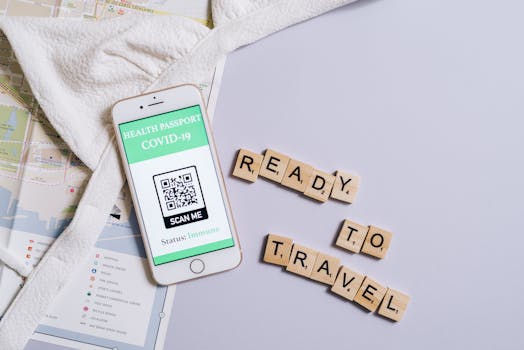
The architecture of travel has shifted from physical walls to digital gates. To be an elite traveler this spring, you need to treat your smartphone like your second passport. Keep your documents in a cloud folder accessible offline, and always—always—have a physical printout of your ETA. Technology is brilliant until you’re standing in a 5G dead zone at a remote border crossing.
More pictures




Tags
Share this guide
We may earn a commission if you click a link and buy a product or service, at no extra cost to you. How affiliate links work.
Been there?