
A route-based guide to travelling through Asian cities known for advanced everyday infrastructure, with step-by-step preparation advice and sample timings.
Many travel advisors point to Asia as a region where everyday infrastructure is easy to appreciate as a visitor: fast trains, tap-and-go transit, quick mobile data and well-organised airports. Rather than repeating a general overview, this guide turns that idea into a plan. It offers a sample route through four destinations, then explains how to prepare, how to pace yourself and how to handle the moments when technology fails.
The itinerary is a template, not a rulebook. Entry rules, fares, schedules and app availability change, so confirm everything with official government and operator websites before you book anything.
Why plan a route around infrastructure
Choosing a trip around trains and digital convenience may sound odd, but it has real advantages. Efficient transport reduces wasted hours. Good connectivity makes navigation and translation easy. Reliable payment systems lower the friction of small purchases. If you are a first-time visitor to Asia, these factors can turn a potentially stressful journey into a relaxed one.
Of course, technology is only the backdrop. The reasons to go are the food, the history, the landscapes and the people. Think of infrastructure as the scaffolding that lets you spend your energy on them.
The sample route at a glance
This itinerary runs roughly two and a half weeks, with a flexible core of about twelve to fourteen days.
- Tokyo and surroundings (4 to 5 days)
- Kyoto and Osaka (3 days, by bullet train)
- Seoul (3 days, by flight, since there is no direct train)
- Taipei (3 days, by flight)
- Singapore (2 to 3 days, by flight)
You can shorten it by dropping a stop, or reverse it depending on where flights are cheapest. Regional flights between these cities are frequent, and several budget carriers operate on the routes. Compare airlines, check baggage rules and remember to allow time for airport transfers.
Stop one: Tokyo
Tokyo is a gentle introduction because signage is clear and rail connections are excellent.
What to set up before you arrive
- A phone-based or physical rechargeable transport card, if available for visitors. Check what the current options are.
- An eSIM or a pocket Wi-Fi rental, which you can often collect at the airport.
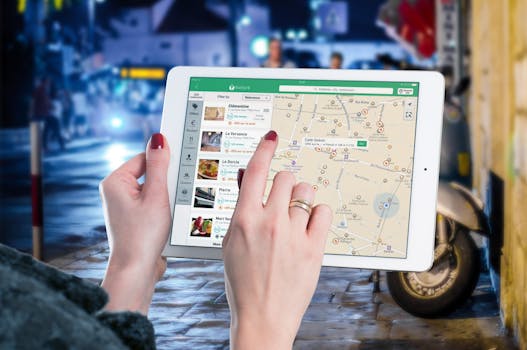
- Offline maps, plus an app that handles train routes and platform numbers.
How to spend the days
- Day one: arrive, drop your bags, take a short neighbourhood walk and go to bed early.
- Day two: old and new, perhaps starting with a temple in Asakusa and ending in the lights of Shibuya or Shinjuku.
- Day three: a day trip, for example to Kamakura or Nikko, easily reached by train.
- Day four: museums, gardens and markets, plus a convenience-store picnic for the experience.
Convenience stores deserve a mention. They are useful for onigiri, hot coffee, bank machines that accept foreign cards in many cases, and printing or paying services. Keep some cash anyway for small shops and shrines.
Stop two: Kyoto and Osaka by bullet train
The Shinkansen from Tokyo to Kyoto takes only a couple of hours, so it is an ideal first experience of high-speed rail.
Tips for the ride
- Reserve a seat if you are travelling at busy times. Reservation rules and ticket types differ, so check the operator's site.
- If you have large luggage, look into the rules about oversized bags on the train. Some services require a reservation for them.
- Consider forwarding bigger suitcases to your next hotel and travelling with a small bag. Luggage forwarding is a well-known service in Japan, though availability and fees vary.
- Buy a bento and a drink at the station, which is part of the fun.
Kyoto is famous for temples and gardens, and Osaka for street food. The two are close together, so you can stay in one and visit the other. A regional rail pass might save money if you plan many trips, but compare it with individual tickets for your actual itinerary. Passes have changed over the years, so use up-to-date information.
Stop three: Seoul
From Osaka or Tokyo, a short flight takes you to Seoul. After a few days in Japan, you will notice differences in style: Seoul is lively and fast, with bustling night markets, cafes that stay open late and an energetic youth culture.
Getting around
- The subway covers the metropolitan area, and a rechargeable transport card works on buses and trains.
- Airport rail links are straightforward.
- For longer journeys, the fast train to Busan is a good option if you have extra time.
Digital notes
- Some local apps require a Korean phone number or bank account, so foreign visitors may rely on international cards and general apps. Check which ones work for your needs.
- Navigation apps built for the local map often provide more accurate walking and transit directions than global ones.
- Free Wi-Fi is common in public places, but keep security in mind.
What to do
Spend time in royal palaces, hanbok-wearing neighbourhoods, hillside walks with city views and food streets. Try barbecue, stews, street snacks and tea houses. Dress comfortably, since you will walk a lot.
Stop four: Taipei
Taipei is relaxed compared with Seoul and Tokyo, and many travellers find it welcoming and compact. The metro is clean and intuitive, and the city is surrounded by mountains and hot springs, so a day trip is simple.
Getting around
- A stored-value card works across the metro, buses and many convenience stores.
- Airport trains connect to the centre.
- A high-speed rail line runs down the western side of the island, useful if you want to extend your trip to Taichung or Tainan.
Highlights
- Night markets with stalls selling noodles, dumplings, fried snacks and bubble tea.
- Temples and tea houses in the hills.
- Day trips to hot-spring towns, old mining villages or coastal paths.
Practical note
Taiwan has its own entry requirements and, in some seasons, typhoon risk. Check weather forecasts and official travel guidance close to departure.
Stop five: Singapore
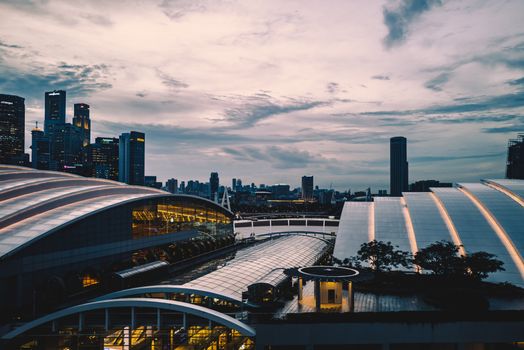
Singapore finishes the route with cool air-conditioning, orderly streets and an exceptionally varied food scene. Its airport is famous for comfort, which makes it a good place to end a long journey.
What to see
- Gardens and waterfront walks.
- Hawker centres for affordable meals, including dishes from Chinese, Malay and Indian traditions.
- Neighbourhoods like Chinatown, Little India and Kampong Glam.
Practical notes
- The MRT and buses cover most places visitors go.
- Rules on public behaviour are strict in some areas, for example on chewing gum sales, littering and certain items, so read the official guidance.
- Weather is hot and humid year-round, with frequent short downpours. Carry a compact umbrella.
Pre-trip preparation timeline
A trip across several countries needs more organisation than a single-city break. Here is a helpful timeline.
Three months before
- Check passport validity requirements. Many countries ask for at least six months.
- Review visa or entry rules for each country, using official sources.
- Book long-haul flights and major accommodations.
One month before
- Book regional flights, being careful with baggage allowances.
- Reserve popular attractions that require tickets.
- Decide on rail passes or individual tickets.
- Notify your bank and check foreign transaction fees.
One week before
- Set up eSIMs, download apps and offline maps.
- Print or save copies of bookings, insurance details and passport pages.
- Pack adapters, power banks and a small first-aid kit.
- Consider travel insurance, which can cover cancellations and medical costs. This is general information, so read policy details yourself.
On arrival in each country
- Complete any digital arrival forms using the official site.
- Buy or activate your local transport card.
- Test your data connection before leaving the airport.
Packing for a tech-forward trip
Gadgets are only helpful if they stay charged and organised.
- A universal adapter plus a short extension cable.
- A power bank that is permitted by airline rules, carried in your cabin bag.
- A small pouch for cables.
- Noise-cancelling earphones for long train rides.
- A lightweight daypack with zip pockets.
- A reusable water bottle.
- Slip-on shoes, which are handy where shoes come off at the door.
Budget ideas without sacrificing comfort
- Travel between cities by train where it is cost-effective and flights otherwise.
- Eat where locals do. Convenience stores, noodle shops and markets provide great value.
- Stay near transit, even if the room is small. Time saved is money saved.
- Consider mixing hotels with guesthouses and business hotels, which are often clean, compact and well equipped.
- Look for free sights such as shrines, parks and observation decks that do not charge fees.
Costs vary considerably by season and exchange rates, so build in a buffer and check recent traveller reports for current averages.
What to do when technology fails
Even in the best systems, apps crash, batteries die and networks go down. A resilient traveller keeps simple backups.
- Carry some cash. Small notes and coins are useful for lockers, small shops and vending machines.
- Save addresses offline. Screenshot your hotel's address in the local language.
- Keep a paper map or note with key station names.
- Charge at every opportunity. Many cafes and trains have outlets.
- Ask for help. Station staff and hotel receptionists are usually happy to help, even with limited shared language.
Respecting local rules and customs
Technology-driven efficiency goes hand in hand with etiquette.
- Keep your voice low on public transport.
- Do not block station gates or stairs when checking your phone.
- Ask permission before photographing people.
- Respect rules on trash, queues and priority seating.
- Take care with drones and other devices, since regulations may restrict their use.
Frequently asked questions
Is it better to buy a rail pass or individual tickets? It depends on how many long journeys you take. Add up the individual fares and compare them with the pass price, remembering any activation or reservation costs.
Do I need a different SIM for each country? Not necessarily. Regional eSIM plans exist, but coverage and limits vary. Compare options carefully, and make sure your phone supports them.
Can I do this itinerary in ten days? Yes, but it will be rushed. Consider dropping one or two cities and enjoying fewer places at a calmer pace.
What is the best season? Spring and autumn are popular for milder weather. Summer can be hot and humid, while winter varies by location. Check seasonal considerations, including typhoon periods, for your dates.
Summary
A multi-city route through Tokyo, Kyoto and Osaka, Seoul, Taipei and Singapore lets you experience some of the region's best everyday infrastructure while seeing very different cultures. Plan your timeline, prepare payment and connectivity options, pack sensibly and keep backups for when technology lets you down. Confirm all entry rules, schedules and fares from official sources, and leave room for slow mornings and unplanned discoveries. The systems make travel easier, but the memories come from the places and people along the way.
More pictures



Tags
Share this guide
We may earn a commission if you click a link and buy a product or service, at no extra cost to you. How affiliate links work.
Been there?