
Tired of just seeing sights? Imagine mastering a timeless craft in just a day, creating a unique souvenir, and truly connecting with local culture. This isn't just travel; it's an unforgettable journey into the heart of ancient artistry, and these hands-on experiences are trending right now! --- ## Unearth Ancient Skills: Your Guide to Trending Trades You Can Master in a Day!
I remember my first trip to Rome. I was a whirlwind of checklists: Colosseum, Vatican, Trevi Fountain, Pantheon. Snap, snap, snap. By the end, my camera roll was full, but my soul felt... empty. I’d seen everything, but I hadn’t felt anything beyond the rush of a tourist high. I craved something deeper, something that would connect me to the places I visited beyond the glossy veneer of a postcard.
It wasn't until a spontaneous detour into a small artisan workshop in Florence that everything changed. The scent of leather, the rhythmic tap of a hammer, the focused gaze of the craftsman – it pulled me in. I signed up for a half-day leatherworking class, and by the end, I had a simple, hand-stitched cardholder. It wasn't perfect, but it was mine. And more importantly, it carried the story of my hands, the craftsman’s guidance, and the soul of Florence in a way no souvenir shop could ever replicate.
That day sparked an obsession: finding ancient trades you can learn in a day. It’s a trend that's sweeping the travel world, and for good reason. In our fast-paced, digital lives, the chance to slow down, work with our hands, and connect with centuries-old traditions is incredibly grounding. It’s sustainable, authentic, and creates memories (and souvenirs!) that truly last. So, if you're ready to ditch the passive sightseeing and dive headfirst into immersive cultural experiences, here are some incredible ancient trades you can master in a day, trending right now, and waiting for you across the globe.
1. The Clay Whisperer: Spinning Stories with Pottery & Ceramics
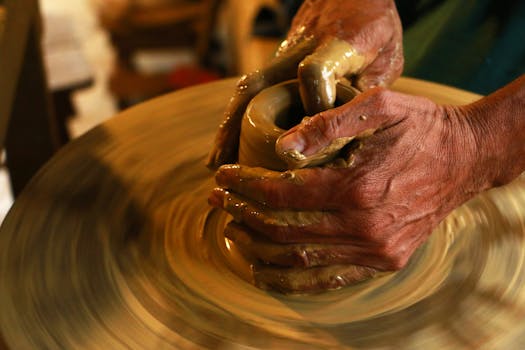
There’s something profoundly meditative about working with clay. The cool, pliable earth yielding to your touch, the rhythmic whir of the potter’s wheel, the quiet focus required to center a lump of clay and coax it into shape – it’s a balm for the modern soul. Pottery isn't just an ancient craft; it's experiencing a massive resurgence, driven by the desire for handmade goods, mindfulness, and a connection to natural materials.
My Experience: My first pottery class was in a tiny, sun-drenched studio in Kyoto, Japan. I’d always been intimidated by the wheel, but my sensei, a gentle woman with hands scarred by decades of clay, guided me with incredible patience. My first few attempts were disastrous, lopsided blobs that collapsed under their own weight. But then, something clicked. The clay started to respond, my hands found their rhythm, and a wobbly, yet undeniably mine, tea bowl emerged. The feeling of accomplishment was immense, and the simple act of creating something tangible was incredibly satisfying.
Why it's Trending:
- Mindfulness & Digital Detox: It’s impossible to be scrolling through Instagram when your hands are covered in clay. It demands your full presence.
- The Handmade Movement: People are valuing unique, artisanal pieces over mass-produced items.
- Cultural Immersion: Pottery traditions are deeply woven into cultures worldwide, from Japanese Raku to Moroccan tagines.
Practical Tips for Your Clay Adventure:
- Where to Find It: Look for workshops in craft-rich cities like Kyoto (Japan), Fes (Morocco), Oaxaca (Mexico), or even local artisan studios in major European and North American cities. Airbnb Experiences and local tourism boards are great resources.
- What to Expect: Most day workshops (2-4 hours) will cover hand-building techniques (pinch pots, coil building) or an introduction to the potter's wheel. You'll usually make 1-2 small pieces.
- The Souvenir: You'll typically leave your piece to be fired and glazed (which takes time). Many studios offer shipping services, or you can pick it up if you're staying longer. Expect to pay extra for shipping.
- Cost: Day workshops usually range from $70 - $150 USD, depending on location and duration.
- Instagrammable Moment: Hands covered in clay on the wheel, the before-and-after of your creation, the serene studio atmosphere.
2. Dyeing with Nature's Palette: The Art of Natural Textile Arts
Before synthetic dyes, the world was colored by nature. From vibrant indigo to earthy madder root, ancient cultures mastered the art of extracting pigments from plants, insects, and minerals. Today, with a growing emphasis on sustainability and eco-conscious living, natural dyeing is experiencing a beautiful renaissance. It’s a sensory feast, a scientific marvel, and a deeply satisfying way to create stunning, one-of-a-kind textiles.
My Experience: I stumbled upon an indigo dyeing workshop while exploring a small village outside Ubud, Bali. The air was thick with the earthy scent of the fermenting indigo vats, and the vibrant blue splashes on the hands of the local artisans told a story of generations. We learned traditional Shibori techniques – folding, clamping, and tying fabric – before dipping our cotton scarves into the deep blue liquid. The magic of pulling out the fabric, initially green, and watching it oxidize into a brilliant blue before my eyes was pure wonder. I left with a stunning, uniquely patterned scarf and a profound appreciation for this ancient, sustainable art.
Why it's Trending:
- Sustainability & Eco-Consciousness: Using natural, non-toxic dyes aligns with responsible travel and living.
- Unique Fashion & Home Decor: Each naturally dyed piece is unique, making for incredible, personalized souvenirs or gifts.
- Artistic Expression: The blend of science and art in achieving different shades and patterns is endlessly fascinating.
Practical Tips for Your Dyeing Journey:
- Where to Find It: Look for workshops in places with rich textile traditions like Oaxaca (Mexico), Bali (Indonesia), India, or even local craft centers in rural areas known for their natural resources.
- What to Expect: Day workshops (3-5 hours) often focus on a specific dye (like indigo or madder) or a range of plant-based dyes. You'll learn about mordants, dye baths, and various resist techniques (Shibori, tie-dye, block printing). You'll typically dye a scarf, tote bag, or small fabric swatch.
- The Souvenir: A beautiful, naturally dyed textile that's truly one-of-a-kind. It's lightweight and easy to pack!
- Cost: Expect to pay between $80 - $180 USD, depending on materials and instructor.
- Instagrammable Moment: Hands stained with indigo, colorful fabric hanging to dry, the vibrant dye vats, the intricate patterns you create.
3. The Art of the Grain: Traditional Baking & Culinary Crafts
Food is the ultimate universal language, and what better way to truly understand a culture than by learning to prepare its staples? Traditional baking and culinary crafts, like pasta making, bread baking, or regional pastry creation, connect us directly to the land, the ingredients, and the generations of hands that have perfected these recipes. It's not just about eating; it's about making, sharing, and savoring.
My Experience: In a cozy kitchen tucked away on a cobblestone street in Bologna, Italy, I spent an afternoon with a nonna whose hands moved with the grace of a maestro. Flour dusted the wooden table as we kneaded dough for tagliatelle, rolled it impossibly thin, and then, with swift, practiced movements, cut it into perfect ribbons. We made tortellini, filling delicate pasta squares with ricotta and spinach, pinching them into their signature navel shape. The meal we shared afterward, with our freshly made pasta and a glass of local Sangiovese, was the most delicious and memorable of my entire trip. It wasn't just food; it was a story, a tradition, and a connection.
Why it's Trending:
- Foodie Culture & Authenticity: Travelers are seeking authentic culinary experiences beyond just restaurant dining.
- Home Cooking Revival: The desire to bring international flavors and skills back to one's own kitchen.
- Social & Engaging: Cooking classes are inherently interactive and a fantastic way to meet locals and fellow travelers.
Practical Tips for Your Culinary Quest:
- Where to Find It: Italy (Bologna for pasta, Tuscany for regional dishes), France (Paris for patisserie, rural areas for bread), Mexico (Oaxaca for tortillas and moles), Thailand (Chiang Mai for curries), Vietnam (Hoi An for pho and spring rolls).
- What to Expect: Day classes (3-5 hours) usually involve hands-on preparation of 2-4 dishes or baked goods, often culminating in a shared meal. You'll learn about ingredients, techniques, and cultural significance.
- The Souvenir: Delicious memories, new recipes, and the confidence to recreate dishes at home. Sometimes you'll get a small recipe booklet.
- Cost: Culinary classes can range from $90 - $250+ USD, depending on the cuisine, ingredients, and instructor's reputation.
- Instagrammable Moment: Flour-dusted hands, perfectly braided bread, colorful fresh ingredients, beautifully plated dishes, sharing a meal with new friends.
4. Ink & Soul: Calligraphy & Simple Bookbinding
In an age dominated by digital screens and fleeting messages, the deliberate art of calligraphy and the tangible beauty of a hand-bound book feel like a quiet rebellion. These ancient practices, rooted in meticulous craftsmanship and mindful focus, offer a serene escape and a chance to create something truly personal and enduring.
My Experience: I found a small, unassuming studio in Lisbon, Portugal, offering a beginner's course in traditional Portuguese calligraphy. The instructor, a stoic but kind man, taught us the proper grip of the quill, the angle of the stroke, and the flow of ink. The silence in the room was profound, broken only by the scratching of nibs on paper. It was challenging, requiring immense patience, but the satisfaction of seeing elegant letters form under my hand was immense. Later, I took a simple bookbinding class in a dusty Florentine workshop, learning to fold, stitch, and cover a small journal. The tactile sensation of the paper, the smell of the glue, and the simple beauty of the finished product made it a perfect analog antidote to my digital life.
Why it's Trending:
- Mindfulness & Digital Detox: It demands focus and patience, drawing you away from screens.
- Personalized Gifts & Decor: Hand-lettered cards, framed quotes, or custom journals make incredibly thoughtful presents.
- Appreciation for Craftsmanship: A renewed interest in the skill and beauty of handmade items.
Practical Tips for Your Artistic Endeavor:
- Where to Find It: Kyoto (Japanese calligraphy), Florence (traditional European bookbinding), major cities with active arts communities, specialized craft schools.
- What to Expect: Day workshops (2-4 hours) typically cover basic strokes, letterforms, and the use of different pens/brushes. For bookbinding, you'll learn simple techniques like pamphlet stitch or Japanese stab binding to create a small notebook or journal.
- The Souvenir: A beautifully lettered piece of art, a custom-bound journal, or a set of calligraphy tools to practice at home.
- Cost: Workshops generally range from $60 - $120 USD, including materials.
- Instagrammable Moment: Elegant script in progress, artistic tools (quills, ink bottles, handmade paper), the intricate details of a bound book, your focused concentration.
5. Crafting with Heritage: Leatherworking for Small Goods
Leatherworking is one of humanity’s oldest crafts, transforming raw hides into durable, functional, and beautiful objects. From ancient sandals to medieval armor, leather has been indispensable. Today, the appeal lies in its rugged authenticity, the satisfaction of creating something built to last, and the rich, tactile experience of working with a natural material.
My Experience: As mentioned, my first foray into ancient trades was leatherworking in Florence. The workshop was small, filled with the rich, earthy scent of tanned leather. My instructor, Marco, a man whose hands seemed to know every secret of the hide, showed me how to cut, punch holes, and saddle stitch. The rhythm of pushing the needle through, pulling the thread tight, and beveling the edges was surprisingly therapeutic. By the end of the afternoon, I had a simple yet elegant cardholder, personalized with my initials. It was more than just a souvenir; it was a testament to patience, skill, and the enduring beauty of handcrafted goods. I still use it today, and every time I pull it out, I'm transported back to that Florentine studio.
Why it's Trending:
- Durability & Longevity: A push against fast fashion towards items that last a lifetime.
- Personalization & Customization: The desire for unique, bespoke items.
- Tactile Satisfaction: Working with a natural material that evolves with age.
Practical Tips for Your Leather Craft:
- Where to Find It: Florence (Italy) is a hub for leather, but you can also find workshops in major cities with strong artisan scenes (e.g., Brooklyn, Portland, certain districts in London). Search for "leather craft workshop [city]".
- What to Expect: Day workshops (3-5 hours) are often geared towards creating small items like keychains, cardholders, passport covers, or small wallets. You'll learn about different leather types, cutting, punching, stitching, and finishing techniques.
- The Souvenir: A beautiful, functional leather item that you made yourself. It's a practical and lasting memento.
- Cost: Workshops typically cost between $90 - $200 USD, depending on the item, type of leather, and duration.
- Instagrammable Moment: Close-ups of hands working with leather, tools laid out on a workbench, the rich textures of different hides, the finished product with personalized touches.
6. The Alchemist's Touch: Natural Perfume Blending
For millennia, humans have sought to capture and wear the ephemeral beauty of scent. From ancient Egyptian resins to the elaborate floral concoctions of European royalty, perfume blending is a delicate art and a fascinating science. Today, with a growing interest in natural wellness and personalized experiences, crafting your own natural perfume from essential oils and botanicals is a truly unique and trending travel activity.
My Experience: My journey into the world of scent took me to Grasse, France, the historic capital of perfume. While I didn't spend a full day creating a complex eau de parfum (that takes much longer!), I did participate in a half-day 'discovery' workshop focused on natural essential oils. The air was intoxicating, filled with the nuances of rose, jasmine, sandalwood, and citrus. Our guide explained top, middle, and base notes, and we experimented with blending different oils to create a small, personalized rollerball perfume. My blend, a warm, earthy scent with hints of citrus, was surprisingly complex and utterly unique to me. It wasn't just a smell; it was a memory, bottled.
Why it's Trending:
- Personalization: Creating a signature scent that nobody else has.
- Natural & Wellness Focus: Using pure essential oils instead of synthetic chemicals.
- Sensory Experience: A deeply immersive and luxurious activity.
Practical Tips for Your Scented Adventure:
- Where to Find It: Grasse (France) is the classic choice, but you can also find natural perfume blending workshops in wellness retreats, aromatherapy centers, and artisan studios in major cities worldwide (e.g., London, Los Angeles, New York).
- What to Expect: Day workshops (2-4 hours) will introduce you to different scent families, the concept of top, middle, and base notes, and guide you through blending essential oils to create a small bottle of your own natural perfume or an aromatherapy rollerball.
- The Souvenir: A personalized, natural perfume that evokes memories of your trip every time you wear it. It's truly a unique and intimate keepsake.
- Cost: Workshops can range from $100 - $300+ USD, depending on the quality of essential oils and the depth of the experience.
- Instagrammable Moment: Rows of colorful essential oil bottles, elegant droppers and beakers, the delicate process of blending, a beautifully labeled personalized perfume bottle.
Your Next Adventure Awaits: Beyond the Postcard
These ancient trades aren't just activities; they're gateways to deeper cultural understanding, personal growth, and truly unforgettable travel experiences. They offer a chance to slow down, engage your senses, and create something meaningful with your own hands. In a world saturated with digital noise, the quiet satisfaction of mastering a craft, even for a day, is a profound antidote.
So, on your next journey, dare to go beyond the typical tourist trail. Seek out a local artisan, book a workshop, and immerse yourself in the timeless art of creation. You'll leave not just with a souvenir, but with a story, a skill, and a richer connection to the world around you.
What ancient trade are you excited to try first? Share your dreams in the comments below, and let's inspire each other to travel deeper!
---
More pictures

Tags
Share this guide
We may earn a commission if you click a link and buy a product or service, at no extra cost to you. How affiliate links work.
Been there?