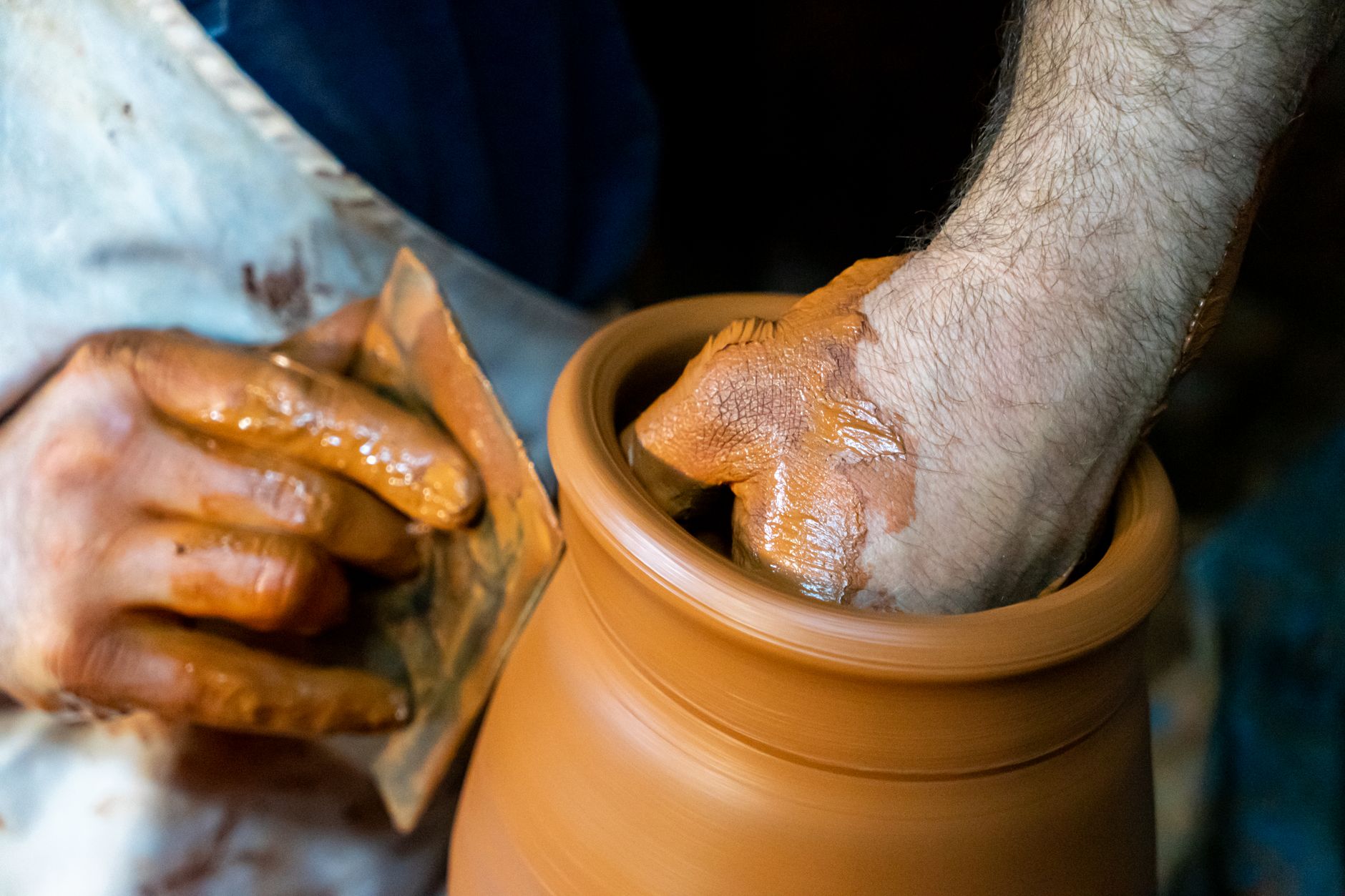
Many regions offer short introductory workshops in traditional crafts. This guide explains which skills are realistic in a day, how to pick a reputable workshop and how to get the most from the experience.
Traditional crafts are among the most rewarding things to learn while traveling. They connect you with local materials, techniques and stories that often have roots going back generations. Although mastering a craft takes years, many artisans run introductory workshops that let visitors make a simple piece in a few hours. These sessions are a useful way to understand the skill involved and to appreciate the work behind the objects you see in markets and museums. This guide explores which crafts are realistic for a single day, how to find a reputable workshop, and how to make the most of your time with an artisan.
Which crafts work well in one day
Some traditional skills are naturally suited to short sessions. Pottery workshops often let you shape a bowl or small vessel on a wheel or by hand, with the piece fired and shipped later in some cases. Weaving and basketry classes typically teach a basic pattern or a simple coil, while block printing on textiles lets beginners stamp a scarf or cloth. Paper-making, leather tooling, and wood carving at a small scale can also be taught in a session. Crafts that require long drying times or complex finishing are less practical for a single visit, so check the workshop's outcome before booking.
Choosing a reputable workshop
Quality varies widely. The best workshops are run by practicing artisans who can explain the history and technique of their craft. Look for clear descriptions of what is included, how long the session lasts, and whether materials are provided. Reviews can help, but read them with some care and look for comments about teaching style and the authenticity of the experience. A workshop that is honest about what you will produce, and that does not promise mastery in a few hours, is usually a good sign.
Understanding the materials and process
Traditional crafts are shaped by local materials, which is part of their appeal. Clay may come from particular riverbeds, dyes from plants that grow in the region, and wood from species that have been used for generations. A good instructor will explain these choices and the reasons behind each step. Pay attention to the tools, many of which are simple but refined by long use. Asking questions about where materials come from is a respectful way to learn more and can lead to interesting conversations.
Respecting the artisan and the tradition
Your visit is a small part of an artisan's working life, so arrive on time, follow instructions and be considerate of studio space. Ask before photographing people or unfinished work, and be mindful of the time you occupy if the studio is busy. Some traditions are associated with ceremonies or community roles, and an instructor may ask you to observe certain customs. Accept guidance graciously, even if your first attempt does not match the example.
Buying and bringing items home
Many visitors want to take home a finished piece or a set of materials. Ask whether the workshop ships items, whether pieces need drying or firing, and whether any materials are restricted for export. Some countries limit the export of certain natural materials, such as particular woods, animal products or antiquities-related items, so check customs rules before buying. Fragile pieces should be wrapped carefully in your luggage, and you may want to carry them in your hand luggage rather than in checked bags.
Making the most of the session
A short workshop rewards preparation. Read the description, bring comfortable clothing that can get dirty, and tie back long hair. Allow time before and after the session to look around the studio and to ask about the history of the craft. Consider buying a piece from the artisan directly if you value their work, since that support often sustains the tradition more than any souvenir from a general shop.
Practical tips
Book workshops in advance, particularly on weekends and during busy travel periods. Confirm the language of instruction and whether a translator is available. Check the cancellation policy, and arrive a few minutes early. Carry a small notebook or use your phone to record the names of materials and tools, which can help you find supplies at home. If you enjoy the experience, ask about longer courses or regional museums where the craft is displayed in depth.
Common mistakes to avoid
A common mistake is expecting a finished piece that matches a professional example. First attempts often look rough, and that is part of learning. Visitors may also choose a craft whose piece must be finished or fired elsewhere, then feel disappointed by the wait. Some book several sessions in a single day, which can leave them tired and rushed. Another error is treating the workshop as a shopping stop and asking for discounts before the lesson begins. Finally, travelers sometimes wear clothing they do not want to get dirty, or arrive with loose sleeves near wet clay or dyes, which can cause frustration during the session.
Who this suits and who it doesn't
Short craft sessions suit curious travelers who like hands-on activities, enjoy learning about materials and appreciate slow, careful work. They can suit couples, solo travelers and families with older children, provided the session is age-appropriate. They are less suitable for people who want to learn a craft to a professional standard in a few hours, or for visitors with limited manual dexterity, who may find some techniques frustrating. People with respiratory sensitivities should ask about dust, fumes or dyes before booking, since some studios use strong materials.
Frequently asked questions
Will I leave with something I made? Often yes, but some items need drying, firing or finishing, so ask whether they are shipped or collected later.
Do I need experience? No. Beginner sessions are designed for people with no prior skill.
Is it appropriate to try a ceremonial craft? Ask the instructor first, since some traditions have customs and restrictions that apply to participants.
A single day cannot make you a master, but it can give you real respect for a skill that has taken generations to refine. The lasting value is often the connection with the maker and the understanding of how an object comes to be. Approached with curiosity and courtesy, a craft workshop can become one of the most memorable parts of a trip.
More pictures



Tags
Share this guide
We may earn a commission if you click a link and buy a product or service, at no extra cost to you. How affiliate links work.
Been there?