
Ever felt the pull of something ancient, a tradition whispered through generations? Prepare to have your perceptions shattered as we dive into incredible ancient rituals you can still witness today, offering a profound connection to humanity's past. This isn't just travel; it's a journey into the soul of a culture, transforming your understanding of the world and yourself. ---
Beyond the Postcard: Ancient Rituals You Can Witness Firsthand That Will Blow Your Mind
My first trip to Bali years ago wasn't just about the beaches and rice paddies. It was about a sound. A rhythmic, hypnotic clang of gamelan music that drew me down a winding village path, past offerings laid meticulously on doorsteps, towards a plume of smoke rising above the palm trees. What I stumbled upon was a cremation ceremony – a vibrant, solemn, and utterly breathtaking farewell to a soul, unlike anything I had ever imagined. It wasn’t a spectacle for tourists; it was life, death, and belief unfolding before my very eyes.
That day, I realized travel could be so much more than sightseeing. It could be about witnessing living history, participating (respectfully, of course) in traditions that have shaped humanity for millennia. It's about feeling the pulse of a culture, understanding the deep spiritual roots that bind communities, and letting your own perspective be irrevocably altered.
Forget curated museum exhibits. I’m talking about raw, authentic, mind-blowing ancient rituals you can actually witness firsthand. These aren't just photo opportunities; they are profound, often transformative experiences that will stay with you long after you've returned home. Ready to dive deep?
1. The Mesmerizing Trance of Balinese Temple Festivals & Cremations (Indonesia)
Bali, the "Island of the Gods," is a place where spirituality isn't just practiced; it's woven into the very fabric of daily life. Temple festivals (Odalan) and cremation ceremonies (Ngaben) are perhaps the most vibrant and accessible examples of their ancient Hindu-Buddhist traditions.
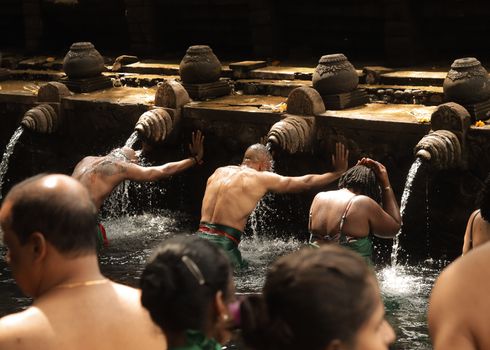
What You'll Witness: Imagine a kaleidoscope of color, sound, and scent. During an Odalan, thousands of locals, dressed in their finest traditional attire, process through temple gates, carrying towering offerings of fruit and flowers on their heads. The air vibrates with gamelan music, the scent of frangipani and incense fills your nostrils, and the sheer devotion in the eyes of the worshippers is palpable. You might see trance dancers, priests chanting ancient mantras, and elaborate purification rituals.
Ngaben, or cremation ceremonies, are equally, if not more, spectacular. Far from being somber, these are often joyous celebrations marking the release of the soul from the body. Towering, intricately decorated sarcophagi (often in the shape of bulls or mythical creatures) are paraded through the streets amidst cheers, music, and playful chaos, before being set alight in a purification ritual.
My Experience: I once found myself caught in a spontaneous procession for an Odalan near Ubud. The sheer joy and communal spirit were infectious. A local woman, noticing my respectful curiosity, offered me a sarong to properly cover myself and even explained the significance of the offerings. It was a small gesture, but it made me feel like an honored guest, not just an observer. Later, witnessing a Ngaben where the entire village participated, from building the effigies to the final fiery release, was a powerful lesson in acceptance and the cyclical nature of life.
Practical Tips:
- Locations: Everywhere in Bali! Check local community boards or ask your guesthouse/hotel staff for upcoming ceremonies. Ubud, Gianyar, and Tabanan regions are particularly rich in these events.
- Best Time: Balinese calendar (Pancha Wara and Saka calendar) dictates these events, so there's no single "best" month. However, major festivals like Galungan and Kuningan offer a higher chance of witnessing grand celebrations.
- Cost: Generally free to witness. Donations to the temple are appreciated. If you hire a local guide, they can help you find and understand the ceremonies.
- Respectful Etiquette: Always wear a sarong and sash (available for rent at temples or from local vendors). Do not walk in front of worshippers or priests. Ask permission before taking close-up photos, especially of individuals. Be mindful of your head height (don't stand taller than priests).
- Instagram Moment: The vibrant processions with offerings, the intricate temple carvings, and the sheer number of people in traditional dress make for incredible, authentic shots.
2. Journey to the Stars: Peru's Qoyllur Rit'i Festival (Andes, Peru)
Imagine a pilgrimage thousands strong, ascending a glacier in the Peruvian Andes under a blanket of stars, to honor a sacred star and the mountain spirits. This isn't a scene from an ancient legend; it's the annual Qoyllur Rit'i (Quechua for "Snow Star") festival, a unique blend of Catholic and ancient Andean beliefs.
What You'll Witness: Every May or June (the date shifts annually, tied to the lunar calendar), tens of thousands of pilgrims, mostly indigenous communities from across the Andes, gather at the Sinakara Valley. They make a arduous trek up to the sacred glacier of Mount Ausangate (over 5,000 meters / 16,000 feet above sea level). The festival involves masked dancers (Ukukus, or "bear-men"), vibrant music, elaborate processions, traditional dances, and even a ritualistic ascent of the glacier by a select group of Ukukus to retrieve blocks of ice, believed to have healing powers. It's a profound demonstration of devotion, community, and connection to Pachamama (Mother Earth) and the Apus (mountain spirits).
My Experience: The air was thin, the cold biting, but the energy was electric. I remember huddling around a bonfire with a group of Quechua pilgrims, sharing coca leaves and listening to their stories. Watching the Ukukus, with their distinctive costumes and whips, guide the processions and maintain order felt like stepping into an ancient play. The moment the sun rose over the snow-capped peaks, illuminating the sprawling encampment and the dancing figures, was truly spiritual – a feeling of being connected to something vast and timeless.
Practical Tips:
- Location: Sinakara Valley, near the Ausangate mountain range, Cusco region, Peru.
- Best Time: Late May or early June, usually 58 days after Easter Sunday. Check official dates well in advance.
- Cost: The festival itself is free. You'll need to budget for transportation (local buses from Cusco to Mahuayani, then a several-hour hike), food, and warm camping gear. Hiring a local guide is highly recommended for safety and understanding.
- Respectful Etiquette: This is a deeply sacred event. Dress warmly and humbly. Ask permission before taking photos, especially of the Ukukus or during sacred moments. Be prepared for basic facilities and high altitude. Do not litter.
- Instagram Moment: The breathtaking Andean landscapes, the vibrant costumes of the Ukukus, the sheer scale of the pilgrimage, and the campfires under the starry sky offer incredibly unique photo opportunities.
3. Whirling into the Divine: The Sufi Sema Ceremony (Turkey)
In the heart of Turkey, particularly in Konya, you can witness the mesmerizing Sema ceremony performed by the Mevlevi Order, better known as whirling dervishes. This isn't just a dance; it's a profound, meditative ritual designed to achieve spiritual perfection and commune with God.
What You'll Witness: The Sema is a seven-part ceremony, steeped in symbolism. Dervishes, dressed in their iconic tall felt hats (sikkes) representing tombstones and white robes (tennures) symbolizing shrouds, begin by slowly circling the hall. Then, they shed their black cloaks (representing worldly attachments) and begin to whirl. Their right hand points upwards to receive divine grace, while their left hand points downwards to channel it to the earth and humanity. Their continuous, graceful spinning, often lasting for extended periods, induces a trance-like state, a journey towards spiritual ecstasy.
My Experience: I first saw the Sema in Istanbul, and the silence that fell over the audience as the dervishes began to spin was almost as powerful as the ritual itself. The hypnotic repetition, the flowing robes, the quiet reverence – it transported me. But it was in Konya, the spiritual home of the Mevlevi Order, where I felt the true depth. In a smaller, more intimate setting, the energy was palpable. It wasn't just a performance; it was a living prayer, and I felt privileged to be allowed into that sacred space.
Practical Tips:
- Locations: Konya (the spiritual heart of the Mevlevi Order) offers the most authentic experiences. Istanbul also has regular performances in cultural centers like Hodjapasha Dance & Culture Center.
- Best Time: Throughout the year, but December is special as it marks the anniversary of Rumi's passing (Seb-i Arus) in Konya, with larger, more elaborate ceremonies.
- Cost: Performances in Istanbul typically range from 20-40 USD. In Konya, some events are free, while others may have a small entrance fee.
- Respectful Etiquette: Silence is paramount. Do not applaud during the ceremony (applause is for entertainment, not spiritual devotion). Photography is often restricted or allowed only at specific times without flash. Dress respectfully.
- Instagram Moment: The dervishes in their flowing white robes, captured mid-whirl, with the soft, ethereal lighting, can create stunning and contemplative images. Focus on the graceful movement and the spiritual atmosphere.
4. Walking Through Fire: Greece's Anastenaria Ritual (Northern Greece)
In a few villages in northern Greece and parts of Bulgaria, an ancient pagan ritual, blended with Orthodox Christian beliefs, continues to defy explanation: the Anastenaria, or firewalking ceremony.
What You'll Witness: Once a year, on the feast days of Saints Constantine and Helen (May 21st-23rd), select Anastenarides (firewalkers) perform a series of rituals culminating in walking barefoot over glowing embers. The day begins with animal sacrifices (traditionally, though less common now), a procession carrying sacred icons, and hours of hypnotic drumming and dancing that builds to a fever pitch. As night falls, a large bonfire is lit. Once the flames die down, leaving a bed of red-hot coals, the Anastenarides, seemingly in a trance, walk across the embers without apparent injury. They believe the saints protect them, and their faith is paramount.
My Experience: I was skeptical, to say the least. Standing just meters away from the roaring bonfire, feeling the intense heat, I couldn't fathom how anyone could do it. But as the drums intensified and the Anastenarides, holding their icons, stepped onto the glowing coals, a hush fell over the crowd. Their faces were serene, almost blissful, as they walked and even danced on the embers. There was no smell of burning flesh, no visible pain. It was profoundly unsettling and utterly captivating – a true challenge to my rational understanding of the world.
Practical Tips:
- Locations: Villages like Agia Eleni (near Serres), Langadas (near Thessaloniki), and Mavrolefki in northern Greece.
- Best Time: Annually on May 21st-23rd.
- Cost: Free to attend.
- Respectful Etiquette: Maintain a respectful distance from the fire pit. Do not disrupt the rituals or try to interact with the Anastenarides during their trance. Photography is generally permitted but be discreet and avoid using flash excessively. This is a very localized, community-driven event, so blend in.
- Instagram Moment: The dramatic sight of firewalkers on glowing coals, the intense expressions on their faces, and the vibrant costumes during the procession create powerful, awe-inspiring images.
5. Echoes of the Wild: Maasai Warrior Eunoto Ceremony (Kenya/Tanzania)
The Maasai are one of Africa's most iconic indigenous tribes, renowned for their distinctive culture, vibrant red shukas, and fierce warrior traditions. While many Maasai cultural villages offer tourist experiences, witnessing a significant ceremony like Eunoto is a rare and deeply authentic privilege.
What You'll Witness: The Eunoto ceremony marks the transition of a generation of young Maasai warriors (morans) into senior warriors, and eventually, elders. It's a multi-day event filled with elaborate rituals, singing, dancing (including the famous adumu jumping dance), feasting, and the shaving of the morans' long, ochre-braided hair – a symbolic shedding of their warrior status and embrace of new responsibilities. This ceremony is crucial for Maasai social structure and identity.
My Experience: Through a local guide I befriended on a safari, I was fortunate enough to be invited to a community preparing for a smaller, localized Eunoto. The energy was electric for days leading up to it. I watched the morans practice their intricate dances, their voices echoing across the savanna. The moment their heads were shaved, signifying their new stage in life, was incredibly moving – a powerful testament to tradition and community. It wasn’t a show; it was a deeply personal, communal rite of passage.
Practical Tips:
- Locations: Maasai communities in Kenya (e.g., Maasai Mara region) and Tanzania (e.g., Ngorongoro Conservation Area, Amboseli National Park surrounds).
- Best Time: Eunoto ceremonies are not annual and happen irregularly, often every 7-10 years for a new generation. They are highly localized and often not publicized. Your best chance is to travel with a reputable, ethical tour operator specializing in cultural immersion or work with a local guide who has deep community ties.
- Cost: Visiting a Maasai village for a cultural experience usually costs around 30-50 USD, which goes directly to the community. Attending a major ceremony like Eunoto might require a deeper connection and potentially a larger donation to the community, if allowed.
- Respectful Etiquette: Always ask permission before taking photos. Dress modestly. Be prepared to sit for long periods and observe quietly. Follow your guide's advice implicitly. Understand that you are a guest in their sacred space.
- Instagram Moment: The vibrant red shukas against the golden savanna, the powerful adumu jumping dance, the intricate beadwork, and the genuine smiles of the Maasai people offer incredibly striking and authentic photographs.
6. Connecting with Pachamama: Andean Offering Ceremonies (Peru/Bolivia)
In the high Andes, the indigenous Quechua and Aymara people maintain a profound spiritual connection to the land, personified by Pachamama (Mother Earth) and the Apus (mountain spirits). Offering ceremonies, or Despachos, are ancient rituals of reciprocity and gratitude.
What You'll Witness: These ceremonies are led by an Andean shaman or "Pacco" and involve creating an elaborate "despacho" – a symbolic offering package. This package, meticulously arranged on a cloth, contains various natural elements like coca leaves, seeds, sweets, flowers, incense, and even gold and silver leaf, each representing a prayer or intention. The shaman chants blessings and prayers in Quechua, invoking Pachamama and the Apus, before the offering is carefully wrapped and then either buried, burned, or cast into a river, returning the gifts to the earth. It's a powerful act of gratitude, healing, and seeking balance.
My Experience: After a strenuous trek in the Sacred Valley, I participated in a small, private Pachamama offering ceremony. The shaman, with weathered hands and kind eyes, spoke softly in Quechua, explaining each element as he placed it. As the coca leaves were offered, one by one, with specific intentions, I felt a deep sense of connection to the ancient land and its people. Burying the despacho at sunset, with the Andean peaks towering around us, was a moment of profound peace and gratitude that brought tears to my eyes. It wasn't about grand spectacle; it was about heartfelt connection.
Practical Tips:
- Locations: Throughout the Peruvian and Bolivian Andes, particularly around Cusco, the Sacred Valley, Lake Titicaca, and La Paz.
- Best Time: Can be arranged year-round. Many travelers combine these with treks or visits to sacred sites.
- Cost: A private ceremony with a reputable shaman can range from 50-200 USD, depending on the duration, complexity, and location. Group ceremonies may be less. Ensure you find an ethical practitioner through trusted local guides or tour operators.
- Respectful Etiquette: Be present and open-minded. Follow the shaman's instructions. You may be asked to offer coca leaves or participate in specific gestures. Avoid taking photos during very personal or sacred moments without explicit permission.
- Instagram Moment: The beautiful, intricate despacho with its natural elements, the shaman's hands, and the stunning backdrop of the Andean mountains create very spiritual and evocative images.
Practical Tips for the Ethical & Mind-Blown Traveler
Witnessing ancient rituals is a privilege, not a right. Here’s how to ensure your experience is respectful, authentic, and truly enriching:
- Do Your Research: Understand the meaning and significance of the ritual before you go. This enhances your appreciation and helps you act appropriately.
- Go with a Local Guide: A local guide is invaluable for finding authentic ceremonies, understanding cultural nuances, navigating etiquette, and bridging language barriers. They can also ensure your presence is welcomed.
- Dress Respectfully: Always err on the side of modesty. Cover shoulders and knees, especially in religious or sacred spaces.
- Ask for Permission (Always!): Before taking photos, especially of people or during sensitive moments, ask. A simple gesture or "Permiso?" goes a long way. If denied, respect it.
- Be Observant, Not Disruptive: These are not performances for your entertainment. Observe quietly, maintain a respectful distance, and avoid drawing attention to yourself.
- Support Local Communities Ethically: If there’s an opportunity to contribute, do so. Ensure your money directly benefits the community or the practitioners. Avoid places that feel like a "human zoo."
- Be Open-Minded and Patient: Things might not happen on a strict schedule. Embrace the flow, be patient, and allow yourself to be immersed in the moment.
- Understand the "Why": Try to grasp the underlying beliefs and worldview. This is where the true mind-blowing happens – realizing the vast diversity and depth of human spirituality.
- Leave No Trace: Be mindful of your environmental impact, especially in remote or sacred natural areas.
The Unforgettable Journey Awaits
Witnessing ancient rituals firsthand isn't just another item to tick off your travel bucket list. It's an invitation to step outside your comfort zone, challenge your perceptions, and connect with humanity on a profoundly deeper level. It’s about experiencing the raw, unfiltered essence of a culture, feeling the echoes of generations past, and realizing that the world is far richer and more mysterious than you ever imagined.
These are the moments that truly blow your mind, reshape your perspective, and leave an indelible mark on your soul. So, which ancient tradition will you seek out first?
---
What ancient ritual has captivated your imagination? Share your thoughts and experiences in the comments below! And if you know someone yearning for a truly transformative travel experience, hit that share button!
More pictures
Tags
Share this guide
We may earn a commission if you click a link and buy a product or service, at no extra cost to you. How affiliate links work.
Been there?