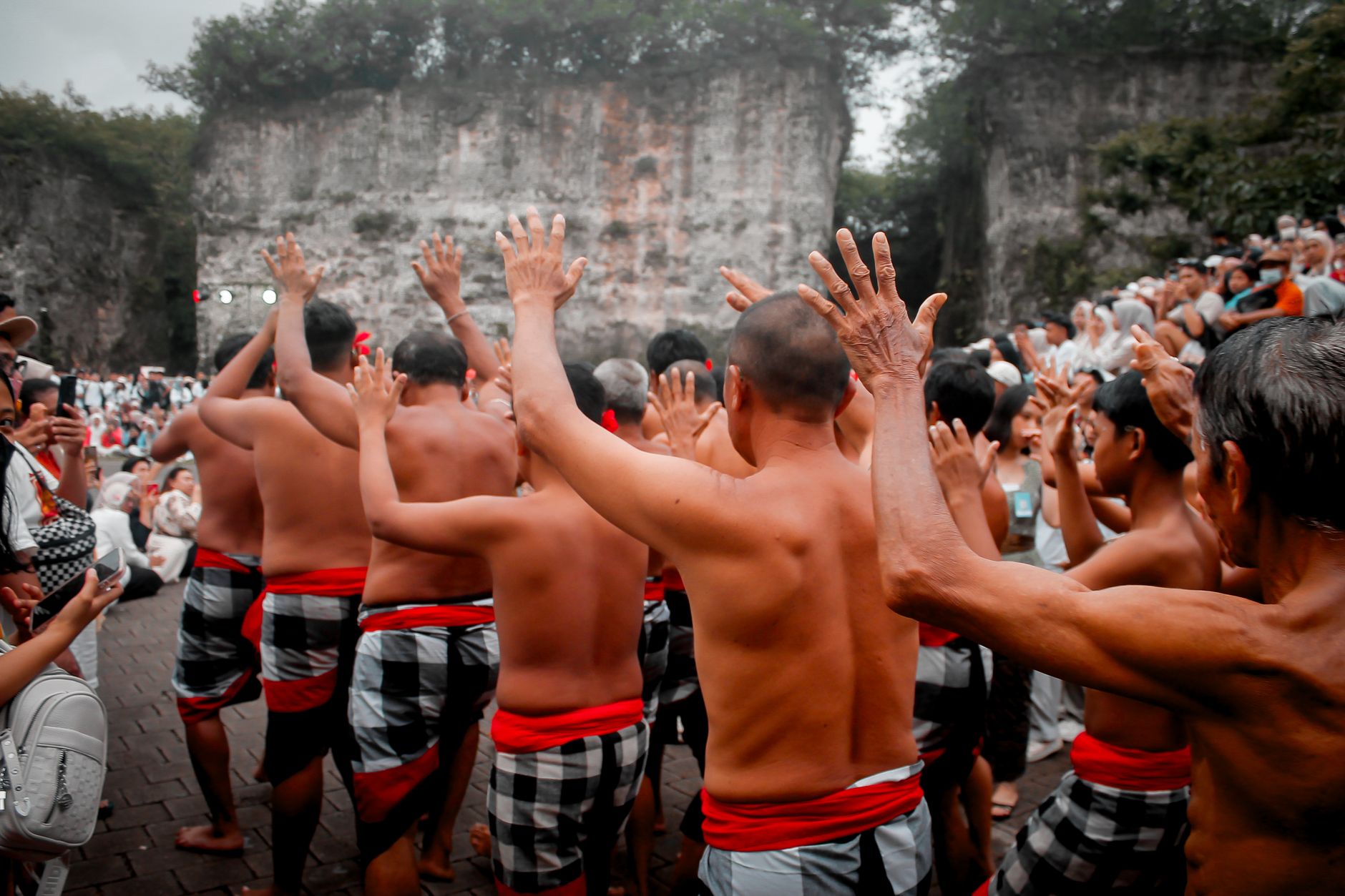
Tired of just scratching the surface of a destination? November 2025 offers a rare chance to step back in time and connect with humanity's deepest traditions. Prepare for a truly transformative journey as we explore five ancient rituals you can witness firsthand, igniting your wanderlust and soul. ---
Beyond the Postcard: Witnessing Ancient Rituals That Will Transform Your November 2025
I remember my first "big" trip abroad. I’d meticulously planned every landmark, every museum, every photo op. I came back with a camera full of stunning shots and a mind buzzing with facts. Yet, something felt… missing. It was like I’d seen the world through a pane of glass, observing, but never truly feeling its pulse. That changed when I stumbled upon a local festival, unplanned, unlisted, a vibrant explosion of tradition that pulled me into its heart. It wasn't just a sight; it was an experience that vibrated through my bones, a connection to something ancient and profound.
That’s the magic I chase now, and if you’re reading this, I bet you do too. We’re not just travelers; we’re seekers. We yearn for more than just sightseeing; we crave immersion, understanding, and moments that etch themselves into our souls. And what could be more immersive, more understanding, more soul-stirring than witnessing rituals that have been passed down through generations, often for millennia?
November 2025 is shaping up to be an extraordinary month for such encounters. From the vibrant celebrations of life and death to the quiet reverence of ancient rites of passage, this is your chance to step off the well-trodden path and into the heart of living history. Forget the sterile tourist traps; prepare to be moved, humbled, and utterly captivated. Pack your bags, open your mind, and let’s dive into five incredible ancient rituals you can witness firsthand in November 2025.
1. The Soulful Spectacle of Día de Muertos: A Vibrant Embrace of Life and Loss (Mexico)
When: Primarily November 1st & 2nd, but celebrations, preparations, and the spiritual energy extend throughout the first week of November. Where: Oaxaca City and Pátzcuaro, Michoacán, are iconic, but celebrations occur nationwide.
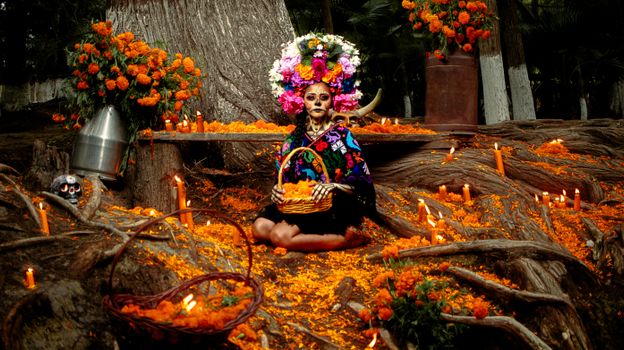
My first Día de Muertos in Oaxaca was a revelation. I’d expected something solemn, perhaps even eerie. What I found was a kaleidoscope of color, sound, and an overwhelming sense of joyful remembrance. The air was thick with the scent of marigolds (cempasúchil), copal incense, and freshly baked pan de muerto. Families gathered in cemeteries, not in sorrow, but with picnics, music, and stories, welcoming their ancestors back for a brief, beautiful visit. It felt less like mourning and more like a vibrant, heartfelt reunion.
Día de Muertos, or Day of the Dead, is an ancient Mesoamerican tradition, predating the Spanish conquest, where indigenous beliefs about death and the afterlife merged with Catholic observances. It’s a powerful affirmation that death is not an end, but a transition, and that our loved ones continue to exist in a spiritual realm.
What to Expect & Experience:
- Ofrendas (Altars): These elaborate, multi-tiered altars are the heart of the celebration. Adorned with photographs, candles, marigolds, sugar skulls, favorite foods and drinks of the deceased, and personal belongings, they are works of art and devotion. Wander through markets to see the incredible array of items available for creating these.
- Cemetery Vigils: Especially powerful in places like Xoxocotlán (near Oaxaca) or Janitzio Island (Pátzcuaro), families spend the night by their loved ones' graves, illuminating them with thousands of candles. The glow and quiet hum of conversation are profoundly moving.
- Parades and Comparsas: Oaxaca is famous for its lively comparsas (parades) where people dress in elaborate costumes, often as skeletons or historical figures, dancing through the streets to mariachi bands.
- Gastronomy: Indulge in pan de muerto (sweet bread decorated with bone shapes), mole (a rich sauce), and traditional mezcal.
Practical Tips for Your Journey:
- Book Early, Seriously Early: Accommodation and flights for Oaxaca and Pátzcuaro fill up months in advance for this period. Start planning now for November 2025!
- Respectful Engagement: Always ask permission before photographing individuals, especially in cemeteries. This is a deeply personal and spiritual time for families.
- Learn Basic Spanish: Even a few phrases will go a long way in connecting with locals.
- Transportation: In Oaxaca, local taxis or colectivos (shared taxis) are common. In Pátzcuaro, you’ll likely need to arrange transport to Janitzio Island via boat.
- Costs: Flights to Oaxaca City (OAX) or Morelia (MLM) for Pátzcuaro. Accommodation ranges from budget hostels ($20-40 USD/night) to boutique hotels ($100-300+ USD/night). Food is generally affordable, especially street food ($5-15 USD/meal).
Instagram-Worthy Moments: The vibrant colors of the ofrendas, intricate sugar skulls, candlelit cemeteries at night, and the incredible costumes of the comparsas. Every corner offers a story.
2. Pushkar Camel Fair: Desert Dreams and Devotion (Rajasthan, India)
When: Typically late October to early November, centered around Kartik Purnima (the full moon). For 2025, the main Mela (fair) activities and religious celebrations are highly likely to fall within the first two weeks of November. Where: Pushkar, Rajasthan, India.
Imagine waking up to the gentle roar of thousands of camels, the vibrant hues of Rajasthani turbans against the golden desert, and the distant strains of folk music carried on the wind. That was my Pushkar experience. It’s not just a camel fair; it’s a sensory explosion, a spiritual pilgrimage, and one of the largest tribal gatherings in the world. I remember standing amidst a sea of livestock, feeling utterly overwhelmed yet completely alive, watching deals being struck, men smoking hookahs, and Sadhus (holy men) making their way to the sacred lake.
The Pushkar Camel Fair is an annual five-day livestock fair and cultural festival, combined with a religious pilgrimage for Hindus to bathe in the holy Pushkar Lake during Kartik Purnima, believing it washes away sins. It’s a spectacular blend of commerce and devotion, attracting hundreds of thousands of people, camels, horses, and cattle.
What to Expect & Experience:
- The Mela Ground: This is where the action is! Witness thousands of camels, horses, and cattle being traded. Observe the traditional dress of the local tribes, the intricate camel decorations, and the bustling energy of the marketplace.
- Camel Races & Competitions: Prepare for exhilarating camel races, "camel beauty contests" (where camels are adorned with intricate patterns and jewelry), and even camel dancing.
- Cultural Performances: Enjoy traditional Rajasthani folk music, dance, magic shows, acrobats, and snake charmers that pop up throughout the fairgrounds.
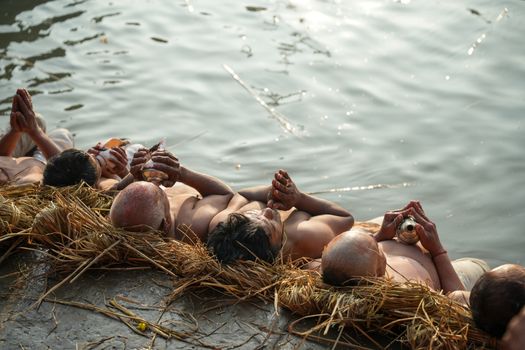
- Holy Dip in Pushkar Lake: Observe devout pilgrims taking a sacred dip in the lake, especially around the full moon (Kartik Purnima). The ghats come alive with prayers and offerings.
- Brahma Temple: Pushkar is home to one of the few Brahma temples in the world. Pay a visit to this ancient shrine.
Practical Tips for Your Journey:
- Embrace the Chaos: Pushkar during the fair is incredibly crowded, dusty, and noisy. Go with an open mind and a willingness to embrace the unique atmosphere.
- Accommodation is Key: Book your stay far in advance. Options range from basic guesthouses to luxury tented camps on the outskirts of the fairgrounds, which offer a fantastic experience.
- Stay Hydrated & Dress Modestly: The desert sun can be intense. Drink plenty of water. Dress respectfully, covering shoulders and knees, especially when visiting religious sites.
- Negotiate: Haggling is expected in the markets.
- Getting There: Fly into Jaipur (JAI), then take a taxi (3-4 hours) or bus to Pushkar.
Instagram-Worthy Moments: The sheer scale of camels against the desert sunset, men in colorful turbans, traditional Rajasthani dancers, the illuminated ghats during the full moon, and the vibrant tapestry of human and animal life.
3. Cambodia's Water Festival: Bon Om Touk, A Royal River Spectacle (Phnom Penh)
When: Mid-November 2025 (exact dates depend on the lunar calendar, usually around the full moon of the Kadeuk month). Where: Primarily along the Tonlé Sap River in Phnom Penh, but also celebrated in other provinces.
The energy of Bon Om Touk is palpable. I remember the roar of the crowd as hundreds of paddlers, their muscles glistening, propelled their long, colorful boats down the Tonlé Sap. The air vibrated with excitement, the cheers echoing across the water. As night fell, the river transformed into a magical tapestry of light, with illuminated floats adorned with intricate designs, carrying offerings to the river spirits. It felt like watching history unfold, a vibrant connection to Cambodia's ancient past and its lifeblood, the Mekong.
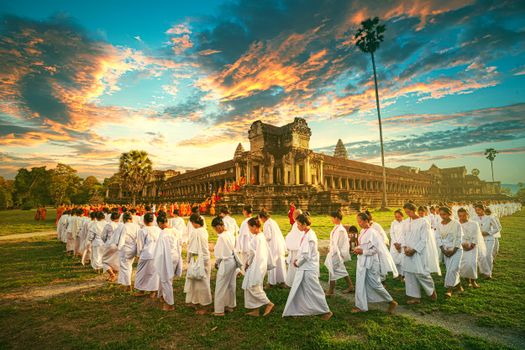
Bon Om Touk, or the Water Festival, is one of Cambodia's most spectacular annual events. It celebrates the end of the rainy season, the reversal of the Tonlé Sap River's flow, and honors the powerful Naga (river spirits) and the country's naval forces from the Angkorian era. It's a three-day celebration of the moon, water, and prosperity.
What to Expect & Experience:
- Boat Races: The highlight of the festival! Teams from various provinces compete in elaborate, brightly painted traditional longboat races. The sheer power and coordination of the paddlers are incredible. Get a spot along the riverfront to witness the action.
- Illuminated Floats (Loy Pratip): As dusk descends, a procession of beautifully illuminated boats, representing various government ministries and institutions, glides along the river. These floats are often designed with mythical creatures and intricate motifs, creating a mesmerizing spectacle.
- Sampeah Preah Khae (Moon Salutation): On the final night, people gather to make offerings to the moon, believed to bring good fortune.
- Auk Ambok: A traditional dish of flattened rice, banana, and coconut, often eaten during the festival. Look for street vendors selling it.
- Fireworks: Each night culminates in dazzling fireworks displays over the river.
Practical Tips for Your Journey:
- Arrive Early: For the best viewing spots along the riverfront, especially for the boat races and illuminated floats, arrive well in advance. Consider booking a restaurant with a river view for a more comfortable experience.
- Stay Safe in Crowds: Phnom Penh can get extremely crowded during the festival. Be mindful of your belongings and stay aware of your surroundings.
- Hydration & Sun Protection: It can be hot and humid. Drink plenty of water and use sunscreen.
- Transportation: Tuk-tuks are the easiest way to get around Phnom Penh, but expect higher prices and traffic during the festival.
- Accommodation: Book your hotel in Phnom Penh well in advance, as rooms fill up quickly.
- Costs: Flights to Phnom Penh (PNH). Accommodation ranges from budget guesthouses ($15-30 USD/night) to mid-range hotels ($50-100 USD/night) and luxury options. Food is very affordable, especially street food ($3-10 USD/meal).
Instagram-Worthy Moments: The vibrant colors of the racing boats and their paddlers, the illuminated floats reflecting on the water at night, the fireworks bursting over the Royal Palace, and the lively street scenes.
4. Shichi-Go-San: A Snapshot of Japanese Tradition and Childhood (Japan)
When: Annually on November 15th, though celebrations occur throughout the surrounding weekends in November. Where: Shrines and temples across Japan, particularly in major cities like Kyoto, Tokyo, and Nara.
Walking through Meiji Jingu Shrine in Tokyo on a crisp November afternoon, I was captivated. Amidst the serene forest and towering torii gates, I saw families dressed in exquisite traditional attire. Little girls in vibrant kimonos, their hair intricately styled, and young boys in hakama or suits, all clutching long, thin bags of chitose ame candy. It was a quiet, dignified celebration, a beautiful glimpse into the heart of Japanese culture, focusing on the future and the well-being of its youngest generation. The contrast between the ancient rituals and the modern city just outside the shrine gates was striking.
Shichi-Go-San (七五三), meaning "seven-five-three," is a traditional Japanese rite of passage for girls aged three and seven, and boys aged three and five. It’s a day when parents bring their children to Shinto shrines or Buddhist temples to give thanks for their growth and pray for their continued health and happiness. The ages 3, 5, and 7 are considered auspicious in Japan.
What to Expect & Experience:
- Children in Traditional Dress: This is the visual highlight. You'll see adorable children dressed in beautiful, often elaborate, kimonos (for girls) and hakama (traditional trousers for boys) or Western-style suits.
- Shrine Visits: Families visit Shinto shrines (like Meiji Jingu in Tokyo, Heian Jingu in Kyoto, or Fushimi Inari-taisha in Kyoto) or Buddhist temples to offer prayers and receive blessings from a priest.
- Chitose Ame: Children receive long, thin, red-and-white candy sticks called chitose ame ("thousand-year candy"), symbolizing healthy growth and longevity. They come in decorative bags featuring cranes and turtles, symbols of long life.
- Family Photography: Many families hire professional photographers to capture this special milestone.
Practical Tips for Your Journey:
- Be Respectful: While it’s a public event, remember these are personal family celebrations. Observe from a distance, avoid flash photography, and be mindful not to intrude on private moments.
- Visit Major Shrines: Larger shrines in cities are more likely to have numerous families celebrating. Weekends surrounding November 15th are often busier than the actual date.
- Combine with Autumn Leaves: November is also prime season for Japan’s stunning autumn foliage (koyo). Many shrines and temples are set amidst beautiful gardens, offering a double delight.
- Transportation: Japan has an incredibly efficient public transport system. Consider a Japan Rail Pass if you plan extensive travel.
- Costs: Flights to Tokyo (NRT/HND) or Osaka (KIX). Accommodation varies widely, from budget capsule hotels ($30-60 USD/night) to traditional ryokans ($100-300+ USD/night). Shrine entry is usually free, though some may have specific areas requiring a small fee. Food costs can range from affordable ramen ($10-15 USD) to high-end dining.
Instagram-Worthy Moments: Children in their exquisite kimonos against the backdrop of ancient shrine architecture and vibrant autumn leaves, the serene atmosphere of the shrines, and the unique chitose ame bags.
5. Varanasi's Ganga Aarti: A Timeless River Offering (Uttar Pradesh, India)
When: Daily, every evening at dusk, year-round. November offers pleasant weather for experiencing it. Where: Dashashwamedh Ghat, Varanasi, Uttar Pradesh, India.
Varanasi. Just the name evokes images of ancient spirituality. My first evening witnessing the Ganga Aarti on Dashashwamedh Ghat was nothing short of hypnotic. As the sun dipped below the horizon, the ghat came alive. Priests, adorned in saffron robes, began their synchronized movements, holding aloft multi-tiered brass lamps, swirling incense, and blowing conch shells. The air filled with devotional chants, the rhythmic clang of bells, and the flickering glow of hundreds of oil lamps set afloat on the sacred Ganges. It wasn't just a ceremony; it was a living, breathing prayer, a profound connection to a river revered as a living goddess for millennia.
The Ganga Aarti is an ancient Hindu ritual of worship, an offering of light to Mother Ganga (the Ganges River). It is performed daily as a gesture of gratitude and reverence, symbolizing the cosmic dance of creation and destruction. While it happens every day, experiencing it in November offers cooler, more comfortable weather than the scorching summer or monsoon.
What to Expect & Experience:
- Sensory Overload (in the best way): Be prepared for a powerful assault on your senses. The smell of incense and flowers, the sound of chanting and bells, the sight of fire and flickering lamps, the feeling of the crowd's collective devotion.
- Synchronized Ritual: Watch the young priests perform the elaborate ritual with fire, incense, flowers, and chants. Their movements are graceful and precise, a dance of devotion.
- Floating Lamps: As the ceremony concludes, devotees often light small oil lamps on leaf boats and set them afloat on the Ganges, a beautiful and poignant offering.
- Boats on the Ganges: Many people choose to watch the Aarti from a boat on the river, offering a different perspective and a slightly less crowded experience.
- Explore the Ghats: Before and after the Aarti, wander the labyrinthine ghats (steps leading to the river), observing pilgrims bathing, sadhus meditating, and the endless tapestry of life and death unfolding along the sacred river.
Practical Tips for Your Journey:
- Arrive Early: The ghats fill up rapidly. To secure a good spot on the steps, arrive at least an hour before sunset. If watching from a boat, arrange your boat ride in advance.
- Be Respectful: Maintain a quiet demeanor during the ceremony. Avoid talking loudly or disrupting the experience for others.
- Dress Modestly: As with all religious sites in India, dress respectfully, covering shoulders and knees.
- Watch Your Belongings: Crowds are dense, so be vigilant with your personal items.
- Getting There: Fly into Varanasi (VNS). From the airport, taxis or auto-rickshaws are available. Within Varanasi, auto-rickshaws and cycle-rickshaws are common, but much of the exploration is best done on foot along the ghats.
- Costs: Flights to Varanasi. Accommodation ranges from very basic guesthouses ($10-20 USD/night) to comfortable hotels ($50-100 USD/night). Food is incredibly cheap and delicious, especially vegetarian options ($5-15 USD/meal). A boat ride for Aarti might cost around $5-15 USD per person, depending on negotiation.
Instagram-Worthy Moments: The priests performing the Aarti with their multi-tiered lamps, the glowing oil lamps floating on the Ganges, the silhouette of the crowd against the twilight sky, and the vibrant colors of the saris and traditional attire.
Embark on a Journey of the Soul in November 2025
These aren't just events; they are doorways to understanding humanity's enduring spirit, its connection to the divine, and its profound respect for tradition. Witnessing an ancient ritual isn't just about observation; it’s about participation, even if just as a quiet observer. It’s about feeling the collective energy, understanding a different worldview, and allowing yourself to be transformed by the echoes of millennia.
In November 2025, step beyond the ordinary. Seek out these living histories. Allow the vibrant colors of Mexico, the desert mysticism of India, the riverine grace of Cambodia, and the quiet dignity of Japan to weave their magic into your soul. These are the journeys that change you, the experiences you'll carry with you long after the last Instagram photo has been posted. They are the stories you'll tell, not just of what you saw, but of what you felt.
Which ancient ritual will YOU witness in November 2025? Share your plans in the comments below, and let's inspire each other to travel deeper, connect more authentically, and truly unearth the magic of our world!
---
More pictures
Tags
Share this guide
We may earn a commission if you click a link and buy a product or service, at no extra cost to you. How affiliate links work.
Been there?