
Forget booking that flight Down Under! This winter, the US is serving up jaw-dropping, New Zealand-esque landscapes that'll steal your breath and fill your camera roll. Think epic fjords, snow-dusted peaks, and glacial wonder, all without the jet lag. Get ready for your most epic American adventure yet!
The Hook: A Symphony of Silence and Snow
I stepped off the tiny, propeller plane onto a runway carved from ice, the biting wind whipping my scarf around my face. The air, sharp and clean, smelled of pine needles and the distant, primal scent of frozen earth. It wasn't the familiar hustle of a major airport; it was a hushed reverence, a palpable sense of stepping into a wild, untamed corner of the world. The silence, broken only by the distant cry of a hawk and the crunch of my boots on fresh powder, was profound. This, I knew instantly, was a landscape that could silence even the most jaded traveler – a place that whispered tales of ancient glaciers and raw, untamed beauty, a place that, in that moment, felt every bit as dramatic as anything I’d experienced across the globe.
1. Alaska's Majestic Fjords: A Glacial Embrace
When you think of New Zealand's Milford Sound, you picture sheer cliffs plunging into inky water, punctuated by cascading waterfalls. Alaska delivers this in spades, and then some. Forget the crowds; in winter, these fjords become ethereal realms of ice and silence.
The Inside Scoop: Tracy Arm Fjord & Glacier Bay
Tracy Arm Fjord is a narrow, dramatic waterway carved by glaciers, accessible primarily by boat. In winter, massive icebergs calved from the Sawyer Glaciers drift like frozen sculptures. The sheer scale is humbling. You’ll see seals lounging on ice floes, eagles soaring overhead, and if you’re lucky, the occasional whale breaching the frigid water.
Glacier Bay National Park is another must-see. While many opt for summer cruises, winter offers a stark, dramatic beauty. The glaciers, like the Margerie Glacier, are immense, their blue ice shimmering under the winter sun. The silence here is profound, broken only by the thunderous crack of ice calving into the sea.
Pro-Tip: Many tours operate year-round. Look for smaller, expedition-style cruises for a more intimate experience. Dress in layers – think merino wool base layers, fleece mid-layers, and a waterproof/windproof outer shell. Hand warmers are your best friend.
Quick Facts: Alaska's Fjords
- Estimated Costs ($$): Flights to Juneau or Ketchikan can vary ($400-$800+), but fjord tours ($200-$500+ per person) are the main investment. Accommodation in gateway towns is moderate ($150-$300/night).
- Best Time to Visit: Late September through April offers the most dramatic winter scenery, with fewer crowds and the chance of Northern Lights.
- How to Get There: Fly into Juneau (JNU) or Ketchikan (KTN). From there, boat tours are your primary access.
2. The Cascades' Volcanic Majesty: Washington's Winter Wonderland
New Zealand's Tongariro Crossing is iconic for its volcanic landscapes and alpine scenery. Washington's Cascade Range, particularly around Mount Rainier, offers a similar, albeit snow-covered, spectacle.
The Inside Scoop: Mount Rainier National Park & Artist Point
Mount Rainier National Park in winter transforms into a breathtaking, snow-laden wonderland. While many roads close, the Paradise area remains accessible and offers unparalleled views of the massive volcano. Snowshoeing or cross-country skiing here feels like stepping onto another planet. The sheer white expanse, punctuated by the imposing peak, is awe-inspiring.
Further north, Artist Point near Mount Baker offers some of the most accessible and spectacular alpine views in the contiguous US. Imagine standing on a ridge, surrounded by jagged, snow-covered peaks, with sweeping vistas that rival any alpine scene. The drive up itself is an adventure, often shrouded in mist and snow, adding to the dramatic atmosphere.
Pro-Tip: Check road conditions religiously. Avalanche risk is high; stick to marked trails and always carry avalanche safety gear if venturing off-piste. The winter visitor center at Paradise provides crucial information and warmth.
Quick Facts: The Cascades
- Estimated Costs ($): Gas and park entrance fees ($30/vehicle for a week pass) are minimal. Accommodation in nearby towns like Ashford or Bellingham ranges from $100-$250/night. Snowshoe/ski rentals are affordable ($30-$50/day).
- Best Time to Visit: December through March for peak snow conditions.
- How to Get There: Fly into Seattle-Tacoma International Airport (SEA). Rent a 4WD vehicle. Mount Rainier is about a 2-hour drive south, Artist Point is about a 2.5-hour drive northeast.
3. The Rockies' Glacial Grandeur: Montana's Untamed Beauty
New Zealand's South Island is defined by its rugged mountain ranges and glacial lakes. Montana's Glacier National Park, though often associated with summer, transforms into a serene, snow-covered masterpiece in winter.
The Inside Scoop: Going-to-the-Sun Road (Winter Access) & Lake McDonald
While the iconic Going-to-the-Sun Road is largely closed to vehicles in winter, certain sections are accessible for cross-country skiing and snowshoeing, offering a truly unique perspective. The sheer scale of the mountains, blanketed in pristine snow, is simply staggering. The silence is profound, broken only by the whisper of wind through the pines.
Lake McDonald, the park's largest lake, takes on a mystical quality in winter. The surrounding peaks reflect in its frozen or partially frozen surface, creating a surreal, monochrome beauty. The historic Lake McDonald Lodge, often closed for the season, stands as a silent sentinel against the vast white landscape.
Pro-Tip: Access to the park in winter is limited. The west side near Apgar Village is the primary entry point. Avalanche danger is serious; always check the park's avalanche forecast and be prepared to turn back. Consider hiring a local guide for backcountry excursions.
Quick Facts: Montana's Rockies
- Estimated Costs ($$): Flights to Kalispell (FCA) are key ($300-$600+). Park entrance fees apply. Accommodation in Whitefish or Columbia Falls is moderate ($150-$300/night).
- Best Time to Visit: January through March for reliable snow and winter activities.
- How to Get There: Fly into Glacier Park International Airport (FCA) in Kalispell. Rent a 4WD vehicle.
4. The Pacific Northwest's Hidden Coastal Gems: Oregon's Dramatic Shores
New Zealand's West Coast is known for its wild, rugged coastline. Oregon's coast, particularly in winter, offers a similar dramatic beauty, with fewer tourists and a more intimate feel.
The Inside Scoop: Cannon Beach & Samuel H. Boardman State Scenic Corridor
Cannon Beach, with its iconic Haystack Rock, is a classic for a reason. In winter, the crowds thin, and the powerful Pacific swells crash against the shore, creating a dramatic, moody atmosphere. The smell of salt spray is invigorating, and the vastness of the ocean stretching to the horizon is humbling. You can explore tide pools teeming with life, even in the colder months.
Further south, the Samuel H. Boardman State Scenic Corridor is a true hidden gem. This 12-mile stretch of coastline features sea stacks, natural bridges, and secluded coves. Winter storms can transform the coastline into a spectacle of raw power, with waves exploding against the rocks. The air is crisp, and the sound of the ocean is a constant, mesmerizing roar.
Pro-Tip: Pack waterproof gear. Oregon's coast is known for its rain, but that's part of its wild charm. Bring sturdy, waterproof boots for beachcombing and exploring. Check tide charts for the best tide pooling opportunities.
Quick Facts: Oregon Coast
- Estimated Costs ($): Gas is the primary cost. Accommodation along the coast varies widely ($120-$300+/night). Many state parks are free to enter.
- Best Time to Visit: November through February for dramatic storm watching and fewer crowds.
- How to Get There: Fly into Portland International Airport (PDX). Rent a car and drive west to the coast (approx. 1.5 hours to Cannon Beach, 4-5 hours to Samuel H. Boardman).
5. The Southwest's Unexpected Winter Majesty: Utah's Red Rock Snowscapes
While not a direct fjord comparison, New Zealand's unique geological formations and dramatic vistas have a parallel in Utah's winter-dusted red rock country. The stark contrast of snow against the vibrant red sandstone is a sight to behold.
The Inside Scoop: Bryce Canyon National Park & Arches National Park
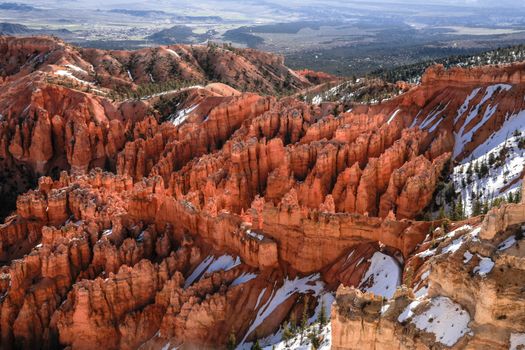
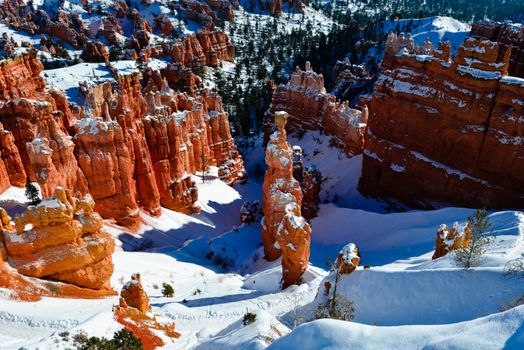
Bryce Canyon National Park is arguably at its most magical in winter. The hoodoos, those bizarre, spire-like rock formations, are dusted with snow, creating an otherworldly landscape that feels like a scene from a fantasy film. The silence is amplified by the snow, and the crisp, cold air makes the vibrant colors of the rock pop even more.
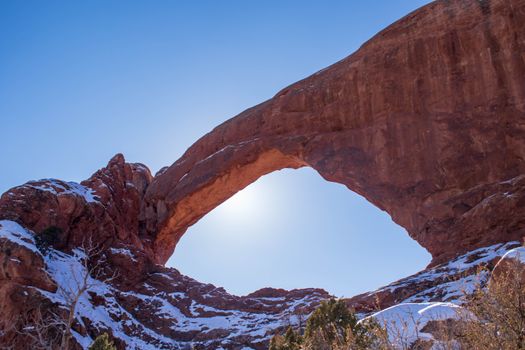
Arches National Park, near Moab, also transforms. The iconic Delicate Arch, framed by a dusting of snow, is a photographer's dream. The contrast between the fiery red rock and the stark white snow is stunning. Hiking through these landscapes feels like exploring an alien planet.
Pro-Tip: Many of the park roads are accessible in winter, but always check conditions. Microspikes or traction devices for your boots are highly recommended for hiking on icy trails. Sunrise and sunset are particularly spectacular.
Quick Facts: Utah's Red Rock
- Estimated Costs ($): Flights into Las Vegas (LAS) or Salt Lake City (SLC) are common ($200-$500+). Park entrance fees ($30/vehicle). Accommodation in nearby towns like Springdale or Moab ranges from $100-$250/night.
- Best Time to Visit: December through February for snow-dusted landscapes and fewer crowds.
- How to Get There: Fly into LAS or SLC. Rent a car. Bryce Canyon is about a 4-hour drive from LAS, Arches is about a 3.5-hour drive from SLC.
Planning Your Winter Escape: Insider Tips & Logistics
Venturing into these American landscapes in winter requires careful planning, but the rewards are immense. The quiet, the dramatic scenery, and the sense of discovery are unparalleled.
- Embrace the Layers: This is non-negotiable. Think merino wool base layers, fleece mid-layers, and a waterproof, windproof outer shell. Don't forget a warm hat, gloves, and waterproof boots.
- Check Conditions Daily: Weather can change rapidly, especially in mountainous regions. Avalanche forecasts, road closures, and park alerts are your best friends.
- Book in Advance (Where Necessary): While winter generally means fewer crowds, popular gateway towns can still book up, especially around holidays.
- Consider Guided Tours: For areas with high avalanche risk or complex navigation, a local guide can provide invaluable expertise and safety.
- Embrace the Darkness: Winter days are shorter. Plan your activities accordingly and enjoy the extended hours for stargazing or cozy evenings by the fire.
Budget Breakdown: A Realistic Look
While "budget" is relative, here's a general idea for a 5-day trip for one person, excluding flights (which are highly variable):
- Accommodation: $500 - $1500 (depending on luxury level and location)
- Activities/Tours: $200 - $1000 (fjord cruises are a bigger ticket item)
- Food: $200 - $500
- Transportation (Car Rental/Gas): $200 - $500
- Miscellaneous (Gear Rental, Park Fees): $100 - $300
Total Estimated (Excluding Flights): $1200 - $3800+
The Takeaway: These American landscapes offer an adventure that rivals anything New Zealand can provide, especially during the magical, quiet months of winter. From glacial fjords to snow-capped volcanoes and stark red rock deserts, the US is brimming with breathtaking scenery waiting to be explored. So, pack your warmest gear, your sense of adventure, and get ready to discover your own slice of winter paradise.
More pictures
Tags
Share this guide
We may earn a commission if you click a link and buy a product or service, at no extra cost to you. How affiliate links work.
Been there?