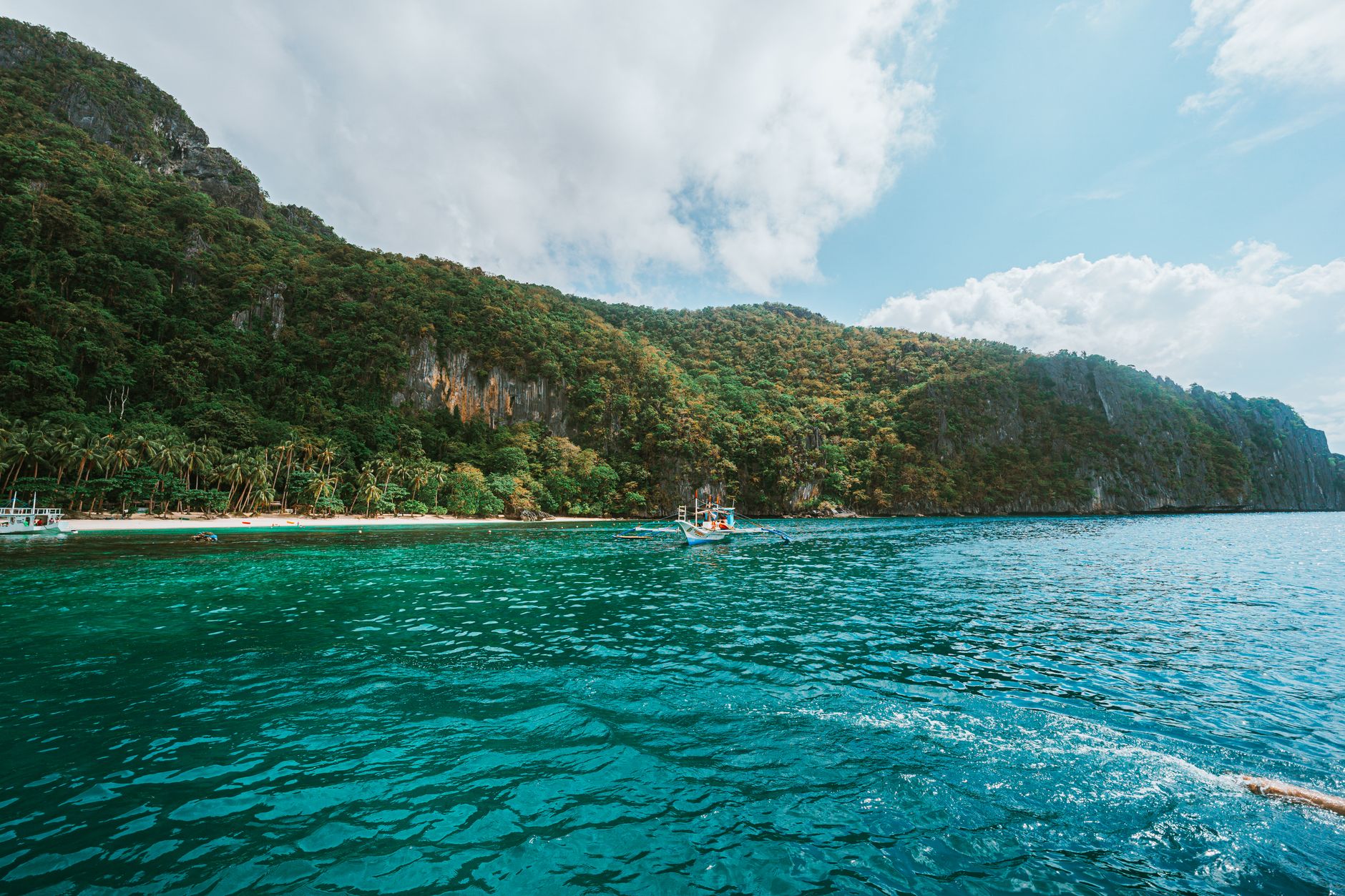
Tired of overcrowded paradises? We've got the inside scoop on stunning islands ditching mass tourism for smart, sustainable policies that bring back authenticity and protect their soul. Your next mindful adventure awaits! ---
The Hook: A Whisper of Paradise, Not a Roar
I stepped off the ferry, the salt spray a cool kiss on my sun-warmed skin, and for a moment, the world held its breath. The air, usually thick with the cacophony of selfie sticks and shouted directions, was instead perfumed with the sweet, earthy scent of frangipani and a hint of roasting plantains. The gentle lapping of waves against the weathered wooden jetty was the loudest sound. This was the Lombok I’d only dreamed of – a whisper of paradise, not the overwhelming roar I’d experienced on other, more ‘popular’ islands. It was clear almost immediately: this place was different. This was an island that had learned, adapted, and was actively charting a new course, one that prioritized its soul over its visitor numbers.
The Overtourism Avalanche: A Wake-Up Call for Paradise
For years, the siren song of pristine beaches and exotic cultures has lured millions to the world's most idyllic islands. We’ve all seen the Instagram feeds – endless horizons, turquoise waters, and smiling faces. But behind the glossy facade, a crisis was brewing. Overtourism, the relentless influx of visitors exceeding an island’s natural and social carrying capacity, began to erode the very essence of these paradises. From the canals of Venice choked with cruise ships to the fragile ecosystems of Maya Bay in Thailand being trampled by day-trippers, the warning signs were flashing red. Locals were priced out, traditions were commodified, and the raw beauty that drew us in the first place was slowly being suffocated. It was a stark reminder that unchecked tourism, while economically tempting, can be a destructive force.
The Expert Prescription: Shifting from Volume to Value
Fortunately, a new wave of thinking is taking hold. Savvy destination managers, environmentalists, and community leaders are no longer just lamenting the problem; they're actively implementing innovative policies designed to foster regenerative tourism. This isn't about simply managing crowds; it's about rebuilding ecosystems, empowering local communities, and enriching the visitor experience through authenticity and depth. Experts are recommending a multi-pronged approach, focusing on visitor dispersal, seasonal management, technological solutions, and, crucially, community involvement. The goal? To transform islands from mere tourist destinations into thriving, resilient communities that benefit from tourism in a truly sustainable way.
Case Study 1: Palau – The Pristine Pledge
Palau, a breathtaking archipelago in the western Pacific, was one of the first to sound the alarm and implement radical change. For years, its stunning coral reefs and unique jellyfish lakes were a magnet for divers and snorkelers. But the delicate balance was being threatened.
The Palau Pledge: A Legal Commitment to the Planet
In 2017, Palau introduced the Palau Pledge, a mandatory visa stamp that requires every visitor to sign a pledge to act in an environmentally responsible way during their stay. This isn't just a symbolic gesture; it's legally binding. The pledge, co-created with the children of Palau, reads:
> "I promise to protect and preserve your beautiful and unique island home. I will tread lightly, with respect, and not take or disturb anything I find. I will leave behind only the things I brought, and take away only memories that will last a lifetime."
This simple yet powerful initiative instills a sense of responsibility from the moment of arrival. It’s a profound way to shift the mindset from passive consumption to active guardianship.
Pro-Tip: Look for certified eco-tour operators who actively participate in reef conservation programs. Many offer opportunities for visitors to learn about marine biology and even assist in coral monitoring.
Managing the Flow: Beyond Just Numbers
Beyond the pledge, Palau has implemented stricter regulations on dive sites, limiting the number of boats allowed at any given time. They've also invested in marine protected areas and actively combat illegal fishing. The focus has shifted from attracting more tourists to attracting better tourists – those who appreciate and respect the natural environment.
Quick Facts: Palau
| Category | Details | | :-------------- | :---------------------------------------------------------------------- | | Estimated Cost ($) | $$$-$$$$ (Luxury eco-lodges, diving excursions can be pricey) | | Best Time to Visit | December to March (Dry season, calmer seas) | | How to Get There | Flights to Roman Tmetuchl International Airport (ROR) via Guam or Manila. |
Case Study 2: The Azores – Embracing the Green Heart
This volcanic archipelago in the mid-Atlantic has long been a haven for nature lovers, but it too faced the creeping threat of overtourism, particularly on islands like São Miguel. The Azores, however, has embraced its identity as a green paradise and is using this to its advantage.
Diversifying the Experience: Beyond the Hot Springs
While the iconic hot springs and volcanic landscapes remain a draw, the Azores is actively promoting its diverse offerings. This includes:
- Whale and Dolphin Watching: Strict regulations ensure ethical encounters with marine life, with guides trained in responsible observation techniques.
- Hiking and Trekking: The islands boast an extensive network of well-maintained trails, from coastal paths to mountain ascents, encouraging exploration beyond the main tourist hubs.
- Agritourism: Visitors can experience traditional Azorean farming, sample local cheeses and wines, and learn about the island's sustainable agricultural practices.
- Cultural Immersion: Encouraging stays in smaller villages and promoting local festivals and traditions offers a deeper connection.
Pro-Tip: Instead of staying in the busiest towns, opt for a charming guesthouse in a smaller village. You'll experience a more authentic pace of life and support local families directly.
Technological Solutions and Data-Driven Decisions
The Azores has been proactive in using technology to manage visitor impact. They’ve implemented systems to monitor trail usage and are exploring smart ticketing for popular natural attractions to control visitor numbers. The focus is on data-driven decision-making to ensure that development aligns with environmental capacity.
Insider Lingo: You'll hear locals talk about saudade, a deep longing or nostalgia. Experiencing the Azores authentically means tapping into this feeling through slow travel and genuine connection.
Quick Facts: The Azores (São Miguel)
| Category | Details | | :-------------- | :------------------------------------------------------------------------------- | | Estimated Cost ($) | $$-$$$ (Mid-range, affordable local food and guesthouses) | | Best Time to Visit | April to October (Warmer weather, blooming hydrangeas) | | How to Get There | Flights to Ponta Delgada Airport (PDL) from mainland Portugal, Europe, and North America. |
Case Study 3: Lofoten Islands, Norway – Rethinking the 'Instagram Famous'
Lofoten, a dramatic chain of islands in northern Norway, became an overnight sensation thanks to its jaw-dropping scenery and viral social media photos. But the sudden surge in visitors put immense pressure on its fragile ecosystem and tight-knit communities, especially in popular spots like Reine.
Community-Led Initiatives: Putting Locals First
Lofoten is now championing community-led tourism. This involves:
- Local Ownership: Encouraging and supporting local businesses to offer authentic experiences, from fishing trips on traditional boats to guided hikes led by islanders who know the land intimately.
- Visitor Education: Implementing campaigns to educate visitors about the local culture, environmental sensitivities, and the importance of respecting private property and natural landscapes.
- Infrastructure Development: Investing in sustainable infrastructure that supports tourism without compromising the environment, such as improved waste management and designated parking areas.
Pro-Tip: Visit outside of the peak summer months. The Northern Lights in winter or the midnight sun in summer offer equally spectacular, yet less crowded, experiences.
Managing Day-Trippers and Encouraging Longer Stays
To alleviate pressure on specific hotspots, Lofoten is working to disperse visitors across the islands and encourage longer, more immersive stays. This means promoting lesser-known villages and activities, encouraging a slow travel ethos where visitors engage deeply with the place rather than rushing through.
Authentic Detail: Instead of just mentioning "beautiful scenery," describe the unique experience of seeing the red rorbuer (traditional fisherman’s cabins) dotting the coastline against the backdrop of jagged, snow-capped peaks.
Quick Facts: Lofoten Islands
| Category | Details | | :-------------- | :------------------------------------------------------------------------------ | | Estimated Cost ($) | $$$-$$$$ (Accommodation and dining can be expensive, especially in peak season) | | Best Time to Visit | May to September (Midnight sun, hiking) or September to March (Northern Lights) | | How to Get There | Flights to Leknes (LKN) or Svolvær (SVJ) via Bodø or Oslo. Ferry options available. |
The Blueprint for a Sustainable Future: What Experts Recommend
The success stories of Palau, the Azores, and Lofoten are not isolated incidents. They represent a growing movement toward a more responsible and enriching form of travel. Experts consistently recommend the following strategies for islands looking to recover from overtourism and thrive sustainably:
1. Define and Enforce Carrying Capacity: It's Not Just About Numbers
This is the bedrock of sustainable tourism. It involves scientifically assessing how many visitors an island's environment, infrastructure, and social fabric can realistically support without degradation.
- Environmental Capacity: How many visitors can the natural resources (water, waste management, ecosystems) handle?
- Social Capacity: How many visitors can the local community comfortably accommodate without their quality of life being negatively impacted?
- Infrastructure Capacity: Can roads, public transport, and accommodation handle the influx?
Pro-Tip: Many islands are now implementing visitor quotas for sensitive natural sites or even limiting the number of cruise ship arrivals per day.
2. Diversify the Tourism Product: Beyond the Beach
Relying on a single attraction, like a specific beach or historical site, inevitably leads to overcrowding. Islands need to develop and promote a wider range of experiences.
- Promote Niche Tourism: Focus on areas like cultural heritage, adventure sports, wellness retreats, culinary tourism, or educational travel.
- Encourage Off-Season Travel: Develop attractive off-season packages that highlight unique seasonal offerings (e.g., bird watching, stargazing, local festivals).
- Support Local Artisans and Businesses: Create platforms for local crafts, food producers, and service providers to thrive.
Insider Lingo: Think about "experience design" – crafting itineraries that offer depth and connection, not just a checklist of sights.
3. Leverage Technology Wisely: Smart, Not Just Connected
Technology can be a powerful tool for managing tourism, not just promoting it.
- Real-time Data Monitoring: Use sensors and apps to track visitor numbers at popular sites, allowing for dynamic management.
- Smart Ticketing Systems: Implement online booking and timed entry for attractions to control flow and revenue.
- Augmented Reality (AR) and Virtual Reality (VR): Offer immersive pre-visit experiences to manage expectations and provide alternative ways to explore sensitive areas virtually.
Pro-Tip: Some destinations are using apps that provide real-time crowd levels and suggest less-visited alternatives.
4. Empower Local Communities: The True Guardians of Paradise
Sustainable tourism must benefit the people who live there.
- Community Consultation: Actively involve locals in tourism planning and decision-making processes.
- Local Employment and Training: Prioritize hiring and training local staff for tourism-related jobs.
- Support for Local Businesses: Encourage visitors to patronize locally owned accommodations, restaurants, and tour operators.
- Revenue Sharing: Ensure that tourism revenue is reinvested in community development, infrastructure, and conservation efforts.
Authentic Detail: Look for "community-based tourism" initiatives where a portion of your tour cost directly supports local families or conservation projects.
5. Invest in Sustainable Infrastructure and Practices: The Long Game
This includes everything from renewable energy and efficient waste management to protecting natural habitats.
- Renewable Energy: Transitioning to solar, wind, or geothermal power for resorts and local communities.
- Water Conservation: Implementing rainwater harvesting and greywater recycling systems.
- Waste Management: Establishing robust recycling and composting programs, and reducing single-use plastics.
- Protecting Biodiversity: Establishing marine protected areas, reforestation projects, and wildlife corridors.
Quick Fact: Many eco-lodges are now pioneers in sustainable practices, showcasing how tourism can be a force for good.
Your Role as a Mindful Traveler
The responsibility doesn't solely lie with the destinations. As travelers, we have a crucial role to play in supporting these islands’ recovery and their commitment to sustainability.
- Choose Wisely: Opt for destinations that are demonstrably committed to responsible tourism.
- Travel Off-Season: Help disperse crowds and support local economies year-round.
- Respect Local Culture and Environment: Learn a few local phrases, dress appropriately, and always ask permission before taking photos of people.
- Support Local Businesses: Eat at local restaurants, buy souvenirs from local artisans, and book tours with local operators.
- Minimize Your Footprint: Reduce waste, conserve water and energy, and choose eco-friendly transportation options.
- Be an Advocate: Share your positive experiences of responsible travel and encourage others to adopt a mindful approach.
The future of paradise depends on our collective commitment. By supporting islands that are actively recovering from overtourism with better policies, we not only ensure their preservation but also unlock a more authentic, enriching, and unforgettable travel experience for ourselves. It’s time to trade the crowded selfie spots for genuine connections and leave behind a positive ripple effect.
---
More pictures



Tags
Share this guide
We may earn a commission if you click a link and buy a product or service, at no extra cost to you. How affiliate links work.
Been there?