
A balanced guide to African cities known for modern infrastructure and lively urban culture, including Kigali, Cape Town, Casablanca, Nairobi and Accra.
The headline "African cities more developed than European" is a bold claim, and it is worth being honest about it. "Development" can mean many things, from public transport and digital payments to architecture, cleanliness or food culture. No single city is ahead of every European city on every measure, and the continent's 54 countries are enormously varied. But it is fair to say that many visitors are surprised by how modern, creative and well run parts of several African cities are, and that in some specific areas, such as mobile payments, new rail lines and urban design, African cities are leading rather than following. This guide looks at cities worth considering and what makes them interesting. Conditions change, so check government travel advice and local information before you go.
What "developed" can really mean
Before we look at specific cities, it helps to think about the yardsticks.
- Transport. Modern metro, tram, bus rapid transit or high-speed rail.
- Digital life. Mobile payments, fast mobile networks, co-working spaces and tech hubs.
- Public space. Well-kept parks, promenades and waterfronts.
- Architecture and design. New districts, restored historic centres and creative scenes.
- Services. Quality hotels, restaurants, healthcare and tourism infrastructure.
- Culture. Museums, galleries, music, fashion and food.
A city may be strong in some and still developing in others, as is true of cities everywhere. Visitors tend to enjoy places most when they set aside rankings and focus on what each city does well.
Kigali, Rwanda
Kigali is often mentioned for its tidy streets, green hills and orderly feel. It has a reputation for cleanliness, partly thanks to a monthly community clean-up day and rules limiting plastic bags.
What to see and do:
- Visit the Kigali Genocide Memorial, a sober and important place for understanding the country's history. Approach with respect and allow time.
- Explore the Kimironko Market for fabrics, produce and everyday life.
- Wander the arts scene, including galleries and craft centres.
- Enjoy local coffee, which Rwanda is known for, in neighbourhood cafes.
- Use the city as a base for gorilla trekking in the Volcanoes National Park, subject to permit availability and current rules.
Practical notes: motorbike taxis are common, and ride-hailing apps operate in the city. Check current rules and safety guidance.
Cape Town, South Africa
Cape Town combines a dramatic landscape with a developed visitor infrastructure. Table Mountain rises over the city, and the coastline offers beaches, wineries and a lively food scene.
- Take the cable car or hike Table Mountain, depending on weather and fitness. Check conditions, because wind and cloud can close the cable car.
- Visit the V&A Waterfront and the Zeitz Museum of Contemporary Art Africa.
- Explore the Bo-Kaap neighbourhood, known for its colourful houses and Cape Malay culture.
- Learn about the history of apartheid at sites such as the District Six Museum, and consider a visit to Robben Island, arranged through official operators.
- Day trips to the Cape Winelands, the Cape Peninsula and the penguin colony at Boulders Beach are popular.
Practical notes: like many large cities, Cape Town has areas where extra care is wise. Take local advice, use reputable transport and keep valuables secure. Water supply issues have affected the region in the past, so follow any guidance on use.
Casablanca and Rabat, Morocco
Morocco's largest city, Casablanca, and its capital, Rabat, have modernized in recent years. Both have tram lines, and the country has operated a high-speed train service between Tangier and Casablanca.
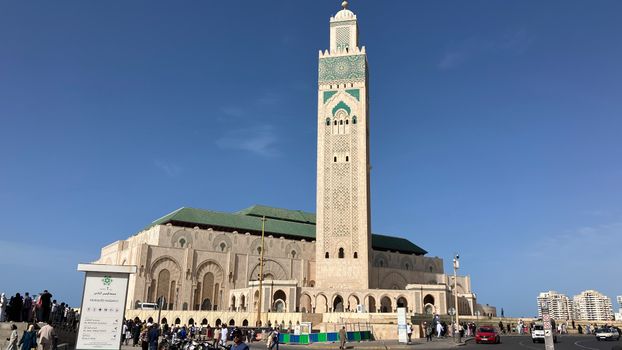
- In Casablanca, visit the Hassan II Mosque, one of the largest in the world and open to non-Muslim visitors on guided tours. Check current hours.
- Admire the city's Art Deco buildings in the downtown area.
- In Rabat, see the Kasbah of the Udayas, the Hassan Tower and the Chellah necropolis.
- Walk the Corniche and enjoy seafood by the sea.
- Combine your visit with the old medinas of Fes or Marrakech for contrast.
Practical notes: dress modestly in religious settings, and be ready to negotiate in traditional markets with a friendly attitude.
Nairobi, Kenya
Nairobi is a major business and tech hub, sometimes called a centre of East African innovation. It also has a national park on its edge, where giraffes and lions can be seen against the skyline.
- Visit Nairobi National Park for a half-day safari.
- See the Giraffe Centre and the David Sheldrick Wildlife Trust elephant orphanage, with advance arrangements where needed.
- Explore the Karen and Westlands districts for restaurants and shops.
- Browse the Nairobi National Museum for natural history and cultural exhibits.
- Learn about the country's mobile money systems, which are widely used and have attracted international attention.
Practical notes: traffic can be heavy, so plan your timings. Use trusted taxis or ride-hailing, and check current security advice.
Accra, Ghana
Accra is vibrant, creative and fast growing. It has beaches, music, markets and a strong arts scene.
- Visit the Kwame Nkrumah Mausoleum and the W.E.B. Du Bois Centre.
- Explore the Jamestown neighbourhood, with its lighthouse and fishing harbour.
- Sample local dishes such as jollof rice, waakye and kelewele.
- Shop for kente cloth and crafts at the Makola Market or craft markets.
- Spend an evening listening to highlife or Afrobeats at a local venue.
Practical notes: heat and humidity are high, so plan outdoor activities for mornings and evenings.
Other cities to consider
- Johannesburg, South Africa. A big, complex city with the Apartheid Museum, vibrant neighbourhoods such as Maboneng and Soweto, and a strong food and art scene. Take local advice on where to go.
- Addis Ababa, Ethiopia. The seat of the African Union, with a light rail line, museums and an excellent coffee culture.
- Kampala, Uganda. A lively, hilly city with markets, nightlife and access to national parks.
- Tunis, Tunisia. Mediterranean city with a historic medina, the Bardo Museum and the nearby ruins of Carthage.
- Dakar, Senegal. A coastal city with music, art and a notable contemporary arts scene, including the Museum of Black Civilisations.
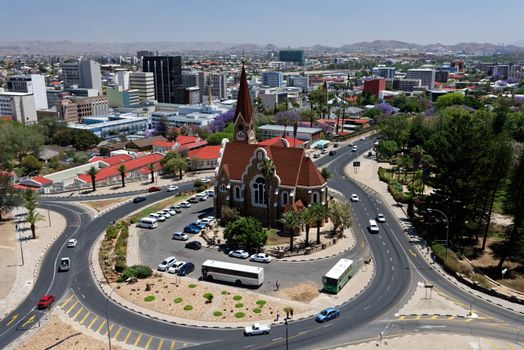
- Kigali and Windhoek. Often noted for being relatively orderly and easy to get around.
How to plan a city-focused trip in Africa
- Choose one or two cities, not five. Distances are big, and flights can be costly. Quality time is better than rushed hopping.
- Check entry requirements. Visa rules vary widely. Some countries offer e-visas, and others require advance applications. Use official government websites.
- Research health advice. Some regions recommend vaccinations or malaria prevention. Consult a doctor or travel clinic, as this is general information only.
- Think about seasons. Rainy and dry seasons differ from region to region.
- Use reputable transport. Pre-booked transfers or official ride-hailing apps are usually the simplest options.
- Learn about local customs. Dress codes, greetings and photography etiquette vary.
Staying safe and informed
As in any region, safety depends on the place and time. Read your government's travel advice, register with your embassy if recommended, and talk to your hotel about areas to avoid after dark. Avoid displaying valuables, keep copies of documents and arrange travel insurance that covers your plans. Most visitors have trouble-free trips, and prudence helps keep it that way.
Thinking beyond the comparison
Perhaps the most useful shift is to stop comparing African cities with European ones at all. Each city has its own history, pressures and strengths. Kigali's order, Cape Town's scenery, Casablanca's seafront and Nairobi's innovation are interesting in themselves. Travelers who arrive curious, rather than with a list of expectations, tend to find the most to enjoy.
Getting around African cities
Transport is one of the areas where cities differ most, and it is worth planning.
- Rail and metro. Addis Ababa has a light rail system, Casablanca and Rabat have trams, and Morocco's high-speed line connects several cities. Several other cities have new or planned lines, so check current information.
- Ride-hailing. Apps operate in many large cities and often offer clearer prices than street taxis. Availability varies, so download the relevant app before arrival.
- Minibuses and shared taxis. These are the backbone of transport in many cities, with names such as matatus in Kenya or tro-tros in Ghana. They are cheap and colourful but can be confusing, so ask your hotel which routes are suitable for visitors.
- Motorbike taxis. Common in some cities, but check helmet rules and your insurance policy, which may exclude them.
- Walking. Many central districts are walkable, though pavements and traffic conditions vary.
Food scenes worth planning around
Food is often the quickest way into a city. Cape Town mixes Cape Malay spices, seafood and a thriving wine culture. Nairobi is known for nyama choma, or grilled meat, along with a growing café and restaurant scene. Addis Ababa offers injera with stews and one of the great coffee ceremonies. Casablanca has fresh seafood and Moroccan classics such as tagine and pastilla. Accra is the place for jollof rice and grilled fish with spicy sauces. Dakar offers thieboudienne, a rich fish and rice dish often described as Senegal's national dish.
Eat where locals eat, ask about spice levels, and choose busy places with fresh food. If you have a sensitive stomach, drink bottled or filtered water where the tap water is not recommended.
Culture, design and creative energy
Cities across the continent are home to dynamic creative scenes. Contemporary art museums and galleries have opened in Cape Town, Dakar and Marrakech. Music runs from Afrobeats and highlife in West Africa to amapiano in South Africa, and live venues are often the best place to feel a city's pulse. Fashion and design markets showcase local textile traditions in modern forms. Festivals, film events and book fairs run throughout the year, so it is worth searching for events during your stay.
Sample three-city itinerary ideas
These are only starting points, and flights and routes can change.
- A calm East African loop. Spend a few days in Kigali for the city and hills, then travel on to Nairobi for urban energy and wildlife close to town.
- A Moroccan coastal trip. Combine Casablanca and Rabat, using the train between them, then add a medina city like Fes or Marrakech.
- A South African mix. Start in Cape Town for scenery and food, add the Winelands, and then fly to Johannesburg for history and urban culture.
- A West African introduction. Pair Accra with a visit to historic coastal forts, or combine Dakar with the island of Gorée, remembering that overland connections can be slow.
Frequently asked questions
Are African cities safe for tourists? Safety varies by city and neighbourhood, as everywhere. Check your government's current advice, use reputable transport and take usual precautions.
Which city is best for a first visit? Cape Town and Marrakech/Casablanca are popular starting points for their tourism infrastructure. Kigali is a good choice for a compact, calm base.
Do I need vaccinations? Requirements and recommendations differ by country. Consult a health professional or official health authority well before your trip.
Is it expensive? Costs range widely. Some cities are affordable, while international-standard hotels in major hubs can be pricey. Compare options and book flights early.
Summary
African cities are modern, creative and diverse, and several offer transport, digital innovation, design and culture that surprise first-time visitors. Rather than ranking them against Europe, consider what each does best: Kigali's tidiness, Cape Town's setting, Casablanca's architecture, Nairobi's energy and Accra's music. Check visa, health and safety information from official sources, plan at a comfortable pace and enjoy discovering places on their own terms.
More pictures



Tags
Share this guide
We may earn a commission if you click a link and buy a product or service, at no extra cost to you. How affiliate links work.
Been there?