
Your dream safari is closer than you think! Forget limitations – we're diving into the *best* accessible safari vehicles and experiences that promise breathtaking wildlife encounters without the hassle. Get ready for adventure!
The Roar of the Wild, Unfiltered: My First Accessible Safari Moment
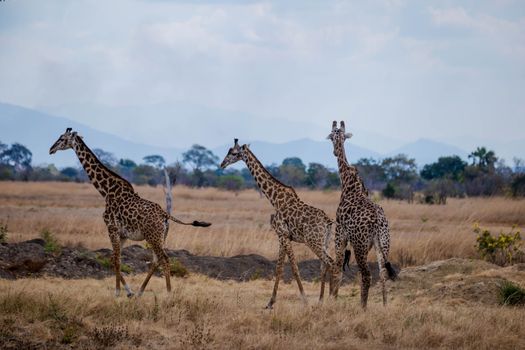
I stepped off the small bush plane, the warm African air hitting me like a comforting embrace. The scent of dry earth and distant acacia blossoms filled my lungs. A low rumble, a sound that vibrated through my very core, announced the approach of our vehicle. It wasn't the jarring clatter of a standard jeep, but a smooth, powerful hum. As it drew closer, I saw it – a specially adapted safari vehicle, designed not just for viewing, but for experiencing the savanna. The ramp lowered with a gentle hiss, and with a confident push from the guide, I was on board, my wheelchair seamlessly integrated into the heart of the wilderness. The sun, a molten gold disc, was just beginning its descent, casting long shadows that danced with the silhouettes of giraffes. This, I knew instantly, was going to be different. This was accessibility, redefined.
Beyond the Ordinary: Understanding Accessible Safari Vehicles
The image of a classic safari vehicle – open-sided, bouncing over rough terrain – often conjures up images of exclusivity. But the reality is rapidly changing, thanks to innovative engineering and a growing commitment to inclusive tourism. Modern accessible safari vehicles are a game-changer, ensuring that the magic of wildlife encounters is available to everyone.
The Adaptable Land Cruiser: A Game Changer
The workhorse of many accessible safaris is the adapted Toyota Land Cruiser. These aren't your typical rental vehicles.
- Ramp Systems: Most feature sturdy, fold-out ramps, often hydraulically operated, that can comfortably accommodate most standard wheelchairs. Some even have wider, reinforced ramps for bariatric needs.
- Spacious Interiors: The interior is reconfigured to allow ample space for maneuvering a wheelchair. Seats are often removed or made foldable to create a dedicated wheelchair bay.
- Lowered Floors: Some advanced models boast a lowered floor section, reducing the ramp angle and making boarding even easier.
- Securement Systems: Essential for safety, these vehicles are equipped with reliable wheelchair tie-down systems to keep you secure during bumpy rides.
- Elevated Viewing Platforms: Some operators have innovated with vehicles featuring a raised rear platform, allowing wheelchair users to sit at a higher vantage point, offering unobstructed views over the savanna.
Pro-Tip: When booking, always confirm the specific type of ramp system and wheelchair securement the vehicle uses. A quick video call with the safari operator can be invaluable.
The Custom Safari Bus: For Group Adventures
For larger groups or those with specific needs, custom safari buses are becoming more common.
- Wheelchair Lifts: These are the key feature, offering a smooth, vertical ascent into the vehicle.
- Flexible Seating: Interiors are designed with removable seating to create dedicated wheelchair spaces.
- Accessible Restrooms: Some larger vehicles may even include an onboard accessible restroom, a significant advantage on longer game drives.
Insider Lingo: You might hear these referred to as "Mobi-Safaris" or "Inclusive Game Drive Vehicles" by operators specializing in this niche.
Experiences Tailored for Every Traveler
It's not just about the vehicle; it's about the entire safari experience being crafted with accessibility in mind. This means thoughtful accommodation, tailored activities, and guides who understand and anticipate your needs.
Accessible Lodges and Camps: Your Sanctuary in the Wild
The safari lodge is your home away from home, and accessibility here is paramount.
- Ramped Access: All common areas – dining, lounges, viewing decks – should have ramped access.
- Accessible Rooms: Look for lodges with specifically designed accessible rooms. These typically feature wider doorways, roll-in showers with grab bars, accessible toilet facilities, and ample turning space.
- Level Pathways: Ensure pathways around the lodge are smooth and level, free from loose gravel or significant inclines.
Pro-Tip: Many high-end lodges now have dedicated accessibility pages on their websites. Don't hesitate to scrutinize these and contact them directly with your specific requirements.
Tailored Game Drives: Beyond the Bump
Accessible game drives go beyond simply getting you into a vehicle.
- Strategic Route Planning: Guides will plan routes that minimize jarring terrain and maximize wildlife viewing opportunities from accessible vantage points.
- Extended Viewing Times: Patience is key in wildlife viewing. Accessible drives often allow for longer, more relaxed stops at sightings.
- Sensory-Friendly Options: For travelers with sensory sensitivities, some operators offer drives during quieter times of the day, with reduced commentary, or focusing on specific sounds and sights.
Authenticity Check: A truly inclusive safari operator will have guides trained in disability awareness and sensitivity. They should be proactive in asking about your needs and comfort levels.
Beyond the Drive: Accessible Cultural Encounters
The safari experience is richer when it includes the vibrant cultures of the region.
- Community Visits: Many accessible lodges partner with local communities. Ensure these visits have accessible pathways and that the experience is respectful and engaging.
- Cultural Performances: Some lodges offer traditional dance or music performances. Inquire about seating arrangements and accessibility to performance areas.
Local Flavor: Ask if the lodge can arrange a private cooking demonstration featuring local dishes, allowing you to experience the flavors of the region up close.
Choosing Your Accessible Safari Destination
While accessible safaris are growing worldwide, certain regions and parks are leading the way with infrastructure and dedicated operators.
East Africa: The Classic Safari, Reimagined
- Kenya: The Maasai Mara is legendary. Many luxury camps here are increasingly investing in accessible infrastructure and adapted vehicles.
- Tanzania: Serengeti and Ngorongoro Crater offer unparalleled wildlife. Some operators here are developing specialized safari packages.
Pro-Tip: Consider visiting during the shoulder seasons (e.g., March-May or September-November) for potentially fewer crowds and more personalized attention.
Southern Africa: Pioneering Accessibility
- South Africa: Often at the forefront of accessible tourism, South Africa boasts numerous private game reserves and national parks with excellent infrastructure. Kruger National Park and reserves in the Greater Kruger area are prime examples.
- Botswana: Known for its luxury and pristine wilderness, Botswana is seeing a rise in accessible lodges and bespoke safari experiences, particularly in the Okavango Delta.
Hidden Gem: Look into private concessions in Botswana. These often offer more flexibility for customized game drives and exclusive viewing.
Planning Your Accessible Safari: Quick Facts
| Feature | Details | | :------------------ | :---------------------------------------------------------------------------------------------------------------------------------------------------------------------------------------------------------------------------------------------------------------- | | Estimated Costs | $3,000 - $15,000+ per person (depending on duration, luxury level, destination, and private guiding) | | Best Time to Visit | Dry Season (June-October): Animals congregate around water sources, making them easier to spot. Shoulder Seasons (March-May, Sept-Nov): Fewer crowds, potentially lower prices, and still excellent wildlife viewing. | | How to Get There | International Flights: Major airports in Nairobi (NBO), Kilimanjaro (JRO), Cape Town (CPT), Johannesburg (JNB). Internal Flights: Bush planes and light aircraft are common for reaching remote lodges, often with accessible boarding procedures. | | Key Considerations | Pre-booking is essential: Accessible vehicles and rooms are limited. Detailed communication with operators: Clearly outline all needs. Travel Insurance: Ensure it covers your specific needs and any required equipment. Vaccinations & Health: Consult your doctor well in advance. |
Insider Tips for an Unforgettable Accessible Safari
- Communicate, Communicate, Communicate: This cannot be stressed enough. Be explicit about your needs. Don't assume anything.
- Research Operators Specializing in Accessible Travel: Look for companies that have dedicated sections on their websites for accessible safaris or clearly state their commitment to inclusive travel.
- Ask About Guide Training: A good guide is crucial. Ensure they have experience and training in assisting travelers with disabilities.
- Pack Smart: Bring any personal medical equipment you might need. Consider lightweight, quick-drying clothing.
- Embrace the Pace: Accessible safaris might move at a slightly different pace, but this often leads to more relaxed, in-depth wildlife viewing. Savor it.
- Consider a Private Guide: For ultimate flexibility and personalized attention, a private guide and vehicle can be a worthwhile investment.
- Don't Forget the Little Things: Ask about accessible restrooms at picnic spots or rest stops during longer drives.
The Future is Inclusive: Your Safari Awaits
The world of safari is evolving, opening its arms wider than ever before. With the right vehicles and a thoughtfully planned itinerary, the thrill of witnessing a lion pride stalk across the savanna, the majesty of an elephant herd, or the sheer joy of a leopard sighting is within reach for everyone. My own journey, from that first smooth hum of the adapted vehicle to the breathtaking panorama of the African plains, was a testament to what’s possible.
So, stop dreaming and start planning. The wild is calling, and this time, everyone can answer.
More pictures

Tags
Share this guide
We may earn a commission if you click a link and buy a product or service, at no extra cost to you. How affiliate links work.
Been there?