
Ever wonder how to travel light *and* responsibly without compromising on style or convenience? We're pulling back the curtain on the zero-waste travel essentials influencers often overlook in their perfectly curated feeds. Get ready to ditch the disposables and embrace a truly sustainable, unforgettable adventure! ---
Zero-Waste Travel Secrets: Ditch Plastic, Pack Smarter (The Influencers Don't Want You To Know!)
I remember it like it was yesterday: standing on a pristine beach in Koh Lanta, Thailand, the sun setting in a blaze of orange and purple. The kind of moment that makes you feel utterly alive. But then, as I walked along the shore, a grim reality hit me. Every few steps, a plastic bottle, a forgotten flip-flop, a tangled fishing net. The sheer volume of waste was heartbreaking, a stark contrast to the paradise around me. It was a wake-up call, a moment where the "perfect" travel postcard shattered, revealing the impact of our consumption.
That trip, back in 2018, was the catalyst. It sparked a journey – not just across continents, but into a new way of traveling: zero-waste. Now, before you roll your eyes and picture me as some extreme minimalist living out of a thimble, hear me out. This isn't about perfection; it's about progress. It's about making conscious choices that reduce your footprint without sacrificing the joy of exploration. And let's be honest, it's about packing smarter, lighter, and often, cheaper in the long run.
You see all those gorgeous Instagram shots – the perfect outfit, the pristine backdrop, the aesthetically pleasing coffee cup. But what you don't always see is the single-use plastic water bottle just out of frame, the endless stream of hotel toiletries, or the mountain of plastic packaging from snacks. Influencers, bless their curated feeds, often prioritize aesthetics and convenience over sustainability. But what if I told you that you could have both? What if I told you the true secret to travel freedom lies in packing less, packing smarter, and embracing a zero-waste mindset?
This isn't just about saving the planet (though that's a huge bonus!). It's about saving space in your bag, saving money on disposables, and experiencing destinations more authentically. Ready to ditch the plastic baggage and unlock the influencer-proof secrets of zero-waste travel? Let's dive in.
The Unfiltered Truth: What Your Feed Doesn't Show
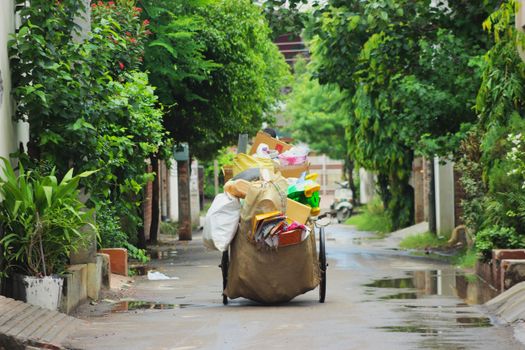
Before we get into the nitty-gritty of what to pack, let's talk about the why. Every year, millions of travelers generate tons of waste – from tiny shampoo bottles to plastic cutlery, from single-use coffee cups to souvenir packaging. This waste often ends up in landfills, polluting oceans, and harming wildlife, particularly in developing countries with less robust waste management systems. My experience in Thailand wasn't unique; I've seen similar scenes in Bali, on the coast of Portugal, and even in bustling European cities.
The "influencer lifestyle" often promotes a cycle of consumption: new outfits for every photo op, endless disposable props, and a reliance on convenience that generates waste. But here's the secret: true luxury in travel isn't about endless new things; it's about freedom, authenticity, and peace of mind. And nothing gives you more peace of mind than knowing you're traveling lightly, both literally and environmentally.
When I started my zero-waste journey, I realized how much unnecessary stuff I was carrying. My backpack felt lighter, my conscience clearer, and my travel experiences more grounded. It's a shift from being a passive consumer to an active participant in protecting the places we love.
Solid Gold: Ditching the Liquid Plastic Nightmare (Toiletries & Personal Care)
This is perhaps the easiest and most impactful area to start your zero-waste packing journey. Think about it: every hotel stay, every quick trip to the pharmacy for a mini shampoo, adds up to a mountain of plastic bottles.
My first foray into solid toiletries was a bit of a gamble. I was skeptical of shampoo bars, convinced they'd leave my hair greasy or straw-like. But a friend swore by them, so before a three-week trip through Portugal, I picked up an Ethique shampoo bar (around $16 USD) and conditioner bar (also around $16 USD) from a local eco-store. They felt a bit weird at first, but after a few washes, my hair adjusted and felt amazing. Plus, they lasted me over two months of daily use – far longer than any liquid bottle.
Here’s your solid gold lineup:
- Shampoo & Conditioner Bars: Ethique, Lush, and countless local artisan brands offer fantastic options. Look for ones that lather well and suit your hair type. They're compact, leak-proof, and last ages.
- Solid Soap Bar: Ditch the body wash. A good quality soap bar (Dr. Bronner's is a classic, or check out local craft soaps) works for body, hands, and can even double as a laundry bar in a pinch. Store it in a reusable tin or a breathable soap bag.
- Bamboo Toothbrush: Simple swap, big impact. These are biodegradable and readily available (I bought a pack of four for about $8 USD on Amazon, but you can find them in most eco-shops and even some supermarkets now).
- Toothpaste Tablets/Powder: Game changer! Instead of a plastic tube, these little tabs (like by Lush or Georganics, around $10-15 USD for a month's supply) come in glass jars or compostable pouches. Just chew, brush, and go. I also love tooth powders for their simplicity.
- Safety Razor: A one-time investment (around $25-50 USD) that will save you money and plastic over years of use. The blades are recyclable. Just be careful with it in your carry-on – some airlines prefer checked luggage for razors.
- Deodorant Bar/Cream: Many brands now offer plastic-free deodorant sticks or creams in tins (like by Native or Meow Meow Tweet, around $12-20 USD).
- Reusable Cotton Rounds/Menstrual Cup: For makeup removal, reusable cotton rounds are a must. For women, a menstrual cup (like DivaCup or Lena Cup, around $25-40 USD) is a fantastic zero-waste, cost-effective, and travel-friendly alternative to tampons and pads.
Pro Tip: Look for multi-purpose products! A good castile soap can be shampoo, body wash, laundry soap, and even dish soap. This further reduces what you need to carry.
Feast Responsibly: Your Portable Kitchen Kit (Food & Drink)
One of the biggest sources of waste while traveling is food and drink packaging. Think about all those plastic water bottles, coffee cups, and snack wrappers. With a few simple swaps, you can drastically cut down on your waste and often save money too.
My "aha!" moment for this category came during a trek through the Himalayas in Nepal. We were constantly offered bottled water, and the trails were littered with plastic. I realized then and there I needed a better system.
Here's my indispensable food & drink kit:
- Reusable Water Bottle: This is non-negotiable. I swear by my Hydro Flask (around $30-50 USD) – it keeps water cold for days in hot climates and hot for hours in cold ones. Many airports now have refilling stations, and hostels often provide filtered water. In places where tap water isn't safe, look for filtration bottles (like a Lifestraw or Grayl bottle, around $50-70 USD) or large refill stations.
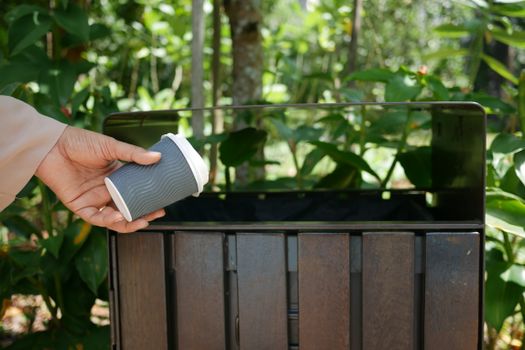
- Reusable Coffee Cup: For the coffee addicts among us (guilty!), a Stojo collapsible cup ($15-20 USD) is a lifesaver. It folds down flat, taking up minimal space. I've used mine everywhere from bustling Parisian cafes to tiny street stalls in Vietnam. Many cafes offer a discount if you bring your own cup!
- Reusable Cutlery Set: A lightweight bamboo or metal spork (or a full set, around $10-20 USD) in a small pouch is perfect for street food, picnics, or when you grab a takeaway. No more flimsy plastic forks!
- Cloth Napkin/Handkerchief: Ditch the paper napkins. A simple cloth napkin is great for meals and can double as a handkerchief.
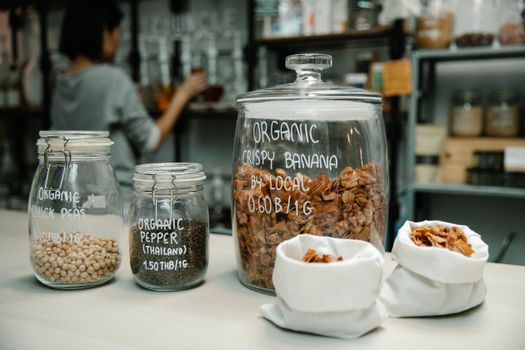
- Reusable Snack Bags/Containers: Stasher silicone bags ($10-20 USD each) are fantastic for snacks, sandwiches, or even storing wet swimwear. For bulkier items, a small, lightweight Tupperware or a stainless steel container works wonders. I love hitting up local markets in places like Mexico City or Barcelona, filling my reusable bags with fresh fruit, nuts, and local treats.
- Produce Bags: Small, lightweight mesh or cloth bags (around $10-15 USD for a set) are perfect for shopping at local markets, avoiding those flimsy plastic bags for fruits and veggies.
Personal Anecdote: I was once backpacking through Central America, and in a small town in Guatemala, I wanted to buy some fresh tortillas. The vendor started to put them in a plastic bag. I pulled out my Stasher bag, and with a smile and a few broken Spanish words, explained I wanted them "sin bolsa." She smiled back, put the warm tortillas directly into my bag, and even gave me an extra one for my effort. It felt like a small victory and a genuine connection.
The Minimalist Wardrobe: Travel Light, Live Large (Clothing & Laundry)
Zero-waste packing isn't just about plastic; it's about mindful consumption in general. This extends to your clothes. The fast fashion industry is a huge contributor to waste and pollution. When traveling, embrace a capsule wardrobe of high-quality, versatile pieces that you love and that will last.
- Merino Wool Base Layers: Seriously, invest in these. Merino wool is naturally odor-resistant, temperature-regulating, and dries quickly. You can wear a merino tee for days without it smelling, drastically reducing your laundry needs. Brands like Icebreaker or Smartwool (can be pricey, $50-100 USD per item, but worth it) are fantastic.
- Versatile Pieces: Think layers, neutral colors, and items that can be dressed up or down. A pair of dark jeans, a versatile dress, and a few t-shirts can take you far.
- Travel Laundry Soap Sheets/Bar: Instead of tiny plastic detergent bottles, pack a few laundry soap sheets (like by Tru Earth, around $15-20 USD for 30 loads) or a small bar of solid laundry soap. These are super compact and dissolve easily. I've hand-washed clothes in hostel sinks from Reykjavik to Rio with just a tiny amount of soap.
- Universal Sink Stopper & Clothesline: A simple universal sink stopper (around $5 USD) allows you to do laundry anywhere. Combine it with a small travel clothesline (around $10 USD) and you're set for quick drying.
Tip: Before buying new travel clothes, check your existing wardrobe. Can you make do with what you have? If you need something new, consider second-hand or ethical brands.
Everyday Heroes: Small Swaps, Big Impact (On-the-Go Essentials)
It's the little things we use every day that often generate the most invisible waste. A few key items can make a huge difference.
- Reusable Tote Bag: This is my absolute MVP. A lightweight, foldable tote bag (like by Baggu, around $12-16 USD) is essential for grocery shopping, carrying souvenirs, or just having an extra bag for day trips. I always have one rolled up in my daypack.
- E-Reader: Love physical books, but for travel, an e-reader (like a Kindle or Kobo, around $100-200 USD) is a fantastic zero-waste option. It saves paper, space, and weight. Plus, you can download guidebooks and maps too!
- Pen & Small Notebook: For journaling, jotting down notes, or filling out customs forms. Choose a refillable pen and a notebook made from recycled paper.
- Portable Charger: While not directly zero-waste, a good portable charger (around $30-60 USD) means you're not constantly searching for outlets or buying disposable batteries for small devices. Charge your devices efficiently and extend their life.
Digital Detox, Sustainable Docs (Tech & Documents)
Even our digital footprint can have a physical impact. Think about printing boarding passes, maps, or information. Most of this can be avoided.
- Digital Boarding Passes & Tickets: Almost all airlines and train companies offer mobile boarding passes. Use them! Save attraction tickets to your phone's wallet or as a PDF.
- Offline Maps: Download Google Maps regions or use apps like Maps.me for offline navigation. This saves printing paper maps and ensures you're never lost, even without data.
- Cloud Storage: Keep copies of your passport, visas, and important documents in cloud storage (Google Drive, Dropbox) instead of carrying multiple physical copies.
- Reusable USB Stick: For sharing photos or information, use a USB stick instead of printing.
Personal Story: On a road trip through New Zealand, my phone battery died in the middle of a remote area with no signal. I was so grateful I had downloaded the map offline! Not only did it save me from getting truly lost, but it also reinforced the idea that relying on digital solutions can be incredibly efficient and sustainable.
It's More Than Just Stuff: The Zero-Waste Mindset
Ultimately, zero-waste travel isn't just about the items you pack; it's a philosophy. It's about being a conscious consumer and a responsible traveler.
- Say No to Single-Use: Politely decline plastic bags, straws, and cutlery. A simple "no straw, please" or "sin bolsa, por favor" goes a long way.
- Support Local: Choose local guesthouses, eat at local restaurants, and buy souvenirs directly from artisans. This supports the local economy and often means less packaging and more authentic experiences.
- Be Prepared: The key to zero-waste is anticipating your needs. Got your water bottle? Your coffee cup? Your snack bags? Great, you're ready for anything!
- Embrace Imperfection: You won't be 100% zero-waste, and that's okay. The goal is to do your best and make continuous improvements. Don't let perfect be the enemy of good. Every small step counts.
- Educate & Inspire: Share your tips! When friends see you with your reusable bottle or coffee cup, they might be inspired to make a switch too. Let's create a ripple effect.
My journey to zero-waste travel has been incredibly rewarding. It’s not just about reducing my environmental impact, but about gaining a deeper appreciation for the places I visit. It forces me to slow down, be more mindful, and connect with local cultures in ways I never did before. It’s a liberation from unnecessary baggage, both physical and metaphorical.
So, the next time you see that perfectly posed influencer shot, remember that true travel magic often happens off-camera, with intentional choices and a desire to leave the world a little better than we found it.
Are you ready to join the zero-waste travel revolution? Start small, make one swap today, and watch how it transforms your next adventure. Your future self, and our beautiful planet, will thank you.
Share your favorite zero-waste travel hack in the comments below! What’s one item you can’t travel without? Let's inspire each other!
---
More pictures

Tags
Share this guide
We may earn a commission if you click a link and buy a product or service, at no extra cost to you. How affiliate links work.
Been there?