Forget "eco-friendly" being synonymous with scratchy linen and lukewarm showers. We’re entering the era of
The Silence of the Future: Why Your Next Check-In Should Be Carbon-Zero
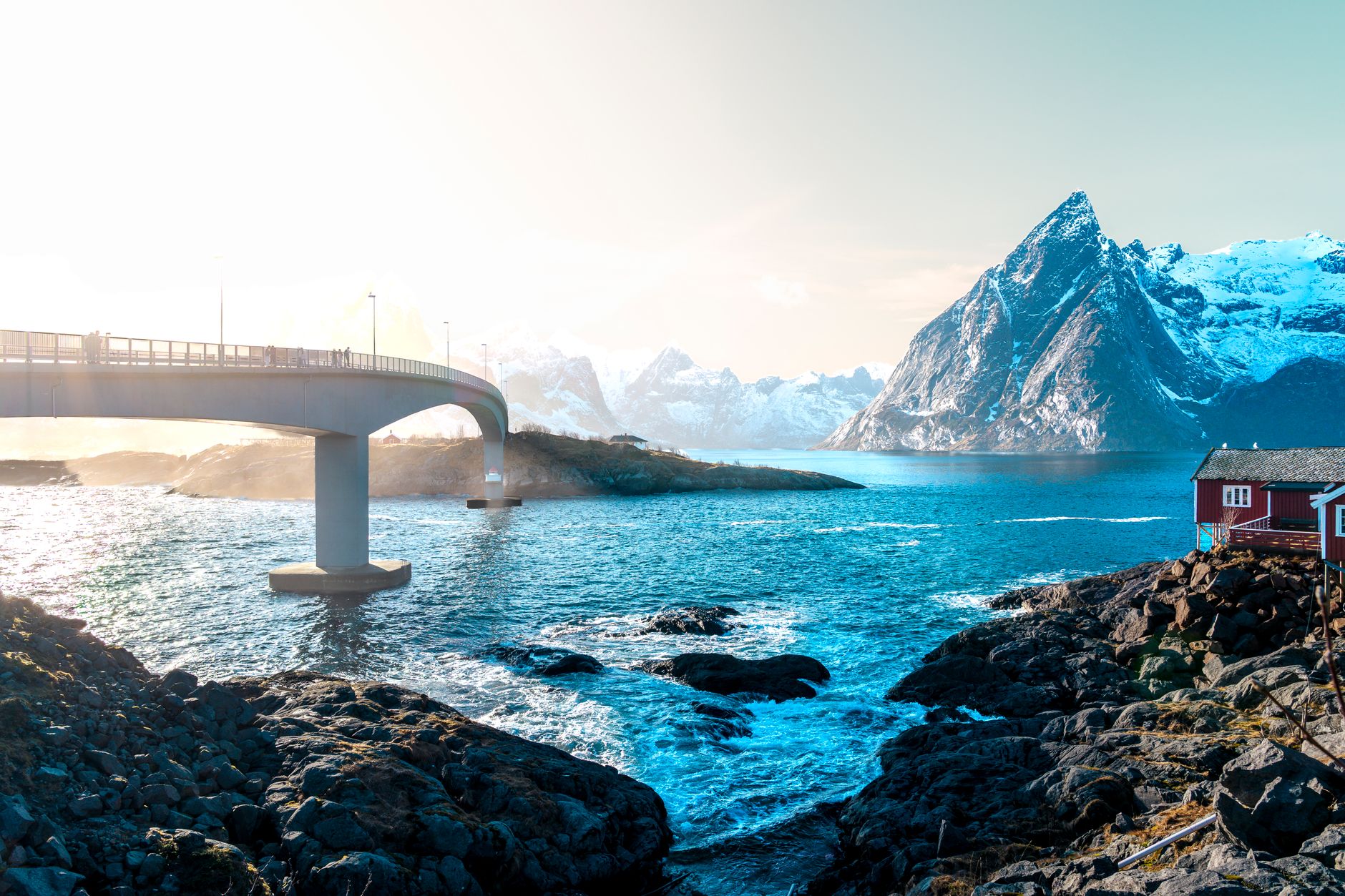
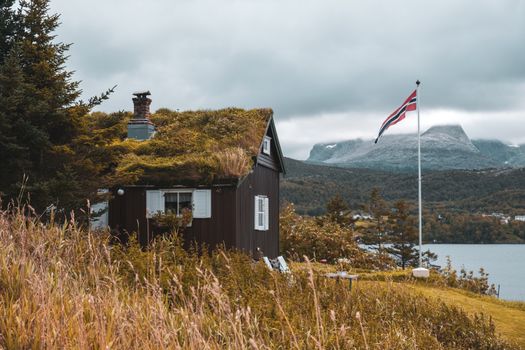
I stepped off the electric ferry in the middle of a Norwegian fjord, and the first thing I noticed wasn't the towering granite cliffs or the crystalline water. It was the silence. No thrumming diesel engines, no distant drone of a generator, just the sharp, cold scent of ancient ice and the soft lap of water against the hull. This wasn't just a vacation; it was a glimpse into a world where humans and nature have finally negotiated a peace treaty.
For years, "sustainable travel" felt like a compromise. You traded the air conditioning for a ceiling fan and the high-pressure shower for a trickle of rainwater. But a new vanguard of architects and hoteliers has flipped the script. They are proving that zero-emission hotels worth the premium worth considering aren't just about saving the planet—they are about a superior guest experience.
When a hotel produces its own energy, grows its own food, and treats its own waste, it becomes an island of stability in an unpredictable world. It’s quieter, cleaner, and infinitely more intentional. Here is why you should stop looking for "cheap" and start looking for "zero."
---
1. Svart, Norway: The World’s First Power-Positive Hotel
Located at the foot of the Svartisen glacier, Svart isn't just carbon-neutral; it’s power-positive. This circular masterpiece is built on wooden piles, hovering above the Holandsfjorden like a futuristic spacecraft.
The Tech: It uses solar panels that harvest energy in a land where the sun barely sets in summer. Over 60 years, the building will generate more energy than it took to build, operate, and eventually demolish. The Vibe: Minimalist Nordic. Imagine waking up to 360-degree views of the Arctic circle, with the glass floor reflecting the teal water below. Pro-Tip: Book your stay during the shoulder season (September). You get the Northern Lights without the peak-winter bone-chilling cold, and the hotel’s "biophilic" lighting system mimics the aurora inside your suite.
---
2. The Brando, French Polynesia: Marlon’s Legacy of Luxury
When Marlon Brando bought the atoll of Tetiaroa, he wanted a laboratory for sustainability. Today, The Brando is arguably the most famous zero-emission resort on Earth, and for good reason.
The Tech: The star of the show is the Sea Water Air Conditioning (SWAC). The resort pumps cold water from 3,000 feet below the ocean surface to cool the villas. It’s silent, uses 90% less energy than traditional AC, and feels like a natural breeze rather than forced air. Insider Detail: Look closely at the coconut oil used in the spa; it’s processed on-site and used as a biofuel to power the resort’s secondary generators. Pro-Tip: The "hidden" path to the West Side beach is best traversed at 5:30 PM. The sunset there hits the coral flats in a way that makes the entire lagoon look like liquid gold.
---
3. Hotel Marcel, USA: A Brutalist Rebirth
You don’t have to fly to a remote island to find a zero-emission hotel worth the premium. In New Haven, Connecticut, Hotel Marcel has transformed a 1970s Brutalist office building (originally designed by Marcel Breuer) into a LEED Platinum, Net-Zero energy marvel.
The Tech: Over 1,000 solar panels power everything from the kitchen’s induction stoves to the elevators. It’s the first Passive House-certified hotel in the US. The Vibe: High-design mid-century modern. Think sunken lounges, charcoal grey concrete, and bespoke walnut furniture. It feels like the set of a Bond movie, but with a conscience. Authenticity Note: Most "green" hotels use gas for their kitchens because chefs prefer it. Hotel Marcel went 100% electric. The result? A kitchen that is 15 degrees cooler and a dining experience at Hierarchy that is remarkably smoke-free.
---
4. Whitepod Original, Switzerland: High-Tech Nomads
High in the Swiss Alps, Whitepod offers a "high-tech trek" experience. These geodesic domes are anchored to wooden platforms, providing a low-impact way to live in the mountains.
The Tech: Each pod is heated by a high-efficiency pellet stove. The water comes from a local spring, and the "waste" is managed through a closed-loop system that would make NASA jealous. The Experience: You are given a backpack and a map upon arrival. There are no cars. You hike to your pod. It’s the ultimate "digital detox" that doesn't sacrifice a high-thread-count duvet. Pro-Tip: The "Zen Pod" features a Japanese-inspired soaking tub. Use it at night; the lack of light pollution in the Valais region means you can see the Milky Way while you soak.
---
5. Why the "Premium" is Actually a Sound Investment
Let’s address the elephant in the room: these hotels aren't cheap. You might pay 20-30% more than a standard five-star resort. But here is what that premium buys you:
- Hyper-Localization: Zero-emission hotels can’t rely on global supply chains. Your food is grown 500 yards away. Your furniture is crafted by the guy down the road. You are paying for a level of local authenticity that "big box" luxury can’t touch.
- Health and Wellness: Traditional hotels are hotbeds of Volatile Organic Compounds (VOCs) from cheap carpets and harsh cleaning chemicals. Zero-emission hotels use medical-grade air filtration and non-toxic, bio-based materials. You actually sleep better.
- The "First Mover" Tax: By staying here, you are subsidizing the technology that will eventually make all travel sustainable. You aren't just a guest; you’re a patron of the future.
---
Quick Facts & Logistics
| Hotel | Location | Est. Cost (Per Night) | Best Time to Visit | How to Get There | | :--- | :--- | :--- | :--- | :--- | | Svart | Meløy, Norway | $800+ | June - August | Fly to Bodø, then electric boat. | | The Brando | Tetiaroa, Fr. Polynesia | $3,500+ | May - October | Private flight from Tahiti (20 mins). | | Hotel Marcel | New Haven, CT, USA | $250+ | Year-round | Train from NYC (Amtrak/Metro-North). | | Whitepod | Les Giettes, Switzerland | $450+ | January (Skiing) | Train to Monthey, then shuttle. | | Eco-Villa | Kaikoura, NZ | $300+ | November - March | Drive from Christchurch (2.5 hrs). |
---
How to Spot "Greenwashing" (The Insider’s Guide)
As an elite travel journalist, I see "greenwashing" everywhere. If a hotel asks you to reuse your towel but still uses single-use plastic water bottles in the gym, they aren't trying to save the planet—they’re trying to save money on laundry.
Look for these "Real Deal" markers:
- Induction Cooking: If the kitchen uses gas, they aren't zero-emission. Period.
- Greywater Recycling: Ask where the water from the showers goes. If it’s used to water the gardens, they’re serious.
- Third-Party Certifications: Look for B Corp, LEED Platinum, or Passive House status. These require rigorous audits, not just a self-printed sticker.
---
Final Thoughts: The New Status Symbol
In the 1990s, the ultimate travel status symbol was a gold-plated bathroom. In the 2020s, the ultimate status symbol is impact. Staying at a zero-emission hotel tells the world you are literate in the challenges of the 21st century. It says you value the view enough to ensure it’s still there for the next generation.
So, is it worth the premium? When you’re standing on that Norwegian fjord, breathing air so clean it feels like a tonic, and realizing your presence there hasn't cost the Earth a single gram of carbon... you won't even remember the price tag.
---
More pictures

Tags
Share this guide
We may earn a commission if you click a link and buy a product or service, at no extra cost to you. How affiliate links work.
Been there?