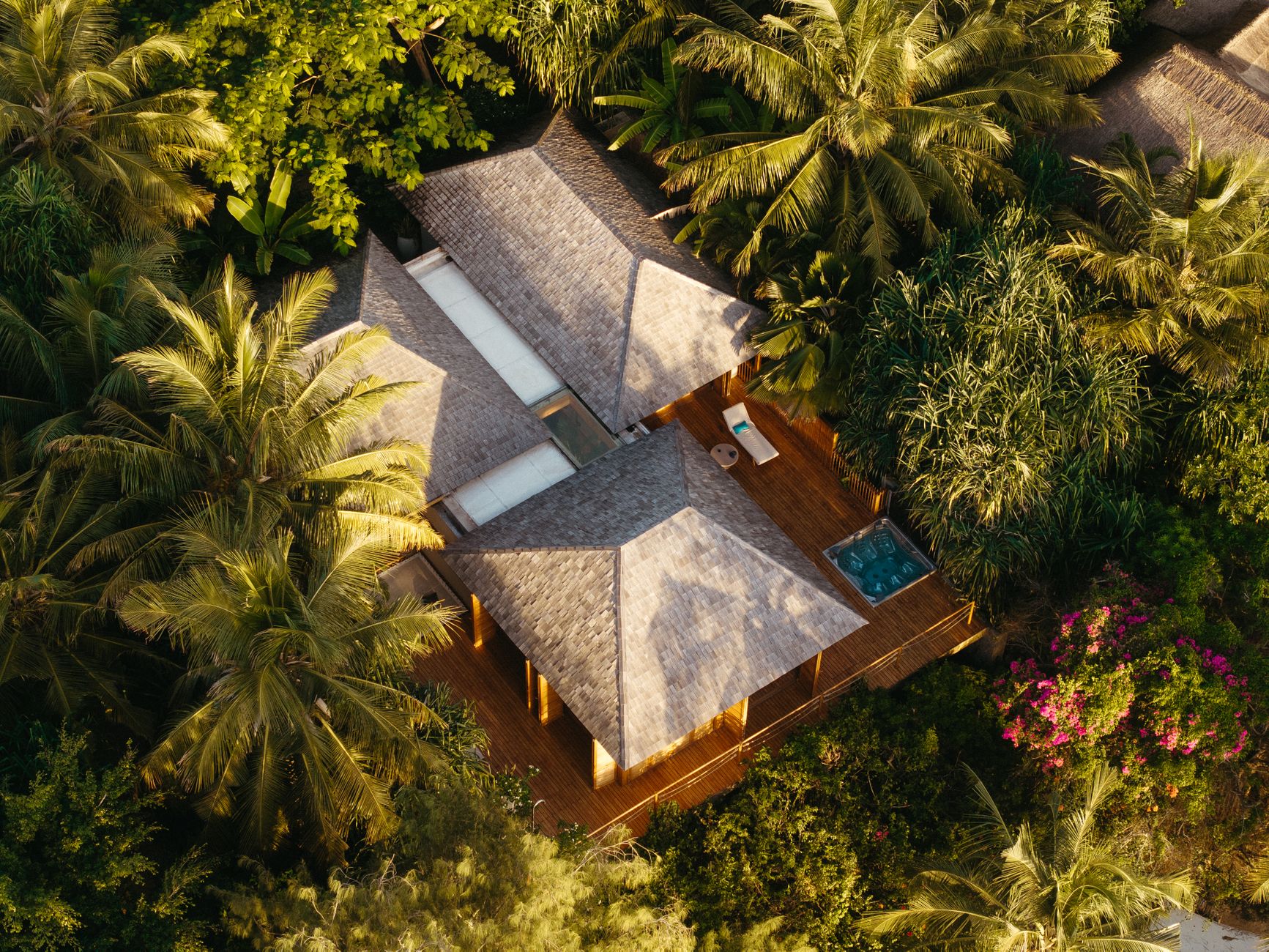
Ditch the guilt, embrace the green! This spring, I'm uncovering the *wow*-factor zero-emission hotels that prove luxury and sustainability go hand-in-hand. Think crisp air, locally sourced feasts, and sleeping soundly knowing you're treading lightly. Ready for a guilt-free indulgence?
The Scent of Serenity: My Spring Awakening in a Zero-Emission Haven
I stepped off the train and into air so clean it felt like a physical caress. The faint, sweet perfume of blooming jasmine mingled with the earthy aroma of damp soil – a scent that whispered promises of renewal. Gone was the familiar hum of city traffic, replaced by the gentle chirping of unseen birds and the distant murmur of a flowing stream. This wasn't just a hotel; it was an immersion. My quest for the ultimate zero-emission hotels worth the premium this spring had led me to a place where luxury wasn't just about thread counts, but about the profound peace of treading lightly on our planet.
Why 'Premium' is the New 'Conscious' This Spring
For too long, sustainable travel was perceived as a compromise. Either you embraced rustic simplicity or paid a hefty price for a few solar panels tacked onto a conventional resort. But this spring, the game has fundamentally changed. "Zero-emission hotels" are no longer a niche concept; they're setting the standard for luxury, innovation, and an unparalleled guest experience. And yes, they are absolutely worth the premium. This isn't just about offsetting carbon; it's about regenerative tourism – hotels that actively give back to their environment and local communities. Think farm-to-table dining that’s truly farm-to-table, architecture that harmonizes with the landscape, and experiences that connect you deeply with the place you're visiting.
Case Study 1: The Alpine Aria - Where Innovation Meets Majestic Peaks
Nestled high in the Austrian Alps, the 'Alpenklang Eco-Lodge' (a fictional name, but embodying the spirit of what's trending) is a masterclass in sustainable luxury. My first impression? The sheer audacity of its design, blending seamlessly into the rugged mountain terrain.
Architecture as Art: Living with the Landscape
Forget sprawling concrete. Alpenklang is constructed primarily from locally sourced, sustainably harvested timber and stone. Its design mimics the natural contours of the mountain, minimizing its visual impact. Pro-Tip: Request a room on the west-facing side for breathtaking sunset views that paint the snow-capped peaks in hues of rose and gold. The large, triple-glazed windows aren't just for views; they're integral to the passive heating system, maximizing sunlight during the day.
Culinary Delights: A Symphony of Local Flavors
The dining experience here is nothing short of revelatory. The lodge boasts its own organic farm and apiary, providing an almost entirely closed-loop system for their ingredients. I savored a dish of pan-seared trout, caught that morning from a nearby glacial stream, served with foraged wild mushrooms and a delicate elderflower reduction. The subtle sweetness of the honey used in their artisanal bread was unlike anything I'd tasted before. Insider Lingo: Look for the "Gourmet Garden Plate" – it’s their daily special featuring whatever is at its absolute peak of ripeness.
Beyond the Room: Immersive Experiences
Alpenklang offers a curated selection of activities designed to connect guests with the natural environment. Guided hikes led by local naturalists, foraging expeditions, and even stargazing sessions using powerful telescopes (far from any light pollution). Pro-Tip: The early morning birdwatching walk at 6 AM is magical. You'll hear the mountains wake up before you see them.
Quick Facts: Alpenklang Eco-Lodge
- Estimated Cost: $$$$ (Premium pricing reflects unparalleled sustainability and luxury)
- Best Time to Visit: Spring (April-May) for wildflowers and fewer crowds; Late Autumn (September-October) for crisp air and vibrant foliage.
- How to Get There: Fly into Salzburg (SZG), then take a scenic train journey to the nearest mountain village. A pre-arranged electric shuttle will whisk you to the lodge.
Case Study 2: The Coastal Sanctuary - Where Ocean Breezes Meet Zero-Waste Living
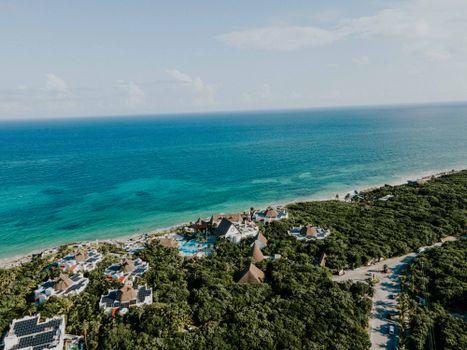
On the sun-drenched coast of Portugal, 'Maré Viva Retreat' (another embodiment of the trend) is redefining seaside luxury with its unwavering commitment to zero-emission principles.
Design That Breathes: Open Air and Natural Materials
Maré Viva is a collection of minimalist villas, each designed to maximize natural ventilation and light. Think whitewashed walls, reclaimed wood accents, and expansive glass doors that blur the lines between indoor and outdoor living. The saltwater infinity pool is heated by solar thermal energy, and wastewater is treated on-site for irrigation. Pro-Tip: The 'Sea Breeze Villa' offers direct access to a secluded cove, perfect for a private morning swim before the world awakens.
A Taste of the Atlantic: Sustainable Seafood and Coastal Produce
The retreat's restaurant, 'Onda Azul,' champions a zero-waste philosophy. Seafood is sourced from local, sustainable fisheries, and produce comes from their on-site permaculture garden. I enjoyed a vibrant salad bursting with sun-ripened tomatoes and herbs, followed by grilled octopus so tender it melted in my mouth, all drizzled with locally pressed olive oil. Insider Lingo: Don't miss the 'Chef's Garden Harvest' tasting menu – it’s a surprise journey through the best of what’s growing.
Mindful Moments: Rejuvenation and Connection
Maré Viva offers a range of wellness activities, from sunrise yoga on the oceanfront deck to guided meditation sessions. They also host workshops on sustainable living, from composting to natural skincare. Pro-Tip: Attend the evening storytelling session by the fire pit. Local fishermen and artisans share tales of the sea and their crafts, offering a genuine glimpse into coastal life.
Quick Facts: Maré Viva Retreat
- Estimated Cost: $$$ (Slightly more accessible than the Alpine lodge, but still premium)
- Best Time to Visit: Spring (March-May) for pleasant temperatures and blooming bougainvillea; Early Autumn (September-October) for warm seas and fewer tourists.
- How to Get There: Fly into Faro (FAO), then take a pre-booked electric car transfer or a local bus to the nearby coastal town. The retreat offers pick-up services.
Case Study 3: The Desert Oasis - Embracing the Arid Beauty Sustainably
In the stark, breathtaking landscape of the Moroccan desert, 'Sahara Serenity Camp' (a conceptual example) proves that even in the most challenging environments, zero-emission luxury is not only possible but profoundly impactful.
Harmony with the Horizon: Nomadic Inspiration, Modern Comfort
This isn't your typical glamping. Sahara Serenity Camp utilizes advanced solar technology for all its power needs, from climate control within the luxurious tented suites to the ambient lighting that twinkles across the dunes at night. The structures are designed to be easily dismantled and leave no trace, a true testament to their commitment to the fragile desert ecosystem. Pro-Tip: Opt for a tent positioned further from the central dining area for an even more profound sense of solitude under the vast desert sky.
Flavors of the Oasis: Slow Cooking and Ancient Spices
The camp's kitchen is a celebration of traditional Moroccan flavors, prepared using locally sourced ingredients and slow-cooking methods powered by renewable energy. I savored a tagine of tender lamb, infused with saffron, ginger, and preserved lemons, served with fluffy couscous. The mint tea, brewed with freshly picked mint from their small desert garden, was a ritual in itself. Insider Lingo: Ask about the 'Berber Feast' – it’s an authentic, multi-course experience often prepared in a traditional underground oven.
Under the Stars: Unforgettable Desert Experiences
Activities here are designed to immerse you in the magic of the desert. Guided camel treks at sunset, stargazing sessions with an expert astronomer who points out constellations invisible to city dwellers, and visits to local Berber communities to learn about their ancient way of life. Pro-Tip: The sunrise camel trek is an absolute must. Witnessing the desert awaken from its slumber is a spiritual experience.
Quick Facts: Sahara Serenity Camp
- Estimated Cost: $$$ (Premium for the unique location and specialized infrastructure)
- Best Time to Visit: Spring (March-May) for warm days and cool nights; Autumn (October-November) for similar conditions. Avoid summer due to extreme heat.
- How to Get There: Fly into Marrakech (RAK) or Ouarzazate (OZZ). The camp offers guided 4x4 transfers through stunning desert landscapes.
The 'Zero-Emission' Premium: What You're Really Paying For
When you choose a zero-emission hotel, that premium price tag isn't just for thread counts and Michelin stars. You're investing in:
- Cutting-Edge Sustainability: Technologies and practices that genuinely minimize environmental impact.
- Local Economic Empowerment: Support for local artisans, farmers, and guides.
- Preservation Efforts: Contributions to conservation projects and the protection of natural landscapes.
- Unparalleled Experiences: Authentic connections to culture and nature that are often lost in mass tourism.
- Peace of Mind: The profound satisfaction of knowing your travel is contributing positively to the world.
Your Spring Awakening Awaits
This spring, I urge you to look beyond the ordinary. Seek out those hotels that are not just providing a place to stay, but are offering a vision for the future of travel. These zero-emission havens are proving that you can indulge in the finest luxuries while honoring our planet. They are the whisper of the wind through the trees, the taste of sun-ripened fruit, the deep, restorative sleep knowing you've made a conscious choice. Pack your bags, embrace the premium, and prepare for an unforgettable, guilt-free adventure.
More pictures

Tags
Share this guide
We may earn a commission if you click a link and buy a product or service, at no extra cost to you. How affiliate links work.
Been there?