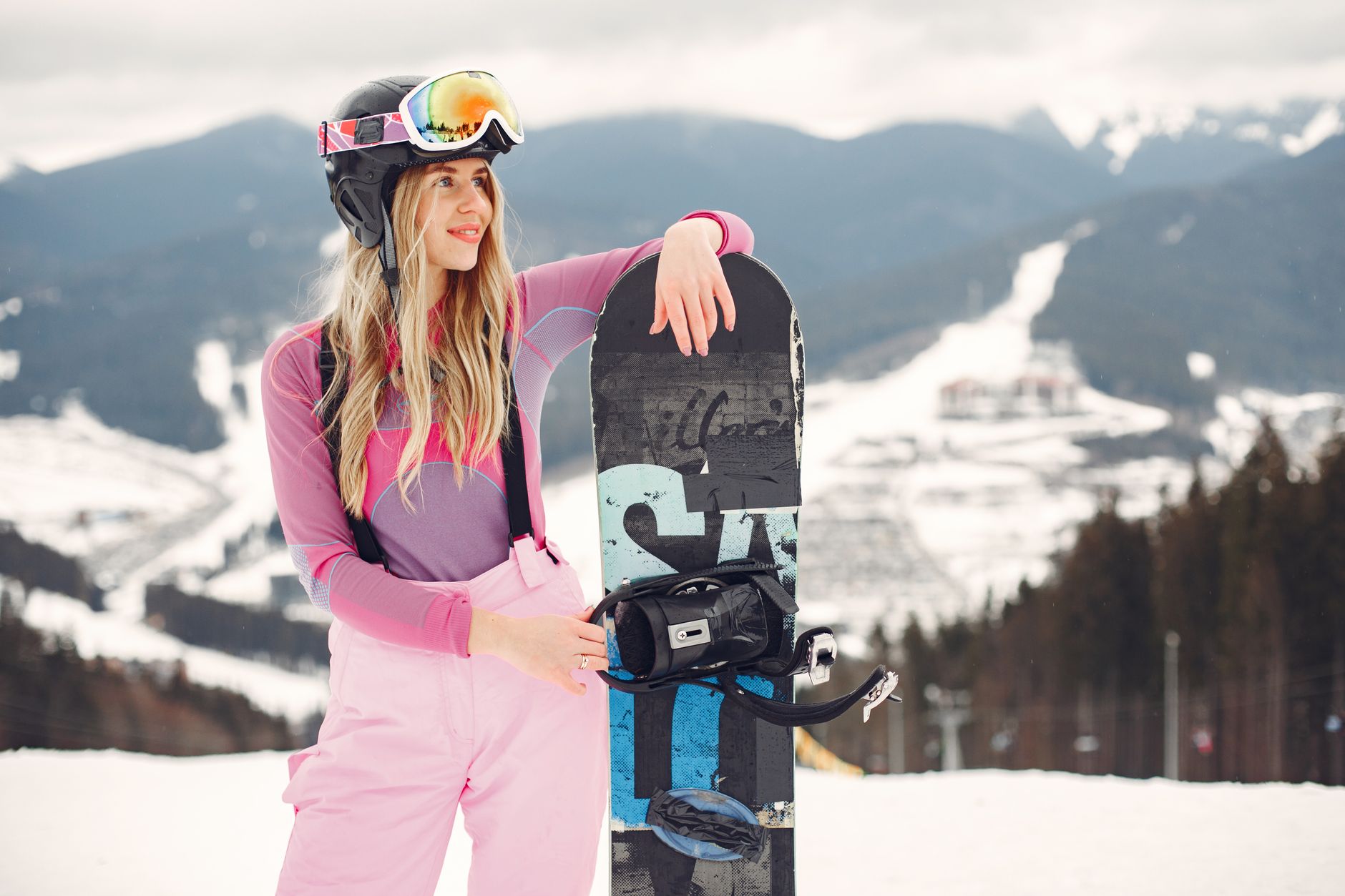
Ever dreamt of conquering the slopes or gliding through a snowy forest but felt it was out of reach? Think again! This guide reveals 7 exhilarating winter sports you can learn the basics of in just one weekend, proving that epic winter adventures aren't just for the pros. Get ready to blow your mind and transform your cold weather blues into unforgettable thrills! ---
Winter Sports You Can Learn in a Weekend That Will Blow Your Mind
There’s a common misconception that winter sports are exclusively for seasoned pros who’ve been carving powder since they were toddlers. I used to be one of those people, gazing longingly at Instagram feeds filled with breathtaking mountain vistas and graceful skiers, convinced that my clumsy self would only manage a spectacular face-plant followed by a trip to the emergency room. My winter "sport" typically involved binge-watching Netflix under a blanket, occasionally venturing out for a hot chocolate.
But then, a few winters ago, a friend challenged me. "What if I told you," she said, "that you could actually learn a proper winter sport in a single weekend? Not just 'try it,' but actually get the hang of it?" I scoffed. She smirked. And then, she showed me the way.
What I discovered transformed my winters from a season of hibernation into one of exhilarating exploration. You don’t need weeks of lessons or a lifetime of dedication to unlock the magic of winter. With the right mindset, a little planning, and a good instructor, you can absolutely pick up the fundamentals of several incredible winter sports in just 48 hours. And trust me, the feeling of accomplishment, the rush of cold air, and the sheer beauty of a snowy landscape will truly blow your mind.
So, ditch the couch, grab your warmest layers, and let's dive into the winter sports that will have you feeling like a pro by Sunday evening!
1. Snowshoeing: The Winter Wonderland Wanderer
Why it's learnable in a weekend: If you can walk, you can snowshoe. Seriously. It’s arguably the most accessible winter sport out there, requiring minimal technical skill and offering immediate rewards. You’ll be exploring pristine snowy trails, feeling like a true adventurer, almost instantly.
My first snowshoeing experience was in the Canadian Rockies, near Lake Louise. I remember feeling a bit silly strapping these giant tennis rackets to my feet, but within minutes, I was confidently crunching through fresh powder. The silence of the forest, broken only by the rhythmic squeak of snow underfoot and the occasional chirp of a chickadee, was utterly meditative. We followed a well-marked trail, stopping often to marvel at frozen waterfalls and panoramic views of snow-dusted peaks. It felt like walking through a real-life Narnia.
Gear You'll Need:
- Snowshoes: Rentable at most ski resorts or outdoor gear shops. Expect to pay $15-$30 per day.
- Poles: Optional but highly recommended for balance, especially on uneven terrain. Often included with snowshoe rental.
- Waterproof hiking boots: Essential to keep your feet dry and warm.
- Warm, layered clothing: Non-cotton base layers, fleece mid-layer, waterproof/breathable outer shell.
- Hat, gloves, sunglasses.
Where to Try It (Examples):
- North America: Whistler Blackcomb (BC, Canada), Rocky Mountain National Park (CO, USA), Adirondacks (NY, USA). Many state parks and national forests offer snowshoe trails.
- Europe: Chamonix (France), Dolomites (Italy), Swiss Alps.
Estimated Cost (Weekend):
- Snowshoe/pole rental: $30-$60
- Trail pass (if applicable): $0-$20
- Total: $30-$80 (excluding travel/accommodation)
Tripsora Tip: Start on flat, packed trails to get a feel for it, then gradually venture onto gentle slopes. Bring a thermos of hot cocoa and a camera – the photo ops are incredible! #SnowshoeAdventures #WinterHike #NatureTherapy
2. Cross-Country Skiing: Glide Your Way to Glory
Why it's learnable in a weekend: Also known as Nordic skiing, cross-country skiing offers a fantastic full-body workout and a serene way to explore winter landscapes. The gear is much lighter than downhill skiing, and the technique for gliding on flat or gently rolling terrain is surprisingly quick to grasp. You won't be flying down black runs, but you'll be gracefully navigating groomed trails in no time.
My first cross-country lesson was a revelation. I'd always thought of skiing as a gravity sport, but Nordic skiing felt more like a dance. Our instructor at a small resort in Vermont, a spry woman named Ingrid, had us "shuffling" and "gliding" within an hour. The feeling of pushing off and silently gliding across the snow, propelled by your own strength, was incredibly empowering. By the end of the weekend, I wasn't just shuffling; I was tackling small hills and enjoying the rhythm of the kick-and-glide, feeling every muscle in my legs and core.
Gear You'll Need:
- Cross-country skis, boots, and poles: Rentable at Nordic centers. Lighter and thinner than alpine gear. Expect $25-$40 per day.
- Warm, breathable layers: You'll generate a lot of heat, so avoid bulky jackets.
- Hat, gloves, sunglasses.
Where to Try It (Examples):
- North America: Lake Placid (NY, USA), Canmore Nordic Centre (AB, Canada), White Grass Touring Center (WV, USA).
- Europe: Lillehammer (Norway), Seefeld (Austria), Bavarian Forest (Germany).
Estimated Cost (Weekend):
- Gear rental: $50-$80
- Trail pass: $20-$40
- Beginner lesson (optional but recommended): $50-$100
- Total: $70-$220 (excluding travel/accommodation)
Tripsora Tip: Take a beginner lesson! It makes a huge difference in learning the basic techniques efficiently. Cross-country skiing is perfect for capturing serene, active shots amidst nature. #NordicSkiing #WinterWorkout #GlideLife
3. Downhill Skiing (Beginner Slopes): Conquering the Greens
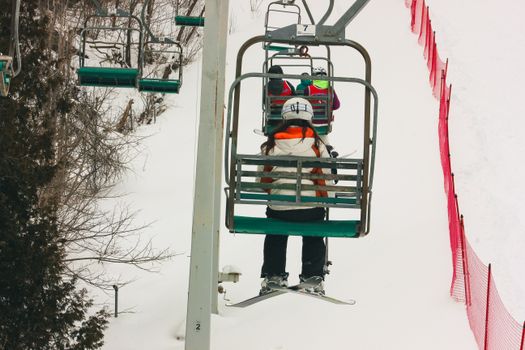
Why it's learnable in a weekend: This is the big one, the quintessential winter sport. While becoming an expert takes years, you can absolutely learn to stop, turn, and navigate beginner (green) slopes safely and confidently in a single weekend with proper instruction. The initial fear quickly gives way to pure exhilaration.
My first time on skis as an adult was terrifying. I remember standing at the top of the bunny hill at Park City, feeling like a baby giraffe on roller skates. But my instructor, a patient young man named Alex, broke it down into simple steps: how to put on skis, how to shuffle, how to snowplow (pizza!), and then, the magic of the first turn. By Saturday afternoon, I was linking snowplow turns, and by Sunday, I was cautiously attempting parallel turns on the gentlest slope. The feeling of gliding down that hill, even slowly, with the wind in my face and the vast mountain scenery around me, was an adrenaline rush I'll never forget. I felt like I'd unlocked a secret world.
Gear You'll Need:
- Skis, boots, poles, helmet: Rentable at any ski resort. Often offered in a package with lift tickets and lessons. Expect $40-$70 per day for rentals. Helmets are usually included or rented separately for a small fee ($10-$15).
- Ski jacket and pants: Waterproof and insulated. Can be rented at some resorts or outdoor shops ($30-$50/day).
- Goggles, warm gloves, warm socks, base layers.
Where to Try It (Examples):
- North America: Park City (UT, USA), Whistler Blackcomb (BC, Canada), Killington (VT, USA) – all have excellent beginner areas and ski schools.
- Europe: Val d'Isère (France), St. Anton (Austria), Zermatt (Switzerland) – many resorts offer dedicated beginner zones.
Estimated Cost (Weekend):
- Beginner package (lessons, rentals, lift ticket for beginner area): $200-$400 for a 2-day package.
- Total: $200-$400+ (excluding travel/accommodation) – this is an investment, but worth every penny for the experience.
Tripsora Tip: ALWAYS take a lesson (or two!). Group lessons are cost-effective and fun. Don't be afraid to fall – it's part of learning. Capture your first "pizza" turns for an epic #BeginnerSkier #SkiLife #MountainVibes post!
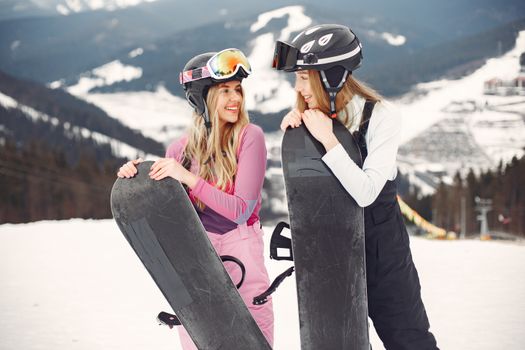
4. Snowboarding (Beginner Slopes): Carving Your First Line
Why it's learnable in a weekend: Snowboarding has a reputation for a steep initial learning curve, but once you get past the first few falls (and trust me, there will be falls!), it clicks. Many find it more intuitive than skiing once they grasp the balance. In a weekend, you can learn to strap in, skate, slide, and even link basic turns on green runs.
My snowboarding journey started with a spectacular series of tumbles. I was at Big White in British Columbia, feeling incredibly uncoordinated. The first hour was spent trying to get comfortable with one foot strapped in, then two. My instructor, a super chill guy named Kai, kept reminding me, "It's all in the hips, man." And he was right. After countless attempts at leaf-sliding, where you essentially slide down sideways, I finally managed to link my first heel-side turn. It was clumsy, I probably looked like a drunken crab, but the feeling of control, of carving through the snow, was an absolute rush. By Sunday, I was confidently making my way down a gentle green, feeling like the coolest person on the mountain (even if I wasn't).
Gear You'll Need:
- Snowboard, boots, bindings, helmet: Rentable at any ski resort. Package deals with lift tickets and lessons are common. Expect $40-$70 per day for rentals. Helmets are essential.
- Snowboard jacket and pants: Waterproof and insulated. Can be rented.
- Goggles, warm gloves (mittens often better for warmth), warm socks, base layers.
- Wrist guards: Highly recommended for beginners to prevent injuries from falls.
Where to Try It (Examples):
- North America: Mammoth Mountain (CA, USA), Lake Louise (AB, Canada), Breckenridge (CO, USA) – all known for excellent terrain parks and beginner areas.
- Europe: Mayrhofen (Austria), Les Deux Alpes (France), Livigno (Italy) – popular snowboard destinations.
Estimated Cost (Weekend):
- Beginner package (lessons, rentals, lift ticket for beginner area): $200-$400 for a 2-day package.
- Total: $200-$400+ (excluding travel/accommodation)
Tripsora Tip: Your butt will get wet (and likely bruised!). Invest in padded shorts or a crash pad if you’re serious. Group lessons are fantastic for learning the basics and meeting fellow beginners. Get a shot of you "sending it" (even if it's just a small bump!) for #SnowboardLife #FirstTurns #ShredTheGnar.
5. Fat Biking: Roll Through the Snow with Power
Why it's learnable in a weekend: Imagine mountain biking, but on snow! Fat biking uses oversized tires with low pressure to float over snow, making trails accessible even in winter. If you can ride a bike, you can fat bike. The learning curve is minimal, focusing more on balance and adapting to the snowy terrain.
My introduction to fat biking was at a winter festival in Michigan. I was skeptical – riding a bike on snow seemed like a recipe for disaster. But the moment I hopped on, I was hooked. The wide tires provided surprising stability, and the feeling of silently gliding through a snow-covered forest, the crunch of snow under the tires, was incredibly unique. We rode groomed trails, then ventured onto some packed singletrack. It felt like exploring a completely different world on two wheels. By the end of the day, I was confidently navigating small bumps and turns, feeling a fantastic full-body workout.
Gear You'll Need:
- Fat bike: Rentable at many outdoor gear shops or ski resorts that offer winter activities. Expect $40-$80 per day.
- Helmet: Often included with rental or bring your own.
- Warm, layered clothing: Similar to cross-country skiing – you'll generate heat. Waterproof outer layers are crucial if snow is soft.
- Waterproof gloves, warm boots, sunglasses.
Where to Try It (Examples):
- North America: Kingdom Trails (VT, USA), Grand Targhee (WY, USA), Duluth (MN, USA) – known for dedicated fat bike trails. Many ski resorts are adding fat biking.
- Europe: Dolomites (Italy), Åre (Sweden), various Nordic regions.
Estimated Cost (Weekend):
- Fat bike rental: $80-$160
- Trail pass (if applicable): $0-$30
- Total: $80-$190 (excluding travel/accommodation)
Tripsora Tip: Check trail conditions before you go; fat bikes perform best on packed snow, not deep powder. It’s an amazing way to cover ground and see winter scenery. A selfie with a snow-dusted bike and a huge grin is a must! #FatBikeAdventures #WinterCycling #ExploreOnTwoWheels
6. Ice Skating: Twirls and Glides in the Great Outdoors (or Indoors!)
Why it's learnable in a weekend: A timeless classic! Most people have tried ice skating at some point, but truly learning to glide, stop, and even attempt a basic turn is absolutely achievable in a weekend. Many cities transform public parks into magical outdoor rinks, offering a quintessential winter experience.
My fondest ice skating memory is from the Rockefeller Center rink in NYC. It’s touristy, sure, but there's an undeniable magic about skating under the city lights with the giant Christmas tree towering above. I started clinging to the barrier, but after a few hours of practice over two days, and watching others, I was confidently pushing off, gliding, and even managing a wobbly turn. It wasn't figure skating, but it was smooth, graceful movement. The feeling of the cold air on my face and the joy of simple, rhythmic movement on the ice was pure bliss. It’s a fantastic activity to do with friends or a romantic partner.
Gear You'll Need:
- Ice skates: Rentable at virtually any rink. Expect $5-$15 per session.
- Warm, comfortable clothing: Layers are good. Avoid anything too bulky that restricts movement.
- Gloves: Essential for warmth and protecting your hands if you fall.
- Thick socks.
Where to Try It (Examples):
- North America: Rockefeller Center (NYC, USA), Nathan Phillips Square (Toronto, Canada), Millennium Park (Chicago, USA).
- Europe: Vienna City Hall Ice Dream (Austria), Somerset House (London, UK), Eiffel Tower Ice Rink (Paris, France - check seasonal availability).
Estimated Cost (Weekend):
- Skate rental: $10-$30
- Rink admission: $20-$50
- Total: $30-$80 (excluding travel/accommodation)
Tripsora Tip: Start by pushing off with one foot and gliding on the other. Keep your knees bent and lean slightly forward. Don't be afraid to fall! A shot of you gracefully (or not-so-gracefully) gliding under twinkling lights is incredibly shareable. #IceSkatingFun #WinterCity #SkateDate
7. Curling: The Roaring Game's Strategic Charm
Why it's learnable in a weekend: Curling is often called "chess on ice," and it's surprisingly addictive. While it looks complex, the basic delivery and sweeping techniques can be picked up quickly. Many curling clubs offer "learn to curl" clinics over a weekend, making it perfectly suited for a fast-track introduction.
I first tried curling at a local club in Minnesota, a state where it's practically a religion. I went in thinking it was just "shuffleboard on ice." Oh, how wrong I was! Our instructor, a cheerful octogenarian named Barb, patiently taught us the slide, the release of the stone, and the frantic art of sweeping. The strategy involved in placing stones, guarding them, and knocking opponents out of the "house" was fascinating. By the end of the two-day clinic, I was making decent deliveries and even managed to call a sweep or two. It's a fantastic social sport, full of camaraderie and surprising athleticism.
Gear You'll Need:
- Curling shoes (with a slider) and broom: Provided by the curling club during lessons.
- Warm, flexible clothing: You'll be lunging and sweeping, so comfort is key.
- Gloves (optional, but good for sweeping).
Where to Try It (Examples):
- North America: Most major cities in Canada and colder US states (e.g., Wisconsin, Minnesota, Michigan) have curling clubs offering "learn to curl" programs.
- Europe: Scotland (the birthplace of curling!), Switzerland, Norway, Sweden.
Estimated Cost (Weekend):
- "Learn to Curl" clinic: $50-$150 for a weekend program.
- Total: $50-$150 (excluding travel/accommodation)
Tripsora Tip: Listen to your instructor, especially about the ice. Communication with your team is key. It's a great group activity! Get a shot of you in full "delivery" pose or sweeping furiously for a unique action shot. #CurlingFun #WinterOlympicsVibes #StrategicSport
Your Weekend Winter Sport Checklist: Gear Up, Get Out!
Ready to embark on your mind-blowing winter weekend? Here are a few essential tips to make your experience smooth and unforgettable:
- Book Ahead: Especially for popular resorts and lessons, winter weekends fill up fast. Book your gear rentals, lessons, and lift tickets (if applicable) well in advance.
- Layer Up: The key to staying warm and comfortable in winter is layering. Start with a moisture-wicking base layer, add an insulating mid-layer (fleece or down), and finish with a waterproof and windproof outer shell.
- Protect Your Extremities: A warm hat, waterproof gloves or mittens, and good wool socks are non-negotiable.
- Stay Hydrated & Fueled: Winter activities burn a lot of calories. Bring water, snacks, and don't skip meals.
- Sun Protection: Even on cloudy days, the sun reflecting off the snow can be intense. Wear sunscreen and sunglasses or goggles.
- Embrace the Beginner Mindset: You're not aiming for Olympic gold, just to have fun and learn something new. Be patient with yourself, laugh off the falls, and enjoy the process.
- Consider a Group Lesson: They're often more affordable than private lessons and a great way to meet people.
- Capture the Moment: Bring your phone or camera (ensure it's protected from the cold!) and snap those incredible views and triumphant moments. Your Instagram feed will thank you!
Your Epic Winter Weekend Awaits!
There you have it – seven incredible winter sports that are not only accessible but also incredibly rewarding to learn in a single weekend. From the serene beauty of snowshoeing to the adrenaline rush of your first downhill turns, winter offers a playground of possibilities.
Don't let another winter pass you by with "someday" dreams. This is your sign to trade the screen for snow, the couch for a mountain, and the hesitation for adventure. Book that lesson, rent that gear, and prepare to be amazed at what you can achieve in just 48 hours.
What are you waiting for? Your mind-blowing winter adventure starts now! Which sport will you conquer first? Share your plans in the comments below, and let's inspire each other to make this winter the most adventurous one yet!
---
More pictures

Tags
Share this guide
We may earn a commission if you click a link and buy a product or service, at no extra cost to you. How affiliate links work.
Been there?