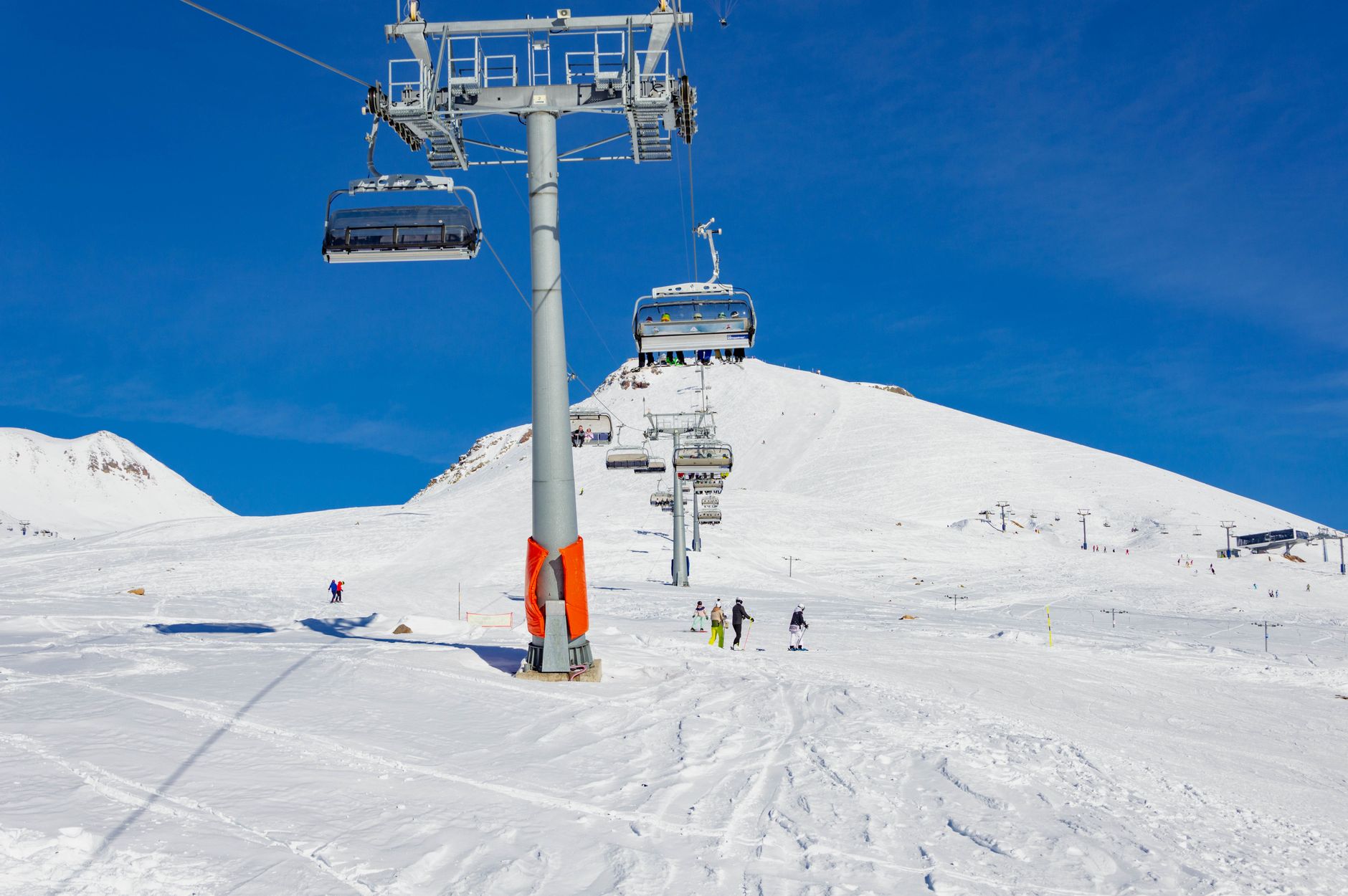
Skiing is not the only way to enjoy snow. Discover beginner-friendly winter sports you can learn in a weekend, plus tips on gear, lessons, safety and choosing where to go.
Winter trips do not have to mean steep slopes, expensive lift passes and a week of lessons. Many snow and ice activities can be learned in a single weekend, and some are gentle enough for children, grandparents and anyone who has never worn a pair of boots with metal on the bottom. If you have been curious about the mountains but nervous about downhill skiing, this guide introduces a range of beginner-friendly options, what to expect from each, and how to plan a weekend of learning.
A quick note on realism: "learn in a weekend" means getting comfortable with the basics and enjoying yourself, not becoming an expert. That is more than enough to have a great time.
Why try something other than downhill skiing
Downhill skiing and snowboarding are wonderful, but they can have a steep learning curve and a high cost for gear, lessons and lift access. Alternatives offer several advantages:
- Lower cost. Many activities need only basic rental equipment.
- Gentler on the body. Beginners often fall less and travel at lower speeds.
- Quieter. You can enjoy forests and frozen lakes away from lift lines.
- Social. Many are group-friendly, so everyone can take part regardless of fitness.
- Accessible locations. Some can be done near towns, not just high resorts.
Snowshoeing: the easiest start
Snowshoeing is essentially walking with wide platforms strapped to your boots so you float on top of snow instead of sinking. If you can walk, you can snowshoe.
What you will learn in a weekend: how to fit the bindings, how to walk with a slightly wider stance, how to climb and descend gently, and how to use poles for balance.
Gear: Warm waterproof boots, snowshoes and poles are usually available to rent. Wear moisture-wicking layers rather than cotton.
Where: Many national and regional parks, nordic centers and ski resorts have marked snowshoe trails. Places such as the Alps, the Rockies, Scandinavia and the Japanese mountains all offer routes for beginners, from short forest loops to longer ridge walks.
Tip: Start on a groomed or well-trodden trail. Fresh powder is lovely but tiring, and visibility and avalanche risks matter in steeper terrain, so stick to marked routes unless you are with a qualified guide.
Cross-country skiing: the endurance classic
Cross-country, or nordic, skiing uses skis with free heels and is done on flat or rolling terrain. It is a superb full-body workout and a genuine pleasure at a relaxed pace.
There are two main styles:
- Classic. You glide forward in parallel tracks. It feels like walking on skis and is the easiest to learn.
- Skate. A faster, more athletic style similar to ice skating. It takes longer to master.
What you will learn in a weekend: how to balance on narrow skis, the kick-and-glide rhythm, how to slow down and stop, and how to climb small hills with a herringbone step.
Why a lesson helps: Technique matters more than strength, and a good instructor can save you hours of frustration. Look for a beginner's group lesson at a nordic center.
Where: Scandinavia, Finland, the Alps, Canada, the northern United States and parts of Central Europe have extensive trail networks, many open to day-pass visitors. Trail passes are often needed, so check local rules.
Ice skating: easier than you think
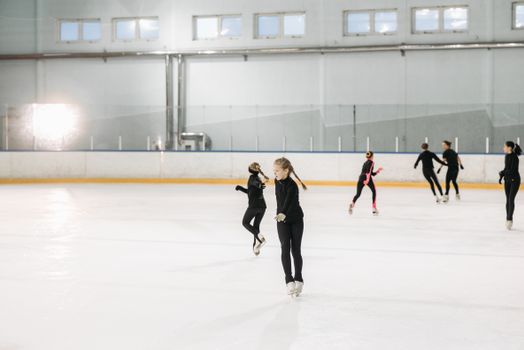
Ice skating is available in cities and mountain towns alike, and it is a great way to build balance that carries over to other sports.
What you will learn: standing, marching in place, gliding, turning and stopping with a gentle snowplow style stop. Many beginners are gliding confidently within a couple of sessions.
Tips:
- Rent skates that fit snugly, because loose boots make balance harder.
- Wear gloves, since falls are part of learning.
- Hold the barrier at first, then let go gradually.
- Consider a helmet, especially for children.
Where: Outdoor rinks in city squares, frozen natural lakes in some regions, and indoor arenas. Only skate on natural ice if local authorities have declared it safe, as ice thickness can be unpredictable.
Curling: tactical and surprisingly social
Curling has an undeserved reputation as odd, but it is welcoming and easy to try. Teams slide heavy stones across ice toward a target while teammates sweep to influence their path.
What you will learn in a weekend: the delivery slide, the basic scoring rules, sweeping technique and the etiquette that makes the sport so friendly.
Why it works for beginners: You do not need speed or athleticism, and you wear special grippers on your shoes so you do not slip. Many clubs run "learn to curl" sessions open to visitors.
Where: Clubs in Canada, Scotland, Scandinavia, Switzerland and the northern United States regularly offer introductory sessions. Book ahead, as spaces are limited.
Sledding, tubing and tobogganing
Sometimes the best winter activity is also the simplest. Sledding and tubing require almost no instruction and are perfect for families.
- Tubing parks often have lifts or conveyor belts back to the top and groomed lanes, which makes them safer than random slopes.
- Traditional toboggan runs, such as those in parts of Switzerland and Austria, can be long and scenic, with lifts or hiking back up.
- Informal sledding on gentle local hills can be fun, but check for obstacles and road crossings first.
Safety: Wear a helmet where recommended, avoid slopes that end in roads, trees or water, and follow the rules of the park or run.
Fat biking and winter cycling
Fat bikes have oversized tires that grip packed snow, and they open up groomed trails to riders. Rental shops in many mountain regions offer them, along with brief orientation sessions.
What you will learn: how to manage low tire pressure, how to shift your weight on snow and how to brake gently.
Best for: active travelers who already cycle and want a new season-friendly experience.
Ice fishing and winter walks on frozen lakes
In regions such as Scandinavia and North America, ice fishing is a cultural pastime. Guided outings usually provide the equipment, safety briefing and a heated shelter. Never go onto ice unsupervised if you are not certain of its safety.
Many frozen lakes also host marked walking and skating routes. Follow local advice, and heed warnings.
Dog sledding and horse-drawn sleigh rides
These are less about learning a skill and more about experiencing the landscape, though dog sledding often involves a short lesson in standing on the runners, braking and caring for the animals.
If you are interested, look for operators with clear animal welfare standards, good reviews, and transparent practices. Ask how the dogs are treated, how often they run and how they are housed. A responsible operator will welcome questions.
Kicksledding and other Nordic curiosities
In parts of Scandinavia, kicksleds (spark) are chairs on runners that you push along icy paths. They are intuitive, fun and great for those who struggle with skis. Similar low-skill options pop up regionally, so ask at local tourist offices what is on offer.
Choosing the right activity for you
Use these questions to narrow things down:
- How is your balance? If you are unsure, start with snowshoeing, tubing or curling.
- Do you want exercise or relaxation? Cross-country skiing and fat biking are workouts, while sleigh rides and ice fishing are gentler.
- Are you traveling with children? Tubing, skating and short snowshoe loops are friendly.
- What is your budget? Snowshoeing and skating tend to be cheaper than guided experiences, but prices vary, so check locally.
- How cold can you tolerate? Plan layers and breaks.
A sample beginner weekend
Here is one way to shape a weekend, assuming a mountain town with a nordic center:
Saturday morning: A beginner's cross-country ski lesson, followed by a gentle loop. Keep it to two or three hours so your legs stay fresh.
Saturday afternoon: A hot lunch and a rest, followed by a short snowshoe walk to a viewpoint at sunset.
Sunday morning: A "learn to curl" or ice skating session, depending on availability.
Sunday afternoon: Tubing or a sleigh ride, then warm drinks before heading home.
This mix gives you variety, teaches you different movements and keeps the pace relaxed.
What to wear and bring
Cold is manageable when you dress correctly.
- Base layer: Moisture-wicking synthetic or merino wool, not cotton.
- Mid layer: Fleece or light insulation.
- Outer layer: Waterproof, windproof jacket and trousers.
- Hands and head: Insulated gloves, a hat and a neck gaiter.
- Socks: Warm wool or synthetic, with a spare pair.
- Eye protection: Sunglasses or goggles, since snow glare is strong.
- Sun protection: Sunscreen and lip balm, even on cloudy days.
- Extras: A small backpack with water, snacks and a thermos.
Most gear can be rented locally, which is a good way to try before buying.
Safety and etiquette
- Check weather and trail conditions before heading out.
- Stay on marked routes, particularly where avalanche risk exists.
- Tell someone your plans and carry a charged phone.
- Take lessons from qualified instructors.
- Respect other users, such as leaving classic ski tracks clear for skiers.
- Stay hydrated, as cold air can mask thirst.
- Know your limits and rest when tired.
If you have a medical condition, ask a doctor before starting strenuous activity. This article offers general information only.
Frequently asked questions
Do I need to be fit?
Basic fitness helps, but many activities are gentle. Snowshoeing and skating can be done at a relaxed pace, and you can choose shorter sessions.
When is the best time to go?
Snow reliability varies by region and year. Mid-winter usually has the most dependable conditions, but check local snow reports and forecasts before booking.
Can children join?
Yes, many activities are family friendly. Check minimum age and size requirements with operators.
Is lesson booking necessary?
For cross-country skiing and curling, a lesson helps a lot. For snowshoeing, tubing and skating, you can often just rent and go.
Summary
You do not need to conquer a black run to enjoy winter. Snowshoeing, cross-country skiing, skating, curling, tubing and other activities can all be learned in a weekend and give you a different, quieter way to enjoy the mountains. Dress warmly, take a lesson where it helps, respect safety rules and be open to trying more than one thing. You may find a new favorite sport, and you will almost certainly come home with a great story.
More pictures

Tags
Share this guide
We may earn a commission if you click a link and buy a product or service, at no extra cost to you. How affiliate links work.
Been there?