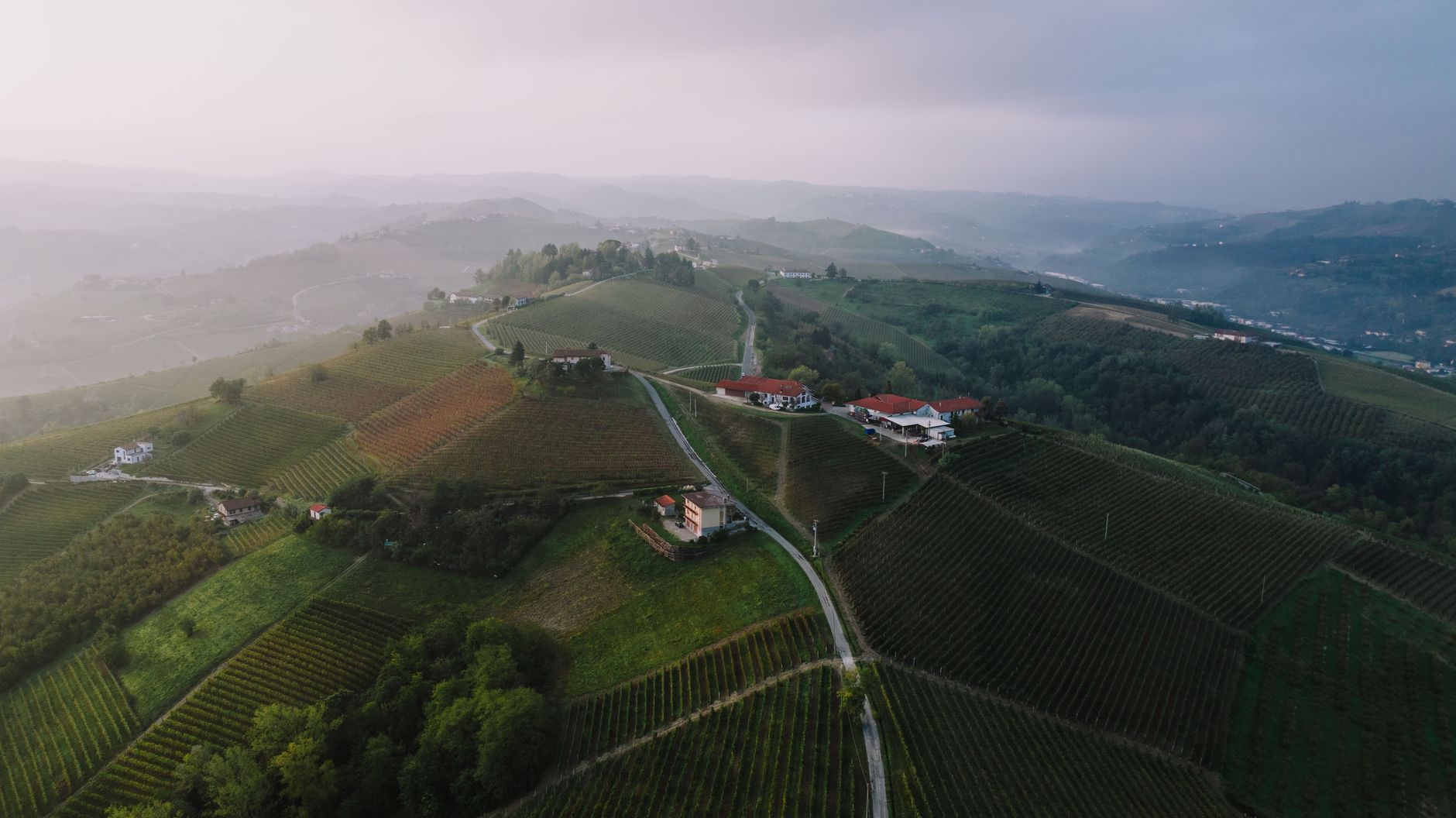
Forget Tuscany and Napa! Your favorite travel advisors are spilling the *real* secrets on wine regions bursting with flavor, fewer crowds, and unforgettable experiences. Get ready to sip your way through the world's best-kept wine secrets! ---
The Uncorked Frontier: Where Travel Advisors Whisper Secrets of Underrated Wine
I stepped off the train in a small, sun-drenched village, the air thick with the intoxicating perfume of sun-baked earth and something subtly sweet – wild thyme, perhaps, mingling with the distant, almost imperceptible scent of fermenting grapes. Cobblestone streets, worn smooth by centuries of footsteps, wound their way between honey-colored stone buildings. A gentle murmur of conversation, punctuated by the clinking of glasses from a tiny trattoria, drifted on the breeze. This wasn't the boisterous energy of a world-famous wine festival; this was something far more intimate, far more genuine. This was Valle de Guadalupe, Mexico, a region I’d only heard about in hushed tones from a few discerning travel advisors, and it was already stealing my heart.
For too long, the wine world has been dominated by a select few titans. We flock to Bordeaux, dream of Napa, and discuss Chianti Classico with reverence. But what if I told you there are entire continents of incredible wine, brimming with innovation, heritage, and unparalleled character, that most travelers overlook? These are the places your most trusted travel advisors are buzzing about, the destinations they recommend when you ask for something different, something authentic. They’re not just about the wine; they’re about the story, the people, and the soul of a place that’s still discovering its own voice.
1. Valle de Guadalupe, Mexico: Baja's Bold New Frontier
H2: The Napa of Mexico? More Like Baja’s Beautifully Unscripted Soul.
My first taste of Valle de Guadalupe was a revelation. Forget the dusty, sun-baked stereotypes you might associate with Mexican wine. This coastal desert region, a mere two-hour drive from San Diego, is a vibrant hub of cutting-edge viticulture and culinary artistry. The landscape itself is a spectacle: rugged hills dotted with dusty olive groves, vineyards clinging to arid slopes, and sleek, modern wineries juxtaposed against traditional adobe structures. The air is dry, the sun intense, and the potential for world-class wine is palpable.
H3: The Grape Expectations: What to Sip
Valle de Guadalupe is a playground for winemakers, experimenting with both Old World varietals and emerging grapes. You’ll find robust Tempranillo, elegant Grenache, and surprisingly complex Nebbiolo. But it’s the Zinfandel that truly shines here, often producing wines with a delightful balance of fruit, spice, and a characteristic Baja salinity. Don't miss the local specialties like Cinsault and Pelicano.
Pro-Tip: Many wineries are open for tasting from 10 AM to 5 PM. Arrive early, especially on weekends, to snag a prime spot and enjoy a more relaxed experience. Some of the most sought-after wineries, like El Cielo and L.A. Cetto, can get busy.
Insider Lingo: "The terroir here is so unique," my guide, a passionate local winemaker, explained. "The diurnal temperature shifts are dramatic, and the mineral-rich soil gives our wines a depth you won't find anywhere else."
Quick Facts: Valle de Guadalupe
- Estimated Cost ($$): $100 - $250 per day (including tastings, meals, and modest accommodation).
- Best Time to Visit: Spring (March-May) for pleasant weather and blooming landscapes, or Fall (September-November) for harvest celebrations and cooler temperatures.
- How to Get There: Fly into Tijuana International Airport (TIJ) and rent a car or arrange a private transfer. It’s a scenic drive south along the coast.
---
2. The Douro Valley, Portugal: Beyond Port’s Sweet Embrace
H2: Where Rivers Carve Legends and Grapes Tell Ancient Tales.
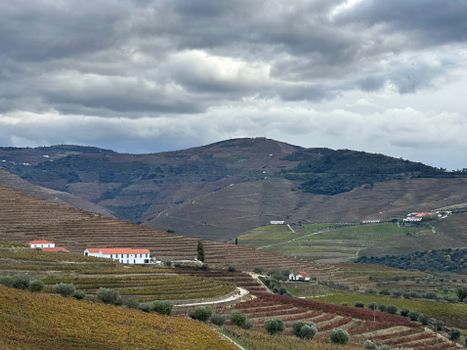
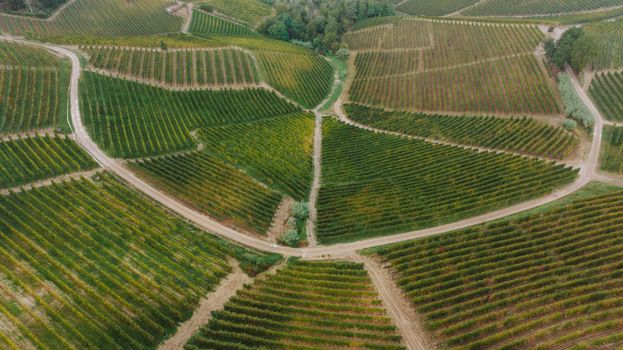
When most people think of the Douro, they picture ruby-red port wine being poured into crystal glasses. And while the fortified wines are indeed magnificent, the Douro Valley is so much more. This UNESCO World Heritage site is one of the oldest demarcated wine regions in the world, a breathtaking landscape of steep, terraced vineyards that plunge dramatically towards the Douro River. The sheer human effort involved in creating these vineyards over centuries is awe-inspiring.
H3: The Unveiling: Dry Reds and Crisp Whites
The Douro’s dry red wines, often made from the same grapes as port (Touriga Nacional, Touriga Franca, Tinta Roriz), are gaining international acclaim. They are powerful, aromatic, and complex, with dark fruit notes, floral undertones, and a distinct minerality. The region also produces surprisingly crisp and refreshing white wines, often from indigenous grapes like Rabigato and Viosinho, perfect for pairing with the local seafood.
Pro-Tip: Many of the historic quintas (wine estates) offer tours and tastings. Book in advance, especially for the more renowned ones like Quinta do Crasto or Niepoort. Consider a river cruise for a unique perspective of the terraced vineyards.
Insider Lingo: "The schist soil here is key," a Quinta owner told me, gesturing to the rocky ground. "It retains heat during the day and releases it at night, giving the grapes that perfect slow ripening."
The Budget/Logistics: Douro Valley
- Estimated Cost ($$$): $150 - $300 per day (higher if including luxury river cruises or high-end accommodations).
- Best Time to Visit: Spring (April-June) for wildflowers and mild weather, or Fall (September-October) for harvest activities and stunning autumn colors.
- How to Get There: Fly into Porto (OPO). You can take a scenic train ride along the Douro River to towns like Peso da Régua or Pinhão, or rent a car for more flexibility.
---
3. Etna, Sicily, Italy: Volcanic Power and Ancient Roots
H2: Sicily's Fiery Heartbeat: Wine Born from Fire and Earth.
Mount Etna, Europe’s most active volcano, isn't just a geological marvel; it's the lifeblood of one of Italy’s most exciting and unique wine regions. The volcanic soils, rich in minerals and ash, impart an extraordinary character to the grapes, creating wines unlike any other. The landscape is dramatic, with vineyards clinging to slopes that range from lush and green to stark and lunar. The air carries the scent of sulfur, wildflowers, and the distant sea.
H3: The Etna Elixir: Nerello Mascalese and Carricante
The undisputed star of Etna’s red wines is Nerello Mascalese, often compared to Burgundy’s Pinot Noir or Bordeaux’s Nebbiolo. These wines are elegant, complex, and age-worthy, with notes of cherry, raspberry, licorice, and a distinctive smoky, mineral edge. For whites, Carricante reigns supreme, producing crisp, high-acid wines with citrus, apple, and a fascinating saline minerality.
Pro-Tip: Visit wineries in the morning when the air is cooler. Many offer tours that include exploring the volcanic soil and learning about the unique viticultural practices. Tenuta delle Terre Nere and Passopisciaro are highly recommended.
Insider Lingo: "The altitude here is crucial," explained a winemaker at a high-elevation vineyard. "It gives us cool nights, even in summer, which is essential for preserving acidity and developing complex aromas."
Quick Facts: Etna, Sicily
- Estimated Cost ($$): $120 - $250 per day.
- Best Time to Visit: Spring (April-June) for pleasant temperatures and blooming flora, or Fall (September-October) for harvest and vibrant foliage.
- How to Get There: Fly into Catania Fontanarossa Airport (CTA). Rent a car for easy access to the wineries scattered around the volcano's slopes.
---
4. The Finger Lakes, New York, USA: Cool Climate Charms
H2: Beyond the Big Apple: Crisp Wines from a Glacial Wonderland.
When you think of American wine, New York might not be the first place that springs to mind. But the Finger Lakes region, a stunning glacial landscape of eleven long, narrow lakes, is a powerhouse of cool-climate viticulture. The lakes themselves act as natural moderating forces, creating a microclimate that’s perfect for producing crisp, aromatic wines. The air here is clean, carrying the scent of pine, fresh water, and the subtle perfume of blooming vines.
H3: The Cool-Climate Champions: Riesling and Beyond
The Finger Lakes are most famous for their Riesling, which consistently ranks among the best in the world. From bone-dry to lusciously sweet, these Rieslings showcase vibrant acidity, notes of green apple, citrus, and often a distinct minerality. But don't overlook the region's excellent Gewürztraminer, Pinot Noir, and Cabernet Franc, all of which thrive in this cool climate.
Pro-Tip: Consider visiting during the Finger Lakes Wine Festival (typically held in July) for a grand tasting experience, or opt for a quieter visit in late spring or early autumn. Many wineries offer boat tours or have stunning lake views from their tasting rooms. Dr. Konstantin Frank Winery and Hermann J. Wiemer Vineyard are must-visits.
Insider Lingo: "The glacial till soil provides excellent drainage," a vintner explained, pointing to the rocky earth. "It forces the vines to work a little harder, resulting in more concentrated flavors."
The Budget/Logistics: Finger Lakes
- Estimated Cost ($$): $100 - $200 per day.
- Best Time to Visit: Late Spring (May-June) for blooming landscapes and fewer crowds, or early Autumn (September-October) for harvest and stunning fall colors.
- How to Get There: Fly into Syracuse Hancock International Airport (SYR) or Rochester International Airport (ROC). Renting a car is essential for exploring the various lake regions.
---
5. The Limarí Valley, Chile: A Desert Oasis for Chardonnay and Pinot Noir
H2: Chile's Northern Star: Where Sun-Kissed Grapes Meet Coastal Breezes.
Imagine a wine region blooming in the arid desert, just a few hours north of Santiago. That's the magic of the Limarí Valley. This unlikely paradise, historically known for its fruit orchards and marble quarries, has emerged as one of Chile’s most exciting cool-climate wine regions. The constant coastal influence from the Pacific Ocean, combined with the intense sunshine and unique mineral-rich soils, creates an exceptional environment for specific grape varietals.
H3: The Desert Bloom: Cool-Climate Stars
Limarí is carving out a reputation for producing world-class Chardonnay with vibrant acidity, minerality, and notes of citrus and tropical fruit. It's also proving to be a fantastic home for Pinot Noir, offering delicate red fruit flavors and earthy undertones. The region’s commitment to sustainable viticulture and innovative winemaking is truly impressive.
Pro-Tip: Visit during the harvest season (February-April) to experience the buzz of the vineyards. Many wineries, like Concha y Toro's Limarí Valley winery and Tabalí, offer insightful tours and tastings that highlight the unique terroir.
Insider Lingo: "The calcareous soil here is a game-changer for our Chardonnay," a winemaker enthused. "It contributes to the wine's structure and that distinctive saline finish."
Quick Facts: Limarí Valley, Chile
- Estimated Cost ($$): $100 - $200 per day.
- Best Time to Visit: Harvest season (February-April) for vibrant vineyard activity, or Spring (September-November) for pleasant temperatures and blooming landscapes.
- How to Get There: Fly into Santiago International Airport (SCL). Rent a car and drive north (approximately 4-5 hours) or take a bus to Ovalle, the main town in the region.
---
The Travel Advisor's Secret Weapon: Why These Regions Matter
These aren't just places to drink wine; they are destinations that offer a deeper connection to the land, the culture, and the craft of winemaking. Travel advisors recommend these regions for several key reasons:
- Authenticity: You'll often find yourself interacting directly with winemakers and vineyard owners, hearing their stories firsthand.
- Fewer Crowds: Escape the tourist hordes and experience a more intimate and relaxed atmosphere.
- Exceptional Value: Often, you'll find incredible quality at a more accessible price point than in mainstream regions.
- Discovery: Be among the first to explore these emerging wine destinations and impress your friends with your insider knowledge.
- Unique Experiences: From volcanic vineyards to desert oases, these regions offer landscapes and stories that are truly unforgettable.
So, the next time you're dreaming of a wine getaway, look beyond the usual suspects. Ask your travel advisor about these hidden gems. You might just discover your new favorite wine region, one that offers not just exquisite wines, but a travel experience that resonates long after the last sip.
---
More pictures

Tags
Share this guide
We may earn a commission if you click a link and buy a product or service, at no extra cost to you. How affiliate links work.
Been there?