Skip the overpriced crowds of Bordeaux and Napa this season. From the neon-pink natural wines of the Czech Republic to high-altitude Alpine whites in Italy, these five overlooked wine regions are quietly trending for spring. Here is your definitive, boots-on-the-ground guide to tasting the future of wine before the rest of the world catches on.
CONTENT:
I stepped off the regional passenger train in Mikulov, and the air immediately tasted different. It wasn’t the sterile, manicured breeze of Napa or the heavy, aristocratic humidity of Bordeaux. It smelled of wet limestone, crushed dandelion greens, and the sharp, yeasty funk of wild-fermenting pet-nats wafting from nearby cellar vents. The spring wind blowing off the Pálava hills carried the scent of wild chamomile and damp earth.
I wasn’t in France or Italy. I was in southern Moravia, a stone's throw from the Austrian border, standing in a wine region that is quietly staging a revolution.
As a travel journalist, I spend my life looking for the cracks in the tourism facade—the places where authenticity hasn't yet been packaged, priced, and sold back to us. Right now, a handful of global wine regions are experiencing a quiet renaissance. Driven by young, low-intervention winemakers, ancient indigenous grapes, and incredibly affordable land, these destinations are trending among industry insiders but remain blissfully empty of mainstream tour buses.
If you are planning a getaway this spring, skip the predictable routes. Grab a glass, pack your bags, and head to these five wine regions no one is talking about yet—but absolutely should be.
---
1. Moravia, Czech Republic: The Avant-Garde Natural Wine Frontier
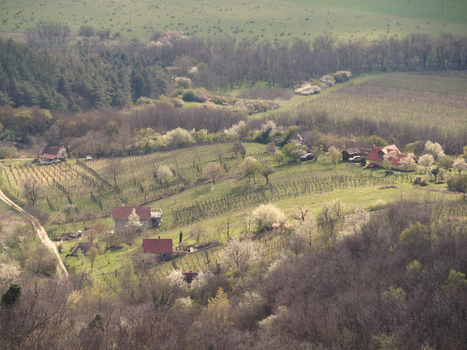
For decades, the Czech Republic was synonymous with cheap Pilsner. But in the country’s sun-drenched southern corner, a collective of young, punk-rock winemakers is turning the natural wine world on its head. Moravia is a playground of clay, loess, and limestone soils, producing high-acid, wildly aromatic white wines and cloudy, energetic pet-nats.
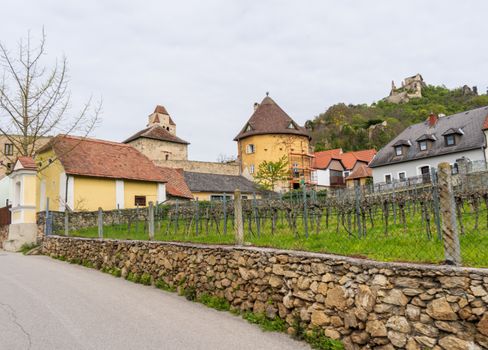
The epicenter of this movement is the town of Mikulov, characterized by its imposing hilltop castle and winding cobblestone streets. But the real magic lies in the surrounding villages like Velké Bílovice and Petrov, where ancient cellar lanes are dug directly into the hillsides.
``` ┌────────────────────────────────────────────────────────┐ │ THE MORAVIAN PROFILE │ ├───────────────────────────┬────────────────────────────┤ │ Key Grape Varieties │ Veltlínské Zelené, Pálava │ ├───────────────────────────┼────────────────────────────┤ │ Soil Type │ Loess, Clay, Limestone │ ├───────────────────────────┼────────────────────────────┤ │ Vibe │ Bohemian, Punk, Low-Fi │ └───────────────────────────┴────────────────────────────┘ ```
The Grape to Know: Pálava
An indigenous Czech cross between Gewürztraminer and Müller-Thurgau, Pálava is a revelation. It hits you first with intense aromas of white rose petals, lychee, and orange peel, but surprises the palate with dry, mineral-driven acidity instead of cloying sweetness.
The Experience: The Whitewashed Cellars of Petrov
Skip the commercial tasting rooms. Head to Petrov-Plže, a preserved complex of 80 wine cellars dating back to the 15th century. These structures look like real-life hobbit homes, painted stark white with brilliant cornflower-blue stripes around the bases to ward off evil spirits (and insects).
More pictures
Tags
Share this guide
We may earn a commission if you click a link and buy a product or service, at no extra cost to you. How affiliate links work.
Been there?