Forget Napa and Bordeaux. I've sniffed out the globe's most exciting *new* wine regions, backed by data, that are about to blow up. Think ancient grapes, mind-blowing scenery, and prices that won't make your wallet weep. Ready for your next *real* adventure? ---
The Uncorked Frontier: My Accidental Discovery of a Wine World Reimagined
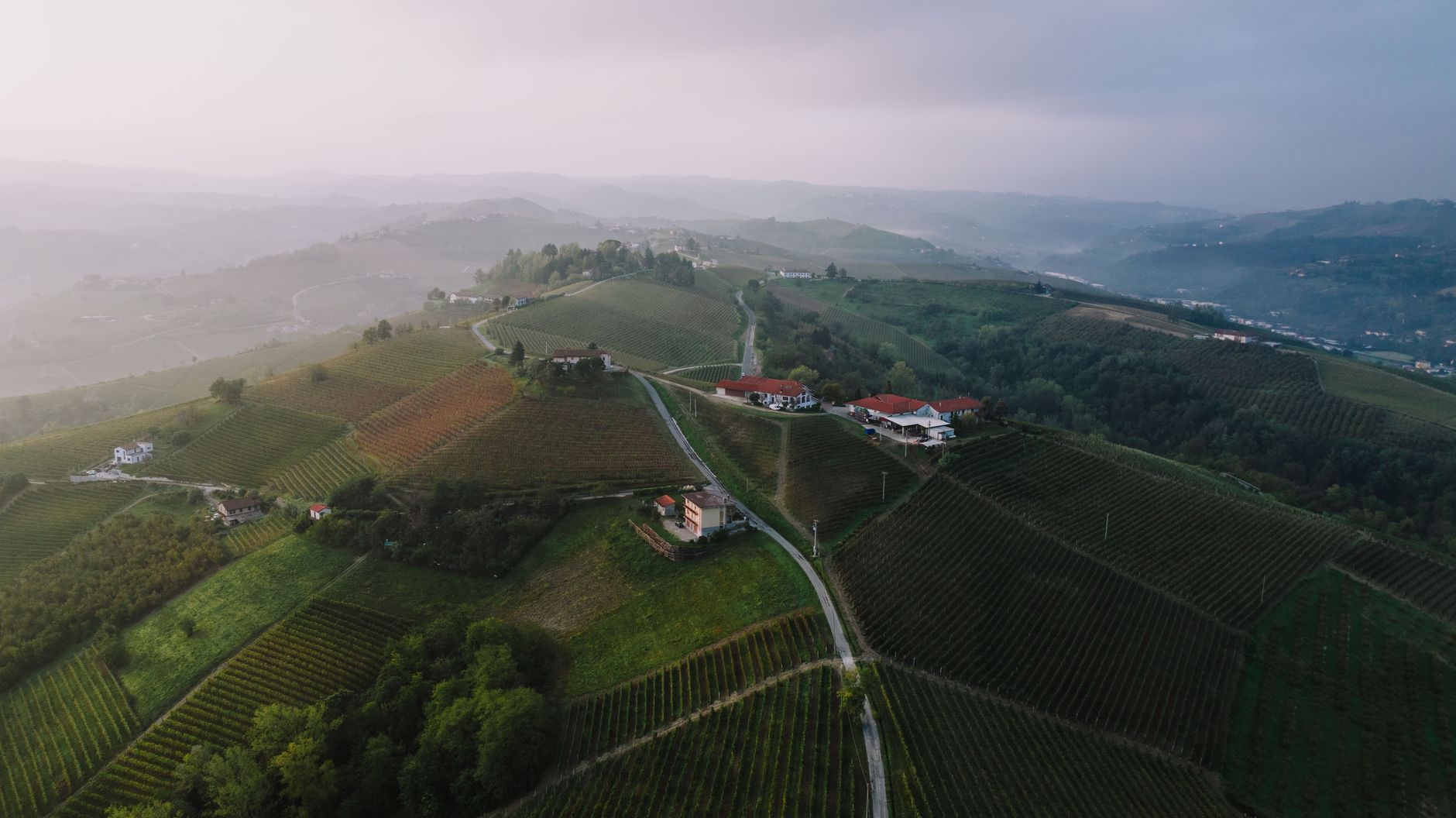
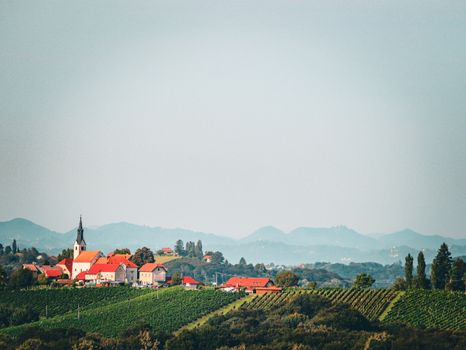
I stepped off the train in a small Slovenian town, the air thick with the scent of damp earth and something vaguely floral, a whisper carried on a breeze that promised more than just a change of scenery. It was late afternoon, and the golden light, the kind that makes even peeling paint look like art, slanted across rows of vines that stretched towards rolling hills. This wasn't the manicured perfection of Tuscany or the grand estates of Bordeaux. This was raw, untamed, and utterly captivating. I’d come chasing a rumour, a whisper in the data that pointed towards a burgeoning wine scene far from the well-trodden paths. And oh, did it deliver.
For too long, wine lovers have been lulled into a comfortable, albeit predictable, routine. We flock to the same hallowed grounds, sip the same celebrated varietals, and pay premium prices for the privilege. But the world of wine is a living, breathing organism, constantly evolving, innovating, and surprising us. Thanks to recent data analysis from global viticulture trends and burgeoning tourist interest, Tripsora has identified a seismic shift: the rise of the undiscovered wine regions. These are the places where tradition meets innovation, where ancient grapes are being revived, and where the future of wine is being poured, one glass at a time, without the fanfare.
1. Slovenia: The Green Heartbeat of European Wine
When I tell people I’m talking about Slovenian wine, I often get a blank stare. And that, my friends, is precisely the point. Nestled between Italy, Austria, Hungary, and Croatia, Slovenia boasts a wine heritage that predates Roman times. Yet, it remains largely a secret, a verdant paradise where over 50,000 registered vineyards are nurtured by passionate winemakers.
Why it's exploding (quietly): Recent data shows a significant uptick in interest from sommeliers and adventurous travelers seeking unique, terroir-driven wines. Slovenia’s diverse microclimates – from the continental influence of the east to the Mediterranean breezes of the west – allow for an incredible range of varietals, many of which are indigenous and rarely found elsewhere. Think Rebula, a crisp, aromatic white that sings of apricots and almonds, or Teran, a robust, iron-rich red that’s a revelation with local cured meats.
Insider's Insight: The Goriška Brda region is the undisputed star. Its rolling hills, reminiscent of Tuscany but with a wilder edge, are dotted with charming villages and family-run wineries. The architecture here is a beautiful blend of Venetian influences and local stone, giving it a timeless feel.
Pro-Tip: Many of the best wineries are small, family-run operations. Don't be afraid to book tastings directly. Often, the winemaker themselves will guide you, sharing stories that are as rich as their wines. Look for Vinarija signs – these are your direct ticket to authentic experiences.
Quick Facts: Goriška Brda, Slovenia
| Category | Details | | :-------------- | :--------------------------------------------------------- | | Estimated Cost | $-$$ (Wineries are affordable, accommodation varies) | | Best Time to Visit | Late Spring (May-June) for blooming vineyards and mild weather; Early Autumn (Sept-Oct) for harvest festivities and stunning fall colors. | | How to Get There | Fly into Ljubljana (LJU) or Trieste (TRS, Italy). Rent a car for ultimate freedom; the drive through the Julian Alps is breathtaking. |
---
2. Georgia: Cradle of Wine, Where Ancient Traditions Reign Supreme
If you want to talk about the true origins of wine, you have to talk about Georgia. This ancient nation, nestled in the Caucasus Mountains, is where archaeologists have found evidence of winemaking dating back 8,000 years. Yes, eight thousand. They still ferment wine in qvevri – large clay amphorae buried underground. It's not just a method; it's a UNESCO-recognized Intangible Cultural Heritage.
Why it's exploding (with gravitas): Global wine enthusiasts are finally catching on to the profound history and unique character of Georgian wines. The data shows a surge in interest in orange wines (made with white grapes and skin contact, resulting in a deep amber hue), a category where Georgia is a world leader. The Saperavi grape, a deeply colored, intensely flavored red, is gaining international acclaim for its complexity and aging potential.
Insider's Insight: The Kakheti region is the heartland of Georgian winemaking. Picture rolling vineyards stretching towards snow-capped mountains, with ancient monasteries perched on hillsides. The villages feel untouched by time, and the hospitality is legendary. The aroma of woodsmoke and roasting lamb is ever-present.
Pro-Tip: Seek out wineries practicing traditional qvevri winemaking. The taste is distinct – earthy, complex, and utterly unique. Don't miss trying amber wines made from grapes like Rkatsiteli and Mtsvane. They are a revelation. Look for family-run cellars in villages like Sighnaghi or Telavi.
Quick Facts: Kakheti, Georgia
| Category | Details | | :-------------- | :--------------------------------------------------------- | | Estimated Cost | $ (Incredibly affordable for wine and food) | | Best Time to Visit | Late September to Early October for the Rtveli (grape harvest festival) – an unforgettable cultural immersion. Spring (May-June) offers pleasant weather and blooming landscapes. | | How to Get There | Fly into Tbilisi (TBS). Hire a driver or rent a car for exploring Kakheti. The journey from Tbilisi is scenic. |
---
3. Uruguay: The South American Surprise with a Maritime Soul
When most people think of South American wine, Argentina and Chile immediately come to mind. But Uruguay, a small nation sandwiched between its larger neighbors, is quietly producing some of the most exciting wines on the continent, especially its signature Tannat.
Why it's exploding (with a maritime breeze): Uruguay's coastal climate, influenced by the Atlantic Ocean and the Rio de la Plata, creates a unique environment for grape growing. Tannat, a grape traditionally associated with the Madiran region of France, has found its perfect home here. It produces deeply colored, robust wines with high tannin levels, but also a surprising freshness due to the cool maritime influence. Recent data highlights Uruguay's growing reputation for sustainable viticulture and its commitment to organic and biodynamic practices.
Insider's Insight: The Canelones region, just outside the capital Montevideo, is where most of the country's vineyards are located. The landscape is gentler, with rolling hills and a distinct coastal feel. The architecture often features whitewashed walls and terracotta roofs, reflecting the Mediterranean influences of early settlers. The air smells of sea salt and blooming jasmine.
Pro-Tip: Don't just try Tannat. Explore Uruguay's excellent Albariño, a crisp white wine that’s perfect for the warm climate, and the emerging Marselan, a hybrid grape showing great promise. Many wineries offer tours and tastings with stunning views of the vineyards.
Quick Facts: Canelones, Uruguay
| Category | Details | | :-------------- | :--------------------------------------------------------- | | Estimated Cost | $$-$$$ (Moderately priced, with some high-end options) | | Best Time to Visit | February to April for harvest season and warm, pleasant weather. November to January for blooming vines and vibrant landscapes. | | How to Get There | Fly into Montevideo (MVD). Canelones is easily accessible by car or taxi from the city. Many wineries are located within a short drive. |
---
4. North Macedonia: The Balkan Gem Unearthing Ancient Varietals
Tucked away in the heart of the Balkans, North Macedonia is a land steeped in history and blessed with a sun-drenched climate perfect for viticulture. While it’s been producing wine for millennia, it’s only recently that its potential has begun to be recognized on the international stage.
Why it's exploding (with ancient roots): The data points to a growing interest in indigenous grape varietals and value-for-money wine regions. North Macedonia boasts unique grapes like Vranec, a powerful, dark-fruited red that’s often compared to Zinfandel, and Smederevka, a refreshing, slightly tart white. The country’s focus on reviving ancient winemaking traditions, combined with modern techniques, is creating wines with a distinct sense of place.
Insider's Insight: The Tikveš Valley is the undisputed heart of North Macedonian wine. It's a vast, fertile plain surrounded by mountains, with vineyards stretching as far as the eye can see. The landscape is dotted with ancient ruins and picturesque villages. The air carries the scent of wild herbs and sun-baked earth.
Pro-Tip: Look for wineries that are experimenting with both indigenous and international varietals. Many offer tastings with local delicacies like ajvar (a roasted red pepper spread) and pastrmajlija (a bread-based dish). The Mavrovo National Park nearby offers stunning natural beauty to complement your wine journey.
Quick Facts: Tikveš Valley, North Macedonia
| Category | Details | | :-------------- | :--------------------------------------------------------- | | Estimated Cost | $ (Extremely affordable for high-quality wine and food) | | Best Time to Visit | September to October for harvest and beautiful autumn colors. May to June for pleasant temperatures and blooming vineyards. | | How to Get There | Fly into Skopje (SKP). Rent a car or hire a driver for exploring the Tikveš Valley. It's about a 1.5-hour drive from the capital. |
---
5. Tasmania, Australia: The Cool-Climate Challenger with a Sparkling Future
When most people think of Australian wine, they picture the sun-baked Shiraz of the Barossa Valley. But venture south, to the island state of Tasmania, and you’ll find a very different, and increasingly exciting, wine scene.
Why it's exploding (with cool-climate finesse): Tasmania’s cool, maritime climate is proving to be a revelation for Chardonnay and Pinot Noir, rivaling the best from Burgundy. Recent data shows a significant increase in demand for Australian cool-climate wines, and Tasmania is leading the charge. The island is also rapidly gaining a reputation for its exceptional sparkling wines, made using the traditional method.
Insider's Insight: The Derwent Valley and Huon Valley regions are the main wine-producing areas. The landscape is breathtakingly beautiful, with rolling green hills, rugged coastlines, and a sense of pristine wilderness. The architecture is often a charming mix of colonial-era farmhouses and modern, minimalist wineries designed to blend into the landscape. The air is crisp and clean, carrying the scent of eucalyptus and sea spray.
Pro-Tip: Focus on wineries that specialize in Chardonnay and Pinot Noir. Don't miss the opportunity to taste their sparkling wines – they are world-class. Many wineries offer stunning cellar door experiences with incredible views. Consider a scenic drive along the Tasman Peninsula to combine wine with dramatic natural landscapes.
Quick Facts: Tasmania, Australia
| Category | Details | | :-------------- | :--------------------------------------------------------- | | Estimated Cost | $$$-$$$$ (Higher end, reflecting quality and remote location) | | Best Time to Visit | February to April for harvest and pleasant autumn weather. December to January for peak summer, though can be cooler than mainland Australia. | | How to Get There | Fly into Hobart (HBA) or Launceston (LST). Rent a car – it’s the best way to explore the island’s wine regions and stunning scenery. |
---
The Future is Uncorked: Embrace the New Frontier
These regions are more than just places to drink wine; they are invitations to experience a different pace of life, to connect with passionate people, and to taste history and innovation in every glass. The data is clear: the wine world is expanding, and these hidden gems are poised to become the next big thing.
So, next time you’re planning a wine getaway, dare to venture off the beaten path. You might just discover your new favorite wine – and your new favorite corner of the world. The adventure awaits, and the glasses are ready to be filled.
---
More pictures

Tags
Share this guide
We may earn a commission if you click a link and buy a product or service, at no extra cost to you. How affiliate links work.
Been there?