Nature didn’t just take a break; it staged a comeback. From the crystal-clear canals of Venice to the shark-infested (in a good way!) bays of Thailand, we’re diving into the destinations where "quiet" resulted in a biological boom. This is your high-authority roadmap to visiting the world’s most resilient ecosystems without ruining them again. ---
The Silence That Breathed Life Back Into the Earth
I stepped off the wooden longtail boat at Maya Bay, and for the first time in a decade, I didn’t hear the screech of a thousand selfie-stick-wielding tourists. Instead, I heard the rhythmic slap-slap of the Andaman Sea hitting the limestone cliffs and the faint, high-pitched splash of something moving in the shallows.
I looked down. The water wasn’t the murky, gasoline-filmed soup I remembered from 2017. It was a pane of liquid glass. And there, circling my ankles in less than two feet of water, were the charcoal-tipped fins of three juvenile blacktip reef sharks.
They were back.
Travel advisors are calling this the "Great Reset." During the years the world stood still, nature didn't just "heal"—it reclaimed territory. Now that these hotspots have reopened with strict new soul-searching regulations, they offer a once-in-a-lifetime chance to see wildlife in places they had previously abandoned. Here is the definitive guide to the wildlife recovered in former tourist hotspots travel advisors suggest you visit right now.
---
1. Maya Bay, Thailand: The Shark Sanctuary
For years, Maya Bay was the poster child for overtourism. Leonardo DiCaprio might have made it famous in The Beach, but 5,000 daily visitors nearly killed it. After a multi-year closure, the transformation is nothing short of miraculous.
The Recovery: The coral is regenerating, but the headline act is the Blacktip Reef Shark. Scientists have recorded over 100 sharks using the bay as a nursery. The absence of boat engines allowed these sensitive predators to return to the shallows to pup.
Pro-Tip: You can no longer swim in the bay (and that’s a good thing). To get the best view of the sharks, walk to the far left of the beach where the water is calmest. Go at 7:30 AM—the morning light hits the water at an angle that eliminates glare, making the sharks look like they’re floating in air.
---
2. Venice, Italy: The Liquid Mirror
We’ve all seen the viral (and sometimes fake) videos, but the reality of Venice’s ecological shift is grounded in hard science. With the ban on massive cruise ships in the Giudecca Canal, the sediment has settled.
The Recovery: It’s not just about clearer water; it’s about the return of the Cormorants and European Seabass. I recently sat at a fondamenta in Cannaregio and watched a grey heron hunt in a side canal—something unthinkable ten years ago. Octopus have even been spotted near the Piazzale Roma.
Pro-Tip: Avoid the Rialto Bridge madness. Instead, take the Vaporetto to Sant'Erasmo, known as the "Orchard of Venice." The salt marshes here are now teeming with birdlife that has migrated back from the crowded lagoon center.
---
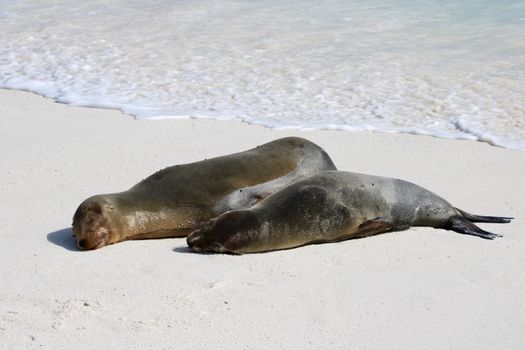
3. The Galápagos Islands, Ecuador: A Giant Leap
Even the Galápagos felt the strain of its own popularity. But the pause in tourism allowed conservationists to accelerate "rewilding" projects without human interference.
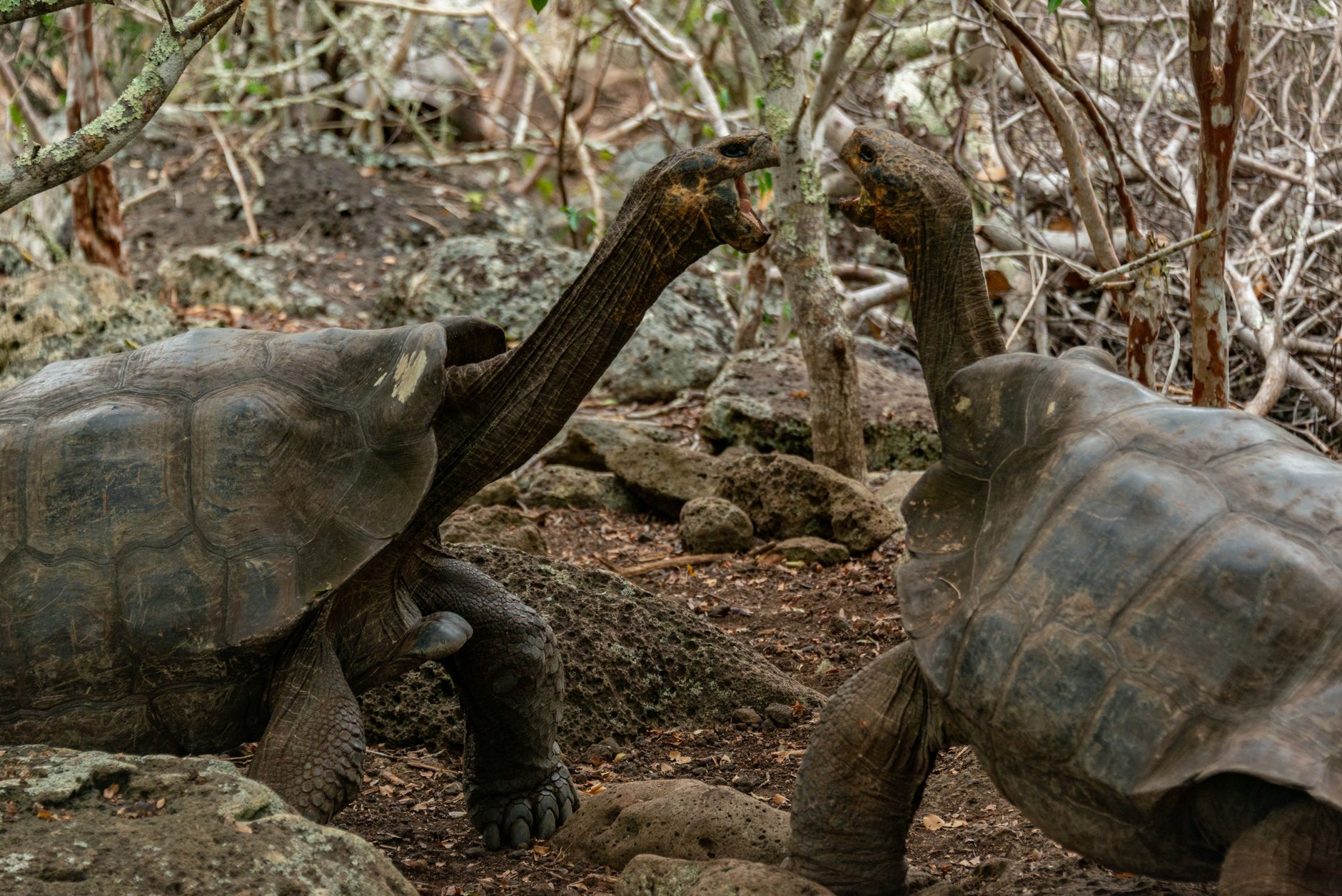
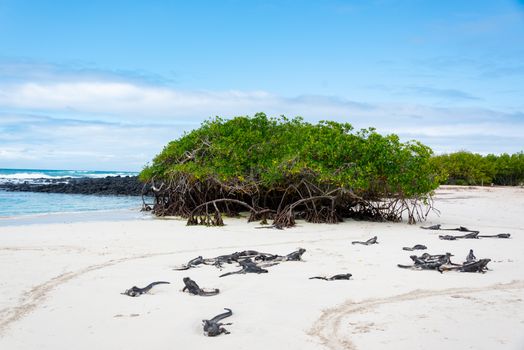
The Recovery: The Giant Tortoise populations on Santa Cruz have seen a massive uptick in successful hatchlings. Without the constant vibration of foot traffic on the trails, nesting sites remained undisturbed. Furthermore, the Galápagos Land Iguana was successfully reintroduced to Santiago Island for the first time in 188 years.
The Insider Detail: When you’re at the Charles Darwin Research Station, don’t just look at the big guys. Ask the rangers about the "Land Snail" recovery—it sounds boring, but these tiny mollusks are the literal foundation of the island's ecosystem.
---
4. Yosemite National Park, USA: The Bear Truth
In 2020, Yosemite saw a "bear party." With the valley floor empty of cars and discarded French fries, the American Black Bear population stopped hiding in the high country and reclaimed the meadows.
The Recovery: Bears are now seen more frequently in the Cook’s Meadow area, exhibiting natural foraging behaviors rather than "begging" behaviors. The park's coyotes have also shifted from nocturnal to diurnal (daytime) activity because they no longer fear the constant hum of traffic.
Pro-Tip: The "hidden" entrance to the valley is via Old Big Oak Flat Road. It’s a bit of a hike, but you’ll avoid the tunnel-view bottleneck and have a 40% higher chance of spotting a bobcat or bear in the early morning.
---
5. Rwanda’s Volcanoes National Park: The Silverback Surge
While not a "former" hotspot in the sense of being ruined, Rwanda used the global travel hiatus to completely overhaul its luxury trekking model, focusing on "low-volume, high-impact" tourism.
The Recovery: The Mountain Gorilla population has surged to over 1,000 individuals. Because of the increased "buffer zones" between humans and primates, respiratory infections in the troops dropped significantly.
Quick Facts Table:
| Destination | Key Wildlife | Best Time to Visit | Est. Daily Cost ($) | | :--- | :--- | :--- | :--- | | Maya Bay | Blacktip Reef Sharks | Nov - April | $60 - $150 | | Venice | Grey Herons & Seabass | May or September | $150 - $400 | | Galápagos | Land Iguanas | June - August | $300 - $600 | | Yosemite | Black Bears | Late Spring | $40 - $200 | | Rwanda | Mountain Gorillas | June - September | $1,500+ (Permit) |
---
6. The Great Barrier Reef, Australia: Coral & Calving
The world’s largest reef system has had a rough decade with bleaching, but the recent "quiet years" combined with aggressive crown-of-thorns starfish culling have led to a spectacular recovery in specific sectors.
The Recovery: Travel advisors are pointing clients toward the Southern Great Barrier Reef (Lady Elliot Island). The Green Sea Turtle nesting numbers have hit record highs. The lack of boat light pollution meant hatchlings were more successful in finding the ocean than ever before.
The Logistics: Fly into Bundaberg and take a small chartered flight. Avoid the big catamarans from Cairns; they still go to the high-traffic zones. You want the "fringe reefs" where the coral cover is now at nearly 80%.
---
Why Travel Advisors Are Pivoting
The "new" luxury isn't a gold-plated faucet; it's the ability to see a species that was almost lost. Travel advisors are now suggesting these spots because they have implemented carrying capacities.
In Maya Bay, you must book your entry time. In Rwanda, permits are capped. This isn't just "gatekeeping"; it's "gate-protecting." When you visit these spots now, you aren't just a spectator; you are a patron of a recovery project.
How to Visit Without Being "That" Tourist
- The 7 AM Rule: Almost every recovered hotspot sees its best wildlife activity at dawn. Be the first person through the gate.
- Muted Tones: Wear earth colors (greens, tans, greys). Bright "Instagram red" dresses stress out birds and primates.
- Silent Mode: Turn off your camera’s artificial shutter sound. In the silence of a recovered Yosemite or Venice, that click-click-click sounds like a gunshot to a sensitive animal.
- Local Expertise: Hire a guide who mentions "carrying capacity" or "biodiversity" in their bio. If they only promise "the best selfie spot," run.
Final Thoughts: The Fragile Beauty
As I sat on the sand at Maya Bay, watching a blacktip shark glide over a patch of newly grown staghorn coral, I realized that the "wildlife recovered in former tourist hotspots" isn't just a travel trend. It’s a second chance.
We’ve been given a glimpse of what the world looks like when we step back. Now, as we step forward again, we have to do it with lighter boots and quieter voices.
---
More pictures

Tags
Share this guide
We may earn a commission if you click a link and buy a product or service, at no extra cost to you. How affiliate links work.
Been there?