
Imagine a trip where your awe-inspiring wildlife encounter actually helps the animals thrive. This isn't a fantasy; it's the future of responsible travel. Dive into six unforgettable experiences that let you witness nature's wonders while actively contributing to their preservation. ---
Remember that moment? The first time you saw a wild animal in its natural habitat, a creature you'd only ever glimpsed on a screen or in a zoo? For me, it was a pod of dolphins leaping through the waves off the coast of California when I was a kid. Pure magic. But as I grew older and travelled more, that initial wonder sometimes got clouded by a nagging question: was my presence truly helping, or was it just another drain on already fragile ecosystems?
I’ve been there. The well-meaning but ultimately harmful elephant ride, the "sanctuary" that felt more like a circus, the photo op with a sedated tiger. We all want to connect with wildlife, but the truth is, not all wildlife tourism is created equal. Many popular activities, while seemingly innocent, can cause immense stress, injury, or even death to animals, and undermine crucial conservation efforts.
That’s why I’ve dedicated years to seeking out experiences that aren't just incredible for us, but genuinely beneficial for the animals. These aren't just trips; they're investments in the future of our planet's most magnificent creatures. These are the wildlife encounters that actually help animals – the ones you absolutely need to experience before you die.
Get ready to bookmark, share, and start planning. Because it's time to redefine what it means to truly see the wild.
---
1. Gentle Giants of the Mist: Mountain Gorilla Trekking (Rwanda & Uganda)
The Experience: Imagine standing just meters away from a magnificent silverback gorilla, observing a family group as they forage, play, and groom in their misty mountain kingdom. This isn't a zoo; this is their home, and you are a fleeting, respectful guest. Mountain gorilla trekking is, without a doubt, one of the most profound wildlife experiences on Earth. The trek itself can be challenging – navigating dense jungle, steep slopes, and sometimes muddy terrain – but the reward is immeasurable. The hour you spend with these gentle giants is often described as life-changing.
How Your Visit Helps: This is where ethical tourism truly shines. The high cost of a gorilla permit (currently $1500 in Rwanda, $700 in Uganda, though prices can change) directly funds conservation efforts, anti-poaching patrols, and community development projects surrounding the national parks. Your money ensures their habitat is protected, and local communities see the direct benefit of keeping gorillas alive, reducing human-wildlife conflict. Without tourism, the future of these critically endangered animals would be far bleaker.
My Personal Anecdote: My first gorilla trek in Rwanda's Volcanoes National Park was a revelation. After a strenuous hike, our trackers led us to a family group. Suddenly, a colossal silverback emerged from the bamboo, looked directly at us, and then calmly continued munching. A tiny baby gorilla tumbled playfully nearby. The sheer power, intelligence, and tranquility radiating from them was overwhelming. Tears welled up, not just from awe, but from the profound gratitude that these creatures still exist, and that my journey here was contributing to their survival. It was an hour of silent communion, a privilege I’ll never forget.
Practical Tips & Details:
- Locations: Volcanoes National Park (Rwanda) or Bwindi Impenetrable National Park / Mgahinga Gorilla National Park (Uganda).
- Booking: Permits are limited and sell out months in advance. Book through a reputable tour operator or directly with the Rwanda Development Board (RDB) or Uganda Wildlife Authority (UWA).
- Cost: Rwanda permits are $1500 USD. Uganda permits are $700 USD. This does not include accommodation, transport, or guide fees.
- Fitness: Be prepared for a challenging hike (2-8 hours). You'll need good hiking boots, long sleeves/trousers to protect against stinging nettles, and rain gear.
- Rules: Maintain a 7-meter distance (though gorillas don't always respect it!), no flash photography, no eating/drinking near them, and if you're sick, you cannot trek. Listen to your guide. This is for the gorillas' health.
- Instagram-Worthy Moment: A respectful, zoomed-in shot of a gorilla's expressive eyes, or the misty jungle backdrop.
---
2. The Heartbeat of the Wild: Ethical African Safaris (Kenya & Tanzania)
The Experience: The classic African safari often conjures images of jeeps teeming with tourists. But an ethical safari is a different beast entirely. It's about deep immersion, supporting local communities, and minimizing your footprint. Picture yourself in a small, open-sided vehicle, tracking leopards through the golden savanna at dawn, led by a local Maasai guide whose knowledge of the land is encyclopedic. You’re staying in an eco-lodge that blends seamlessly into its surroundings, powered by solar energy, and employing staff from nearby villages. You witness the Great Migration, not from a crowded viewpoint, but from a private conservancy that offers unparalleled wildlife viewing with fewer vehicles.
How Your Visit Helps: Ethical safari operators prioritize conservation. They often partner with private conservancies, which are community-owned lands leased for wildlife. The fees you pay directly support these communities, providing jobs, education, and healthcare, making wildlife a valuable asset rather than a competitor for grazing land. They also invest in anti-poaching units, wildlife monitoring, and habitat restoration. Choosing an operator committed to these principles ensures your adventure contributes directly to the long-term survival of Africa's iconic wildlife.
My Personal Anecdote: I remember a particular evening in a conservancy bordering the Maasai Mara in Kenya. We were on a night drive (not permitted in national parks, but allowed in conservancies), and our guide, Daniel, spotted a pair of lionesses. He turned off the engine, and we sat in absolute silence under a blanket of stars, listening to the guttural purrs of the lions as they stalked their prey. It wasn't about the kill, but the raw, unfiltered experience of being in their world. Later, back at the lodge, I learned that Daniel's children were able to attend school because of the conservancy's revenue. That connection, from the awe of the wild to the tangible impact on human lives, is what an ethical safari is all about.
Practical Tips & Details:
- Locations: Maasai Mara (Kenya), Serengeti (Tanzania), South Luangwa (Zambia), Okavango Delta (Botswana) are excellent for ethical safaris.
- Choosing an Operator: Look for companies certified by organizations like Responsible Tourism Tanzania, EcoTourism Kenya, or those that clearly outline their conservation and community engagement initiatives. Prioritize small-group tours, lodges with strong sustainability practices, and local guides.
- Cost: Ethical safaris can range from mid-range to luxury, typically $400 - $1000+ per person per day, depending on the season, lodge, and itinerary. This usually includes accommodation, all meals, game drives, and park fees.
- Respecting Wildlife: Keep your distance, never feed animals, avoid loud noises, and follow your guide's instructions implicitly.
- Instagram-Worthy Moment: A panoramic shot of the African savanna at sunrise or sunset, or a close-up (with a telephoto lens!) of an elephant herd.
---
3. Forest Guardians: Orangutan Rehabilitation Centers (Borneo, Malaysia & Indonesia)
The Experience: The plight of orangutans, "people of the forest," is heartbreaking, primarily due to habitat loss from palm oil plantations and illegal logging. Ethical rehabilitation centers offer a glimmer of hope. Here, you won't be cuddling or interacting directly with orangutans (which is detrimental to their reintroduction into the wild). Instead, you observe them from elevated platforms as they learn crucial survival skills – climbing, foraging, and building nests – with the ultimate goal of returning to their natural habitat. It's a powerful lesson in patience, resilience, and the sheer dedication of conservationists.
How Your Visit Helps: Your entrance fees and donations directly support the rescue, veterinary care, feeding, and rehabilitation of orphaned and displaced orangutans. These centers are vital educational hubs, raising awareness about the palm oil crisis and empowering visitors to make sustainable choices. By supporting them, you contribute to a future where these intelligent, gentle primates can thrive in the wild once more.
My Personal Anecdote: Visiting Sepilok Orangutan Rehabilitation Centre in Sabah, Malaysian Borneo, was a deeply moving experience. Watching the young orangutans swing effortlessly through the trees during feeding time, their ginger fur a stark contrast to the lush green, I felt a mix of sadness for their past and immense hope for their future. One young male, still quite small, was struggling with a vine. A moment later, an older, semi-wild female swooped in, seemingly to demonstrate the technique. It was a beautiful, unplanned interaction, a testament to their intelligence and social bonds, observed from a respectful distance. It solidified my commitment to buying only sustainable palm oil products.
Practical Tips & Details:
- Locations: Sepilok Orangutan Rehabilitation Centre (Sabah, Malaysian Borneo) and Tanjung Puting National Park (Kalimantan, Indonesian Borneo, usually involves a multi-day riverboat trip).
- Cost: Sepilok entrance is around RM30 (approx. $7 USD) for foreigners, with an additional fee for cameras. Tanjung Puting tours vary widely based on duration and operator.
- What to Expect: At Sepilok, you'll typically view feeding sessions from a platform. There's also a nursery for infants. In Tanjung Puting, multi-day klotok (riverboat) trips allow for viewing at various feeding stations deeper in the jungle.
- Responsible Viewing: Maintain silence, do not feed or touch the orangutans, and respect all instructions from staff. Their health and wild instincts are paramount.
- What to Bring: Mosquito repellent, rain jacket, binoculars, and a camera with a good zoom lens.
- Instagram-Worthy Moment: A candid shot of an orangutan swinging through the trees, or a wider shot showcasing the dense jungle canopy.
---
4. The Path to Freedom: Ethical Elephant Sanctuaries (Thailand & Laos)
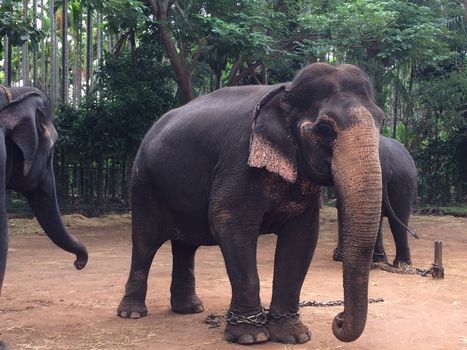
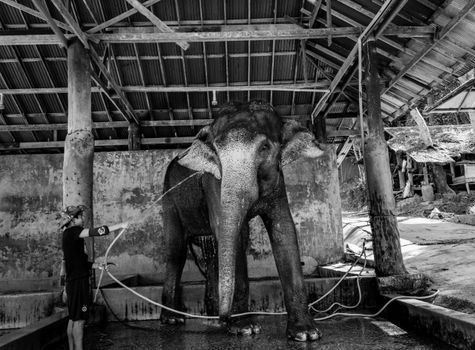
The Experience: Let's be clear: an ethical elephant sanctuary means no riding, no bathing with, no performances, and no painting. Period. These activities cause immense physical and psychological harm to elephants, often involving brutal training methods (Phajaan or "the crush"). An ethical sanctuary, like the renowned Elephant Nature Park in Thailand, focuses solely on rescuing elephants from abusive situations (logging, tourism, street begging) and providing them with a safe, natural habitat where they can live out their lives free from exploitation. You'll observe these magnificent creatures from a respectful distance as they socialize, forage, and play in herds, truly living like elephants.
How Your Visit Helps: Your visitor fees directly fund the rescue, veterinary care, food, and ongoing maintenance of these sanctuaries. They provide a vital safe haven for elephants who can never be truly wild again due to past trauma. Furthermore, these sanctuaries are powerful educational platforms, advocating for an end to elephant exploitation and promoting responsible tourism. By choosing an ethical sanctuary, you vote with your wallet against cruel practices and support genuine animal welfare.
My Personal Anecdote: My visit to Elephant Nature Park near Chiang Mai was incredibly humbling. I spent the day walking around the vast reserve, observing different herds. One older female, who had spent decades in the logging industry, was missing part of her ear and had visible scars. Yet, she was now peacefully grazing with her adopted family, splashing in the river, her eyes calm. We helped prepare their food, cutting fruit and vegetables, and then observed them eating from a distance. It was an experience of quiet reverence, a stark contrast to the guilt I'd carried from a past, misguided elephant ride. This was true healing, both for the elephants and for my understanding of responsible travel.
Practical Tips & Details:
- Locations: Elephant Nature Park (Chiang Mai, Thailand) is a leading example. Other reputable sanctuaries exist in Thailand (e.g., Wildlife Friends Foundation Thailand) and Laos (e.g., Elephant Conservation Center).
- Identifying Ethical Sanctuaries: Look for transparency in their operations, clear policies against riding/bathing/performances, and a focus on rescuing and rehabilitation. Do your research! Read reviews, check their websites for mission statements, and look for certifications.
- Cost: Day visits to Elephant Nature Park are approximately 2,500-3,000 THB (around $70-90 USD), including transport and lunch. Overnight stays and volunteer programs are also available.
- What to Expect: Walking around the park, observing elephants from boardwalks or designated viewing areas, preparing food, learning about elephant history and conservation.
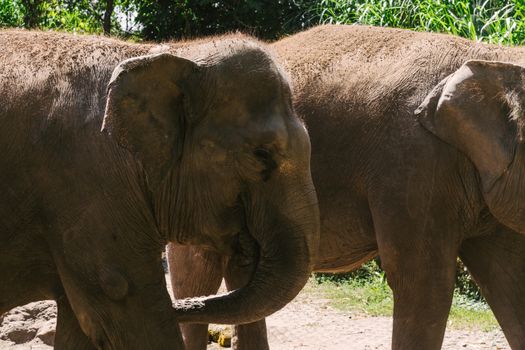
- Instagram-Worthy Moment: A wide shot of elephants roaming freely in their natural environment, or a close-up of their expressive trunks while they feed (from a distance).
---
5. Guardians of the Reef: Marine Conservation & Snorkeling (Galapagos & Costa Rica)
The Experience: The ocean is a realm of unparalleled beauty and biodiversity, but it's also under immense threat. Ethical marine encounters allow you to witness this underwater world while actively contributing to its protection. This could involve snorkeling or diving with marine biologists in the pristine waters of the Galapagos, where you might encounter playful sea lions, marine iguanas, or even hammerhead sharks. Or perhaps participating in a citizen science project in Costa Rica, helping to monitor coral health or identify sea turtle nesting sites. It's about being an active participant in conservation, not just a spectator.
How Your Visit Helps: By choosing tour operators who prioritize marine conservation – those with marine biologists on board, strict no-touch policies, small group sizes, and a focus on education – your presence directly supports their efforts. Many operators contribute to local research, anti-poaching initiatives, and community education programs. Some even offer opportunities for "citizen science," where tourists help collect data for research. Your visit supports the protection of fragile ecosystems like coral reefs and the diverse species that call them home.
My Personal Anecdote: My trip to the Galapagos Islands was a masterclass in ethical marine tourism. Our small boat had a naturalist guide who was passionate and incredibly knowledgeable. We snorkeled daily, often with sea lions that would playfully dart around us. One afternoon, we were free-diving near a volcanic rock formation when I saw a magnificent green sea turtle slowly gliding through the water. It was completely undisturbed by our presence, a testament to the strict rules and the animals' familiarity with respectful human observers. Our guide explained the delicate balance of the ecosystem and how our presence, when managed correctly, was vital for funding its protection.
Practical Tips & Details:
- Locations: Galapagos Islands (Ecuador), Cocos Island National Park (Costa Rica), Great Barrier Reef (Australia - with specific eco-certified operators), Raja Ampat (Indonesia).
- Choosing an Operator: Look for certifications (e.g., SmartVoyage in Galapagos), small group tours, experienced naturalist guides, and clear conservation policies. Inquire about their waste management, fuel efficiency, and community involvement.
- Cost: Galapagos cruises can range from $2,500 - $8,000+ for a 4-8 day trip, depending on boat size and luxury level. Day trips for snorkeling/diving in Costa Rica or Australia might be $100-$300+.
- Responsible Practices: Never touch marine life, maintain a respectful distance, use reef-safe sunscreen, and properly dispose of all waste.
- Instagram-Worthy Moment: An underwater shot of vibrant coral and fish (with a waterproof camera!), or a playful sea lion interaction from a safe distance.
---
6. Slow & Steady Wins the Heart: Sloth Sanctuaries (Costa Rica)
The Experience: Sloths, with their perpetually calm demeanor and slow-motion movements, have captured hearts worldwide. But these adorable creatures face significant threats, primarily from habitat destruction, electrocution on power lines, and being hit by cars. Ethical sloth sanctuaries in Costa Rica are dedicated to rescuing, rehabilitating, and, where possible, releasing injured or orphaned sloths. Your visit allows you to learn about their unique biology and the challenges they face, observing them in specially designed enclosures that mimic their natural environment. It’s an intimate look at the dedication required to protect a species that moves at its own pace.
How Your Visit Helps: Your entrance fees and donations directly support the specialized care sloths require – from veterinary treatment for injuries to creating appropriate diets and safe climbing structures. Many sanctuaries also engage in research to better understand sloth behavior and conservation needs, as well as community outreach to educate locals on how to protect sloths and avoid harming them (e.g., insulating power lines). By supporting these centers, you become part of the solution for these vulnerable tree-dwellers.
My Personal Anecdote: I visited the Sloth Sanctuary of Costa Rica near Limón, and it was eye-opening. Beforehand, I thought sloths were just cute and sleepy. But learning about the intricate process of rehabilitating an orphaned baby sloth, from specific dietary needs to specialized "slothie" climbing ropes, showed me the immense effort involved. We observed a group of rescued sloths in their large, naturalistic enclosures. One particular three-toed sloth, named Buttercup (a long-term resident), was slowly, almost majestically, making her way along a branch. The dedication of the staff, and the sheer uniqueness of these animals, left a lasting impression. It wasn't about holding them; it was about understanding and respecting them.
Practical Tips & Details:
- Locations: Sloth Sanctuary of Costa Rica (near Limón) is the most well-known. Other smaller rescue centers across Costa Rica also care for sloths.
- Cost: Entrance to the Sloth Sanctuary of Costa Rica is around $30 USD for a guided tour.
- What to Expect: Guided tours that educate visitors about sloth biology, threats, and rehabilitation efforts. You'll see sloths in their enclosures but will not handle them.
- Responsible Practices: Do not touch or attempt to feed the sloths. Follow your guide's instructions.
- What to Bring: Mosquito repellent, comfortable walking shoes, and a camera with a good zoom.
- Instagram-Worthy Moment: A close-up of a sloth's serene face as it hangs upside down, or a shot showcasing the lush Costa Rican jungle backdrop.
---
Ready to Make a Difference?
These experiences are more than just items on a bucket list; they are opportunities to forge a deeper connection with the natural world and become an active participant in its preservation. By choosing ethical wildlife tourism, you're not just taking a trip – you're making a statement, casting a vote for conservation, and helping to secure a future for these incredible animals.
So, which ethical adventure will you embark on first? Share your dreams and plans in the comments below! Let's inspire each other to travel more consciously, more kindly, and with a greater purpose. The wild is calling, and it needs your help.
---
More pictures


Tags
Share this guide
We may earn a commission if you click a link and buy a product or service, at no extra cost to you. How affiliate links work.
Been there?