
Imagine a trip where your awe-inspiring wildlife encounter actually *helps* the animals you adore. This October 2025, transform your wanderlust into a force for good. Join us as we explore unforgettable, ethical wildlife experiences that leave a positive paw print on the planet. ---
The first time I saw an elephant, truly saw one, it wasn't from the back of a saddle, nor through the lens of a zoom camera on a fleeting safari. It was at a rehabilitation center in Northern Thailand, watching a magnificent matriarch gently guide her rescued calf through a muddy river. There was no forced performance, no chains, just the quiet dignity of a creature reclaiming its natural life. In that moment, surrounded by the rustling jungle and the soft rumbles of the herd, I understood something profound: the most impactful wildlife experiences aren't just about what you see, but how your presence helps.
Too often, the allure of a close-up animal encounter can lead travelers down a path that inadvertently harms the very creatures they admire. But what if I told you that your dream wildlife adventure could be a powerful tool for conservation, actively contributing to animal welfare and habitat protection? This October 2025, let's redefine what it means to travel with purpose. I’m here to guide you through incredible, ethical wildlife experiences that will not only fill your soul with wonder but also leave a positive, lasting impact on the animal kingdom. Get ready to bookmark, share, and start planning a trip that truly matters!
The Ethical Traveler's Compass: Navigating Wildlife Experiences
Before we dive into specific destinations, let's arm you with the ultimate tool: the ethical traveler's compass. Distinguishing between genuinely beneficial experiences and those that exploit animals can be tricky, but it's crucial. Think of it as your personal guide to ensuring your travel dollars support true conservation.
Red Flags (Avoid These!):
- Direct Interaction with Wild Animals: Riding elephants, petting tigers, holding sloths for selfies, swimming with captive dolphins. These often involve cruel training methods, sedation, or unnatural confinement.
- Forced Performances: Animals performing tricks, painting, or engaging in human-like activities. This is almost always a sign of exploitation.
- Unnatural Environments: Wild animals kept in small cages, concrete enclosures, or performing in urban settings.
- "Rescue" or "Orphanage" Claims Without Transparency: Be wary of places that claim to rescue animals but don't have clear plans for rehabilitation or release, or charge exorbitant fees for interaction.
- No-Touch Policies Ignored: If a facility claims to be "no touch" but staff or other tourists are frequently interacting, it's a huge red flag.
Green Flags (Seek These Out!):
- Observation from a Distance: The best experiences allow animals to behave naturally in their own environment, with minimal human interference.
- Focus on Rehabilitation & Release: True sanctuaries prioritize rescuing, rehabilitating, and, whenever possible, releasing animals back into the wild. For those that cannot be released, they provide lifelong, species-appropriate care.
- Education & Awareness: Reputable organizations educate visitors about conservation challenges, animal behavior, and how to support their efforts.
- Local Community Involvement: Ethical initiatives often work hand-in-hand with local communities, providing employment, education, and economic incentives for conservation.
- Accreditation & Transparency: Look for accreditation from recognized bodies (e.g., Global Federation of Animal Sanctuaries, reputable conservation NGOs) and organizations that are transparent about their finances, mission, and animal care.
- "Hands-Off" or "Hands-On with Purpose": True hands-on experiences are usually limited to trained professionals or long-term volunteers assisting with specific, necessary tasks (e.g., vet care, habitat restoration), not for tourist entertainment.
Practical Tip: Always do your research! Read recent reviews (look for mentions of animal welfare), check their website's "About Us" and "Conservation" sections, and don't hesitate to ask direct questions about their practices before you book. A quick Instagram search can also reveal telling photos from previous visitors – are people riding, holding, or just observing?
1. Gentle Giants & Ethical Encounters: Elephant Sanctuaries in Thailand (Oct 2025)
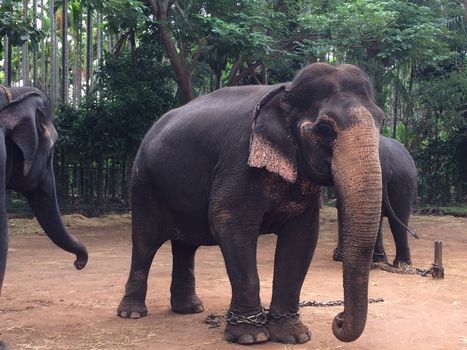
My heart truly found its rhythm during my time at an ethical elephant sanctuary in Chiang Mai. I’d seen the tourist traps – the rides, the shows – and felt a deep unease. But here, watching these magnificent creatures simply be elephants, was transformative.
Where to Go:
- Elephant Nature Park (ENP), Chiang Mai, Thailand: This is arguably the gold standard for ethical elephant tourism. Founded by Lek Chailert, a fierce advocate for Asian elephants, ENP rescues abused and neglected elephants, providing them a safe haven.
- Wildlife Friends Foundation Thailand (WFFT), Phetchaburi, Thailand: Another highly respected organization that not only rescues elephants but also a wide array of other wildlife.
What to Expect (October 2025): October in Thailand is typically the end of the rainy season, meaning lush landscapes and comfortable temperatures – perfect for a sanctuary visit! Your day will likely involve:
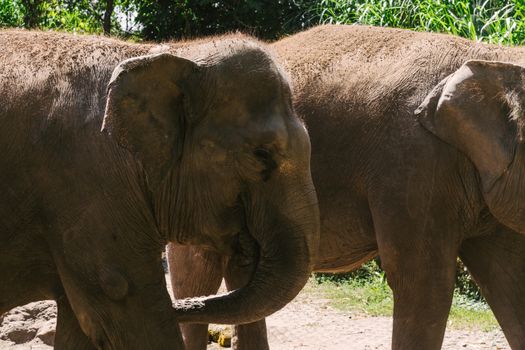
- Observing: Watching elephants socialize, bathe, and forage in large, natural enclosures. This is the core of the experience.
- Feeding: Gently offering fruit or vegetables to the elephants from a safe distance, often from elevated platforms. This is usually the closest interaction you'll have.
- Learning: Engaging with passionate guides who share the elephants' individual stories and the broader challenges of elephant conservation.
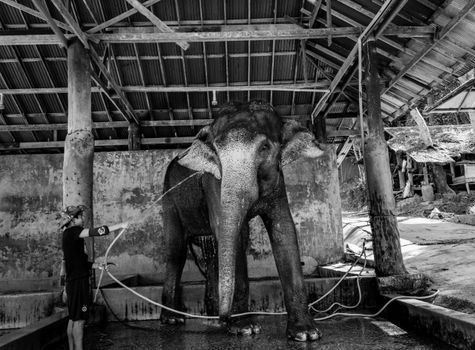
- Bathing (Optional & Respectful): Some sanctuaries allow visitors to help bathe elephants in a river, but always from a respectful distance and never forcing interaction. It's about helping them, not riding them into the water.
Personal Anecdote: I remember a moment at ENP, sitting quietly near a group of elephants, and one old matriarch, her eyes wise and gentle, slowly walked by, her trunk brushing lightly against a tree branch beside me. No selfie stick, no forced pose, just a shared, peaceful moment. It was pure magic and deeply moving.
Prices & Booking (October 2025):
- Day Trips: Typically range from $70 - $150 USD per person, including transportation, lunch, and guided tours.
- Multi-Day Volunteering: Can be more, ranging from $400 - $1000+ USD for a week, often including accommodation and meals.
- Booking Advice: October is a popular time to visit Thailand. Book your day trip or volunteer slot several months in advance, especially for renowned places like ENP. Check their official websites for 2025 availability and current pricing.
Instagram-Worthy Moment: Candid shots of elephants playing in the mud, their wise eyes, the lush jungle backdrop. Focus on capturing their natural beauty and the meaningful work being done. Use #TripsoraEthicalWildlife and #ElephantLove.
2. Primate Power: Orangutan Rehabilitation in Borneo (Oct 2025)
The rainforests of Borneo hold a special place in my heart, primarily due to the incredible work being done to save the critically endangered orangutan. Seeing these intelligent, gentle "people of the forest" up close, knowing my visit supported their survival, was an absolute privilege.
Where to Go:
- Sepilok Orangutan Rehabilitation Centre, Sandakan, Sabah, Borneo, Malaysia: One of the oldest and most respected orangutan rehabilitation centers in the world.
- Borneo Orangutan Survival Foundation (BOSF) Samboja Lestari, East Kalimantan, Borneo, Indonesia: Focuses on rescue, rehabilitation, and reintroduction, offering visitor programs.
- Gunung Leuser National Park (Bukit Lawang), Sumatra, Indonesia: Offers guided treks to see semi-wild orangutans, with strict ethical guidelines.
What to Expect (October 2025): October is a great time to visit Borneo, as the dry season generally extends through this month, offering excellent trekking and viewing conditions.
- Observation Decks: At centers like Sepilok, you'll observe orangutans from elevated platforms during feeding times, when they come down from the forest for supplementary food.
- Educational Walks: Guided tours through the forest boardwalks, learning about their habitat, threats (palm oil deforestation), and rehabilitation process.
- Jungle Trekking (Sumatra): In places like Bukit Lawang, experienced local guides lead treks into the rainforest to spot semi-wild orangutans. Strict rules ensure minimal disturbance.
Personal Anecdote: I'll never forget the cheeky grin of a young orangutan at Sepilok, swinging effortlessly through the trees, a beacon of hope for his species. It hammered home the urgency of protecting these incredible creatures and their vital rainforest homes.
Prices & Booking (October 2025):
- Entry Fees (Sepilok): Around $10-20 USD per person.
- Guided Treks (Bukit Lawang): Can vary, but expect to pay around $50-100 USD for a half-day trek with a reputable guide, often including park fees.
- Booking Advice: For Sepilok, you can usually just show up. For treks in Sumatra, book through a reputable, eco-certified tour operator well in advance, especially if you plan to stay overnight in Bukit Lawang.
Instagram-Worthy Moment: Captivating shots of orangutans swinging through the canopy, their expressive faces, the vibrant green of the rainforest. Use #SaveOrangutans #BorneoWildlife #TripsoraEthicalWildlife.
3. Underwater Wonders: Marine Conservation in Costa Rica (Oct 2025)
My passion for wildlife extends beneath the waves, and some of my most rewarding experiences have involved marine conservation. Costa Rica, a global leader in eco-tourism, offers incredible opportunities to help protect its precious marine life, particularly sea turtles.
Where to Go:
- Pacuare Turtle Hatchery, Caribbean Coast, Costa Rica: A remote and impactful sea turtle conservation project.
- Osa Peninsula, Pacific Coast, Costa Rica: Various organizations work on marine conservation, including whale and dolphin research.
What to Expect (October 2025): October is a prime time for sea turtle nesting and hatching on Costa Rica's Caribbean coast, particularly for Green and Leatherback turtles.
- Night Patrols: Walking beaches at night with conservationists to find nesting turtles, collect eggs (to protect them from poachers and predators), and relocate them to protected hatcheries.
- Hatchery Work: Monitoring and protecting nests, and assisting with the release of hatchlings into the ocean. This is often a hands-on experience, but always under strict guidance and for the turtles' welfare.
- Data Collection: Contributing to scientific research by recording turtle sizes, tag numbers, and nesting data.
- Beach Clean-ups: Essential work to keep nesting sites safe and clean.
Personal Anecdote: Releasing tiny, determined sea turtle hatchlings into the vast ocean on a moonlit night was one of the most emotional and hopeful moments of my life. Each tiny flipper stroke felt like a victory for conservation.
Prices & Booking (October 2025):
- Volunteer Programs: Many turtle conservation projects are volunteer-based. You'll typically pay a program fee (ranging from $300 - $1000+ USD per week) that covers accommodation, meals, training, and contributes directly to the project's funding.
- Booking Advice: These programs fill up fast, especially during peak nesting/hatching season. Apply and book your spot at least 6-9 months in advance for October 2025. Look for organizations with a proven track record and clear conservation goals.
Instagram-Worthy Moment: The incredible journey of hatchlings to the sea, a volunteer carefully measuring a nesting turtle, the pristine beauty of a wild beach. Use #TripsoraEthicalWildlife #SeaTurtleConservation #CostaRicaWildlife.
4. Safari with a Conscience: South Africa & Kenya (Oct 2025)
A safari is often a bucket-list item, but an ethical safari elevates the experience from mere sightseeing to active participation in conservation. In October 2025, the dry season in East Africa (Kenya) and late spring in Southern Africa (South Africa) offer fantastic wildlife viewing and opportunities to support vital anti-poaching and community initiatives.
Where to Go:
- Kruger National Park, South Africa: Choose private reserves bordering Kruger or specific lodges within Kruger that actively fund conservation and community projects.
- Maasai Mara National Reserve, Kenya: Look for conservancies bordering the main reserve, which are often community-owned and directly benefit local Maasai people while protecting wildlife.
What to Expect (October 2025):
- Expert-Led Game Drives: Knowledgeable guides and trackers will lead you to incredible wildlife sightings (the "Big Five" and beyond), providing insights into animal behavior and ecosystem dynamics.
- Walking Safaris: In many private reserves, you can experience the bush on foot, learning about tracking, flora, and smaller creatures – a truly immersive and humbling experience.
- Anti-Poaching Support: Many ethical lodges directly fund anti-poaching units, canine patrols, and community education programs. Your stay directly contributes to these efforts.
- Community Engagement: Opportunities to visit local villages, learn about traditional cultures, and see how tourism revenue supports schools, healthcare, and sustainable development.
Personal Anecdote: On a walking safari in a private reserve bordering Kruger, our guide pointed out fresh rhino tracks. He spoke passionately about the threats facing these magnificent animals and the daily risks taken by rangers. It brought home the reality of conservation – it's not just about pretty pictures, but about dedicated, dangerous work. That evening, seeing a rhino peacefully grazing, felt like a silent testament to those efforts.
Prices & Booking (October 2025):
- Safari Lodges: Safaris are an investment. Prices range from $300 - $1000+ USD per person per night, depending on luxury, location, and inclusions (game drives, meals, sometimes drinks).
- Booking Advice: Look for lodges that are Fair Trade Tourism certified, members of Pack for a Purpose, or explicitly state their conservation and community initiatives on their website. Book at least 6-12 months in advance for October 2025, as prime lodges fill up quickly.
Instagram-Worthy Moment: The iconic "Big Five" in their natural habitat, stunning African sunsets, candid shots of local communities, the vastness of the savanna. Use #EthicalSafari #ConservationTravel #TripsoraEthicalWildlife.
5. Beyond the Big Names: Unique Conservation Adventures (Oct 2025)
While elephants, orangutans, and safaris capture the imagination, there are countless other incredible opportunities to help animals around the world. Here are a few diverse ideas for October 2025:
- Sloth Sanctuaries, Costa Rica:
- Where: The Sloth Sanctuary of Costa Rica (near Cahuita) or Toucan Rescue Ranch (near San José).
- What to Expect: Learn about sloth biology, rescue, and rehabilitation. Observe sloths in natural enclosures. These are mostly "hands-off" observation centers, crucial for the sloths' well-being.
- Price: Entry fees usually around $30-50 USD.
- Why it helps: Supports rescue, rehabilitation, and vital research into these unique creatures.
- Bear Rehabilitation, Romania:
- Where: Libearty Bear Sanctuary Zarnesti, Romania.
- What to Expect: Visit Europe's largest brown bear sanctuary, home to bears rescued from captivity (often from circuses or private owners). Guided tours explain their stories and the sanctuary's mission.
- Price: Entry around $10-15 USD.
- Why it helps: Provides a safe, natural environment for bears who can't be released, and educates the public about animal welfare.
- Marine Mammal Rescue, USA/Canada:
- Where: Various centers along the coasts, such as The Marine Mammal Center (California, USA) or Vancouver Aquarium Marine Mammal Rescue Centre (BC, Canada).
- What to Expect: Learn about marine mammal rescue, rehabilitation, and release programs. Some offer tours or educational exhibits.
- Price: Entry fees vary, or some are free with suggested donations.
- Why it helps: Directly supports the rescue and recovery of injured or stranded marine mammals, and raises awareness about ocean health.
Practical Tip: Remember your ethical traveler's compass applies everywhere! Always research the specific organization, their mission, and their animal care practices before visiting or volunteering. Look for transparency and a genuine commitment to animal welfare, not just tourist dollars.
Your Trip, Their Future: A Call to Action
My most cherished travel memories aren't just about seeing animals, but about knowing I helped protect them. There's a profound satisfaction in returning home, not just with stunning photos, but with the knowledge that your journey contributed to a greater good.
This October 2025, let's make our travel choices count. Let's move beyond passive observation to active participation in conservation. By choosing ethical wildlife experiences, you're not just booking a trip; you're casting a vote for a future where animals thrive, where habitats are protected, and where responsible tourism leads the way.
Which ethical wildlife adventure will you embark on in October 2025? Share your plans and dreams in the comments below! Tag #TripsoraEthicalWildlife and inspire others to travel with purpose. Together, we can make a world of difference, one incredible, ethical journey at a time.
---
More pictures


Tags
Share this guide
We may earn a commission if you click a link and buy a product or service, at no extra cost to you. How affiliate links work.
Been there?