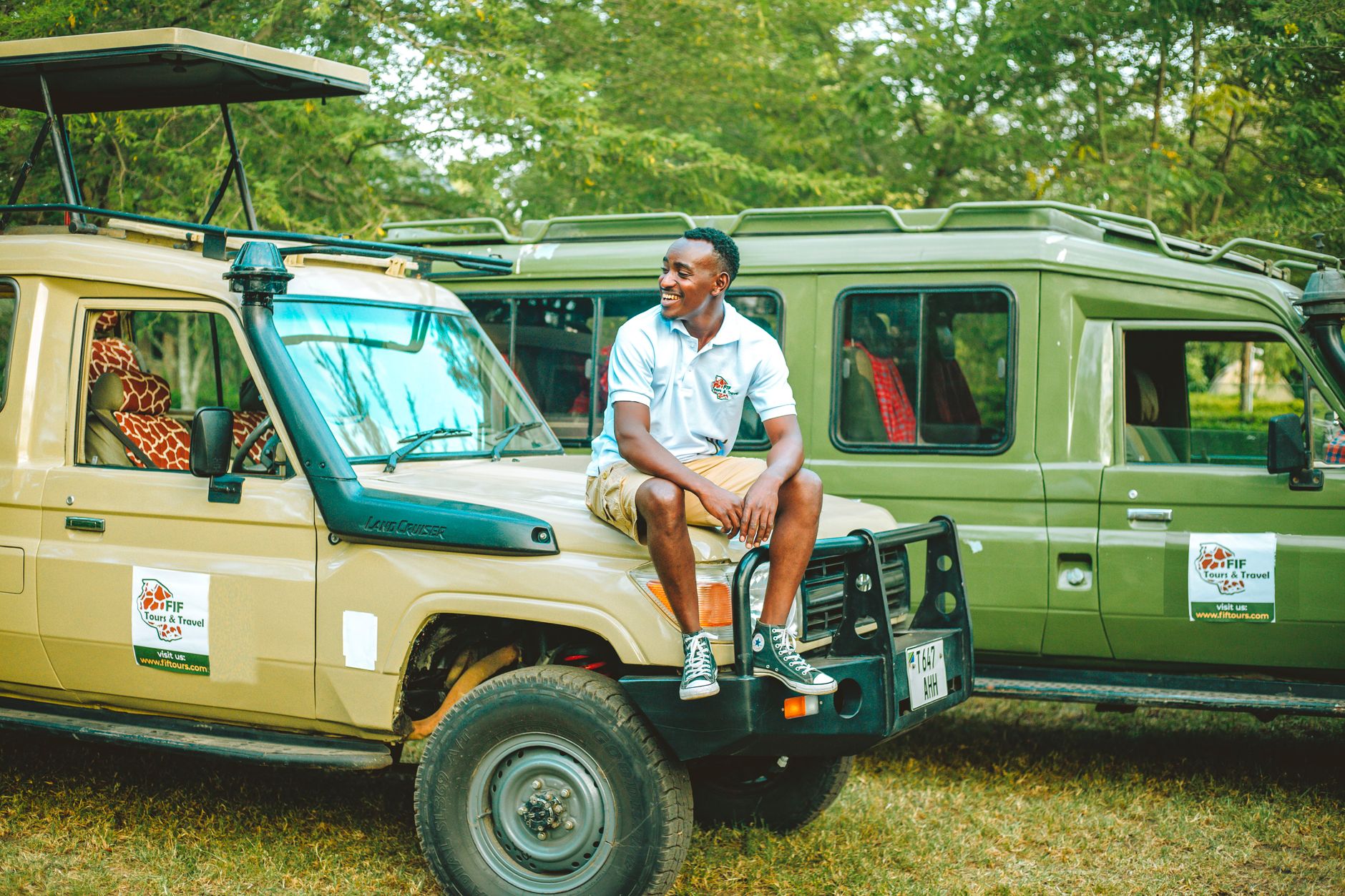
Want to travel without leaving a destructive footprint? Top travel advisors are pointing conscious globetrotters toward
The Hook: A Wake-Up Call in the Canopy
I stepped off the single-prop plane in Puerto Jiménez, and the air hit me like a warm, wet velvet blanket. It smelled of rich, fermenting guavas, damp earth, and the sharp, metallic tang of the nearby Golfo Dulce. But as I looked up at the dense treeline, a local conservationist pointed to a patch of pasture slashing through the green.
"That gap is only fifty yards wide," she told me, swatting a mosquito. "But to a white-faced capuchin monkey or a three-toed sloth, it might as well be the Atlantic Ocean. They won't cross open ground. They are trapped."
This is the reality of habitat fragmentation. As humans build roads, farms, and luxury resorts, we slice animal territories into tiny, isolated islands. The solution? Wildlife corridors. These are strips of restored habitat that allow animals to travel, mate, and migrate safely.
More importantly, you don't have to just read about them. Top-tier travel advisors are now curating itineraries where you can roll up your sleeves and help maintain these ecological lifelines. Here are the definitive, advisor-approved wildlife corridors where your travel dollars—and your sweat equity—can do real, lasting good.
---
1. The Osa Peninsula, Costa Rica: Reconnecting the Path of the Jaguar
The Mission: Bridging the Canopy for Arboreal Mammals
Costa Rica’s Osa Peninsula holds 2.5% of the world's biodiversity. Yet, outside national parks like Corcovado, the forest is fragmented by cattle ranches and palm oil plantations. The Osa Biological Corridor aims to reconnect these isolated patches, allowing jaguars, pumas, and four species of monkeys to move freely.
Travelers here work alongside researchers from organizations like Osa Conservation. This isn't passive sightseeing; you’ll be planting native, fast-growing trees like the Copaifera aromatica (camíbar) to build canopy bridges, clearing invasive pasture grasses, and checking remote camera traps to monitor wildlife movements.
- The Vibe: Sweaty, muddy, and incredibly rewarding. You will fall asleep to a symphony of cicadas and wake up to the guttural roars of howler monkeys.
- Pro-Tip: Skip the overpriced luxury eco-lodges that pocket their profits. Instead, book a stay at the Piro Research Station. You’ll eat communal meals of gallo pinto seasoned with fresh culantro coyote alongside resident biologists, gaining unfiltered access to real conservation work.
---
2. The Yellowstone to Yukon (Y2Y) Initiative, USA & Canada: Unfencing the West
The Mission: Removing the Barbed Wire Obstacles for Pronghorn and Grizzly
The Yellowstone to Yukon (Y2Y) corridor is a massive, 2,000-mile ecological corridor stretching from Wyoming to northern Canada. It is the gold standard of continental-scale conservation. However, thousands of miles of legacy barbed-wire fencing block the migration routes of pronghorn antelope, elk, and mule deer.
Pronghorns don't jump fences; they try to crawl under them. Standard barbed wire scrapes their backs, causing fatal infections, or traps them entirely. Travel advisors recommend joining organized volunteer trips with the Montana Wilderness Association or local land trusts to modify these fences. You’ll spend your days pulling out old, rusty barbed wire and replacing the bottom strands with smooth wire raised 18 inches off the ground.
- The Vibe: High-desert wind, big skies, and the smell of crushed sagebrush.
- Pro-Tip: Schedule your trip for late September. Not only will you avoid the summer RV crowds, but you’ll also catch the aspen trees turning a brilliant, burning gold against the snow-dusted peaks of the Madison Range.
---
3. The European Green Belt, Germany: Rewilding the Former Iron Curtain
The Mission: Healing the Scar of Divided Europe
For nearly forty years, the Iron Curtain divided Europe, creating a de facto no-man's-land where nature reclaimed the border zone. Today, this former strip of death has been transformed into the European Green Belt, a 12,500-kilometer wildlife corridor running from the Barents Sea to the Black Sea.
In Germany’s Thuringian Forest, you can help maintain this corridor by working with BUND (Friends of the Earth Germany). Volunteers help restore open heathlands and peat bogs, which are critical habitats for the rare European wildcat (Felis silvestris) and black storks. Activities include clearing encroaching spruce plantations and building brushwood piles to create shelter for small mammals.
- The Vibe: Rich history meets quiet, dense pine forests. It feels like stepping into a moody Grimm’s fairy tale, minus the witches.
- Pro-Tip: Rent an e-bike in the historic town of Coburg and ride along the Grenzradweg (Border Cycle Trail). Look for the subtle, hand-carved wooden signs pointing to hidden bird-watching blinds built directly over old border patrol paths.
---
4. The Atherton Tablelands, Australia: Patching the Wet Tropics
The Mission: Planting Canopy Stepping Stones for Tree Kangaroos
Queensland's Wet Tropics are spectacular, but historic logging has left the rainforest looking like a green Swiss cheese. This fragmentation is disastrous for the Lumholtz’s tree kangaroo—a whimsical, tree-dwelling marsupial that is clumsy on the forest floor and highly vulnerable to domestic dog attacks when forced to walk between isolated trees.
Working with groups like Rainforest Rescue or the Treat nursery, travelers can plant native trees such as the Blue Quandong (Elaeocarpus grandis). These trees grow rapidly, creating vital canopy "stepping stones" that allow tree kangaroos to navigate the landscape without ever touching the ground.
- The Vibe: Cool mountain air, volcanic crater lakes, and the occasional screech of a sulfur-crested cockatoo.
- Pro-Tip: After a morning of planting, head to the Whistle Stop Cafe in Yungaburra. Order a flat white coffee and a slice of warm macadamia pie, then walk down to the Peterson Creek bridge at dusk to spot wild platypuses diving in the shallows.
---
5. KAZA Transfrontier Conservation Area, Southern Africa: Elephant Highways
The Mission: Mitigating Human-Wildlife Conflict via Beehive Fencing
The Kavango-Zambezi Transfrontier Conservation Area (KAZA) spans five African nations: Angola, Botswana, Namibia, Zambia, and Zimbabwe. It is home to half of Africa’s savanna elephants. As these massive animals migrate along ancient corridors, they frequently wander into local community farms, destroying crops and sparking dangerous conflicts.
Advisors suggest booking through operators that partner with Ecoexist in Botswana’s Okavango Delta. Travelers can assist in building and maintaining beehive fences. Elephants are terrified of African honeybees (Apis mellifera scutellata). By hanging beehives at ten-meter intervals along crop borders, farmers protect their livelihoods, elephants stay within their safe migration corridors, and the community gains a secondary income from "elephant-friendly honey."
- The Vibe: Golden savannah grass, the deep grunt of hippos in the distance, and the rich, earthy smell of woodsmoke.
- Pro-Tip: Skip the massive fly-in luxury lodges. Opt instead for a community-run camp in the Seronga area. You’ll be guided by local eco-guards who can show you the exact GPS-mapped elephant corridors cutting through their own backyards.
---
6. The Terai Arc Landscape, Nepal: Corridors for the Bengal Tiger
The Mission: Restoring Grasslands in the Shadow of the Himalayas
The Terai Arc Landscape stretches across the border of Nepal and India, connecting fifteen protected areas. This corridor is critical for the survival of the Bengal tiger and the one-horned rhinoceros, both of which require massive home ranges to hunt and breed.
In the buffer zones of Chitwan National Park, travelers can join community-forest user groups (CFUGs). You’ll help remove invasive water hyacinth from critical watering holes, plant native tall grasses, and assist in community-led anti-poaching patrols along the corridor boundaries.
- The Vibe: Misty mornings, towering sal forests, and the adrenaline rush of tracking fresh tiger pugmarks in the river silt.
- Pro-Tip: Avoid the standard, noisy jeep safaris. Instead, hire an independent local guide for a walking safari through the community forests of Kumrose. It is quieter, safer for the wildlife, and every rupee goes directly to the local families managing the corridor.
---
The Budget & Logistics: Planning Your Conservation Trip
To make your trip planning seamless, here is a breakdown of the logistics, estimated costs, and best times to visit these six advisor-approved wildlife corridors:
| Corridor Destination | Primary Partner Org | Est. Cost (USD/Week) | Best Time to Visit | How to Get There | | :--- | :--- | :--- | :--- | :--- | | Osa Peninsula, Costa Rica | Osa Conservation | $700 - $1,200 (includes room/board) | December to April (Dry season) | Fly to San José, take a regional flight to Puerto Jiménez, then a 4WD taxi to Piro. | | Yellowstone to Yukon, USA | Y2Y Initiative / Adventure Scientists | $300 - $800 (mostly camping/gear) | July to September | Fly into Bozeman (BZN) or Missoula (MSO), rent an SUV to access trailheads. | | European Green Belt, Germany | BUND | $400 - $900 (guesthouses & rail) | May to October | Fly to Frankfurt or Munich, take the DB train to Coburg or Erfurt. | | Atherton Tablelands, Australia | Rainforest Rescue / TREAT | $600 - $1,100 (eco-cabins) | May to November (Dry, cooler months) | Fly to Cairns (CNS), rent a car and drive 1.5 hours up the Gillies Range. | | KAZA TFCA, Botswana | Ecoexist / Local Conservancies | $1,500 - $3,000 (includes bush flights) | June to October | Fly to Maun (MUB), take a bush plane or 4x4 transfer to the Seronga region. | | Terai Arc, Nepal | Local CFUGs / Chitwan Community | $350 - $700 (homestays & local guides) | October to March | Fly to Kathmandu, take a 25-minute domestic flight to Bharatpur, then taxi to Sauraha. |
---
The Final Verdict: Why Your Presence Matters
The era of "look-but-don't-touch" tourism is over. True regenerative travel is about active participation. By choosing to visit, support, and physically maintain these wildlife corridors, you are directly combatting the global biodiversity crisis. You aren't just taking photos; you are helping to stitch the natural world back together, one tree, one fence, and one beehive at a time.
Talk to your travel advisor, pack your sturdiest work gloves, and go make a real difference.
---
More pictures


Tags
Share this guide
We may earn a commission if you click a link and buy a product or service, at no extra cost to you. How affiliate links work.
Been there?