Forget the headlines! We're diving into destinations that have risen from the ashes, offering jaw-dropping beauty and profound human connection. March 2026 is your moment to witness resilience firsthand. Ready for an adventure that *matters*? ---
The Unseen Bloom: Stepping into a Reborn Landscape
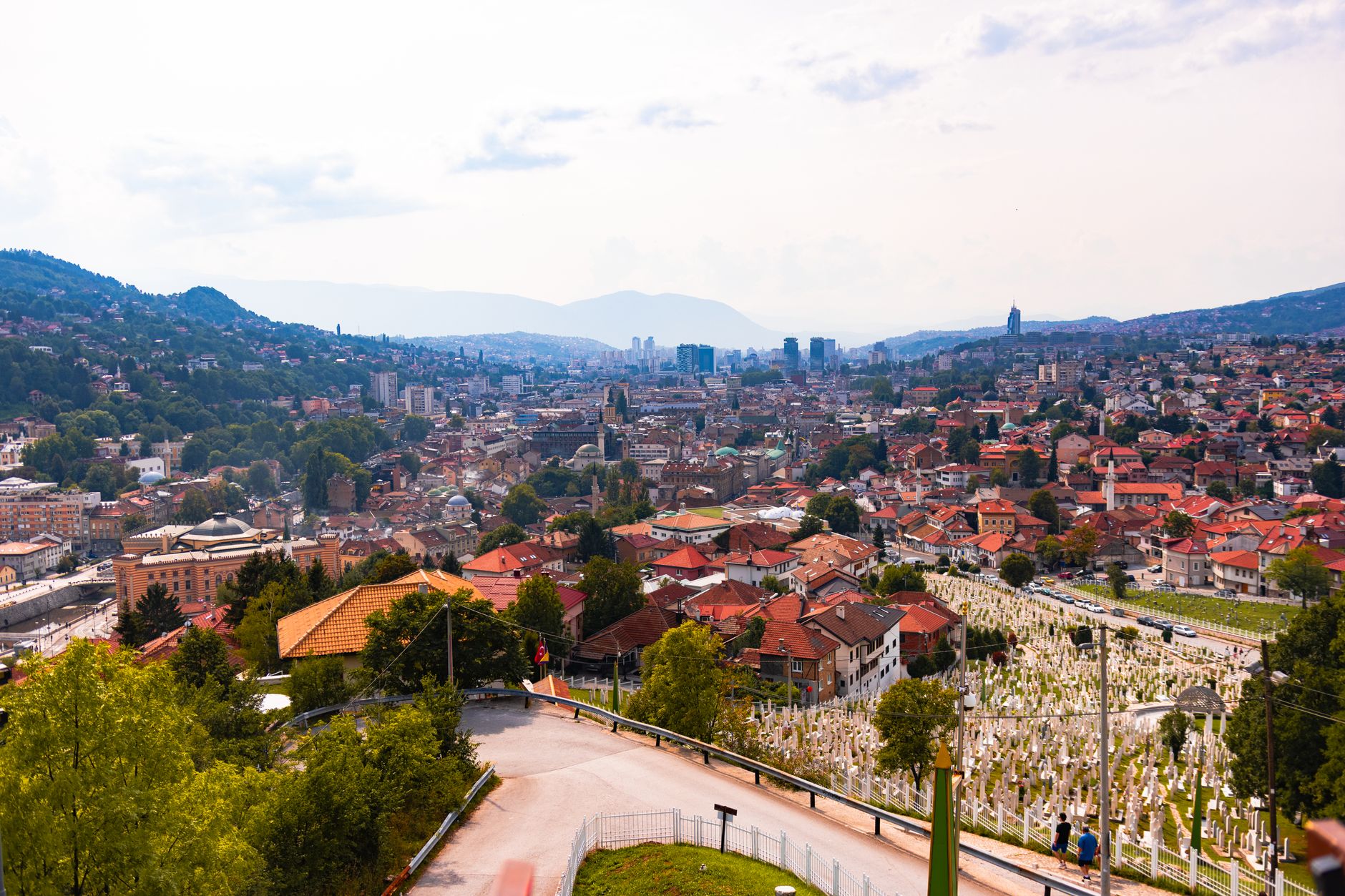
I stepped off the train in Sarajevo, and the air, surprisingly, wasn't heavy with ghosts. Instead, it hummed with a vibrant, almost defiant, energy. The scent of strong Bosnian coffee, roasted to perfection, mingled with the faint, sweet aroma of baklava wafting from a nearby buregdžinica. Sunlight, dappled through the leaves of ancient linden trees lining the street, painted shifting patterns on the cobblestones. Children’s laughter echoed from a park, a sound that felt like a victory. This wasn't the Sarajevo of news reports; this was a city breathing, pulsing, and ready to share its story.
For years, the words "war-torn" have conjured images of devastation, of loss. But what if I told you that some of the most profound travel experiences now lie in these very regions? Places that have endured unimaginable hardship are not just rebuilding; they are blossoming. They offer a raw, authentic beauty, a resilience that humbles and inspires, and a chance to be part of a positive narrative. In March 2026, a unique window opens for travelers seeking more than just a vacation – they seek connection, understanding, and a glimpse into the indomitable human spirit.
Bosnia and Herzegovina: Sarajevo's Soulful Comeback
Sarajevo. The name itself carries weight. Yet, my first morning was a revelation. The iconic Baščaršija, the old Ottoman bazaar, bustled with life. Artisans hammered copper, their rhythmic clanging a testament to enduring craftsmanship. The aroma of ćevapi grilling over charcoal, seasoned with a secret blend of spices, made my stomach rumble.
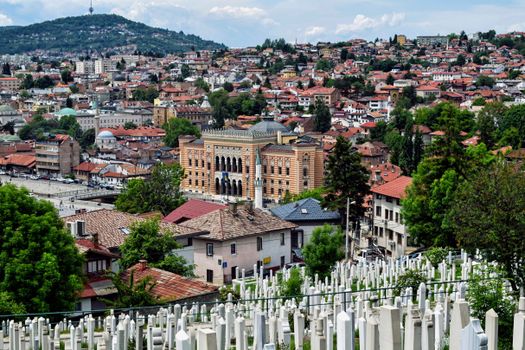
Beyond the visual feast of intricate mosques and Austro-Hungarian architecture, the stories here are etched into the very fabric of the city. The Sarajevo War Tunnel Museum, though somber, is a vital testament to survival. It’s a stark reminder of what the city overcame, but also a powerful symbol of its will to connect with the outside world.
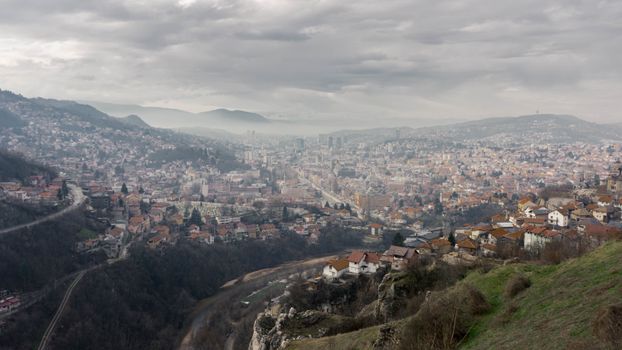
Pro-Tip: Visit the Yellow Fortress (Žuta Tabija) at sunset. The panoramic views of Sarajevo, bathed in golden light, are breathtaking. You’ll see the remnants of past conflicts alongside the vibrant, modern city – a powerful juxtaposition.
Insider Tip: Don't just eat at the tourist spots. Seek out the smaller, family-run buregdžinice. Ask for sirnica (cheese pie) or mesnica (meat pie) and pair it with a glass of jogurt. It’s a taste of true Sarajevo.
Quick Facts: Sarajevo, Bosnia and Herzegovina
- Estimated Costs: $ (Budget-friendly: $40-60/day for accommodation, food, and local transport)
- Best Time to Visit: April-October (pleasant weather). March offers a crisp, early spring feel with fewer crowds.
- How to Get There: Sarajevo International Airport (SJJ) has direct flights from major European hubs.
Lebanon: Beirut's Resilient Spirit and Ancient Wonders
Lebanon. A land of ancient Phoenician ruins, Roman temples, and a capital city that has weathered more storms than most. Beirut, the "Paris of the Middle East," is a phoenix, constantly rising. The Corniche, a seaside promenade, is alive with joggers, families, and artists. The air carries the salty tang of the Mediterranean, mixed with the exotic perfume of jasmine and the distant call to prayer.
My exploration took me to the Temple of Bacchus in Baalbek, a UNESCO World Heritage site that stands as a testament to Roman engineering. Standing amidst these colossal, weathered stones, you can almost hear the echoes of ancient chariots. It’s a place that transcends time and conflict.
Back in Beirut, the Gemmayzeh and Mar Mikhael districts are a testament to the city’s enduring nightlife and artistic flair. Cafes spill onto the sidewalks, vibrant street art adorns crumbling walls, and the aroma of manakish (Lebanese flatbread) fresh from the saj is irresistible.
Pro-Tip: Take a day trip to the Jeita Grotto, a magnificent cave system with stunning stalactites and stalagmites. The boat ride through the lower cave is particularly magical.
Insider Tip: For an authentic culinary experience, seek out a traditional Lebanese mezze restaurant. Order a variety of small dishes – hummus, mutabbal, tabbouleh, fatoush, and kibbeh – to sample the diverse flavors. Don't miss the arak, a potent anise-flavored spirit.
Quick Facts: Beirut, Lebanon
- Estimated Costs: $$ (Mid-range: $70-100/day for comfortable accommodation, good food, and activities)
- Best Time to Visit: April-May and September-November (mild temperatures). March can be cooler but still pleasant for exploring.
- How to Get There: Beirut-Rafic Hariri International Airport (BEY) connects to many international destinations.
Colombia: From Conflict Zones to Coffee Country's Charm
Colombia, a country once synonymous with its struggles, has undergone a remarkable transformation. The narrative has shifted from headlines of conflict to tales of vibrant culture, breathtaking landscapes, and world-class coffee. As March 2026 approaches, this is a destination ripe for exploration, offering a profound sense of peace and a warm, welcoming embrace.
I found myself in the Coffee Triangle (Eje Cafetero), the air thick with the rich, earthy aroma of roasting beans. Rolling hills, carpeted in emerald green coffee plantations, stretched as far as the eye could see. The Cocora Valley, with its towering wax palms, felt like stepping into a mythical landscape. The silence here is profound, punctuated only by the chirping of exotic birds.
Beyond the natural beauty, the cities like Medellín have reinvented themselves. Once known for its dark past, Medellín is now a hub of innovation, art, and vibrant street life. The Comuna 13 neighborhood, once a no-go zone, is now a canvas of colorful graffiti and a testament to community resilience, with outdoor escalators facilitating access and showcasing local art.
Pro-Tip: Stay at a traditional finca (coffee farm) in the Coffee Triangle. You'll get an immersive experience, learn about the coffee-making process, and wake up to the most incredible views.
Insider Tip: Learn a few basic Spanish phrases. Colombians are incredibly friendly and appreciate the effort. A simple "¡Hola!" and "Gracias" go a long way in fostering genuine connections.
Quick Facts: Colombia (Eje Cafetero & Medellín)
- Estimated Costs: $ (Budget-friendly to Mid-range: $50-80/day depending on region and activities)
- Best Time to Visit: December-March and July-August (dry seasons). March is excellent for the Coffee Triangle.
- How to Get There: Major international airports in Bogotá (BOG), Medellín (MDE), and Cali (CLO). Domestic flights are frequent and affordable.
Rwanda: The Land of a Thousand Hills and Remarkable Renewal
Rwanda. A country that faced unimaginable tragedy in 1994, but has since become a beacon of hope and remarkable progress. March 2026 offers a chance to witness this incredible renewal firsthand. The "Land of a Thousand Hills" is not just beautiful; it's a testament to human resilience and a commitment to a brighter future.
The first thing that strikes you is the cleanliness and order. The capital, Kigali, is a surprisingly modern and vibrant city. The air is fresh, carrying the subtle scent of eucalyptus. But the true magic lies in the natural beauty and the profound sense of peace that pervades the country.
The highlight for many is Volcanoes National Park, home to the majestic mountain gorillas. Trekking through the misty rainforest, the anticipation building with every step, is an experience that will stay with you forever. Seeing these gentle giants in their natural habitat, a symbol of life's persistence, is deeply moving.
Pro-Tip: Visit the Kigali Genocide Memorial. It's a deeply moving and essential experience to understand Rwanda's journey. The staff are incredibly knowledgeable and respectful.
Insider Tip: Engage with local communities. Many villages offer cultural experiences, from traditional dance performances to cooking demonstrations. This is where you'll truly feel the warmth and spirit of the Rwandan people.
Quick Facts: Rwanda
- Estimated Costs: $$$ (Higher-end due to gorilla trekking permits: $150-300+/day, with permits being a significant cost)
- Best Time to Visit: June-August and December-February (drier seasons). March is a good shoulder season.
- How to Get There: Kigali International Airport (KGL) has connections to major African and some European cities.
The Ethics of Rebuilding: Traveling with Purpose
Visiting these regions is more than just a trip; it's an opportunity to contribute positively to their ongoing recovery and growth.
- Support Local Economies: Choose locally owned hotels, restaurants, and tour operators. Your spending directly impacts the communities you visit.
- Be Respectful: Understand the history and culture of the places you visit. Dress modestly when appropriate, especially when visiting religious sites.
- Ask Before Photographing: Always seek permission before taking photos of people, especially children.
- Educate Yourself: Read up on the history and current situation of the country before you go. This will enhance your understanding and appreciation.
- Be a Conscious Traveler: Avoid contributing to over-tourism. Embrace slower travel and seek authentic experiences.
These destinations are not for the faint of heart, but for the curious, the open-minded, and the traveler who seeks to understand the world in its full complexity. March 2026 is an invitation to witness not just recovery, but rebirth. It's a chance to be part of a story of hope, resilience, and the enduring power of the human spirit.
---
More pictures


Tags
Share this guide
We may earn a commission if you click a link and buy a product or service, at no extra cost to you. How affiliate links work.
Been there?