
Ditch the guilt, embrace the impact! I've been there, done that, and I'm spilling the tea on voluntourism that *actually* makes a difference. Forget the tourist traps; this is about real connection, genuine aid, and unforgettable experiences that leave communities stronger. Travel advisors, get ready to wow your clients!
The Hook: The Scent of Change
I stepped off the rattling bus in a small village in the Peruvian Andes, and the air hit me – a heady mix of woodsmoke, damp earth, and the faint, sweet perfume of blooming wildflowers. It wasn't the manicured scent of a resort, but something raw, real, and utterly captivating. I was here not just to see, but to do. To connect. To contribute. But as I looked around at the earnest faces of fellow volunteers, a flicker of doubt crossed my mind: was this truly helping, or was I just another well-intentioned outsider adding to the noise? This was the question that launched my deep dive into what truly constitutes voluntourism that genuinely benefits the communities it touches.
Beyond the Brochure: What Real Impact Looks Like
Let's be honest, the term "voluntourism" can be a minefield. We've all seen the glossy brochures promising heartwarming experiences, but the reality can sometimes fall short. The goal of ethical voluntourism isn't to be a savior, but a partner. It's about understanding local needs, respecting cultural nuances, and ensuring that your contribution is sustainable and community-driven.
The Pitfalls to Avoid: Red Flags for the Savvy Traveler
As travel advisors, your reputation hinges on recommending experiences that are not only memorable but also ethical. Here are some common pitfalls to steer clear of:
- Orphanage Tourism: This is a major red flag. Many programs exploit vulnerable children for donations and tourism revenue, disrupting their care and potentially causing emotional harm. Pro-Tip: If a program heavily features interaction with children, especially in orphanages, run the other way. Focus on programs that support education or community infrastructure.
- Short-Term, Unsustainable Projects: Think about the long-term impact. A week spent building a wall might seem productive, but without ongoing maintenance or local buy-in, it can quickly fall into disrepair. Insider Language: Look for programs that emphasize skill-sharing and capacity building, rather than just quick fixes.
- "White Savior" Narratives: Be wary of programs that position volunteers as heroes swooping in to "save" the day. True impact comes from collaboration and empowerment, not from a sense of superiority. Authenticity: Seek out organizations that are transparent about their funding and decision-making processes, with local leaders at the helm.
- Cultural Insensitivity: Are the activities respectful of local customs and traditions? Are volunteers being educated on cultural norms before they arrive? Pro-Tip: A good program will provide pre-departure cultural sensitivity training.
The Pillars of Ethical Voluntourism
So, what makes a voluntourism experience truly beneficial? It boils down to a few key principles:
1. Community Ownership & Collaboration
The most impactful voluntourism projects are those that are initiated, managed, and sustained by the local community. This means working with local organizations, community leaders, and residents to identify needs and develop solutions.
- Look for: Programs where local people are in leadership roles, where decisions are made collaboratively, and where the project directly addresses a community-identified need.
- Insider Language: This is about "co-creation," not just "contribution." The community should feel like they are driving the initiative.
2. Skill-Based Contributions
While unskilled labor can be helpful, leveraging your existing skills can create a more profound and lasting impact. Are you a teacher? A healthcare professional? A builder? A marketer?
- Focus on: Programs that match your expertise to specific needs. This could be anything from teaching English to developing a local business plan or providing medical assistance.
- Pro-Tip: Even if your skills aren't directly transferable, consider offering workshops on transferable skills like financial literacy or communication.
3. Sustainable Economic Empowerment
Ethical voluntourism should aim to create sustainable economic opportunities for the local community. This could involve supporting local artisans, promoting eco-tourism initiatives, or investing in small businesses.
- Seek out: Programs that prioritize purchasing goods and services from local vendors, employing local staff, and supporting fair trade practices.
- Authenticity: Ask about the local supply chain. Are the meals you eat sourced locally? Are the crafts you buy made by artisans in the village?
4. Cultural Immersion and Respect
Voluntourism is a unique opportunity to immerse yourself in another culture. This should be a two-way street, where volunteers learn from and respect local traditions, and where their presence is welcomed and appreciated.
- Engage with: Local customs, traditions, and daily life. Participate in community events (respectfully, of course!).
- Insider Language: It's not just about "seeing the sights," it's about "shared experiences" and building genuine human connections.
Spotlight: Inspiring Models of Impactful Voluntourism
Let's move from theory to practice. Here are a few types of voluntourism that, when done right, truly make a difference:
H3: Conservation & Environmental Projects
These projects focus on protecting natural resources and ecosystems.
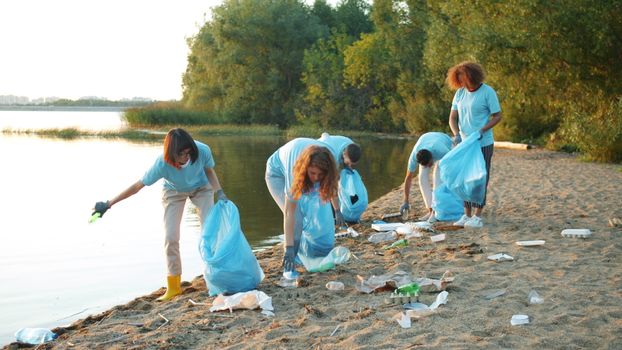
- Examples: Reforestation efforts, wildlife monitoring, marine conservation, sustainable agriculture initiatives.
- Key Elements: Strong partnerships with local conservation groups, community involvement in monitoring and management, and education programs for locals and visitors.
- Pro-Tip: Look for programs that involve locals in every stage, from planning to execution and long-term stewardship.
H3: Education & Skill Development
Empowering communities through education is a cornerstone of sustainable development.
- Examples: Teaching English, vocational training, digital literacy workshops, supporting school infrastructure.
- Key Elements: Programs designed in collaboration with local educators, focus on long-term learning and skill retention, and providing resources that are appropriate for the local context.
- Insider Language: This is about "knowledge transfer" and building local capacity, not just being a temporary substitute teacher.
H3: Community Health & Well-being
Projects that improve health outcomes and overall well-being within a community.
- Examples: Supporting local clinics, health education workshops, clean water initiatives, sanitation projects.
- Key Elements: Collaboration with local healthcare professionals, ensuring projects are culturally sensitive and sustainable, and empowering local health workers.
- Authenticity: Always ensure volunteers are qualified and working under the supervision of local professionals in sensitive areas like healthcare.
H3: Cultural Heritage Preservation
Helping to safeguard and celebrate unique cultural traditions and historical sites.
- Examples: Assisting with archaeological digs, documenting oral histories, supporting traditional craftspeople, helping to restore historical buildings.
- Key Elements: Deep respect for local heritage, working under the guidance of local historians and cultural experts, and ensuring the community benefits directly from tourism related to their heritage.
- Pro-Tip: Seek programs that involve local artisans in teaching traditional crafts to volunteers.
Navigating the Logistics: Making it Happen
As travel advisors, you'll be guiding clients through the practicalities. Here's a breakdown:
Quick Facts: Ethical Voluntourism Snapshot
| Feature | Details | | :----------------- | :---------------------------------------------------------------------------------------------------------------------------------------------------------------------- | | Estimated Costs ($) | $1,500 - $5,000+ per week (Varies greatly by destination, program length, and inclusions. Often includes accommodation, meals, program fees, and local transport.) | | Best Time to Visit | Varies by project & region. Dry seasons are often preferred for outdoor work. Research local festival calendars for cultural immersion opportunities. | | How to Get There | International flights to major hubs, followed by local transport (buses, vans, boats) to the project site. | | Accommodation | Homestays, community guesthouses, eco-lodges, simple volunteer housing. Emphasis on local integration. | | Visa Requirements | Varies by nationality and destination. Advise clients to check official government websites well in advance. | | Vaccinations | Consult a travel clinic based on destination and nature of work. |
Pro-Tips for Travel Advisors:
- Due Diligence is Paramount: Thoroughly vet organizations. Ask for references, read reviews (with a critical eye), and look for transparency.
- Client Matching: Understand your client's skills, interests, physical capabilities, and expectations. Not every project is right for every person.
- Manage Expectations: Clearly communicate that this is not a luxury vacation. It's about hard work, cultural immersion, and making a tangible contribution.
- Build Relationships: Connect with reputable organizations directly. The more you understand their work, the better you can advise your clients.
- Highlight the "Why": Emphasize the transformative power of ethical voluntourism for both the traveler and the community.
The Traveler's Toolkit: Packing for Purpose
Beyond the usual travel essentials, here's what to consider for an ethical voluntourism trip:
- Durable, modest clothing: Respectful attire is crucial. Think long pants, t-shirts, and comfortable walking shoes.
- Reusable water bottle and purification tablets/filter: Minimize plastic waste.
- Sunscreen and insect repellent: Protect yourself and the environment with eco-friendly options where possible.
- Small, practical gifts: Consider items that can be shared within the community, like educational books or art supplies, if appropriate and discussed with the program coordinators.
- An open mind and a willing heart: This is your most important travel companion.
The Ripple Effect: Why This Matters
When voluntourism is done right, the impact is profound. It's not just about the immediate project completion; it’s about:
- Empowering local economies: By supporting local businesses and artisans.
- Building sustainable infrastructure: Projects that are maintained and utilized long after volunteers depart.
- Fostering cultural understanding: Creating bridges between different cultures and breaking down stereotypes.
- Inspiring future generations: Both for the local community and for the volunteers who return home with a renewed sense of purpose.
I remember a conversation I had with a woman named Elena in a small village in Ecuador. She was part of a women's cooperative that had received training and resources through a local NGO focused on sustainable agriculture. She spoke with such pride about the new crops they were growing and the increased income their families were earning. Her smile, illuminated by the late afternoon sun, was more beautiful than any sunset I had ever witnessed. That, my friends, is the true essence of voluntourism that actually helps communities. It’s about these quiet moments of shared success, these tangible improvements in daily life, and the genuine human connections forged along the way.
As travel advisors, you have the power to guide your clients towards these transformative experiences. By championing ethical voluntourism, you're not just selling trips; you're facilitating meaningful change and creating a more connected, compassionate world, one journey at a time.
More pictures


Tags
Share this guide
We may earn a commission if you click a link and buy a product or service, at no extra cost to you. How affiliate links work.
Been there?