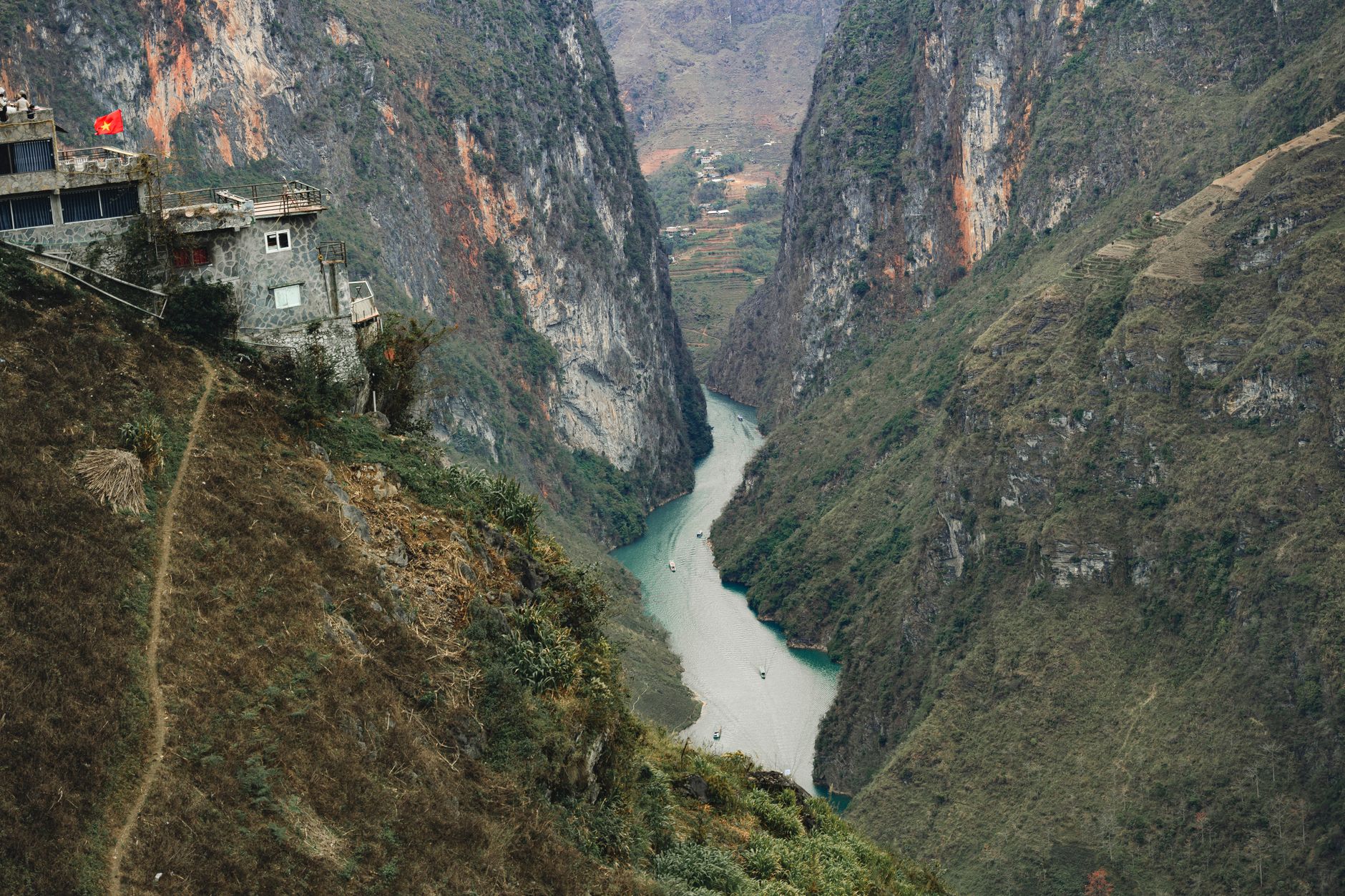
Many quieter viewpoints offer views comparable to famous photo spots, with fewer crowds and more time to look. This guide explains how to research them, plan safe visits and behave respectfully where people live and work.
Some of the most photographed viewpoints in the world are famous for good reason, but they can also be crowded, noisy and difficult to enjoy. Queues for a single frame, limited space at the railing and short visiting windows can make a famous lookout feel more like a checkpoint than a place to pause. Many quieter lookouts offer comparable views, sometimes from different angles that show the landscape in a new light.
These spots may be found on local trails, in parks, along scenic roads or on the edges of towns. They are often less documented, which makes research more important. This guide explains how to find them reliably, plan visits that are safe and legal, and treat them with the care that they and the communities nearby deserve.
Why less famous viewpoints can be rewarding
A quieter viewpoint allows more time to look at the landscape rather than queuing for a photograph. It may reveal the surrounding geography, villages, farmland or coastline in context, and it often shows how the land is actually used. Less visited places can also feel more connected to everyday local life, with the sounds of work, animals and weather more present than crowds.
The trade-off is that these places often have fewer facilities, such as toilets, shelters, benches or signs. They may also be harder to reach and less predictable in terms of access. Preparation therefore matters more, and it is worth deciding in advance whether the quieter experience justifies the extra effort.
Researching viewpoints reliably
Local tourism offices, hiking maps, park websites, regional guidebooks and community noticeboards are reliable starting points. Park rangers and visitor center staff often know which routes are open and which are better avoided. Ask them directly about current conditions, rather than relying on dated posts or screenshots from earlier seasons.
Use satellite imagery and terrain maps to understand distance, elevation gain and the direction of light. Check whether a route passes through private land or protected habitat, and whether the path is marked. Be cautious of unverified online posts, and confirm that a route is legal and accessible before committing, since some lookouts have been closed to protect residents or wildlife.
Planning access, safety and timing
Consider the difficulty of the approach, the time needed and the weather. Some viewpoints require steep climbs, scrambling or travel over unstable ground, while others can be reached by a short walk or a road. Estimate the return time carefully, since fatigue and fading light make descents harder than ascents.
Plan for sunrise or sunset only if you know the route in daylight, and carry a headlamp. Tell someone your plan, check the forecast and turn back if conditions change. Fog, wind, lightning and slippery rock can make even a familiar lookout hazardous, so treat weather warnings as a firm reason to postpone.
Respecting land and communities
Many viewpoints are on private land, grazing areas, protected habitats or residential streets. Respect fences, closure signs and any requests from landowners. Keep noise low, park considerately so that driveways and access roads remain clear, and avoid gathering in ways that block paths or disturb wildlife. Residents may see visitors every day, so courtesy goes a long way.
Take all litter home and use toilets where they are provided. Avoid stepping onto fragile vegetation to get a better angle, since footpaths protect both plants and people. If you plan to fly a drone, check local rules first, as flights can be restricted near residential areas, wildlife reserves and some scenic sites.
Making the most of the view
Arrive early, bring a simple map and take time to identify features in the landscape. Notice how light changes across the hours and how weather shapes the scene. Clouds, haze and shifting shadows can transform the same view within a short period, so a single visit may reveal only part of the picture.
A short sketch, a written note or a few minutes of quiet attention can deepen the experience. Many visitors find that paying attention to sound and smell adds as much as the visual. Consider returning at a different time of day or season to see how the view transforms and to understand the rhythms of the land.
A decision framework for choosing a viewpoint
Ask four questions before setting out. First, is the route open and legal today, according to official sources? Second, does the approach match your fitness, your time and the available daylight? Third, are the weather and conditions suitable for the level of exposure involved? Fourth, will your presence respect the land and the people who live or work nearby? If any answer is uncertain, choose another lookout or a different time.
This approach suits walkers and photographers who enjoy planning, and those who value quiet and context over convenience. It is less suitable for people with limited mobility, for anyone who needs facilities nearby, and for travelers who are not willing to turn back when conditions change.
Common mistakes to avoid
A frequent mistake is trusting an old route description without checking for closures, landslides or erosion. Another is underestimating the time needed for the return, particularly after sunset. Some visitors also rely on a phone map without a backup, which can fail in areas with weak signal or when batteries run low.
Overcrowding at a quieter spot is another issue, especially when a lookout is shared widely on social media. Groups that park across driveways or leave litter can damage the goodwill that allows public access to continue. Finally, many people forget to bring water, layers and a headlamp, and discover too late that a short walk has become a longer one.
What to check before you go
Check trail and road status from official sources, including park authorities, local councils and transport operators. Confirm the forecast for wind, rain, visibility and temperature at the altitude you will reach. Look for signs at the trailhead and note any requirements, such as permits or timed access, that may apply.
Carry water, layers, a headlamp, a basic first-aid kit and a charged phone with an offline map. Tell someone where you are going and when you expect to return. If you plan to photograph people or private property, follow local rules and ask permission where appropriate.
Who these viewpoints suit and who they do not
Quieter viewpoints can suit walkers, photographers, sketchers, families with older children and anyone who enjoys slow, observant travel. They can also appeal to visitors who want to understand a landscape in its everyday setting rather than treat it as a backdrop for a single photograph.
They are less suitable for people who need step-free access, nearby facilities or reliable phone coverage, and for visitors who are uncomfortable with uncertain routes or changing weather. In those cases, a well-managed public lookout with seating and information may be the better option.
Frequently asked questions
Are unfamiliar viewpoints safe to visit? Safety depends on the route, the weather and your preparation. Choose routes confirmed by official sources, and treat unverified information with caution.
How do I avoid trespassing? Check land ownership and access rules, respect signs and fences, and stay on marked paths. If a route is unclear, ask local authorities or staff before setting out.
What is the best time to visit? Early morning and late afternoon often give good light and fewer people, but the best time depends on the landscape, the season and the safety of the route.
Viewpoints beyond the famous photo spots can offer generous rewards, from wide landscapes to quiet moments of reflection. Careful research, realistic planning and respect for the land and the people who live nearby will help make these lookouts enjoyable for visitors and sustainable for the places they overlook.
More pictures

Tags
Share this guide
We may earn a commission if you click a link and buy a product or service, at no extra cost to you. How affiliate links work.
Been there?