
Stop scrolling through flight deals you can’t afford. Your city is a labyrinth of forgotten history, neon-lit fire escapes, and Brutalist masterpieces hiding in plain sight. This is the definitive guide to becoming a tourist in your own zip code, finding the "glitch in the matrix" of your daily commute, and uncovering the secret urban exploration adventures in your own city right now. ---
The Hook: The Day the Concrete Spoke Back
I stepped off the 4:15 PM train, the same one I’ve taken for three years, but instead of turning right toward my apartment, I turned left into an alleyway that smelled of rain-slicked asphalt and roasted coffee beans. My boots crunched over gravel that hadn’t been disturbed since the 90s. Above me, the skeletal remains of a Victorian-era fire escape cast long, jagged shadows against a brick wall covered in a decade’s worth of wheat-pasted posters.
I wasn't in a new country. I was three blocks from my grocery store.
The air felt different here—cooler, stiller, charged with the electricity of the unknown. I realized then that I hadn’t been living in a city; I’d been living in a curated loop. Urban exploration (Urbex) isn't just about breaking into abandoned asylums; it’s about the psychological shift of seeing the "negative space" of your environment. It’s about finding the beauty in the rust and the stories in the silence.
1. Verticality: The Rooftop Reconnaissance
Most people experience a city at eye level. To truly see it, you need to change your Z-axis. Rooftoping is the crown jewel of urban exploration adventures in your own city right now. I’m not talking about $20-a-cocktail rooftop bars. I’m talking about the parking garages with the "Authorized Personnel Only" signs that are actually left unlocked 90% of the time.
Pro-Tip: Use Google Earth’s 3D view to scout flat-roofed buildings with accessible external staircases. Look for "mechanical penthouses"—those boxy structures on top of buildings. They often house the best views and are rarely monitored.
When you get up there, don't just take a selfie. Watch the way the traffic lights pulse like a digital heartbeat. Notice the "roof gardens" that are just patches of stubborn moss and wildflowers reclaiming the concrete. That’s the city breathing.
2. Subterranean Secrets: The World Below the Asphalt
Every major city is built on top of a previous version of itself. There are utility tunnels, abandoned subway platforms, and forgotten basement vaults everywhere. These are the veins of the urban beast.
Finding these requires a bit of "industrial archaeology." Look for heavy iron manhole covers with specific markings (like "Telegraph" or "Water Works") or ventilation grates that exhale warm, metallic-smelling air.
Pro-Tip: Check your local library’s digital archives for maps from the 1920s. You’ll often find "ghost stations" or tunnels that were decommissioned but never filled in. The entrance is often behind a nondescript blue door in a public park or tucked under a bridge bypass.
3. Industrial Ghosts: The Rust and the Glory
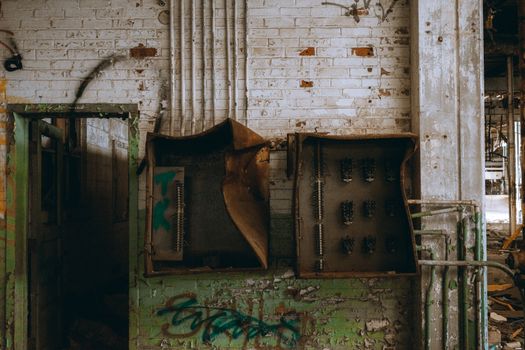
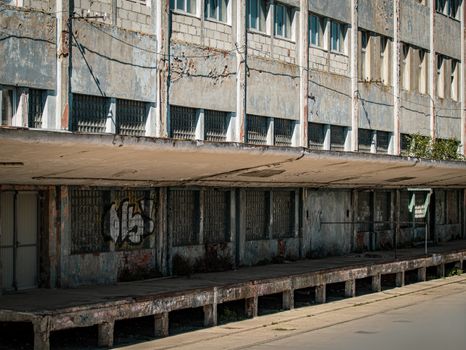
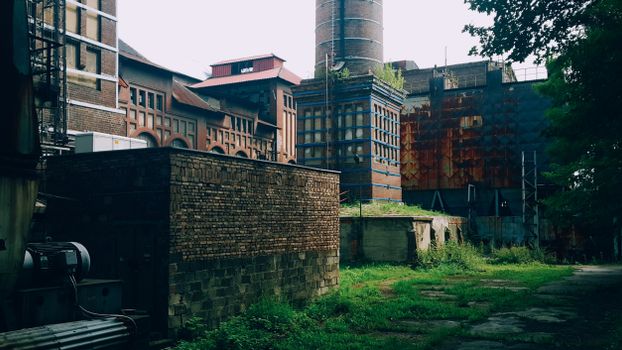
The "In-Between" spaces—old grain silos, decommissioned power plants, or even just a boarded-up laundromat—are where the city’s history is most tactile. I recently explored an old textile mill on the edge of town. The smell was a mix of oxidized iron and damp cedar.
Inside, the light filtered through broken panes of wired glass, creating "god rays" that illuminated swirling dust motes. It wasn't "creepy"; it was a cathedral of industry.
The Insider Rule: Take nothing but pictures, leave nothing but footprints. If you find a door that's locked, don't break it. If you find one that’s ajar, that’s an invitation from the universe.
4. The Digital Scout: Using Tools to Find the Untraceable
You don't need a map; you need an obsession. To find urban exploration adventures in your own city right now, you have to use digital tools differently:
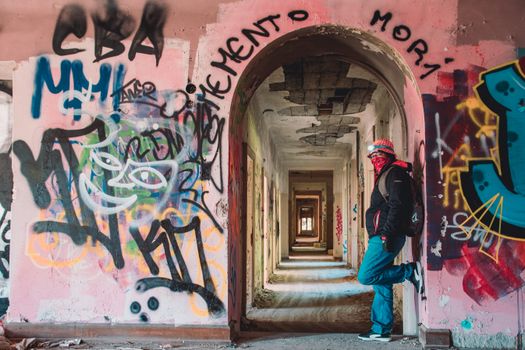
- Instagram Geotags: Search for generic tags like #CityExploration or #Urbex[YourCity]. Look at the background of the photos, not the subject. Can you identify that specific graffiti tag or that unique bridge architecture?
- Flickr Groups: Old-school photographers still use Flickr to dump high-res shots of abandoned spots. The metadata often contains GPS coordinates if they forgot to strip them.
- Wikimapia: It’s like Wikipedia for maps. Users often mark "abandoned" or "ruined" buildings that Google Maps ignores.
5. The Night Shift: Re-lighting the Familiar
The city you know at 2 PM is a completely different animal at 2 AM. Night exploration turns a mundane street into a noir film set. The orange hum of high-pressure sodium lamps (now being replaced by cold, clinical LEDs—catch the orange while you can!) creates a high-contrast world of deep shadows.
Pro-Tip: Visit the financial district on a Sunday night. It’s a ghost town of glass and steel. The silence is heavy, and the scale of the architecture feels ten times more imposing when there are no crowds to dilute the impact.
6. The Ethics and Logistics of the Urban Explorer
Let’s be real: urban exploration carries risks—legal, physical, and social. To do this right, you need to be a "ghost."
Quick Facts: The Explorer’s Cheat Sheet
| Category | Detail | Pro-Tip | | :--- | :--- | :--- | | Estimated Cost | $0 - $15 | Mostly just transit and a good flashlight. | | Best Time to Visit | 5:00 AM (Golden Hour) | Security is tired; the light is cinematic. | | Essential Gear | Headlamp, sturdy boots, external battery. | Wear "grey man" clothing—nothing too tactical or bright. | | Legal Status | Grey Area | "Trespassing" is a risk. Always have an excuse (e.g., "I'm a photography student"). | | How to get there | Public Transit + Walking | Park your car 10 blocks away to avoid drawing attention. |
7. The "Micro-Adventure" Mindset
You don't need a weekend; you need an hour. Start with "The Alleyway Challenge." On your way home, take every alleyway that runs parallel to your main street. You’ll find secret gardens, incredible murals that aren't on any "top 10" list, and perhaps a small, windowless bar that serves the best pierogis you’ve ever tasted.
Urban exploration is a rebellion against the algorithm. It’s a way to say, "I refuse to only see what I'm told to see."
Final Thoughts: Your City is a Story
When you return from an urban exploration adventure in your own city, you’ll find that the mundane has lost its power over you. That boring office building is now a challenge; that vacant lot is a museum of urban succession.
The city isn't just a place where you live. It’s a living, breathing, decaying, and regenerating organism. Go find its heartbeat.
---
More pictures

Tags
Share this guide
We may earn a commission if you click a link and buy a product or service, at no extra cost to you. How affiliate links work.
Been there?