Forget apples and bananas – a world of extraordinary flavors awaits! Join us on a vibrant journey to discover seven unusual fruits, trending globally, that promise to challenge your palate and ignite your wanderlust, proving that the best souvenirs are often edible. Prepare to add these incredible tastes to your travel bucket list! ---
The World's Wildest Flavors: Your Ultimate Guide to Trending Exotic Fruits
The humid air of a bustling Thai market clung to me like a second skin, thick with the scent of spices, street food, and something… else. Something undeniably potent, a smell that had been whispered about, warned against, and yet, also revered. I traced it to a stall overflowing with formidable, spiky green orbs. This, my friends, was my first encounter with Durian, the infamous "King of Fruits." My travel buddy, Maya, was already pinching her nose, but my curiosity, as always, won. That moment, standing amidst the chaos and the cloying sweetness, biting into a fruit that defied all expectations, cemented a truth I’ve lived by ever since: the wildest, most memorable travel experiences often come wrapped in a peel.
Welcome back to Tripsora, fellow adventurers! If you’re anything like me, your travel itinerary isn’t just about ancient ruins or pristine beaches – it’s a meticulously planned culinary quest. And lately, the internet (and my taste buds!) have been buzzing about an incredible array of fruits so unique, so regional, and so utterly delicious that they’re becoming destinations in themselves. These aren't just snacks; they're stories, sensory explosions, and a testament to the incredible biodiversity of our planet.
Today, we’re diving headfirst into the vibrant world of unusual fruits you can only find in certain countries, the ones currently trending on every adventurous food blogger’s feed. Get ready to bookmark this post, because these are the flavors that will define your next epic trip!
1. The King of Controversy: Durian (Southeast Asia)
Let's kick things off with the fruit that started my obsession: the Durian. Hailing from Southeast Asia – particularly Malaysia, Thailand, and Indonesia – this spiky behemoth isn't just a fruit; it's an experience, a rite of passage, and often, a love-hate relationship.
My Personal Anecdote: That first bite in the Chatuchak Weekend Market in Bangkok was a revelation. Despite the potent, almost onion-like aroma that had Maya running for cover, the creamy, custardy flesh that melted on my tongue was unlike anything I'd ever tasted. It was sweet, savory, slightly alcoholic, and incredibly rich. I understood then why it's banned from hotels and public transport across the region – its fragrance is legendary!
What Makes it Trending: Durian has always been popular locally, but its increasing presence in global food trends (think durian desserts, durian pizza, durian coffee!) and its sheer "try it if you dare" reputation make it a social media darling. People love to share their reactions, good or bad!
Where to Find It & Price:
- Thailand: Chanthaburi is known as the "Durian Capital," but you'll find excellent varieties in Bangkok (Or Tor Kor Market, street vendors), Phuket, and Chiang Mai. The Monthong variety is most common.
- Malaysia: Penang, Raub (Pahang), and Johor are famous for their Durian orchards. Look for Musang King (Mao Shan Wang) and D24 varieties – they're pricier but worth it.
- Indonesia: Medan (Sumatra) and Bali offer great local selections.
Prices vary wildly by season and variety. A whole Monthong in Thailand might be $5-15 USD, while a premium Musang King in Malaysia could fetch $30-50 USD or more for a whole fruit. Eating it at a dedicated durian stall or farm is the best way to get fresh, perfectly ripe fruit.
Practical Tip: Don't judge a book by its cover, or a fruit by its smell! If you're a first-timer, ask the vendor for a less pungent, sweeter variety like Monthong. Eat it fresh and cold. Bring wet wipes and be prepared for sticky fingers!
Instagram-Worthy Moment: A photo of you (bravely!) holding a whole spiky durian, or a close-up of its creamy, yellow flesh. The "before and after" reaction shots are gold!
2. The Royal Sweetness: Mangosteen (Southeast Asia)
After the intensity of Durian, there’s a reason why the Mangosteen is often called the "Queen of Fruits." It’s the perfect, elegant antidote.
My Personal Anecdote: On that same trip to Thailand, after my Durian adventure, a kind vendor handed me a small, dark purple orb. "Eat this," she smiled, "it cleanses the palate." Breaking open the thick rind revealed pristine white segments, like garlic cloves but impossibly delicate. The taste? A sublime balance of sweet and tart, juicy and fragrant – pure tropical bliss. It was instantly my favorite fruit.
What Makes it Trending: Mangosteen's delicate flavor, beautiful appearance, and purported health benefits (antioxidants!) have made it a favorite among health-conscious foodies and those seeking a less intimidating exotic fruit experience. It’s also often paired with Durian, creating a delicious yin-yang narrative.
Where to Find It & Price:
- Thailand: Widely available in markets across the country (Bangkok, Phuket, Chiang Mai).
- Malaysia: Penang, Langkawi, and local markets.
- Indonesia: Bali, Java, and Sumatra.
Mangosteens are seasonal, typically peaking from May to August. They're usually very affordable, often just a few dollars per kilo.
Practical Tip: To open, gently squeeze the middle until the rind cracks, then twist apart. Don't press too hard, or the purple juice can stain your clothes! The number of petals on the bottom of the fruit indicates the number of segments inside.
Instagram-Worthy Moment: A flat lay of a perfectly opened mangosteen, showcasing its vibrant purple rind and pristine white flesh. Or a candid shot of you enjoying its juicy sweetness.
3. The Taste Transformer: Miracle Berry (West Africa / Florida)
Prepare for a fruit that doesn't just taste good, but actively changes your perception of taste. The Miracle Berry (Synsepalum dulcificum) is a small, unassuming red berry that contains a glycoprotein called miraculin, which temporarily binds to your taste buds and makes sour foods taste sweet.
My Personal Anecdote: I first encountered the Miracle Berry at a "flavor tripping" party in Miami, where a friend had sourced fresh berries from a local farm. We popped a berry in our mouths, chewed it for a minute, and then began sampling various foods: lemons, vinegar, goat cheese, beer. A lemon tasted like lemonade, vinegar like apple juice, and plain yogurt became a decadent dessert. It was mind-bending, hilarious, and utterly unforgettable.
What Makes it Trending: The "flavor tripping" phenomenon has made Miracle Berry a viral hit. It's not just a fruit; it's an interactive culinary experiment that's perfect for parties, unique dining experiences, and social media challenges.
Where to Find It & Price:
- West Africa: Native to Ghana and Nigeria, where it's traditionally used to sweeten fermented foods. You'd need to visit local markets in these regions for fresh berries.
- USA: Specialized farms in Florida and California cultivate them. You can often buy them online in fresh, frozen, or tablet form (though fresh is best for the full experience).
Fresh berries can be quite pricey due to their delicate nature and short shelf life, often $1-3 USD per berry. Tablets are more affordable but less potent.
Practical Tip: Chew the berry thoroughly for about 60 seconds, ensuring it coats all your taste buds, then swallow. Immediately start experimenting with sour foods: lemons, limes, grapefruit, vinegar, unsweetened cranberry juice, plain yogurt, sour candies. Avoid hot beverages right after, as they can deactivate the miraculin.
Instagram-Worthy Moment: A carousel of "before and after" reaction shots as you taste various sour foods after eating the berry. A close-up of the tiny, vibrant red berry.
4. Nature's Tree Candy: Jabuticaba (Brazil)
Imagine a tree trunk adorned not with leaves, but with hundreds of dark, glossy berries. That's the magical sight of a Jabuticaba tree in full bloom and fruit. This unique fruit grows directly on the bark of its host tree, a phenomenon called cauliflory.
My Personal Anecdote: While exploring a small farm in Minas Gerais, Brazil, I literally stopped in my tracks. The tree looked like something out of a fairy tale, its trunk and branches covered in what appeared to be giant, purple-black grapes. My host plucked a handful, rinsed them, and offered them to me. The skin was slightly tough, but the pulp inside was sweet, juicy, and incredibly aromatic, with notes of grape, lychee, and even a hint of jasmine. It was like eating candy straight from the tree.
What Makes it Trending: Its visually stunning growth pattern makes it an instant hit on social media and a unique draw for agritourism in Brazil. Its delicious flavor and versatility (jams, wines, liqueurs) also contribute to its growing popularity beyond its native lands.
Where to Find It & Price:
- Brazil: Predominantly found in the states of Minas Gerais, São Paulo, and Rio de Janeiro. Look for them in local markets, especially during the peak harvest season (typically late spring to early summer, but can fruit multiple times a year). Many farms offer "colhe e pague" (pick and pay) experiences.
Jabuticaba is relatively inexpensive when in season and purchased directly from farms or local markets. Expect to pay a few dollars per kilo.
Practical Tip: Eat them fresh! Just pop them in your mouth, gently bite through the skin, and enjoy the sweet pulp. The skin is edible but can be slightly tart or bitter for some. They have a short shelf life, so enjoy them quickly. They also make fantastic jams, jellies, and even a unique Jabuticaba wine.
Instagram-Worthy Moment: A stunning photo of a Jabuticaba tree covered in fruit. A close-up of the glossy berries on the trunk. A video of you picking and eating them directly from the tree!
5. Citrus Caviar: Finger Lime (Australia)
Move over, regular limes! The Finger Lime is a gourmet's dream, a truly unique citrus fruit that yields tiny, spherical pearls of juice, earning it the nickname "citrus caviar."
My Personal Anecdote: I first encountered Finger Limes in a high-end restaurant in Sydney. The chef used them to garnish an oyster dish, and the burst of tangy, aromatic juice from each tiny pearl was an explosion of flavor and texture. Intrigued, I sought them out at a local farmer's market. The fruit itself is elongated, almost like a gherkin, with a rough, often colorful skin. Slicing it open and squeezing out the "caviar" felt like harvesting tiny jewels.
What Makes it Trending: Its unique texture and visual appeal have made Finger Lime a favorite among chefs and food stylists worldwide. It's a high-value ingredient that adds a sophisticated, zesty pop to everything from seafood to cocktails, making it a trending item in the culinary world.
Where to Find It & Price:
- Australia: Native to the rainforests of Queensland and New South Wales. You can find them at specialty farmer's markets, gourmet food stores, and some supermarkets in Australia.
- International: Due to its popularity, it's now cultivated in limited quantities in California (USA) and other regions. You might find them in high-end grocery stores or through specialty produce suppliers globally.
Finger limes are typically expensive, ranging from $5-15 USD for a small punnet, depending on location and season.
Practical Tip: To extract the pearls, slice the lime in half lengthwise and gently squeeze or scoop out the juice vesicles. They are fantastic with oysters, grilled fish, avocado toast, salads, or as a garnish for cocktails and desserts. The flavor is a bright, zesty lime with subtle herbaceous notes.
Instagram-Worthy Moment: A close-up of the vibrant "caviar" pearls glistening in a dish. A flat lay showcasing the colorful varieties of finger limes (green, red, yellow). A video demonstrating how to extract the pearls.
6. The Scaly Surprise: Salak (Snake Fruit) (Indonesia / Southeast Asia)
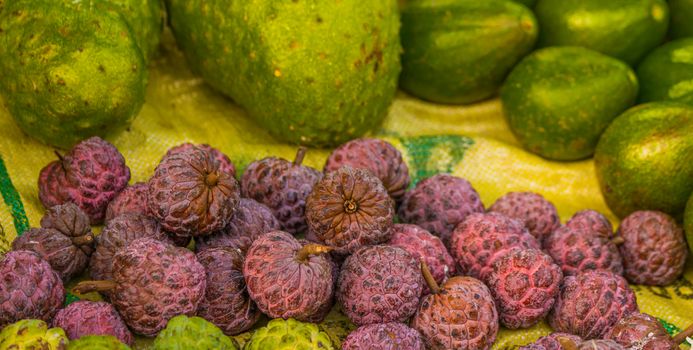
Don't let the intimidating, reddish-brown, scaly skin of the Salak, or Snake Fruit, deter you. Beneath its reptilian exterior lies a sweet, crunchy, and surprisingly refreshing treat.
My Personal Anecdote: During my travels through Bali, these bizarre-looking fruits were everywhere. I hesitated, thinking they might be tough or bitter. But a local vendor, seeing my curiosity, demonstrated how to peel one. The skin peeled away easily to reveal three pale yellow-white lobes. The first bite was a revelation: crisp like an apple, sweet like a pear, with a slight tartness and a unique, almost nutty aroma. It quickly became my go-to snack.
What Makes it Trending: Its distinctive appearance makes it an instant conversation starter and a visual standout. As more travelers explore Southeast Asia, Salak is gaining recognition for its unique texture and taste, becoming a must-try for adventurous eaters.
Where to Find It & Price:
- Indonesia: Particularly abundant in Bali (where the Salak Bali variety is famous) and Java. You'll find it in virtually every local market and fruit stall.
- Malaysia, Thailand: Also available in these countries, though less common than in Indonesia.
Salak is extremely affordable, often just a dollar or two per kilo, especially in Indonesia.
Practical Tip: To peel, gently pinch the tip of the fruit until the skin cracks, then peel it back like a hard-boiled egg. Be careful of the tiny, sharp spines on some varieties. The larger, single seed inside each lobe is not edible. Enjoy it fresh, or try it in fruit salads or even as a unique addition to savory dishes.
Instagram-Worthy Moment: A close-up of the intriguing scaly skin. A photo of the fruit peeled, showcasing its pale, segmented flesh. A shot of you enjoying it at a bustling market stall.
7. The Custard Apple Dream: Cherimoya (Andes / South America)
Often hailed as one of the world's most delicious fruits, the Cherimoya is a true delight from the Andes. Mark Twain reportedly called it "the most delicious fruit known to men."
My Personal Anecdote: My journey through Peru's Sacred Valley introduced me to this unassuming green fruit. It looked a bit like a bumpy, oversized artichoke. Our guide, a passionate foodie, insisted we try one. Slicing it open revealed a creamy, white pulp dotted with large black seeds. The taste was an incredible medley: a blend of pineapple, banana, mango, and strawberry, with a smooth, custard-like texture that truly earned its "custard apple" nickname. It was the perfect, refreshing end to a day of exploring ancient ruins.
What Makes it Trending: Its incredibly complex flavor profile and creamy texture have earned it a cult following among fruit enthusiasts and gourmet chefs. As South American cuisine gains global prominence, so too do its unique indigenous ingredients like the Cherimoya.
Where to Find It & Price:
- Peru, Ecuador, Bolivia: Native to the Andean highlands. You'll find the best and freshest varieties in local markets in these countries, especially during their peak season (typically late winter to early spring in the Southern Hemisphere).
- USA: Limited cultivation in California, often found in specialty markets or Asian grocery stores when in season.
- Spain: Andalusia is a major producer of Cherimoya.
Prices vary; in its native regions, it's quite affordable (a few dollars per fruit). In places like California or Europe, it can be significantly more expensive ($5-15+ per fruit).
Practical Tip: Choose a fruit that is slightly soft to the touch, like a ripe avocado. Chill it, then simply slice it in half or quarters and scoop out the creamy flesh with a spoon. Discard the black seeds, as they are toxic. It’s best eaten fresh, but also makes fantastic smoothies and desserts.
Instagram-Worthy Moment: A beautiful cross-section of the fruit, showing its creamy white flesh and dark seeds. A shot of you enjoying it with a stunning Andean backdrop.
Your Next Bite-Sized Adventure Awaits!
There you have it, fellow travelers – a tantalizing taste of the world's most trending and unusual fruits. Each one offers more than just a flavor; it’s a story, a connection to a culture, and a memory waiting to be made. These fruits challenge our perceptions of what fruit "should" be, pushing us out of our comfort zones and rewarding us with unforgettable sensory experiences.
So, the next time you're planning a trip, think beyond the landmarks and add a fruit-hunting expedition to your itinerary. Seek out these incredible, edible treasures in their native lands. Trust me, the thrill of discovering a new, mind-blowing flavor is a travel experience unlike any other.
What's the wildest, most unforgettable fruit you've ever tried on your travels? Share your stories and recommendations in the comments below! And don't forget to tag #TripsoraFruitQuest in your Instagram posts! Happy travels, and happy tasting!
---
More pictures

Tags
Share this guide
We may earn a commission if you click a link and buy a product or service, at no extra cost to you. How affiliate links work.
Been there?