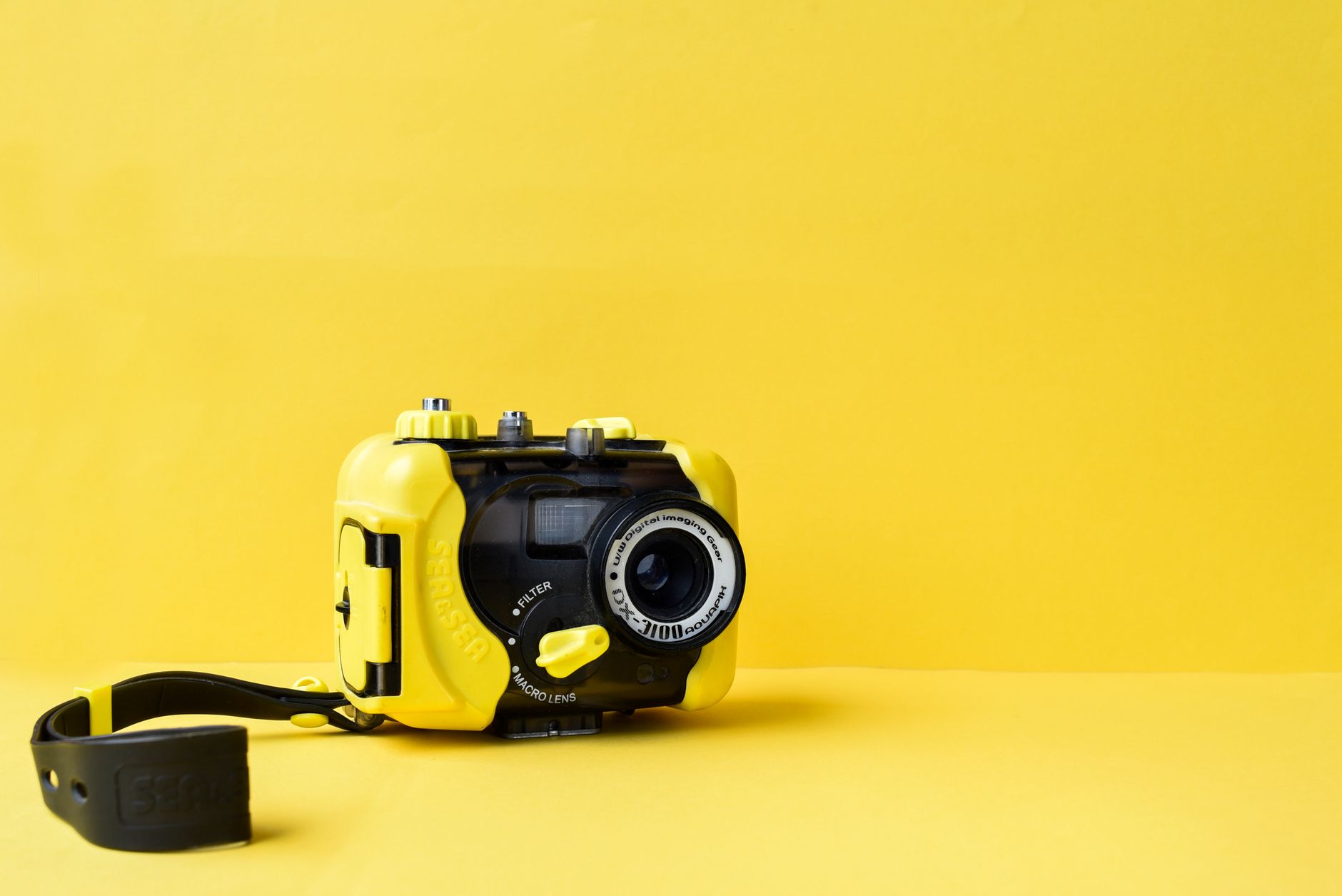
Ever dreamt of capturing the vibrant secrets beneath the waves? This guide unveils the best underwater photography gear for beginners, proving you don't need a pro budget to snag those mind-blowing shots. Get ready to transform your next dive into an epic photo safari! ---
The first time I came face-to-face with a manta ray in the Maldives, gliding effortlessly through the cerulean expanse, a single thought consumed me: I need to capture this. Not just for myself, but to share that breathtaking moment, that silent ballet, with everyone. My heart pounded with a mix of awe and frustration. All I had was my trusty point-and-shoot in a flimsy waterproof bag, which promptly fogged up, leaving me with blurry, unidentifiable blobs. The magic was there, but my camera was not.
Sound familiar? That feeling of witnessing something truly extraordinary underwater – a psychedelic nudibranch, a playful sea turtle, or a kaleidoscopic reef – and wishing you could freeze that moment in time, perfectly, vibrantly. For years, the world of underwater photography felt like an exclusive club, reserved only for seasoned pros with gear worth more than my car. The sheer complexity, the seemingly astronomical prices, the fear of ruining expensive equipment – it all felt incredibly daunting.
But what if I told you that capturing mind-blowing underwater photos, even as a complete beginner, is not only possible but also surprisingly accessible? Forget the intimidating setups and the five-figure price tags. Today, the market is brimming with fantastic, user-friendly, and surprisingly affordable gear that will let you dive into this incredible hobby headfirst.
As a travel blogger for Tripsora, I’ve explored some of the world’s most incredible dive sites, from the vibrant reefs of Raja Ampat to the shark-filled waters of Fuvahmulah. And through countless dives, mistakes, and triumphant shots, I’ve learned that the best gear isn’t always the most expensive. It’s the gear that empowers you to tell your story. So, let’s dive deep into the beginner-friendly underwater photography gear that will genuinely blow your mind, turning your blurry blobs into brilliant masterpieces!
The Entry Point: Smartphones & Action Cameras – Your First Splash
Let’s be honest: you probably already own a fantastic camera – your smartphone! And for many, the journey into underwater photography begins right here.
Your Smartphone: More Capable Than You Think
Modern smartphones, like the latest iPhones or Samsung Galaxies, boast incredible camera sensors and powerful processing. The key to taking them underwater safely and effectively? A robust housing.
- The Gear:
- Universal Housings: Brands like SeaLife SportDiver or AxisGO (for iPhones) offer durable, waterproof housings that allow you to use your phone’s native camera app or their dedicated apps. These often connect via Bluetooth, giving you full control over settings like exposure, white balance, and even switching between lenses (if your phone has multiple).
- Cost: Housings range from $150-$350.
- Pros:
- Convenience: You already own the camera!
- Instant Sharing: Edit and share your photos directly from your phone after the dive.
- Ease of Use: Familiar interface, minimal learning curve.
- Cons:
- Depth Limits: Most housings are rated for 40-60 meters, which is ample for recreational diving, but always check.
- Limited Controls: While apps offer some control, they can't match dedicated cameras for advanced settings or lens options.
- Battery Life: Phone battery can drain quickly with the screen on and Bluetooth active.
- My Take: I once saw a diver in Cozumel capture stunning close-ups of an octopus using just his iPhone 13 Pro in a SeaLife SportDiver. The clarity and color were impressive, especially with a small video light attached. It’s a fantastic starting point for snorkelers and casual divers. Just remember to put your phone in airplane mode to save battery and avoid distractions!
Action Cameras: The Rugged All-Rounder (Hello, GoPro!)
For many, the GoPro is synonymous with action and adventure, and for good reason. These compact, rugged cameras are built for extremes, making them perfect for underwater escapades.
- The Gear:
- GoPro Hero Series: Models like the Hero 9, 10, 11, or 12 Black are excellent choices. They come waterproof out of the box (typically to 10m/33ft), but for deeper diving, you'll need a dedicated dive housing (rated for 60m/196ft).
- Accessories: A red filter (for color correction in shallow water), a tray with handles (for stability), and a small video light will significantly enhance your shots.
- Cost: GoPro cameras range from $250-$450. Dive housings are typically $50-$70. Filters and basic trays are another $50-$150.
- Pros:
- Incredibly Durable: Built to withstand knocks and drops.
- Excellent Video: GoPros excel at capturing smooth, high-resolution video.
- Wide-Angle Lens: Great for capturing expansive reefscapes or large marine animals.
- Small & Lightweight: Easy to travel with.
- Cons:
- Small Sensor: Struggles in low light conditions, leading to noisy images without external lighting.
- Fixed Lens: No optical zoom or interchangeable lenses, limiting versatility for macro shots.
- Limited Manual Control: Less control over settings compared to dedicated cameras.
- My Take: My first truly "shareable" underwater photos came from a GoPro Hero 7 Black in a dive housing, exploring the shipwrecks of Coron, Philippines. While the still photos weren't always perfect, the video footage was incredible, capturing the eerie beauty of the wrecks and the vibrant fish life around them. For capturing wide-angle action and stunning 4K video, a GoPro is an unbeatable entry point.
The Step Up: Compact Cameras – Your First "Real" Underwater Camera
If you’ve outgrown your smartphone or GoPro’s limitations and are ready for more control and better image quality without breaking the bank, a rugged compact camera is your next best friend. These cameras strike a fantastic balance between performance, size, and cost.
The Undisputed King: Olympus Tough TG-6
If you ask any seasoned underwater photographer for a beginner recommendation, the Olympus Tough TG-6 (or its predecessors like the TG-5) will almost always be at the top of the list. And for good reason!
- The Gear:
- Olympus TG-6: This camera is waterproof to 15m (50ft) out of the box, crushproof, shockproof, and freezeproof. It boasts a bright f/2.0 lens, excellent macro capabilities, and multiple underwater white balance modes.
- Olympus PT-059 Housing: For deeper dives (up to 45m/147ft), this dedicated housing is robust and allows access to all camera controls.
- Accessories: Consider a wide-angle wet lens (like the WWL-1 or UW-L100 from brands like Nauticam or Inon) for expansive reef shots, or a macro wet lens for tiny critters. A small strobe or video light will dramatically improve color and clarity.
- Cost: TG-6 camera: $400-$500. PT-059 Housing: $300-$400. Wet lenses: $200-$1000+. Basic strobe/light: $300-$600.
- Pros:
- Exceptional Macro: The TG-6's microscope mode is legendary for capturing intricate details of nudibranchs, gobies, and other tiny creatures.
- Great Image Quality: Produces sharp, vibrant images, especially when paired with a light source.
- Durable & User-Friendly: Designed for adventure, it’s intuitive to use and forgiving of minor bumps.
- RAW Capture: Allows for more flexibility in post-processing.
- Cons:
- Small Sensor: Like GoPros, it can struggle in very low light without external illumination.
- Limited Zoom Underwater: Optical zoom is restricted when inside the housing.
- My Take: The TG-6 was my personal game-changer. On a trip to Komodo National Park, I finally felt like I was capturing the true vibrancy of the reefs. The macro mode allowed me to photograph the tiniest pygmy seahorses and clownfish in anemones with astonishing detail. It's truly a powerhouse for its size and price, making it the best bang-for-your-buck option for aspiring underwater photographers.
Other Excellent Compacts: Canon PowerShot G7X Mark III
For those seeking slightly larger sensors and more manual control than the TG-6, cameras like the Canon PowerShot G7X Mark III are fantastic alternatives.
- The Gear:
- Canon G7X Mark III: Features a 1-inch sensor (larger than the TG-6), offering better low-light performance and shallower depth of field. It also excels at video.
- Housings: Brands like Fantasea or Ikelite make excellent custom housings for the G7X series.
- Cost: G7X Mark III camera: $600-$700. Housings: $400-$800.
- Pros:
- Larger Sensor: Better image quality, especially in challenging lighting.
- More Manual Controls: Offers greater creative flexibility for experienced photographers.
- Excellent Video: A strong contender for videographers.
- Cons:
- Less Rugged: Not waterproof or shockproof out of the box, relying entirely on the housing.
- Higher Price Point: Both the camera and its housings are generally more expensive than the TG-6 setup.
- My Take: While I personally leaned into the TG-6's ruggedness and macro prowess, I’ve seen divers with the G7X Mark III produce stunning wide-angle reef shots and portraits of larger marine life, especially when paired with external strobes. If you value manual control and superior image quality over extreme ruggedness, this is a brilliant choice.
The Essential Underwater Photography Toolkit: Beyond the Camera
Having a great camera is only half the battle. To truly elevate your underwater photography, you'll need a few crucial accessories. Think of these as the supporting cast that helps your camera shine.
1. The Indispensable Underwater Housing
This is non-negotiable for any camera not designed for deep diving. Your housing is your camera's life support system.
- What to Look For:
- Depth Rating: Ensure it meets or exceeds your planned diving depth.
- Material: Polycarbonate (lighter, more affordable) or aluminum (more durable, pricier).
- Controls: Can you access all essential camera functions easily?
- Ports: Does it support wet lenses for wide-angle or macro?
- Brands: Olympus (for TG series), Fantasea, Ikelite, Nauticam (high-end, but some compact housings are available).
- My Take: Never skimp on your housing. It’s the single most important piece of gear protecting your camera. Always double-check O-rings, make sure it’s clean, and perform a leak test before every dive. Trust me, learning this the hard way is a heart-wrenching experience!
2. Lighting: Bringing Back the Color
Water absorbs light, especially red and orange wavelengths, making everything look blue or green at depth. External lighting is key to restoring vibrant colors.
- Strobes (Flashes): Ideal for still photography.
- Function: They emit a powerful burst of light, freezing action and bringing out natural colors.
- Beginner Options: The Sea & Sea YS-03 Solis or Inon S-2000 are excellent entry-level strobes. They are compact, easy to use, and offer good power.
- Cost: $300-$600 per strobe.
- Video Lights (Constant Lights): Great for video and as a fill light for stills.
- Function: Provide continuous light, perfect for illuminating subjects for video or for focusing in low light.
- Beginner Options: Look for lights with 2000-5000 lumens, like the SeaLife Sea Dragon Mini 900 or Kraken Sports Hydra 2500.
- Cost: $150-$400.
- My Take: My underwater photos truly transformed when I added a strobe. Suddenly, the reds of a gorgonian fan and the true hues of a parrotfish popped. Start with one strobe and learn how to position it; you’ll be amazed at the difference.
3. Trays & Arms: Stability and Positioning
You'll need a way to attach your lights to your camera housing.
- Function: Trays provide a stable base and handles for holding your camera, reducing shake. Arms connect your lights to the tray, allowing you to position them precisely.
- Beginner Options: Look for simple, lightweight aluminum trays and flexible "loc-line" or ball-and-clamp arms.
- Cost: Trays: $50-$150. Arms: $50-$150 per arm.
- My Take: A tray with handles is essential for stable shots, especially in current. Trying to hold a compact camera and a light with just your hands is a recipe for blurry photos and frustration!
4. Color Correction Filters
For shallow water (0-15m/0-50ft) and without external lights, a red or magenta filter can significantly improve color balance by compensating for the light absorption.
- Function: They add back the red light that water filters out. Red filters for blue water, magenta for green water.
- My Take: While external lights are superior, a red filter is a great, affordable accessory for GoPros or compacts when you're just starting and not ready for strobes, especially if you dive in sunny, clear conditions like those found in the Caribbean.
5. Maintenance Kit
Your underwater gear needs TLC.
- Essentials: O-ring grease, spare O-rings, lint-free cloth, lens cleaning solution, cotton swabs.
- My Take: A small, dedicated kit for cleaning and maintaining your housing’s O-rings is crucial. A single grain of sand on an O-ring can lead to a flood.
Budgeting Your Underwater Dream: What to Expect & Where to Save
Let’s talk numbers. The cost of entry into underwater photography can vary widely, but here’s a rough breakdown for beginners:
- Smartphone Setup:
- Housing: $150-$350
- Small Video Light (optional): $100-$200
- Total: $250-$550 (assuming you own the phone)
- GoPro Setup:
- GoPro Camera: $250-$450
- Dive Housing: $50-$70
- Red Filter, Tray, Basic Light: $150-$300
- Total: $450-$820
- Compact Camera Setup (e.g., Olympus TG-6):
- TG-6 Camera: $400-$500
- Housing (Olympus PT-059): $300-$400
- Basic Strobe OR Video Light + Tray/Arm: $400-$700
- Total: $1100-$1600
- Advanced Compact Setup (e.g., Canon G7X III):
- G7X III Camera: $600-$700
- Housing (Fantasea/Ikelite): $400-$800
- Strobe(s) + Tray/Arms: $700-$1500 (for one or two entry-level strobes)
- Total: $1700-$3000
Smart Saving Tips:
- Buy Used (Carefully!): Websites like Backscatter.com often have used gear sections. Facebook groups dedicated to underwater photography gear can also be good sources, but always ask for detailed photos and seller history.
- Rent Before You Buy: Many dive resorts and specialized camera shops (e.g., Backscatter, Reef Photo & Video) offer rental services. This is a fantastic way to try out different setups before committing.
- Start Simple: You don't need everything at once. Begin with a camera and housing, then add a light, then consider wet lenses. Build your kit gradually.
- DIY Maintenance: Learn to clean and grease your O-rings yourself. It saves money on potential repairs and ensures your gear's longevity.
- Travel Smart: Some airlines have strict baggage allowances. Lighter, more compact gear saves on excess baggage fees.
Mastering the Art: Beyond the Gear
Even with the best gear, your photos won't "blow minds" if you don't master the fundamentals. Here’s what truly makes a difference:
- Buoyancy Control is King: This is the single most important skill for an underwater photographer. Excellent buoyancy allows you to stay still, compose your shot without kicking up sand or damaging the reef, and approach marine life gently. Practice, practice, practice! I still cringe remembering my early dives, bumping into coral because I was too focused on my camera.
- Practice in the Pool: Get comfortable with your camera and housing in a controlled environment before hitting the open ocean. Learn how to access controls, switch modes, and test your lighting.
- Respect Marine Life: Never chase, touch, or harass marine animals for a shot. Be patient, observe their natural behavior, and keep a respectful distance. A good photo is never worth stressing an animal or damaging the ecosystem. My most memorable shots have always come from patiently waiting for the animal to come to me.
- Composition Basics: Apply basic photography rules like the rule of thirds, leading lines, and negative space. Get low, shoot upwards towards the surface for dramatic light, and fill the frame with your subject.
- Post-Processing is Your Friend: Even RAW files from high-end cameras benefit from editing. Basic adjustments like white balance, exposure, contrast, and sharpening in software like Adobe Lightroom or free mobile apps like Snapseed can transform a good photo into a great one. Don't be afraid to experiment!
- Prioritize Safety: Never let your camera distract you from your dive buddy, your air supply, or your surroundings. Your safety, and that of your buddy, always comes first.
When to Level Up? The Mirrorless Marvels
While this guide focuses on beginner gear, it's worth a quick mention that as you grow, you might eventually eye mirrorless cameras (like the Sony Alpha A6000 series, Fujifilm X-T, or Canon R series). These offer even larger sensors, interchangeable lenses (allowing for dedicated wide-angle or macro lenses), and unparalleled image quality. But they also come with significantly higher costs for both the camera and their specialized housings. For now, focus on mastering the gear you have; the underwater world offers endless opportunities to grow your skills with a compact setup.
Your Underwater Adventure Awaits!
The ocean is a realm of unparalleled beauty and wonder, and with the right gear and a passion for exploration, you can become its storyteller. No longer is underwater photography an exclusive club. With accessible options like robust smartphone housings, versatile GoPros, and the mighty Olympus TG-6, the barrier to entry has never been lower.
My journey from blurry blobs to vibrant reefscapes has been one of the most rewarding aspects of my travels. The thrill of reviewing a shot on the boat and seeing that perfectly captured moment – the iridescent scales of a schooling fish, the intricate patterns of a coral, the curious gaze of a turtle – is simply addictive.
So, what are you waiting for? Pick your gear, plan your next dive trip, and get ready to capture the magic beneath the waves. Your mind-blowing underwater photography adventure starts now!
What's your dream underwater shot? Share your aspirations or any beginner gear questions in the comments below! And don't forget to share your amazing underwater photos with us using #TripsoraDivePhotos!
---
More pictures



Tags
Share this guide
We may earn a commission if you click a link and buy a product or service, at no extra cost to you. How affiliate links work.
Been there?